You put in the hours. You buy the latest software. You hire another team member. But the extra output? It's barely noticeable, maybe even negative. That frustrating feeling isn't just bad luck—it's likely the law of diminishing returns in action. It's an economic principle that hits everyone, from the solo freelancer to the Fortune 500 CEO, yet most people only recognize it after they've wasted time and money.
What You'll Learn Today
What Is the Law of Diminishing Returns? (It's Simpler Than You Think)
Forget the complex graphs for a second. The core idea is this: after a certain point, adding more of one input (like time, money, or effort) while holding other inputs constant will give you smaller and smaller increases in output. Eventually, adding more might even reduce your total output.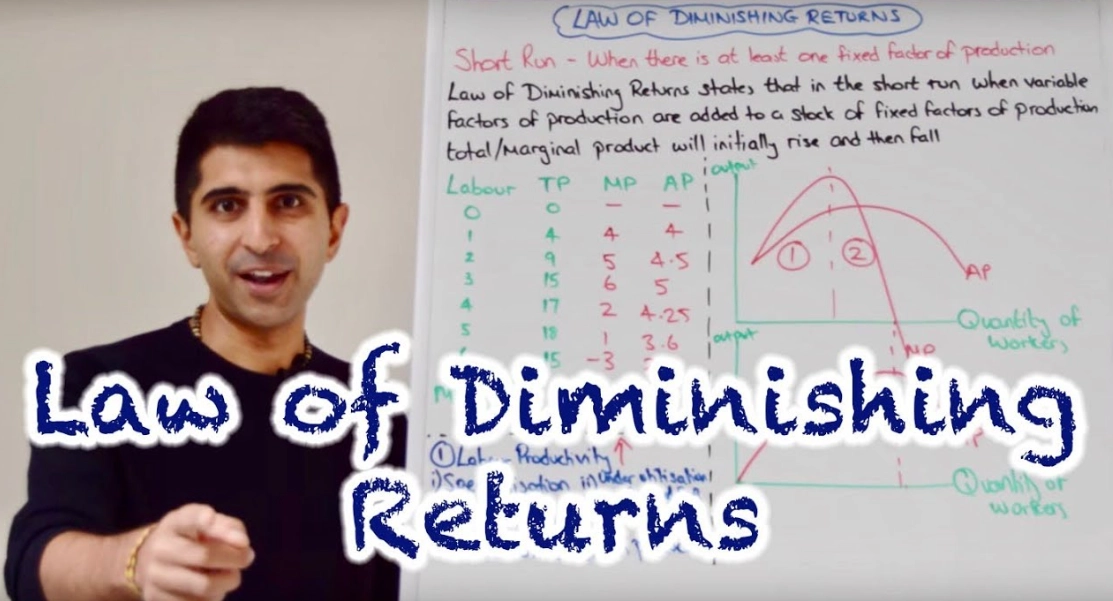
The formal definition, as you'd find on Investopedia, calls it the "law of diminishing marginal returns." The key word is marginal. We're not talking about your total profit or overall fitness. We're talking about the benefit of the next unit. That next hour of study, that next $1000 in marketing, that next set at the gym.
The Coffee Shop Conundrum: A Classic Example
Let's make it concrete. Imagine you run a small coffee shop with one espresso machine and one barista. Business is booming, so you hire a second barista. Output (coffees made per hour) jumps dramatically—they can take orders and steam milk simultaneously. Great return on investment.
You hire a third barista. Output still goes up, but not as much. Now there's some crowding around the single machine. The fourth barista? Output barely moves. The fifth? They're literally tripping over each other. Output might even fall as coordination fails. You hit diminishing returns the moment that third barista showed up.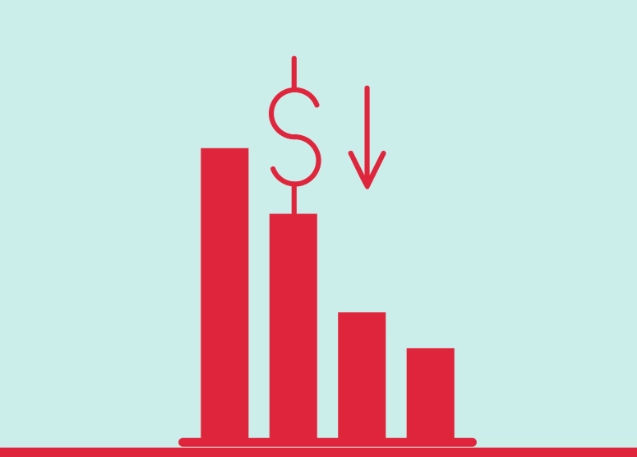
The Non-Consensus View: Most people think diminishing returns is a smooth, gradual decline. In reality, it often feels like a cliff. Things are going great, then you add one more thing, and suddenly everything bogs down. That "cliff" is usually a bottleneck you didn't see—the single espresso machine in our example. Identifying your bottleneck is 90% of the battle.
Real-World Examples: It's Not Just About Factories
This law doesn't care about your industry. Here’s where it shows up:
In Business & Marketing
You're running Facebook ads. The first $500 gets you 50 new customers. The next $500 gets you 40. The $500 after that gets you 25. You've saturated your target audience. Throwing more money at the same ad, to the same people, on the same platform yields less and less. The solution isn't always more budget; it's a new channel, a new ad creative, or a new customer segment.
In Fitness & Health
A beginner goes to the gym three times a week and sees amazing changes. Encouraged, they go six times a week. The gains are still good, but not double. They then try going twice a day, seven days a week. Soon, they're overtrained, injured, and losing progress. The marginal return of that extra workout session turned negative. Recovery (an "other input") was held constant.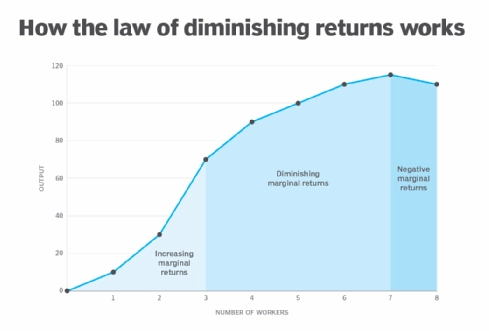
In Learning & Skill Acquisition
Studying a language for 30 minutes a day yields massive progress in the first month. Studying for 2 hours a day doesn't make you learn six times faster. Your brain hits a cognitive limit. The last 30 minutes of a 4-hour cram session are often worthless because your focus (another input) has depleted.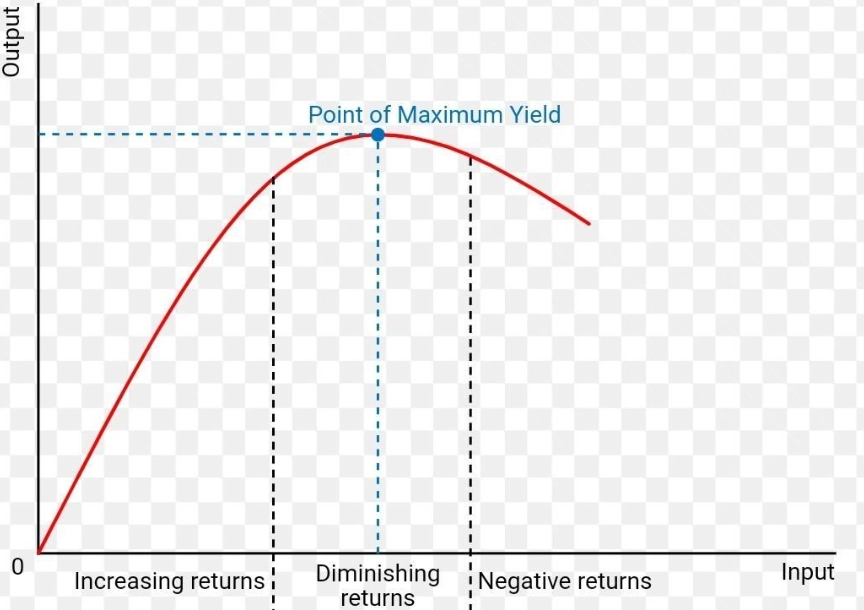
| Area | The Input You Increase | The Constant Factor (The Bottleneck) | Sign of Diminishing Returns |
|---|---|---|---|
| Digital Ads | Ad Spend | Audience Size & Ad Creative | Cost per acquisition keeps rising |
| Software Development | Developers on a Project | Project Manager Bandwidth & Codebase Clarity | More bugs, slower feature delivery |
| Content Creation | Number of Blog Posts per Week | Content Quality & Editorial Oversight | Traffic per post drops, audience fatigue |
| Farming (The Original Example) | Laborers on a Fixed Plot of Land | Land Size & Fertility | Each new worker adds less to the total harvest |
How to Identify Diminishing Returns in Your Own Work
The hardest part is seeing it in real-time. You're in the weeds, pushing forward. Here are the red flags:
You're putting in more effort but the metrics are plateauing. Weekly hours up, revenue flat. Study time up, test scores stuck.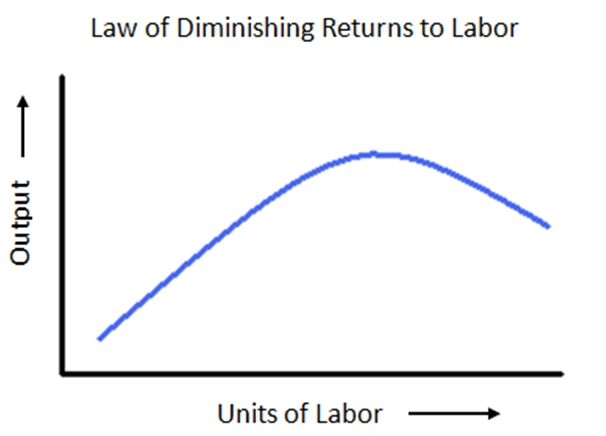
Everything feels more complicated and slower. Adding a team member increased communication overhead more than productivity. Adding a new tool requires more training than the time it saves.
The cost of the "next unit" feels unjustifiably high. That next customer will cost twice as much to acquire as the last one. Getting from a 95% to a 99% score requires an unreasonable amount of polishing.
I've seen too many entrepreneurs burn out here. They mistake diminishing returns for a lack of effort and double down on the wrong thing.
How to Identify and Overcome Diminishing Returns
So you've hit the wall. What now? The answer is almost never "try harder at the same thing."
1. Find and Attack the Bottleneck
This is the critical step most miss. Ask: What is currently held constant that's now limiting me? In the coffee shop, it was the single espresso machine. In your business, maybe it's your own capacity to make decisions. In your fitness, it's recovery time. Fix the bottleneck first. Buy a second machine. Delegate decisions. Prioritize sleep.
2. Change the Input Mix
Stop adding more of the same. If more ad spend isn't working, invest in improving the product or the website's conversion rate (a different input). If more coding hours are causing bugs, invest in better testing frameworks or documentation.
3. Know When to Stop (The Optimal Point)
This is a business skill. The goal isn't to maximize output at all costs; it's to optimize for efficiency. You stop adding the input when the cost of adding it equals the value it creates. In practice, this means having clear metrics and being willing to pivot. Data from the U.S. Bureau of Labor Statistics often shows that after a certain point, overtime hours lead to disproportionately higher error rates, not more output.
4. Embrace Iteration Over Linear Scaling
Instead of trying to make one thing 100% bigger, try ten things that are 10% better. Small, diversified improvements across different areas (a process called Kaizen) often bypass the diminishing returns trap of hammering on one single lever.
Frequently Asked Questions About Diminishing Returns
I'm managing a remote team, and adding more check-in meetings to boost productivity seems to be making things worse. Is this diminishing returns?
Absolutely. You're increasing the input (meeting time) while likely holding constant the team's actual focused work time. Each additional meeting chips away at deep work periods, increases context-switching fatigue, and can breed meeting fatigue where people disengage. The bottleneck isn't communication frequency; it might be communication clarity or tooling. Try switching to async video updates or a centralized project hub instead of another sync meeting.
How does the law of diminishing returns apply to studying for an exam like the SAT or GRE?
The first 50 hours of focused prep yield massive score jumps—you're learning foundational concepts. The next 50 hours might get you another solid increase as you refine skills. But pushing from 200 to 250 hours of prep? The marginal gain might be 10-20 points, and the stress and opportunity cost (not sleeping, not exercising) could hurt your performance. The bottleneck shifts from knowledge to test-taking stamina, mental fatigue, and anxiety. The optimal point is usually well before the "cram until you drop" point.
Is there a difference between diminishing returns and negative returns?
Yes, and it's a crucial distinction. Diminishing returns means the *rate* of increase is slowing. You're still getting a positive benefit from the next unit, just a smaller one. Negative returns means the next unit actually reduces your total output. It's the difference between your 4th barista adding only 5 coffees per hour (diminishing) and your 5th barista causing spills and arguments that lower total output (negative). Recognizing the shift from diminishing to negative is key to avoiding active harm.
Can technology help overcome diminishing returns in a business?
It can, but only if it attacks the right bottleneck. Automating a process that isn't your constraint does nothing. The key is to use technology to augment or replace the *constant* factor. If your bottleneck is a skilled human's time, software that automates their repetitive tasks changes the game. If your bottleneck is data analysis, a better BI tool might be the solution. Technology is a tool to change the input mix, not just a louder hammer.
The law of diminishing returns isn't a doom-and-gloom prophecy. It's a reality check. It forces you to think strategically instead of just working harder. The most productive people and successful businesses aren't those who ignore this law; they're the ones who have learned to sense its approach and pivot before they waste resources. They stop asking "can we add more?" and start asking "what should we change?"
That's the real power of understanding this simple, universal principle.
Reader Comments