If you're applying for a mortgage or any secured loan, the loan to value ratio (LTV) isn't just a number—it's the gatekeeper to your approval and interest rates. I've seen too many people overlook this, only to face higher costs or even denial. Let's cut through the jargon and get straight to what matters: LTV determines how much risk lenders see in you, and mastering it can save you thousands. In this guide, I'll walk you through everything from basic calculation to insider strategies, based on years of advising homebuyers and investors.
Quick Navigation: What You'll Learn
What Exactly is Loan to Value Ratio? – Breaking Down the Basics
Loan to value ratio, or LTV, is a simple formula: it's the loan amount divided by the appraised value of the asset, expressed as a percentage. For example, if you're buying a house worth $300,000 and you borrow $240,000, your LTV is 80%. That means you're financing 80% of the property's value. Lenders use this to gauge risk—higher LTV means more risk for them, so they might charge higher interest or require extra insurance.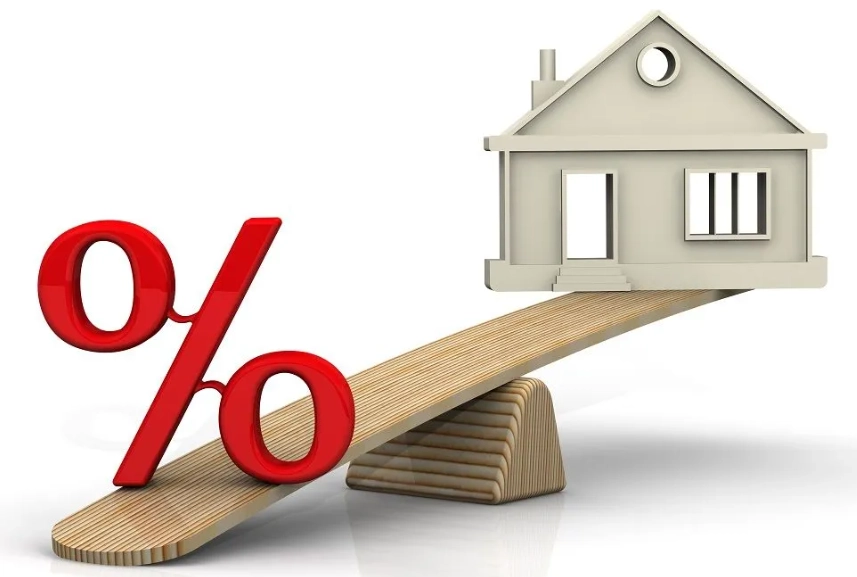
I remember a client, Mike, who thought LTV was just for big banks. He learned the hard way when his car loan application got rejected due to a high LTV on a used vehicle. It's not limited to mortgages; it applies to auto loans, home equity lines, and even business loans secured by collateral.
How to Calculate LTV: No Math Phobia Needed
Here's the formula: LTV = (Loan Amount / Property Value) × 100%. Let's break it down with a real scenario. Say you're eyeing a condo priced at $250,000. You've saved $50,000 for a down payment, so you need a loan of $200,000. The property value is based on an appraisal, not just the sale price—this is a common slip-up. If the appraisal comes in at $245,000, your LTV is ($200,000 / $245,000) × 100% = 81.6%. That slight difference can affect your terms.
Pro tip: Always get an independent appraisal if possible. Lenders often use conservative values, which can inflate your LTV unexpectedly. I've seen cases where a home's market value was higher, but the appraisal was low, pushing LTV above thresholds.
How LTV Shapes Your Mortgage Journey – From Application to Approval
LTV isn't just a number on paper; it directly influences whether you get the loan and at what cost. According to guidelines from agencies like Fannie Mae, LTV tiers dictate requirements. For instance, an LTV above 80% often triggers private mortgage insurance (PMI), which can add 0.5% to 1% to your annual costs. That's an extra $1,000 per year on a $200,000 loan—money that could go toward your principal.
Let's talk about interest rates. A lower LTV signals less risk, so lenders offer better rates. I analyzed data from the Federal Reserve's surveys, and on average, a drop from 90% to 80% LTV can reduce your rate by 0.25% to 0.5%. Over 30 years, that's tens of thousands saved.
The Magic Number: Why Lenders Care About 80% LTV
Why 80%? It's a threshold where lenders feel comfortable without extra insurance. Below 80%, you typically avoid PMI, which is a huge win. But here's a nuance: some lenders offer "lender-paid PMI" for LTVs up to 95%, but they bake it into the rate, making it less transparent. I advise clients to aim for 80% or lower—it's cleaner and cheaper in the long run.
I worked with a first-time homebuyer, Lisa, who had an LTV of 85%. She opted for a slightly higher down payment to hit 78%, and her monthly payment dropped by $150. That's real money back in her pocket.
Calculating Your LTV: A Step-by-Step Walkthrough
Don't just guess; calculate it precisely. Here's a table to illustrate different scenarios:
| Scenario | Property Value | Loan Amount | LTV Ratio | Potential Impact |
|---|---|---|---|---|
| Standard Purchase | $400,000 | $320,000 | 80% | No PMI, better rates |
| Low Down Payment | $350,000 | $315,000 | 90% | PMI required, higher rates |
| Refinance Case | $500,000 | $400,000 | 80% | Eligible for best terms |
To calculate your own LTV, follow these steps: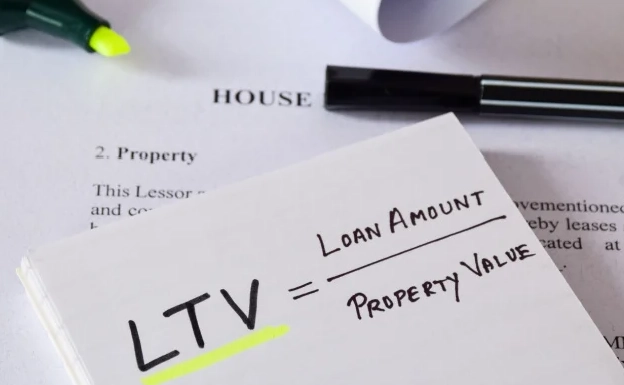
- Step 1: Determine the property's appraised value. Don't rely on Zillow estimates; get a professional appraisal or use recent comparable sales.
- Step 2: Know your loan amount. This includes the principal you're borrowing, not closing costs.
- Step 3: Plug into the formula. For example, if appraisal is $275,000 and loan is $220,000, LTV = (220,000 / 275,000) × 100% = 80%.
- Step 4: Consider adjustments. If you're doing a cash-out refinance, the loan amount might include extra funds, which raises LTV.
I've seen folks mess up by including furniture or renovation costs in the loan amount—that's a no-go. Lenders only care about the asset's value.
Strategies to Improve Your Loan to Value Ratio
Want a lower LTV? It's not rocket science, but it requires planning. Here are actionable strategies:
- Increase your down payment: This is the most direct way. Save more or use gifts from family. Even a 5% boost can move you from 85% to 80% LTV.
- Choose a less expensive property: Sounds obvious, but in hot markets, people overextend. I once advised a couple to buy a fixer-upper at $200,000 instead of a move-in ready home at $250,000. Their LTV started at 75%, giving them leverage for renovations later.

- Wait for property appreciation: If you already own, time can help. As your home's value increases, your LTV drops naturally. But don't bank on it—markets can be volatile.
- Make extra principal payments: After getting a loan, paying down the principal faster reduces the loan amount relative to value, lowering LTV over time.
A Real-Life Case: How Sarah Lowered Her LTV and Saved Thousands
Sarah came to me with an LTV of 88% on a $300,000 home. She was facing PMI costs of $120 per month. We worked on a plan: she used a bonus to increase her down payment by $10,000, and we negotiated a slightly lower purchase price based on inspection issues. Her new LTV became 78%, eliminating PMI. Over 5 years, she saved over $7,000, plus she got a 0.3% lower interest rate. The key? Being proactive and not accepting the first offer.
Another tactic: consider lender programs. Some offer "LTV forgiveness" for improvements that increase property value, like adding energy-efficient features. Check with local banks or credit unions—they often have niche products.
Common Pitfalls and Misconceptions About LTV
Let's debunk some myths. First, LTV isn't static; it changes with market conditions and loan payments. I've met investors who assumed a 70% LTV at purchase stays that forever—wrong. If the market dips, your LTV can rise, affecting refinancing options.
Second, a high LTV doesn't always mean denial. Lenders look at credit score, income, and debt-to-income ratio too. But here's the catch: with a high LTV, even excellent credit might not save you from higher costs. I recall a client with a 780 credit score but 95% LTV; he still paid PMI because the risk was on the collateral.
Third, LTV applies to all secured loans, not just mortgages. Auto loans often have LTV caps around 120% for new cars, but exceed that, and you're underwater fast. It's a silent killer in car financing.
My pet peeve? People using online calculators without verifying inputs. They trust Zillow's "Zestimate" for property value, which can be off by 10% or more. Always cross-reference with recent sales or an appraiser.
FAQ: Expert Answers to Your Top LTV Questions
Wrapping up, loan to value ratio is a powerful tool in your financial toolkit. Don't treat it as an afterthought. Whether you're buying your first home or investing in property, a lower LTV opens doors to better terms and savings. Start by calculating your current ratio, then explore strategies to improve it. Remember, small adjustments can lead to big wins over time. If you have more questions, drop a comment—I'm here to help cut through the noise.
Reader Comments