I remember sitting in my first economics class, hearing about the four factors of production and thinking it was just textbook stuff. Fast forward ten years, and I've seen startups crash because they ignored one of these elements. Let's cut through the academic jargon. The four factors—land, labor, capital, and entrepreneurship—aren't just concepts; they're the backbone of every business, from a lemonade stand to a tech giant. If you're running a business or planning to start one, understanding these factors can mean the difference between thriving and barely surviving.
What You'll Learn in This Guide
What Are the 4 Factors of Production?
Think of the four factors as ingredients in a recipe. Miss one, and your dish falls flat. In economics, these are the resources used to produce goods and services. They've been around since Adam Smith, but most people get them wrong by oversimplifying. Let's break each one down with examples you can relate to.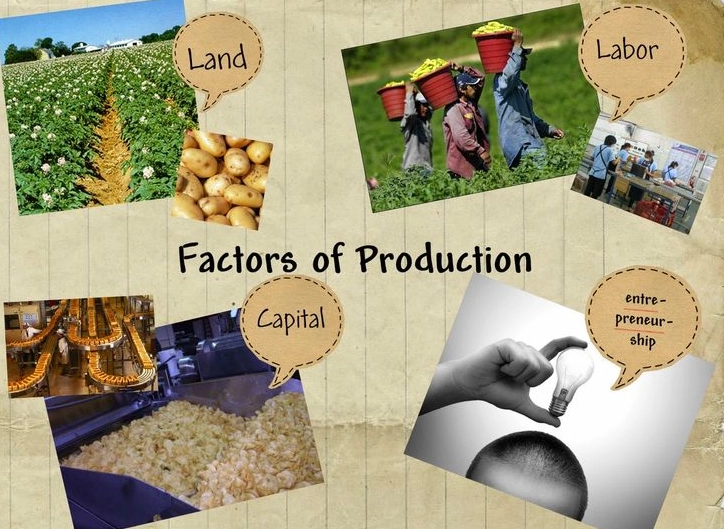
Land: More Than Just Dirt
Land isn't just the ground you build on. It includes all natural resources—water, minerals, forests, even climate. I worked with a farmer who thought land was just acreage, but he struggled until he considered soil quality and water access. For a tech company, land might mean server space or access to rare earth metals for hardware. The key is to see land as any gift from nature that aids production. If you're starting a café, location (land) dictates foot traffic; a bad spot can sink you even with great coffee.
Labor: The Human Element
Labor is the human effort, but it's not just about hours clocked. It's about skills, knowledge, and motivation. I've hired people who looked great on paper but lacked the drive, and it hurt productivity. Labor includes everyone from the factory worker to the CEO. In today's economy, mental labor—like coding or designing—often outweighs physical labor. A common mistake? Treating labor as a cost to minimize rather than an investment. Pay peanuts, get monkeys, as they say.
Capital: Tools for Growth
Capital refers to man-made resources used in production. It's not money—that's a medium of exchange. Capital includes machinery, tools, buildings, and technology. When I started my consulting firm, I blew my budget on fancy software (capital) before realizing I needed better labor first. Capital enhances efficiency, but over-reliance can lead to debt. For a small bakery, capital might be ovens and mixers; for an online store, it's the website and inventory system.
Entrepreneurship: The Spark of Innovation
Entrepreneurship is the risk-taking and innovation that combines the other three factors. It's the hardest to quantify but most critical. I've seen brilliant ideas fail because the entrepreneur lacked vision or persistence. This factor involves decision-making, creativity, and bearing uncertainty. Without entrepreneurship, land, labor, and capital sit idle. Think of Steve Jobs blending design (labor) with technology (capital) to create Apple—that's entrepreneurship in action.
How to Apply the 4 Factors in Your Business
Knowing the factors is one thing; using them is another. Let's walk through a hypothetical scenario: you're launching an eco-friendly clothing brand. Here's how to apply each factor practically.
Start with land. You need sustainable materials like organic cotton or recycled polyester. This means sourcing from suppliers with ethical practices—maybe partnering with farms in India for cotton (land as natural resources). Neglect this, and your brand's eco-claim falls apart.
Labor comes next. Hire designers who understand sustainable fashion and workers skilled in eco-friendly manufacturing. Don't just look for experience; assess their passion for the cause. I learned this the hard way when a hired manager didn't care about sustainability, leading to poor quality control.
Capital involves your production equipment, website, and inventory. Invest in energy-efficient sewing machines (capital) and a user-friendly e-commerce platform. But balance it—don't overspend on tech before testing the market. A friend's startup failed because he poured money into a fancy app without validating demand.
Entrepreneurship ties it all together. You'll make calls on design, pricing, and marketing. Take calculated risks, like using innovative fabrics or targeting niche markets. I'd advise starting small, maybe with a pop-up shop, to gauge response before scaling.
Here's a quick table to summarize how the factors interact in different business types:
| Business Type | Land Focus | Labor Focus | Capital Focus | Entrepreneurship Focus |
|---|---|---|---|---|
| Restaurant | Location, local ingredients | Chefs, servers | Kitchen equipment, POS system | Menu innovation, customer experience |
| Software Startup | Cloud server space | Developers, marketers | Computers, software licenses | Product vision, funding rounds |
| Manufacturing Firm | Raw materials, factory site | Assembly line workers | Machinery, logistics | Process optimization, market expansion |
Notice how each factor overlaps? A restaurant's land (location) affects labor (staffing needs) and capital (rent costs). The entrepreneur must juggle these constantly.
Common Mistakes and Expert Insights
After a decade in business consulting, I've spotted patterns. Most people mess up by fixating on one factor while neglecting others. Here are some non-obvious pitfalls.
First, overemphasizing capital. New entrepreneurs often think money solves everything. They secure funding, buy top-tier equipment, but skimp on labor training. Result? High costs with low output. I advised a client who upgraded his factory machines (capital) but didn't train workers (labor); productivity dropped because the team struggled with new tech.
Second, underestimating land's role in digital businesses. Sure, you're not farming, but land includes intellectual property or data access. A tech firm ignoring data privacy laws (a regulatory aspect of land) can face fines. I've seen apps fail because they didn't secure proper licenses for APIs, treating them as an afterthought.
Third, confusing entrepreneurship with management. Entrepreneurship is about innovation and risk; management is about maintenance. Many business owners get stuck in day-to-day tasks, losing the entrepreneurial spark. Delegate routine labor to focus on big-picture strategies.
My controversial take? Entrepreneurship isn't just for founders. Encourage it in your team—let employees suggest improvements. It boosts labor morale and uncovers hidden capital efficiencies. A warehouse worker might spot a way to rearrange inventory, saving time and money.
Frequently Asked Questions
Wrapping up, the four factors of production aren't static—they evolve with your business. Keep reassessing them. Maybe your land needs shifted to remote work, or your capital requires tech upgrades. I still tweak these in my own operations yearly. If you take one thing away, let it be this: balance is key. Don't let textbook definitions blind you to real-world nuances. Go apply these ideas, and watch your business gain an edge.
Reader Comments