Let's cut through the jargon. Dividends are a portion of a company's profits paid out to its shareholders. Think of it as a "thank you" check for owning a piece of the business. You buy the stock, you hold it, and the company sends you cash (or sometimes more stock) on a regular schedule. It's a core mechanism for generating passive income from the stock market, and it's how many long-term investors build wealth without constantly buying and selling.
But there's a lot more to it than just collecting checks. Why do some companies pay them and others don't? How does the money actually get to you? And is chasing high dividends a smart move or a trap? I've seen too many investors, especially beginners, get tripped up by the basics. We'll unpack all of that.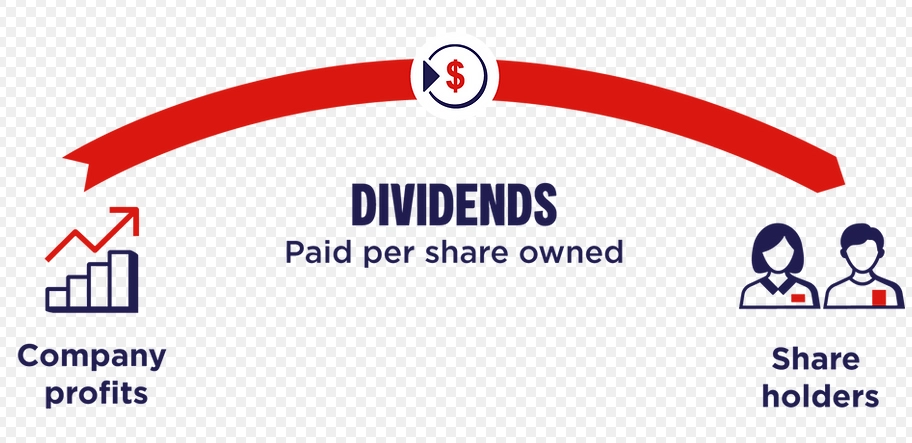
What's Inside This Guide?
How Dividends Actually Work: The Step-by-Step Process
It's not magic. There's a clear calendar companies follow. Missing a key date means you miss the payment. Here’s the lifecycle of a dividend payment.
The Four Critical Dates
Every dividend has four milestone dates. Get these wrong, and you're out of luck.
- Declaration Date: This is when the company's board of directors officially announces, "We will pay a dividend." They specify the amount and the upcoming dates. It's a promise.
- Ex-Dividend Date: The most important date for investors. To be eligible for the dividend, you must own the stock before this date. If you buy on or after the ex-dividend date, you don't get the coming payment. The seller does. The stock price typically drops by roughly the dividend amount on this date.
- Record Date: This is the date the company looks at its books to see who the shareholders are. It's usually one business day after the ex-dividend date. If you're on the list as of this date, you get paid.
- Payment Date: Finally, the money hits your brokerage account. This can be weeks or even a month after the ex-dividend date.
I learned this the hard way early on. I bought a stock thinking the "record date" was the key. I missed the ex-dividend date by a day and watched the dividend get paid to the previous owner. Lesson learned.
Dividend Reinvestment Plans (DRIPs)
Most brokers offer a DRIP option. Instead of taking the cash, you automatically use the dividend to buy more shares (often fractional shares) of the same stock. It's a powerful compounding tool. That new share then earns its own dividend next time. Over decades, this snowball effect is where the real wealth is built. The U.S. Securities and Exchange Commission has guides on how these plans function, emphasizing their long-term benefit.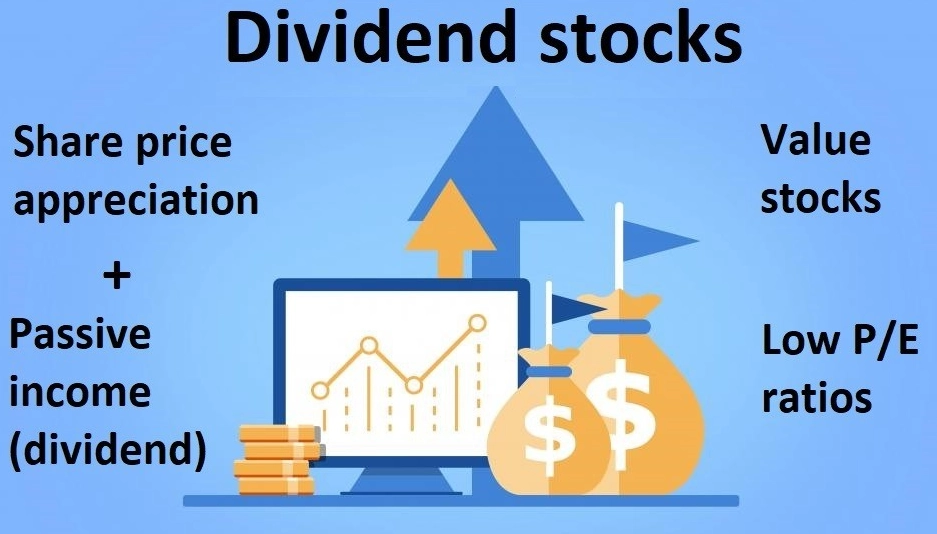
The Real Pros and Cons of Dividend Investing
Dividend stocks are often pitched as safe, boring investments. That's only half the story. They have unique advantages and some hidden pitfalls that don't get enough airtime.
| Aspect | Dividend Stocks (Income Focus) | Growth Stocks (Appreciation Focus) |
|---|---|---|
| Primary Goal | Generate regular income; total return through dividends + modest growth. | Generate wealth through significant share price appreciation. |
| Cash Flow | Provides periodic cash payments, which can be spent or reinvested. | No income until shares are sold. "Paper wealth" until liquidation. |
| Volatility | Often (but not always) less volatile. Mature companies with steady profits. | Typically higher volatility. Prices swing with growth expectations. |
| Company Stage | Mature, established companies (e.g., Procter & Gamble, Johnson & Johnson). | Often younger companies reinvesting all profits (e.g., many tech startups). |
| Biggest Risk | Dividend cuts or suspensions. A high yield can be a value trap. | Growth stalls, leading to severe price declines. No downside cash flow cushion. |
The pro everyone talks about is the income. It's tangible. In a down market, seeing a dividend hit your account feels better than watching red numbers. It forces discipline—you're rewarded for holding, not trading.
Now, the con that's rarely stated clearly: a high dividend yield can be a warning sign, not a bargain. If a stock price crashes, the yield shoots up. A 10% yield might mean the market thinks the dividend is unsustainable and will be cut. When a company like AT&T or a major bank slashes its dividend, the stock often gets hammered further. You lose on price and income. Chasing yield alone is the most common mistake I see.
How to Choose Dividend Stocks: A 4-Step Filter
Forget just sorting by highest yield. You need a checklist. Here’s the filter I use, honed from watching too many "safe" dividends get cut.
Step 1: Financial Health is Non-Negotiable. A company can't pay dividends without cash. Look for strong, consistent free cash flow (cash from operations minus capital expenditures). The dividend should be comfortably covered by this cash flow. Also, check the balance sheet for reasonable debt levels. A highly leveraged company is vulnerable in a downturn.
Step 2: Evaluate the Dividend Itself. Look at two key metrics:
- Dividend Yield: (Annual Dividend per Share / Current Stock Price). This is the percentage return. A 3-5% yield from a healthy company is often more sustainable than an 8%+ yield.
- Payout Ratio: (Annual Dividend per Share / Earnings per Share). This shows what percentage of profits are paid out. Generally, look for a ratio below 60-70% for non-REITs. A ratio over 100% is a red flag—they're paying from savings, not earnings.
Step 3: Assess the Track Record. Look for Dividend Aristocrats or Dividend Kings—companies with 25+ or 50+ years of consecutive annual dividend increases, respectively. This history demonstrates a cultural commitment to returning cash to shareholders through economic cycles. Companies like Coca-Cola and 3M are classic examples.
Step 4: Understand the Business. Is the company's industry stable or disruptive? Can you see its products or services being relevant in 10 years? A utility company has predictable cash flows. A fashion retailer might not. Invest in businesses you understand.
I once ignored Step 1 for a tempting 9% yield from an oil pipeline company. The debt was sky-high. When oil prices dipped, the dividend was the first thing they cut. The stock fell 40%. The high yield was a mirage.
Navigating Dividend Taxes: What You Keep Matters
The dividend isn't yours until the taxman takes his share. In the U.S., dividends are classified for tax purposes, and it makes a big difference.
Qualified Dividends are taxed at the lower long-term capital gains rates (0%, 15%, or 20%, depending on your income). To be qualified, you must hold the stock for more than 60 days during the 121-day period that begins 60 days before the ex-dividend date. Most dividends from U.S. corporations and many foreign ones held in taxable accounts fall here.
Non-Qualified (Ordinary) Dividends are taxed at your ordinary income tax rates, which are higher. This typically applies to dividends from REITs, master limited partnerships (MLPs), and money market funds.
This is why asset location matters. Holding dividend payers in tax-advantaged accounts like IRAs or 401(k)s can shield you from this annual tax drag, letting the dividends compound uninterrupted. In a taxable brokerage account, you need to account for the tax bill.
Your Dividend Questions, Answered
 Why would a growing company not pay a dividend?
Dividends are a tool, not a strategy by themselves. They work best as part of a broader plan focused on owning shares in financially sound businesses for the long term. The goal isn't just to collect payments, but to own companies that can grow those payments over time, compounding your wealth quietly in the background. Start with the basics, apply the filters, and let time do the heavy lifting.
Reader Comments