Quick Guide to This Article
- So, What Exactly Is Disposable Income? Let's Cut Through the Jargon
- Why Bother Calculating This? It's More Than a Number
- The Major Factors That Shrink (or Grow) Your Disposable Income
- Disposable Income vs. Discretionary Income: Finally, a Clear Showdown
- Practical Strategies to Increase Your Disposable Income
- How to Allocate Your Disposable Income Wisely: A Priority Framework
- Common Questions About Disposable Income (The Stuff You Actually Google)
- Putting It All Together: Your Personal Disposable Income Action Plan
Let's talk about money. Not the abstract kind, but the money that actually ends up in your pocket after all the adulting is done. The money you can actually decide what to do with. That's your disposable income. It's a term you hear thrown around a lot in finance articles, but I've found most explanations are either too textbook or they skip over the really useful parts. You know, the parts where you figure out how to have more of it.
I remember looking at my first real paycheck and feeling pretty good, right up until I started subtracting rent, student loans, and taxes. What was left felt… disappointing. That moment was my rude introduction to the gap between what I earned and what I could actually spend. That's the gap this whole concept lives in.
Here's the thing: Understanding your disposable income isn't just an accounting exercise. It's the foundation of your financial freedom. It's the difference between feeling pinched every month and having the breathing room to save, invest, or even just enjoy a nice dinner without guilt.
So, What Exactly Is Disposable Income? Let's Cut Through the Jargon
The official definition from economists goes something like this: it's the amount of money you have left over after you pay your personal income taxes. That's it. Your take-home pay. The Bureau of Economic Analysis (BEA) tracks this on a national level, and you can see their data on their personal income page. It's a big-picture economic indicator.
But for you and me? That definition is way too simple.
In real life, your personal disposable income is what's left after taxes AND your essential, non-negotiable living costs. We're talking about the money you could, in theory, choose to save or spend on non-essentials. This is where most people get tripped up. They confuse it with discretionary income (more on that showdown later).
The Real-World Formula for Your Disposable Income
Forget the textbook for a second. Here’s how you actually figure it out:
Gross Income (Your salary, side hustle cash, etc.)
MINUS Income Taxes (Federal, State, Local, FICA)
EQUALS Disposable Income (The Official Number)
MINUS Essential Fixed Costs (Rent/Mortgage, Utilities, Groceries, Insurance, Minimum Debt Payments, Basic Transportation)
EQUALS Discretionary Income (The "Fun" or "Save" Money)
See the difference? Your disposable income is the pool. Your discretionary income is what you can actually scoop out of that pool for wants, not needs.
Why Bother Calculating This? It's More Than a Number
You might be thinking, "Great, another number to stress about." I get it. But tracking your disposable income is like checking the fuel gauge on a long road trip. It tells you how far you can go.
First, it's the ultimate measure of your financial breathing room. A shrinking disposable income is a red flag that your costs are rising faster than your pay. Second, it's the seed money for everything else. Want to build an emergency fund? You'll fund it from here. Dreaming of investing? This is your capital. Hoping to finally take that vacation? Yep, this is where it comes from. No disposable income means those goals are stuck in park.
Governments and banks look at aggregate disposable income to gauge consumer health. If nationwide disposable income is up, people might spend more, boosting the economy. The Federal Reserve pays close attention to these trends, as you can see in their reports on household debt and credit. On a personal level, lenders might look at your disposable income (often via your debt-to-income ratio) when you apply for a loan.
A quick reality check: A high income doesn't automatically mean high disposable income. I've seen people earning six figures who have less "free" money at the end of the month than someone earning half as much, thanks to massive mortgages, car payments, and lifestyle creep. It's all about what's left over.
The Major Factors That Shrink (or Grow) Your Disposable Income
Your disposable income isn't static. It's in a constant tug-of-war. Let's break down the teams.
The Shrinkage Team (Where Your Money Goes)
Taxes: The biggest bite. This includes federal income tax (check the IRS guidelines for current brackets), state and local taxes (if applicable), and payroll taxes for Social Security and Medicare (FICA).
Essential Living Costs: The non-negotiables.
- Housing: Rent or mortgage, property taxes, homeowner's insurance.
- Utilities: Electricity, water, gas, internet (basic plan), cell phone (basic plan).
- Sustenance: Groceries for nutritious meals. Not dining out.
- Insurance: Health, auto, and possibly life insurance premiums.
- Minimum Debt Payments: The required payment on student loans, credit cards, car loans.
- Basic Transportation: Gas, public transit pass, essential car maintenance.
The Growth Team (How You Fight Back)
Gross Income Increases: Raises, promotions, bonuses, successful side hustles, investment income.
Tax Efficiency: Legally minimizing your tax burden through retirement contributions (401(k), IRA), HSAs, and taking advantage of all eligible deductions and credits. This directly boosts your disposable income.
Reducing Essential Costs: This is the hard but high-reward work. Refinancing debt to a lower rate, shopping for cheaper insurance, cutting the cord on cable, meal planning to lower grocery bills, even moving to a more affordable area.
My personal tactic: I do a "disposable income check-up" every six months. I look at each essential cost and ask, "Can I get this for less without sacrificing quality or safety?" Last year, I switched auto insurers and saved $400 a year. That's $400 added straight back to my disposable income pool.
Disposable Income vs. Discretionary Income: Finally, a Clear Showdown
This is the confusion champion. Let's settle it with a table.
| Feature | Disposable Income | Discretionary Income |
|---|---|---|
| Official Definition | Income after taxes. | Income after taxes AND necessities. |
| What It Represents | Your total pool of post-tax money. | The "fun money" or "savings/investment" money within that pool. |
| What It Pays For | Everything: needs AND wants. | Wants, savings, investments, and luxury needs. |
| Analogy | The whole pie. | The slice of pie you can choose to eat for dessert. |
| Why It Matters | Macro-economic health indicator; your financial capacity. | Your true lifestyle flexibility and wealth-building potential. |
Think of it this way.
Your disposable income has to cover your $1,500 rent. Your discretionary income is what you have left after paying that rent. So, if you want more discretionary income (who doesn't?), you have two levers: increase your total disposable income, or reduce the essentials that come out of it first.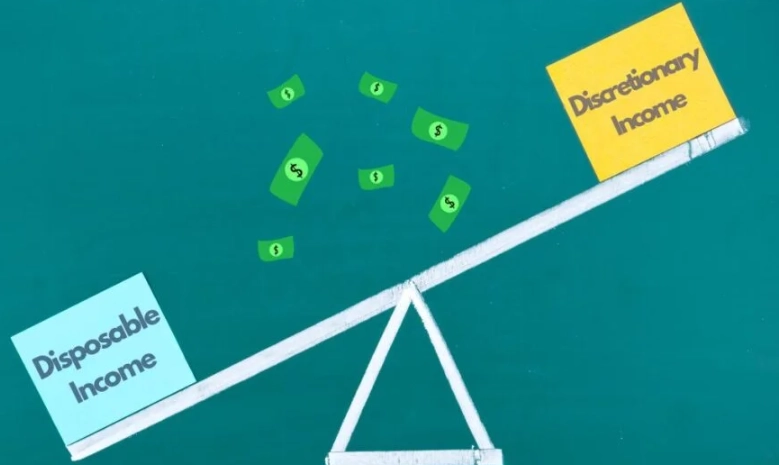
Practical Strategies to Increase Your Disposable Income
Okay, theory is done. Let's get tactical. You can't always snap your fingers and get a raise, but you can be strategic. Here are the most effective areas to focus on, in my experience.
Attack the Big Three: Taxes, Housing, Debt
These are the giants. Shaving a little off here has a huge impact.
- Tax Optimization: Max out your 401(k) or similar employer plan. It lowers your taxable income now. Contribute to an HSA if you have a high-deductible health plan. It's triple tax-advantaged. Make sure your W-4 withholding is accurate so you're not giving the government an interest-free loan (or facing a big bill).
- Housing Hack: This is the biggest budget item for most. Could you get a roommate? Refinance your mortgage if rates have dropped? Even renegotiating your rent when the lease is up can work. I know moving is a pain, but the savings can be thousands per year.
- Debt Slaying: High-interest debt (looking at you, credit cards) is a disposable income vampire. Focus on paying it down aggressively. Consider a balance transfer to a 0% APR card or a personal loan consolidation at a lower rate. The Consumer Financial Protection Bureau (CFPB) has great resources on debt reduction strategies.

The Everyday Leak Plugs
Small leaks sink ships. Track your spending for a month—every single dollar. You'll find surprises.
- Subscriptions: That streaming service, gym membership, or software subscription you never use? Cancel it. Today.
- Insurance Review: Shop around for car and home insurance every 2-3 years. Loyalty rarely pays.
- Utility Efficiency: LED bulbs, a smart thermostat, sealing drafts. Small investments, long-term savings on utilities.
- Groceries: Plan meals, use a list, buy store brands. I was skeptical, but cutting my grocery bill by 15% added up to over $800 a year. That's real disposable income recovered.

How to Allocate Your Disposable Income Wisely: A Priority Framework
So you've managed to increase your disposable income a bit. Fantastic! Now what? Throwing it all at random stuff is a missed opportunity. Here's a prioritized approach that's served me well.
Step 1: Emergency Fund First. Before anything fun, build a cash cushion. Aim for 3-6 months of essential expenses. This stops life's surprises (car repair, medical bill) from going on a credit card and destroying your future disposable income with interest.
Step 2: Capture Employer Match. If your job offers a 401(k) match, contribute enough to get the full match. It's free money and a tax break. It's the highest-return investment you'll likely ever make.
Step 3: Annihilate High-Interest Debt. Debt with an interest rate over ~7% is an emergency. Throw extra disposable income at it until it's gone.
Step 4: Max Out Tax-Advantaged Accounts. After the match and high-interest debt, pump more into your 401(k), IRA, and HSA. This grows your wealth and protects more income from taxes.
Step 5: Save for Specific Goals. Now you can save for a down payment, a car in cash, or that dream vacation.
Step 6: Enjoy Some Discretionary Spending. Yes, finally! Allocate a portion for fun—dining, hobbies, travel. This is the reward that makes the discipline sustainable. The key is to do it intentionally, not as a default.
Common Questions About Disposable Income (The Stuff You Actually Google)
Is disposable income the same as savings?
No. This is a huge misconception. Disposable income is a flow—the money coming in each period. Savings is a stock—the money you've accumulated over time. You use your disposable income to create savings. If you spend all your disposable income, your savings won't grow.
How does inflation affect my disposable income?
It's the silent thief. If your income stays the same but the price of groceries, gas, and rent goes up, your disposable income shrinks in real terms. You can buy less with it. To maintain your standard of living, your income needs to outpace inflation. This is why cost-of-living adjustments (COLAs) in salaries or Social Security are so important.
What is a "good" disposable income amount or percentage?
There's no universal number, as costs vary wildly by location. A better metric is a percentage. After paying for essentials, if 20% or more of your post-tax income is left as discretionary income, you're in a very strong position. If it's under 10%, you're likely feeling stretched. The goal is to increase that percentage over time.
Can I have negative disposable income?
In the strict official sense, no, because it's just income after taxes. But in the practical, real-world sense we've been using? Absolutely. If your essential costs exceed your take-home pay, you're running a deficit. You're funding life with debt (credit cards, loans), which is a dangerous cycle that erodes future disposable income. This is a financial emergency requiring immediate action—cutting costs or increasing income.
A word on comparisons: Don't get obsessed with comparing your disposable income to others, especially on social media. Lifestyle lies are rampant. Focus on your own trajectory. Is your disposable income growing? Is your discretionary slice getting bigger? That's your real scorecard.
Putting It All Together: Your Personal Disposable Income Action Plan
This isn't about perfection. It's about progress. Here’s a simple plan to start today.
- Calculate Your Baseline. Take last month's take-home pay. Subtract all essential, fixed costs (use the list above). The number you get is your current real-world disposable income (or more accurately, the discretionary part of it). Don't judge it, just know it.
- Identify One "Shrinkage" to Attack. Look at your essential costs. Pick ONE to reduce this month. Can you call and negotiate your internet bill? Can you plan one more meatless meal a week? Start small.
- Check One "Growth" Lever. Is there a side gig you've considered? Could you ask for a performance review at work? Update your resume? Take one concrete step.
- Decide the "Next Dollar" Destination. The next extra dollar you free up—where will it go? Make a rule. Mine is: "The next $100 goes to my high-yield savings account until my emergency fund is full." Having a rule prevents mindless spending.
Your disposable income is more than a dry economic statistic. It's your financial runway. It determines your options, your security, and your freedom. By understanding it deeply and managing it actively, you're not just moving numbers around on a spreadsheet. You're taking direct control of the resources that shape your life.
The goal isn't to hoard every penny. It's to create enough margin so that your money serves you, not the other way around. So that when opportunities or challenges arise, you have the capacity to handle them. Start with that one calculation. See where you stand. Then make one change. The rest will follow.
Reader Comments