Essential Points
- Deed vs. Title: Untangling the Real Estate Jargon
- The Anatomy of a Valid Property Deed
- A Tour of the Deed Types: Which One Are You Signing?
- The Lifecycle of a Deed: From Signing to Safekeeping
- When Things Go Wrong: Lost Deeds, Errors, and Fraud
- Property Deeds in Special Situations
- Your Action Plan: A Property Deed Checklist
- Where to Go for Official Help and Information
Let's be honest. When you buy a house, you're swimming in a sea of paperwork. The mortgage application feels like a novel, the inspection report is a thriller of potential disasters, and the closing documents? A stack so high it needs its own table. Buried in that stack is one document that, in my opinion, doesn't get nearly enough attention until something goes wrong: the property deed.
I remember talking to a friend who inherited his grandmother's house. He had the keys, he was paying the taxes, he lived there for years. Then he tried to sell it. Turns out, the property deed was still in his grandmother's name, and the trail of inheritance wasn't properly documented. What followed was a months-long, expensive legal headache involving probate court and affidavits. All over a single piece of paper he didn't know he needed to secure.
That's the thing about a deed. When everything is fine, it sits quietly in a safe deposit box or a filing cabinet. But it's the absolute bedrock of your claim to ownership. No deed, no proof (at least not the easy kind). So let's demystify it. What is this document, really? Why are there so many types? And what should you, as a homeowner or buyer, actually do with this information?
Deed vs. Title: Untangling the Real Estate Jargon
This is where people get tripped up right from the start. You'll hear "title" and "deed" used almost interchangeably in casual conversation, but in the legal and real estate world, they mean very different things.
Think of it this way: Title is the concept of ownership. It's your bundle of legal rights to the property—the right to use it, sell it, lease it, and exclude others from it. It's an abstract idea. You can't hold "title" in your hands.
The property deed is the physical, written document that proves and transfers that title. It's the vehicle. When you sell your house, you sign a deed to transfer your title (your ownership rights) to the buyer. The deed is the formal, recorded evidence of that transaction. The county recorder's office doesn't file your "title"; they file your deed.
Why does this distinction matter? Because you can have issues with one and not the other. You might physically possess the property deed, but if there's a lien (like an old contractor's bill) or a claim against the property, you have a "cloud on the title." Your deed is valid, but your ownership isn't completely clear. That's what title insurance is for—to protect against those hidden title issues that the deed alone might not reveal.
The Anatomy of a Valid Property Deed
Not every document with "DEED" scrawled at the top is legally sound. For a property deed to actually do its job and transfer ownership in the eyes of the law, it must meet some non-negotiable requirements. These can vary slightly by state, but the core elements are universal.
First, it must be in writing. Oral promises about land haven't been valid since the Statute of Frauds in the 1600s. Thank goodness for that—imagine the chaos.
It must identify the grantor (the person selling/giving) and the grantee (the person receiving). Full legal names, please. Nicknames can cause hiccups later.
The property description has to be unambiguous. This is usually done via a formal legal description, not just "the blue house on Main Street." It might reference a plat map, lot and block numbers from a subdivision, or metes and bounds (a surveyor's description using distances and angles). Your street address is often on there for convenience, but the legal description is the binding one.
The document must contain words of conveyance. This is the legal phrasing that shows the intent to transfer ownership. Phrases like "grant, bargain, sell, and convey" or simply "hereby grants" are the magic words that make the transfer happen.
The grantor must sign the deed. In almost all cases, this signature needs to be notarized. This is a critical step that verifies the identity of the signer.
Finally, for the transfer to be complete and to put the world on notice, the deed must be delivered to and accepted by the grantee, and then recorded with the appropriate local government office, usually the County Recorder or Registrar of Deeds.
A Tour of the Deed Types: Which One Are You Signing?
This is where it gets interesting, and where the type of property deed you get directly impacts the level of protection you have. Not all deeds promise the same thing. Choosing the wrong type in a transaction can be a major mistake.
| Deed Type | What the Grantor Promises (Warranties) | Best Used For | Level of Protection for Grantee |
|---|---|---|---|
| Warranty Deed | The strongest promise. The grantor warrants they own the title, have the right to sell it, that the property is free of liens/encumbrances (except as noted), and they will defend the title against all claims. | Standard, arms-length residential sales. The most common and desirable type in typical home purchases. | Highest. Offers the most comprehensive future protection. |
| Special Warranty Deed | A limited promise. The grantor only warrants that they haven't done anything to mess up the title during their period of ownership. No promises about what prior owners did. | Commercial real estate, bank-owned (REO) sales, trustee sales. Common when the seller isn't an individual homeowner. | Moderate. Protects against issues arising only during the seller's ownership. |
| Quitclaim Deed | No promises at all. The grantor is essentially saying, "Whatever interest I have in this property, if any, I quit my claim to it and give it to you." | Transferring property between family members, adding/removing a spouse from title, clearing up a title defect. | Lowest to None. Offers zero warranty. You get only what the grantor actually owns. |
| Grant Deed | Common in states like California. Implies two warranties: 1) The grantor hasn't already transferred the property to someone else, and 2) the property is free of undisclosed encumbrances. | Standard residential sales in states where it is customary. | High, but slightly less comprehensive than a full General Warranty Deed. |
Let's talk about the Quitclaim Deed for a second, because it's the most misunderstood. I cannot stress this enough: You should almost never accept a quitclaim deed from a stranger in a standard home purchase. It's like buying a "mystery box" of property. The seller could literally own nothing, and you'd have no recourse against them. However, between trusted family members where the history is known, it's a perfectly fine, simple, and inexpensive tool. I used one to add my wife to the title of our home after we got married—it was the right tool for that specific job.
So, when you're at closing, don't just gloss over the document header. Look for the words. Are you getting a Warranty Deed? That's what you want in a normal purchase.
The Lifecycle of a Deed: From Signing to Safekeeping
Step 1: Execution and Closing
You sign the deed at closing (or settlement). The seller/grantor is the one who must sign. Your signature as the buyer isn't typically on the deed itself. The signing is done before a notary public, who verifies identities and affixes their seal.
Step 2: Recording – The Most Important Step Everyone Forgets About
Here's the critical part that isn't automatic. Just because you signed the deed and have the keys, the transfer isn't legally "perfected" against the world until the deed is recorded in the public records of the county where the property is located.
Usually, the title company or closing attorney handles this filing for you. They'll take the original, signed-and-notarized deed to the county recorder's office (or electronically file it) along with a small recording fee. This act creates a public timestamp. It tells everyone—future buyers, lenders, lien holders—that as of this date and time, you are the owner of record.
What happens if you don't record? In a nightmare scenario, a dishonest seller could turn around and take out a loan against the property or even sell it to someone else. If that second buyer records their deed first, you're in a massive legal battle. Recording is your public shield.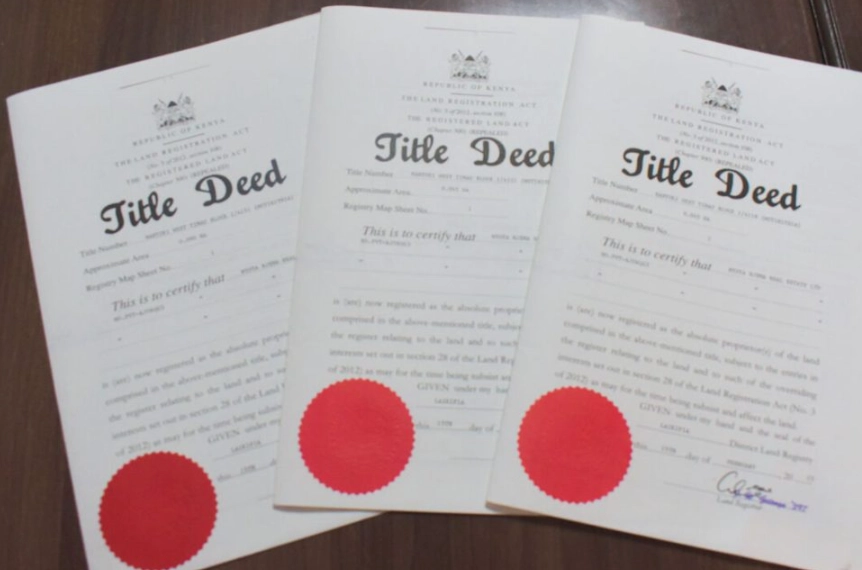
Step 3: What to Do With Your Copy
After recording, the county office will often mail the original recorded deed (now stamped with book/page numbers) to the new owner. Do not lose this. While the county has a record, having the original physical document is important.
Store it as you would a birth certificate or passport: in a fireproof safe at home or a safe deposit box at your bank. Also, make several high-quality digital scans or photocopies. You'll need to reference it for things like property tax appeals or certain types of refinancing.
You might be thinking, "But it's public record, can't I just get another copy?" Yes, you can. You can usually request a copy from your county recorder's website for a small fee. For example, many counties have online portals where you can search by address or owner name. But having your original is still best practice.
When Things Go Wrong: Lost Deeds, Errors, and Fraud
Okay, so what if your property deed is lost, damaged, or has a mistake on it? Panic mode? Not necessarily. These things happen more often than you'd think.
Lost or Destroyed Deed: If you can't find your original, don't worry—you haven't lost ownership. Remember, ownership (title) is separate from the paper (deed). The county's recorded copy is the official evidence. To get a replacement for your records, you typically file a Affidavit of Lost Deed with the county. This is a sworn statement explaining the loss. In some cases, particularly if you need to sell, you might need to go through a quiet title action, which is more complex. Start by contacting your county's recorder office to ask about their specific procedure.
Errors on the Deed: Typos happen. A misspelled name or a transposed number in the legal description needs to be fixed to avoid future headaches. This is done by creating and recording a new, corrective document, often called a Corrective Deed or a Deed of Reformation. It references the original deed and clearly states the correction. It must be signed, notarized, and recorded just like the original. For minor errors, this is usually straightforward.
Deed Fraud & Theft: This is a scary and growing problem. Scammers forge deeds to transfer property out from under unsuspecting owners, especially absentee owners or the elderly. They record the fake deed, then take out huge loans against the "stolen" property. Protecting yourself involves:
- Regularly checking your property records. Many county recorders offer free alert services that notify you via email if any document is recorded against your name or property address. Sign up for this! It's one of the best free protections available.
- Being wary of unsolicited offers to buy your home, especially if they pressure you to sign documents quickly.

- If you own vacant land or a rental property, check on the title status annually.
Property Deeds in Special Situations
The standard sale isn't the only path. Deeds are flexible tools used in many life events.
Inheritance and Death
When a property owner dies, the deed doesn't automatically update. How the property deed is transferred depends on how the deceased held title and their estate plan.
- Joint Tenancy with Right of Survivorship: This is clean. Upon one owner's death, their interest automatically passes to the surviving joint tenant(s). A Affidavit of Survivorship and a copy of the death certificate are recorded to clear the deceased's name from the title.
- Sole Ownership or Tenancy in Common: The property deed now belongs to the deceased's estate. It will pass according to their will, or by state intestacy laws if there's no will. The executor of the estate will typically sign a new deed (often a Personal Representative's Deed) to transfer it to the heir(s). This usually requires the estate to go through probate court first.
- Living Trust: If the property deed was already transferred into the name of a revocable living trust while the owner was alive, the successor trustee can transfer it to the beneficiaries privately, often avoiding probate. The deed will show the trust as the owner.
Adding or Removing Someone from a Deed
Marriage, divorce, adding an adult child—these all require a deed change. The process is similar: the current owner(s) sign a new deed (often a quitclaim deed) granting the property to the new ownership group. For example, "John Smith, a single man" signs a quitclaim deed to "John Smith and Jane Doe, husband and wife as joint tenants." In a divorce, a quitclaim deed is used by one spouse to relinquish their interest to the other, typically as part of the divorce decree. Important: Changing the deed does NOT change the mortgage. The lender is not part of this agreement. If you remove a person from the deed but they are still on the mortgage, they are still financially liable for the loan.
Transferring Property to a Trust or LLC
For asset protection or estate planning, people often transfer their personal property deed into the name of a legal entity like a Limited Liability Company (LLC) or a Trust. This is done via a standard warranty or quitclaim deed from "John Smith, an individual" to "The Smith Family Revocable Living Trust" or "123 Main Street LLC." Consult with an attorney and a tax advisor before doing this, as it can have implications for your mortgage (due-on-sale clause), insurance, and taxes.
Your Action Plan: A Property Deed Checklist
Let's turn all this information into practical steps. Here’s what you should do, whether you're a new owner or have owned your home for decades.
- Locate Your Deed. Find that original recorded copy. If you truly can't find it, order a certified copy from your county recorder now, before you need it.
- Read It. Seriously, take 10 minutes. Check the names (are they spelled correctly?), the legal description, and the deed type. Do you have a Warranty Deed?
- Secure It. Place the original in a fireproof safe or safe deposit box. Scan it and save the PDF in a secure cloud folder (like Google Drive or Dropbox) and on a USB drive.
- Sign Up for Recording Alerts. Go to your county recorder/registrar of deeds website and find their free "fraud alert" or "document recording alert" service. Register your name and property address.
For Buyers:
At closing, confirm the deed type. Ensure the title company will be recording it promptly. After closing, follow up to confirm recording is complete and ask when you should expect to receive your original copy in the mail.
For Sellers:
You're signing the deed. Make sure your name is exactly as it appears on the current title. Understand what type of deed you're giving (your agent and title company will guide you, usually to a Warranty Deed).
Where to Go for Official Help and Information
While this guide is comprehensive, your local laws are paramount. Real estate law is state-specific. For authoritative, state-specific forms and procedures, your best free resources are government websites.
- Your County Recorder, Registrar of Deeds, or Clerk's Office website is ground zero. This is where documents are filed. They often have FAQs, fee schedules, and contact information. Search for "[Your County Name] recorder of deeds."
- Your State Bar Association often has public guides on real estate transactions and can provide lawyer referral services if you need one for a complex deed issue.
- For understanding national standards and title insurance, the American Land Title Association (ALTA) is the national trade association.
The property deed is the silent sentinel of your ownership. It doesn't ask for much—just a little understanding and safe storage. Give it that, and it will stand guard over your biggest asset for as long as you own it. Take it from someone who's seen the mess when it's ignored: a little attention now saves a world of trouble later.
Reader Comments