Navigate This Guide
- Breaking Down the Official Definitions (And Why They Matter)
- The Asset Universe: It's Way Bigger Than You Think
- Your Personal Asset Inventory: A Step-by-Step Reality Check
- What Makes an Asset Actually "Good"? Beyond the Label
- Assets vs. Liabilities: The Critical Mindset Shift
- FAQs: Your Burning Questions About Assets, Answered
- Building and Protecting Your Asset Base: Actionable Steps
Let's cut to the chase. When most people hear "what is an asset," they think of their bank account, their car, or maybe their house. That's not wrong, but honestly, it's only scratching the surface. It's like describing an ocean by looking at a single wave. The real definition of an asset is so much broader and, frankly, more interesting.
I remember when I first started trying to get my finances in order. I'd look at those net worth calculators and they'd ask for my "assets." I'd list my crappy old car (that was losing value fast) and the few thousand bucks in my savings. It felt... pathetic. Like I was missing something huge. And I was. I was completely ignoring the most valuable things I owned because they didn't have a price tag slapped on them.
So, let's unpack this together. Forget the dry, textbook answers for a second. We're going to talk about what an asset really means for you, for your future, and for the life you're trying to build.
The Core Idea: An asset is anything you own or control that has economic value and can provide a future benefit. It's a resource. Something that can be converted into cash (liquidity) or, more importantly, something that generates value for you over time.
That "future benefit" part is key. It's what separates an asset from just... stuff. Your collection of vintage sneakers might be an asset if they're appreciating in value. Your daily commute car? Probably not—it's a cost center, depreciating the moment you drive it off the lot.
Breaking Down the Official Definitions (And Why They Matter)
Okay, we need to get a bit formal here, but I promise it's useful. How institutions define an asset tells you a lot about how the world sees value.
In the accounting world, which is where a lot of these strict definitions come from, an asset has three key characteristics, as outlined by frameworks like the International Financial Reporting Standards (IFRS):
- Resource Controlled: You have rights to it. You own it or have a legal claim.
- From Past Events: You acquired it through a purchase, investment, or some past action.
- Future Economic Benefits: It's expected to generate cash flows, reduce costs, or be sold for cash in the future.
That's the corporate lens. For you and me, the Internal Revenue Service (IRS) has its own take. On your tax return, assets are the things you list to figure out your capital gains or losses. Their definition shapes how you're taxed, which directly hits your wallet.
Then there's the personal finance definition, which is my favorite. It's more fluid. Here, understanding what is a personal asset can include your education, your network, and even your health. These might not show up on a balance sheet, but try building wealth without them. It's nearly impossible.
See the pattern? Whether it's a global accounting board, the tax man, or a financial blogger like me, everyone agrees: an asset is about future potential.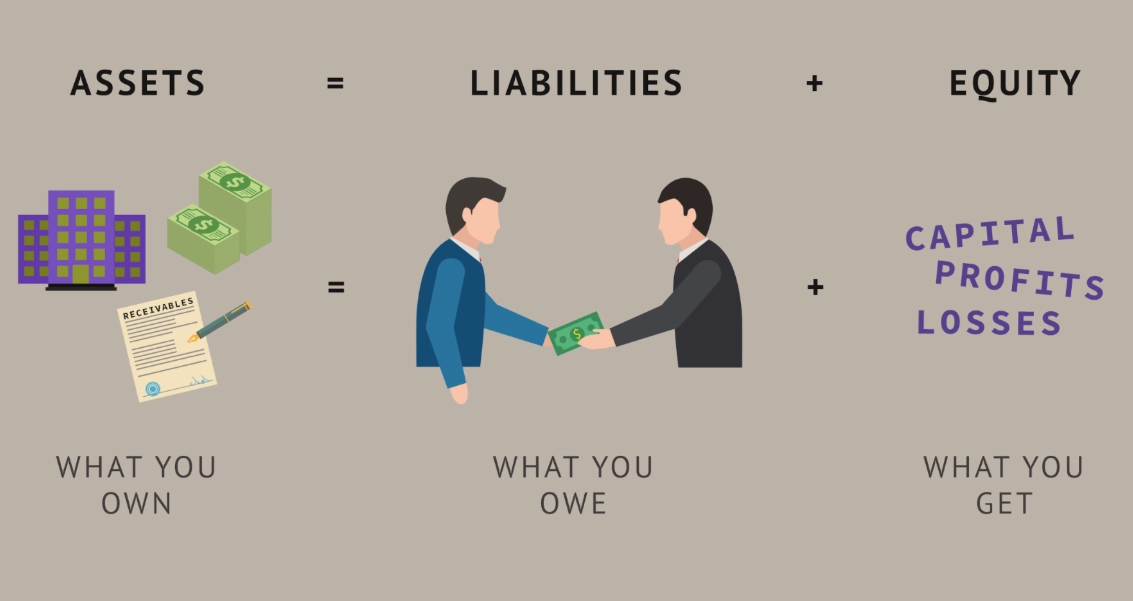
The Asset Universe: It's Way Bigger Than You Think
This is where it gets fun. Categorizing assets helps you see your whole financial picture. Most guides just split them into "current" and "fixed," but that's boring. Let's look at it in a way that actually makes sense for decision-making.
The Big Split: Tangible vs. Intangible Assets
This is the most intuitive way to start.
Tangible Assets: You can touch them. They're physical. A house, machinery, gold bars, inventory in a warehouse. Their value is often easier to see but can be costly to maintain and insure. A classic example is real estate. It's a brick-and-mortar (literally) answer to the question "what is an asset."
Intangible Assets: This is the silent wealth builder. You can't touch it, but it can be worth a fortune. Think patents, trademarks, software code, brand reputation, or even a social media following. For a person, this is your skills, your professional license, your credit score. A company like Coca-Cola's brand value is an intangible asset worth billions. It's arguably their most important one.
I used to totally underestimate intangibles. Big mistake. Investing in a coding course (building an intangible skill asset) did more for my earning power than any single stock pick ever did.
How They Behave: Operating, Financial, and Wasting Assets
Another useful lens is what the asset does.
| Asset Type | What It Is | Personal Example | Business Example | My Take |
|---|---|---|---|---|
| Operating Asset | Used to run day-to-day life or business. It generates core value. | Your laptop for freelance work, your car for a delivery job. | A bakery's oven, a taxi company's fleet. | Essential, but not always great for appreciation. |
| Financial Asset | Its value comes from a contractual claim. It's a paper (or digital) representation of value. | Stocks, bonds, ETFs, crypto, even your bank account balance. | Corporate bonds, shares in other companies. | Where most investing happens. Highly liquid but can be volatile. |
| Wasting Asset | Depreciates predictably over time. Its lifespan is finite. | Your smartphone, most vehicles, furniture. | Manufacturing equipment, office furniture. |
Looking at that table, you start to see why just asking "what is an asset" isn't enough. You need to ask "what KIND of asset is this, and what job is it doing for me?" Is it for operations (like your work computer), for investment (like a stock), or is it just a consumable thing slowly losing value?
Most of us have a mix, but the goal is to shift the balance. You want more assets that appreciate or generate income (financial, some intangibles) and fewer that just drain value (most wasting assets).
Your Personal Asset Inventory: A Step-by-Step Reality Check
Let's get practical. Grab a notepad or open a spreadsheet. Don't worry about being perfect. We're just taking stock.
First, list the obvious tangible personal assets:
- Primary Residence: Current market value (be realistic, not hopeful).
- Other Real Estate: Rental properties, land, vacation homes.
- Vehicles: Cars, motorcycles, boats. Use a site like Kelley Blue Book for a realistic current value, not what you paid.
- Physical Valuables: Jewelry, art, collectibles (coins, cards, watches). You might need an appraisal for high-value items.
Now, the financial assets. This is your liquid and investment wealth:
- Cash & Cash Equivalents: Checking accounts, savings accounts, physical cash.
- Investment Accounts: Brokerage accounts (stocks, ETFs, mutual funds), retirement accounts (401k, IRA, Roth IRA).
- Funds Held Elsewhere: HSA (Health Savings Account), 529 College Savings plans.
- Other: Cryptocurrency holdings, peer-to-peer lending balances.
When I did this for the first time, I was shocked. My retirement account, which I never "felt," was worth more than my car, which I saw every day. It taught me that real wealth is often invisible. It's quiet. The flashy stuff is usually the least valuable.
Finally, and most importantly, audit your intangible personal assets. This is the game-changer.
- Skills & Education: Degrees, certifications, hard skills (coding, design), soft skills (public speaking, management). What's the market rate for these?
- Intellectual Property: Do you have a patent, copyright, or trademark? A popular blog or YouTube channel?
- Reputation & Network: Your professional reputation in your industry. The quality of your LinkedIn network. This is social capital, and it's real.
- Health & Wellbeing: Hard to quantify, but poor health is a massive liability. Good health is a foundational asset that lets you build all the others.
This last list is what most financial planning ignores. But if you lose your job, it's your skills (intangible asset) and network (intangible asset) that get you a new one, not just your savings (financial asset).
What Makes an Asset Actually "Good"? Beyond the Label
Just because something fits the definition of an asset doesn't mean it's a smart one. A timeshare might be legally considered an asset, but most are financial nightmares. Here's how to judge quality.
Key Attributes of a Strong Asset:
- Appreciation: Does it increase in value over time? (e.g., well-chosen real estate, a stock in a growing company).
- Cash Flow: Does it put money in your pocket regularly? (e.g., dividend stocks, rental property, a bond's interest payments).
- Utility: Does it provide a useful service that saves you money? (e.g., a paid-off solar panel system reduces your electric bill).
- Liquidity: How quickly can you convert it to cash without a big loss? Cash is perfectly liquid. A house is very illiquid.
- Manageability: How much time, stress, and money does it take to maintain? A complex rental property might cash flow but be a headache.
Common Trap: Don't confuse an expense with an asset. That expensive luxury car that drops 20% in value the second you drive it? It's a rapidly wasting asset that likely comes with high insurance and maintenance costs. It's a drain disguised as a possession. I fell for this with a fancy audio system years ago. Told myself it was an "investment in my hobby." Sold it two years later for a third of what I paid. Lesson learned.
The dream is an asset that scores high on multiple fronts: it appreciates, throws off cash, and isn't a pain to manage. They're rare, but they exist. A diversified portfolio of low-cost index funds is pretty close for most people—it appreciates over the long term, provides dividends (cash flow), and is highly liquid and manageable.
Assets vs. Liabilities: The Critical Mindset Shift
This is arguably the most important part of the whole discussion. The simplistic view is: Assets put money in your pocket. Liabilities take money out.
But it's nuanced.
A mortgage on a house is a liability (a debt). The house itself is an asset. Whether that house is a *good* asset depends on whether its value growth and utility outweigh the costs of the mortgage, taxes, and maintenance. Sometimes it is, sometimes it isn't.
Student loan debt is a liability. The education it bought is (hopefully) an intangible asset that increases your earning power. Was it worth it? That depends on the degree, the cost, and the career path.
The goal isn't to have zero liabilities. That's unrealistic. The goal is to use liabilities strategically to acquire *high-quality* assets that outpace the cost of the debt. Taking a reasonable mortgage to buy a property in a growing area? Potentially smart. Using a high-interest credit card to buy a big-screen TV? A terrible trade that creates a liability without adding a real asset.
FAQs: Your Burning Questions About Assets, Answered
Building and Protecting Your Asset Base: Actionable Steps
Knowing what an asset is is step one. Building them is step two. Here's a no-fluff action plan.
Phase 1: Defense (Stop the Leaks)
- Audit Your Wasting Assets: Identify things you're spending money on that are consistently losing value (expensive new cars, high-end electronics on credit). Can you downshift? Buy used? Extend their life?
- Convert Expenses to Assets: Instead of spending $150 a month on a gym membership you rarely use (expense), could you spend $500 on a quality set of home weights (an asset that provides utility for years)?
Phase 2: Offense (Start Building)
Focus on acquiring assets that check multiple boxes.
- Invest in Intangible Assets FIRST: This is your highest leverage move. Use time and money to build skills (courses, certifications) and your network (attend events, connect genuinely). This increases your human capital, which increases your income, which gives you more capital to buy financial assets.
- Automate Financial Asset Acquisition: Set up automatic transfers from your paycheck to your 401(k) and from your checking to a brokerage account. Buy broad-based, low-cost index funds (like ones tracking the S&P 500). You're not buying a stock; you're buying a tiny piece of hundreds of companies—a diversified asset. Resources like Investopedia are great for understanding these tools.
- Consider Cash-Flow Tangible Assets: Once you have a base, maybe explore a small rental property or a side business. But do your homework. The glamour is often overstated. The work is real.
Phase 3: Protection (Keep What You Build)
- Insurance: Adequate insurance (homeowners, renters, umbrella, health) is a cost that protects your assets from catastrophic loss. It's not an asset, but it's essential asset protection.
- Estate Planning: Even a simple will ensures your assets go where you intend. For complex situations, trusts can be important assets in themselves for managing and protecting wealth across generations.
- Tax Awareness: Using tax-advantaged accounts (IRAs, 401ks, HSAs) is one of the easiest ways to protect your assets from erosion by taxes. The IRS website has the official rules.
So, what is an asset?
It's not just a line item. It's your arsenal for building the life you want. It's the tools, the resources, the stored energy you can deploy. Some are concrete, some are invisible. The most powerful ones often are.
Start by looking at everything you have—and everything you are—through this lens. Not to stress you out, but to empower you. Because once you see the world in terms of assets and liabilities, you start making different choices. Better choices. You stop chasing stuff that looks like wealth and start building resources that actually are.
Reader Comments