Let's cut to the chase. The image of a lone enthusiast mining Bitcoin with a gaming PC in their garage is a relic from 2013. Today, Bitcoin mining is a multi-billion dollar industrial operation. But that doesn't mean it's off-limits to individuals. It just means you need to approach it with the cold, hard calculus of a business owner, not the starry-eyed optimism of a crypto speculator. I've been around this block since the GPU days, and I've seen more money lost on poorly planned mining ventures than I care to remember. This guide isn't about hype; it's about the machinery, the math, and the meticulous planning required to have a shot at making mining work for you.
What's Inside This Guide
- Understanding Bitcoin Mining: More Than Just Solving Puzzles
- The Real Costs of Bitcoin Mining in 2024
- Choosing the Right Hardware: ASICs Rule Everything
- The Mining Pool Strategy: Why Going Solo is a Lottery Ticket
- Running the Numbers: Your Pre-Purchase Profitability Checklist
- Tough Questions & Straight Answers
Understanding Bitcoin Mining: More Than Just Solving Puzzles
Most explanations stop at "miners solve complex math problems." That's like saying a bank's function is to count money. It's technically true but misses the entire point. Think of the Bitcoin network as a global, decentralized ledger. Mining is the process of securing that ledger and processing transactions.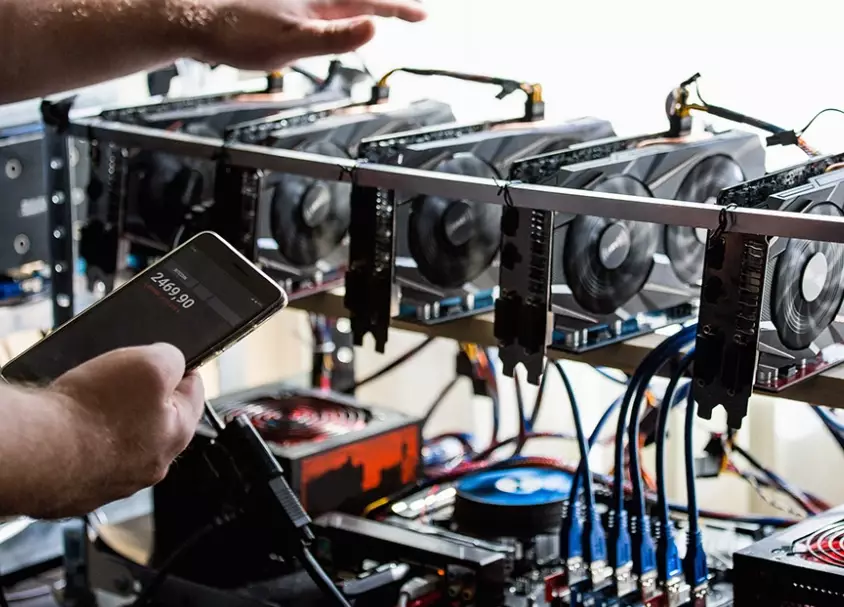
Your mining hardware (an ASIC) is essentially guessing quintillions of numbers per second. The first one to guess a number that satisfies the network's current difficulty gets to create the next "block" in the blockchain. This block contains a batch of recent transactions. For this service, the miner receives two rewards: the newly minted bitcoins (the "block reward," currently 3.125 BTC) and the transaction fees from all the transactions included in that block.
The key takeaway? Mining is a competitive public service. You're being paid for providing computational security. The higher the network's total hashrate (the sum of all guesses from all miners worldwide), the harder it is to win a block, and the more your operational costs matter.
The Big Shift: The block reward halves approximately every four years in an event called the "Halving." The last one was in April 2024. This means the primary revenue stream for miners was just cut in half overnight. Today, transaction fees make up a larger portion of earnings than ever before. If you're not factoring this long-term decline in block subsidy into your model, your profitability calculations are fantasy.
The Real Costs of Bitcoin Mining in 2024
Forget the price of the miner for a second. The dominant, relentless cost is electricity. An efficient modern ASIC runs at around 3,000 watts. Run it for a month, and you're looking at over 2,000 kWh of consumption. In many parts of the US and Europe, that's a $200-$400 monthly bill for one machine.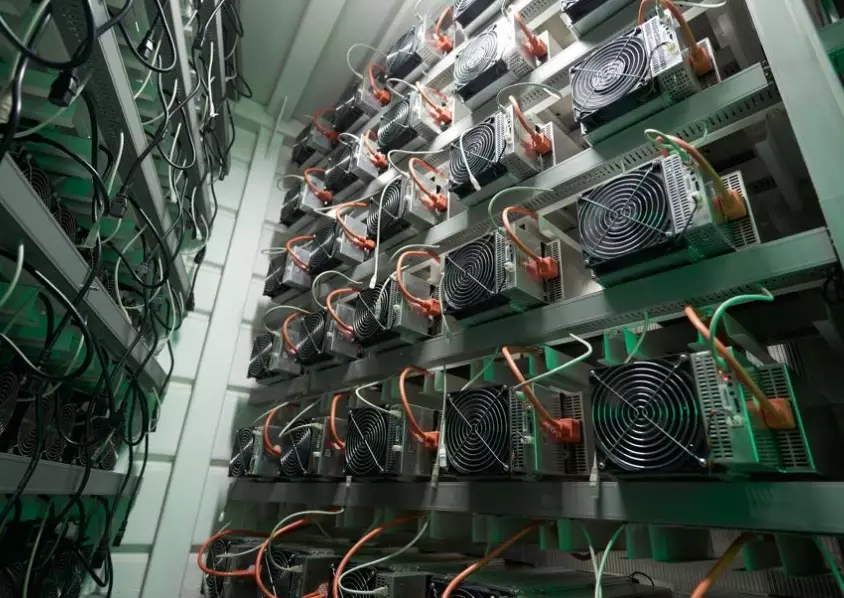
Here’s the breakdown of costs that will make or break your operation:
- Hardware Capex: The upfront cost of the ASIC miner itself. This can range from $2,000 to $10,000+ for the latest models.
- Electricity (Opex): Your ongoing fuel. This is measured in cents per kilowatt-hour (¢/kWh). Everything below 8¢/kWh is potentially workable. Above 12¢, you're likely burning money.
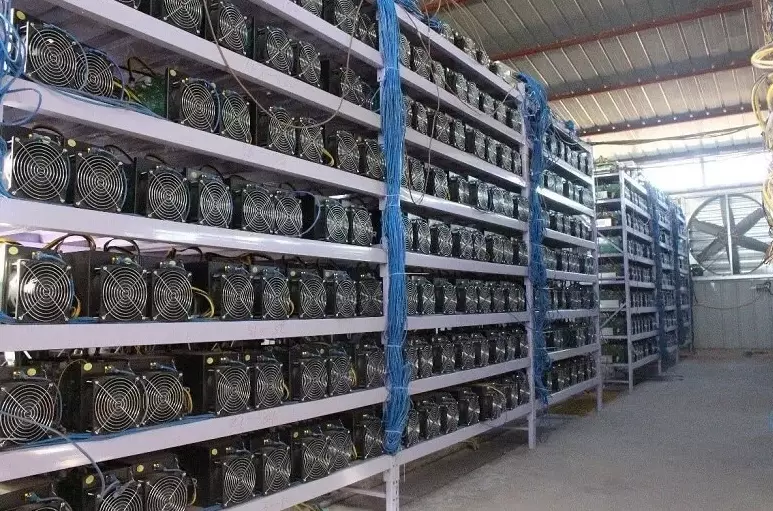
- Heat and Noise Management: A 3kW miner is a space heater that screams like a jet engine. You need ventilation, cooling, and a sound-proofed space (like a garage or basement). This adds to your electrical load for fans and possibly AC.
- Internet & Infrastructure: A stable, low-latency internet connection is non-negotiable. You also need proper electrical circuits—a standard home outlet won't cut it for multiple units.
- Maintenance and Downtime: Fans fail. Control boards fry. When your miner is offline, you're earning zero but still paying for space and potentially cooling.
I learned this the hard way in 2017. I bought three used miners without checking my garage's circuit capacity. On the first hot day, I tripped the breaker constantly and spent more time resetting it than mining. Poor planning is a tax on your patience and profits.
Choosing the Right Hardware: ASICs Rule Everything
You cannot profitably mine Bitcoin with a CPU or GPU anymore. You need an Application-Specific Integrated Circuit (ASIC). These are machines built to do one thing: compute SHA-256 hashes as efficiently as possible. The metric that matters is joules per terahash (J/TH)—how much energy it uses to perform a trillion guesses. Lower is better.
Here’s a snapshot of the competitive landscape as of mid-2024. This isn't about being the absolute best, but about the trade-offs between efficiency, price, and availability.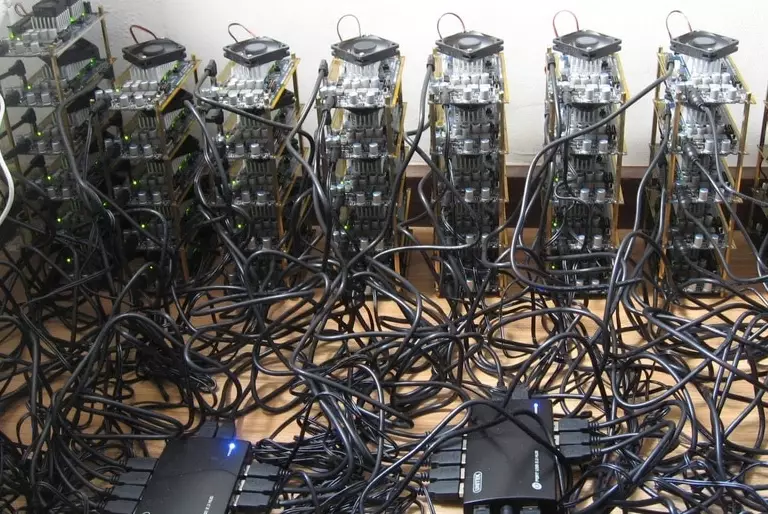
| Model (Example) | Hashrate (TH/s) | Power Consumption | Approx. Efficiency (J/TH) | Key Consideration |
|---|---|---|---|---|
| Bitmain Antminer S21 Hyd | 335 TH/s | ~5360W | ~16 J/TH | Top-tier efficiency, requires specialized 220V/water cooling. |
| Bitmain Antminer S19 XP Hyd | 255 TH/s | ~5304W | ~20.8 J/TH | Previous-gen flagship, still very efficient, easier to find. |
| MicroBT Whatsminer M50S | 126 TH/s | ~3276W | ~26 J/TH | Good balance of price and performance for smaller setups. |
| Used S19j Pro (96TH) | 96 TH/s | ~2950W | ~30.7 J/TH | Budget entry point. Higher operating cost, shorter lifespan. |
A common mistake is chasing the highest hashrate. A more powerful, less efficient miner can be a liability if your electricity rate is high. That used S19j Pro might be cheap to buy, but at $0.12/kWh, it could operate at a loss from day one. Always, always run the numbers for your specific electricity cost.
The Mining Pool Strategy: Why Going Solo is a Lottery Ticket
With the astronomical network difficulty, your single ASIC has a statistically negligible chance of ever finding a block on its own. You'd be buying a multi-million dollar lottery ticket once every few hundred years. This is where mining pools come in.
Pools combine the hashing power of thousands of miners. When the pool finds a block, the reward is distributed among participants based on the amount of work (shares) they contributed. This transforms your income from a volatile, lump-sum lottery into a steady, predictable stream of small payments.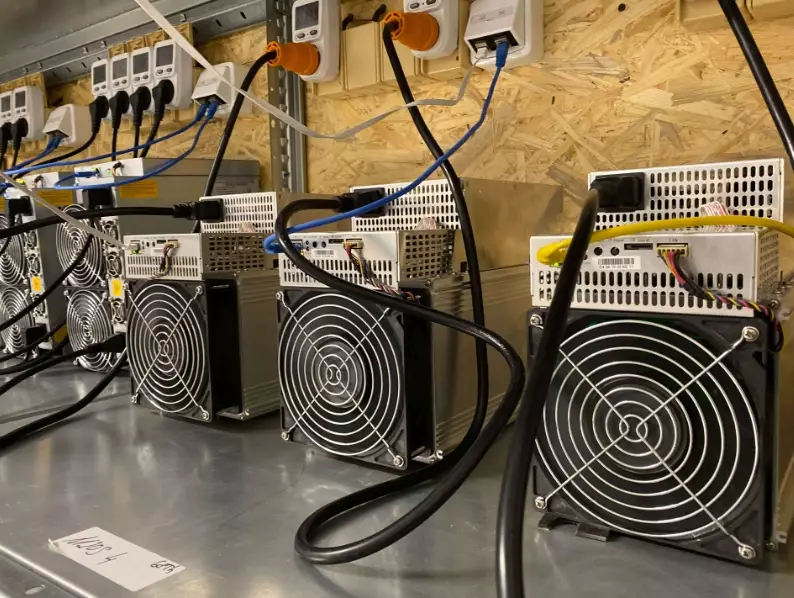
Choosing a pool is critical. Look at:
- Fee Structure: Most charge 1-3%. Lower isn't always better if the pool's infrastructure is unreliable.
- Payout Scheme: PPS (Pay Per Share) offers the most stable income. FPPS (Full Pay Per Share) includes transaction fees, which is now crucial post-Halving.
- Reliability & Reputation: Downtime at the pool level means no earnings for anyone. Stick with established names like Foundry USA Pool, Antpool, or ViaBTC.
- Minimum Payouts: Ensure the threshold is reasonable so you can access your earnings without waiting months.
I made the mistake of joining a small, "no-fee" pool early on. The operator disappeared with two weeks of accumulated earnings. Trust and track record matter more than saving 1%.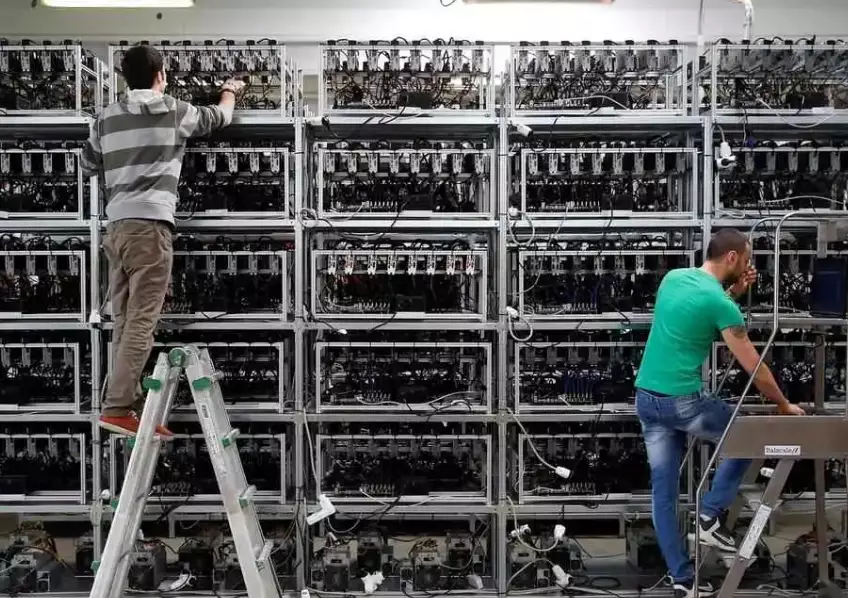
Running the Numbers: Your Pre-Purchase Profitability Checklist
Do not buy a miner until you've gone through this list. This is your reality filter.
- Find Your Electricity Rate: Look at your utility bill. It's in ¢/kWh. This is your most important number.
- Use a Profitability Calculator: Go to a site like WhatToMine or CryptoCompare. Input your electricity cost and a specific miner model (e.g., Antminer S19 XP).
- Analyze the Output: The calculator will show estimated daily profit/loss. Now, subtract 10-15%. Calculators use average metrics and don't account for pool fees, downtime, or heat-related efficiency loss.
- Calculate Payback Period: Divide the miner's cost by your adjusted daily profit. If it's over 24 months, the risk is very high. The hardware may be obsolete before it pays for itself.
- Consider the Bitcoin Price: Run the calculation again with a 30% lower Bitcoin price. If you're still profitable, your operation is robust. If not, you're making a highly leveraged bet on the price going up.
- Plan for the Halving (Already Done): Since the Halving just happened, your calculations must use the current 3.125 BTC block reward. Any guide using the old 6.25 BTC number is dangerously outdated.
Mining is not passive income. It's a technical, energy-intensive business with thin margins. Your edge doesn't come from luck; it comes from securing cheaper power than the other guy and operating more reliably.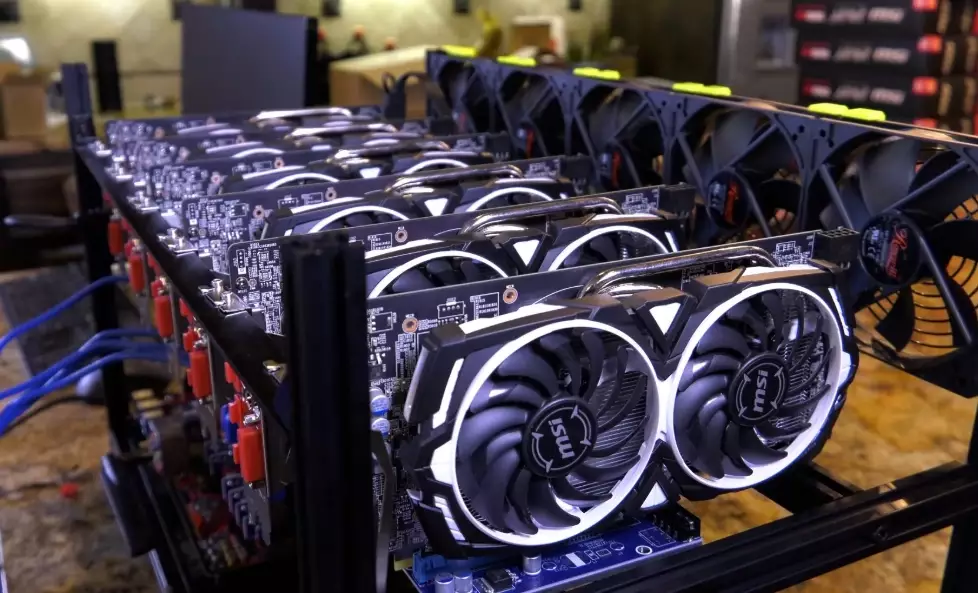
Reader Comments