You hear the term all the time. "We're in a bull market." The financial news anchors say it with a smile. But what does it actually mean for your money? It's not just a period where stocks go up. A bull market is a specific psychological and economic climate, a sustained wave of optimism that lifts most boats. It's where fortunes are built and, just as importantly, where expensive mistakes are made. I remember my first real bull market experience after the 2008 crisis. The slow, steady climb felt unreal, and the temptation to ditch my plan for the latest hot stock was a daily battle. Let's break down what's really happening when the bulls are running.
Your Quick Guide to Bull Markets
- Defining the Bull: The Official and Real-World Meaning
- How to Spot a Bull Market (Before It's Obvious)
- Lessons from History: Famous Bull Markets and Their Drivers
- How to Invest in a Bull Market: Strategies Beyond "Buy and Hope"
- The Psychology Trap: Why Smart People Make Dumb Moves in a Bull Market
- Is It Over? Recognizing the Signs of a Bull Market's End
- Your Bull Market Risk Management Checklist
Defining the Bull: The Official and Real-World Meaning
Technically, analysts define a bull market as a sustained increase of 20% or more in broad market indexes like the S&P 500 or Dow Jones Industrial Average, following a previous 20% decline (a bear market), and not followed by a 20% drop. The U.S. Securities and Exchange Commission's investor education materials reference this common threshold.
But that's just the scoreboard. The real essence is in the feeling.
A bull market is characterized by:
- Investor Confidence: People believe prices will keep rising. This belief becomes self-fulfilling for a time.
- Strong Economic Fundamentals: Often (but not always), you see low unemployment, growing corporate profits, and supportive government policies.
- High Trading Volume: More people are putting money to work.
- A "Buy the Dip" Mentality: Temporary pullbacks are seen as buying opportunities, not reasons to flee.
The opposite, a bear market, isn't just prices going down. It's a climate of pessimism, fear, and selling where rallies are mistrusted. Understanding this mood shift is more useful than memorizing percentages.
Key Insight: A common mistake is thinking a bull market means every stock goes up every day. It doesn't. Sectors rotate. There are corrections (drops of 5-10%). The overall trend is up, but the ride is never smooth. If you expect smooth, you'll get shaken out.
How to Spot a Bull Market (Before It's Obvious)
By the time the mainstream media declares a bull market, a big chunk of the gains have often already happened. You want to recognize the early signs. Look for these clues, often in combination:
- Market Breadth Strengthens: It's not just a few mega-cap tech stocks rising. More stocks are participating in the advance. You can check the advance-decline line.
- Leadership Changes: New sectors start to outperform. For example, after a recession, financials or industrials might lead as the economy recovers.
- Sentiment Shifts from Fear to Greed (Slowly): Surveys like the AAII Investor Sentiment Survey show bullishness rising from extreme lows. But be wary when it hits extreme highs.
- Economic "Green Shoots": You start seeing slightly better jobs data, improving manufacturing indexes (like the ISM PMI), or companies guiding earnings higher.
I missed some of these signals in early 2009, paralyzed by the fear of the recent crash. I waited for a "clear all-clear" signal that never comes. The best time to invest often feels like the worst time.
Lessons from History: Famous Bull Markets and Their Drivers
Every bull market has a story. Looking back teaches us about catalysts and, crucially, about human nature repeating itself.
| Period | Primary Driver / Narrative | S&P 500 Return* | Key Lesson |
|---|---|---|---|
| 1982-1987 | Falling interest rates, Reaganomics, the rise of the personal computer. | ~+229% | Power of monetary policy shifts and technological adoption. |
| 1990-2000 | The Dot-com bubble. Internet commercialization and irrational exuberance. | ~+417% | Narratives can disconnect from valuation fundamentals for a long time. |
| 2009-2020 | Post-financial crisis recovery, ultra-low interest rates, growth of FAANG stocks. | ~+400% | The longest bull run in history, driven by unprecedented monetary stimulus. Patience paid off enormously. |
*Returns are approximate and for illustrative purposes.
Notice a pattern? New technology, changes in government policy, and shifts in the cost of money are frequent catalysts. The lesson isn't to predict the next catalyst, but to understand that markets move in long cycles driven by big, slow-moving forces.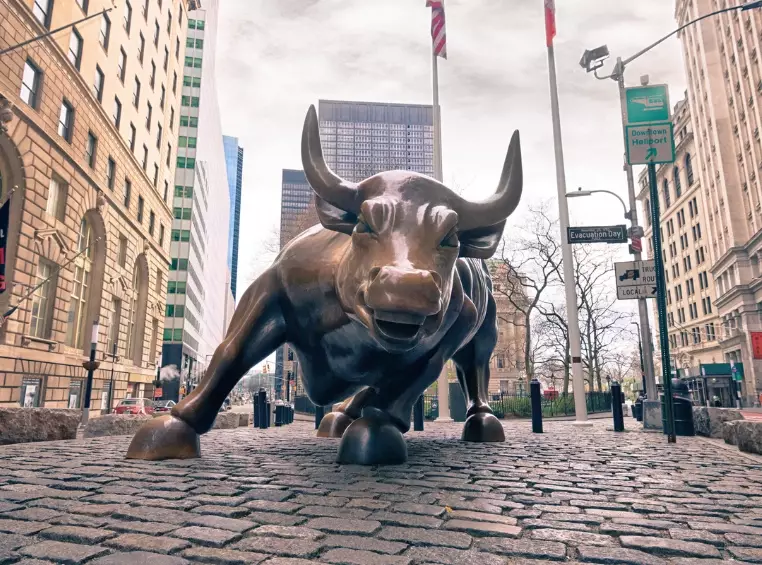
How to Invest in a Bull Market: Strategies Beyond "Buy and Hope"
"Just buy an index fund" is good advice, but it's incomplete. How you behave within that strategy matters.
For the Hands-Off Investor
Dollar-Cost Averaging (DCA) is your best friend. Automate investments into a broad-market ETF (like one tracking the S&P 500) every month. This removes emotion. You buy fewer shares when prices are high, more when they dip. It's boring and brutally effective. Set it up and focus on your day job.
For the Engaged Investor
You can tilt your portfolio, but do it with rules.
- Sector Rotation: Early bull markets often see leadership from cyclicals (finance, industrials, materials). Later stages might see technology or consumer discretionary take over. Don't chase yesterday's winner.
- Quality Over Hype: It's tempting to buy the most talked-about, volatile stock. Instead, screen for companies with strong balance sheets (low debt), growing earnings, and competitive advantages. Resources like the Investopedia term glossaries can help you understand these metrics.
- Have a Sell Discipline: Decide in advance what will make you sell. Is it a specific price target? A breakdown of a key trend line? A change in the company's fundamentals? Write it down. Without a plan, greed will dictate your exit, usually too late.
The Psychology Trap: Why Smart People Make Dumb Moves in a Bull Market
This is where most money is lost. Not in the inevitable bear market, but in the mistakes made during the bull.
FOMO (Fear Of Missing Out): You see friends posting gains. You feel stupid for being cautious. You jump into an overvalued asset just as it peaks. I've been there.
Overconfidence: A few winning trades convince you you're a genius. You increase your risk, use leverage, and abandon your diversified plan. This sets you up for a wipeout.
Anchoring to Past Prices: "I'll buy Amazon when it gets back to $X." It never does, and you miss the entire move. Or, "My stock is down 50% from its high, it's a bargain!" without checking if the story is broken.
The antidote? A written investment policy statement. It sounds corporate, but it's just a one-page document that states your goals, risk tolerance, asset allocation, and rules. When emotion hits, you read the document you wrote when you were calm.
Is It Over? Recognizing the Signs of a Bull Market's End
Nobody rings a bell at the top. But the environment changes. Watch for:
- Excessive Speculation: IPO mania for companies with no profits, or crazy valuations in speculative assets (think crypto mania periods).
- Key Economic Indicators Rolling Over: The yield curve inverts (a reliable recession predictor noted by the Federal Reserve research), housing starts decline, corporate profit growth stalls.
- Market Leadership Narrowing: Only a handful of stocks are holding the index up. The broad market weakens.
- Sentiment Extremes: When everyone is universally bullish—your barber, your uncle, social media influencers—it often means most available money is already invested. There's no one left to buy.
The end is usually a process, not an event. Volatility increases. Rallies fail. The news is still good, but the market stops going up. That's the warning.
Your Bull Market Risk Management Checklist
Before you make another move, run through this list:
- Rebalance Your Portfolio: If your target was 60% stocks and bull market gains have pushed it to 75%, sell some stocks to buy bonds. This forces you to sell high and buys dry powder for the next downturn.
- Review Your Emergency Fund: Is it still 6-12 months of expenses in cash? Good. Never invest this money.
- Check Your Time Horizon: Money you need in the next 3-5 years shouldn't be in stocks, bull market or not.
- Turn Off the Noise: Limit checking your portfolio to once a quarter. Constant monitoring leads to impulsive decisions.
- Define Your "Why": Is this money for retirement in 20 years? A house in 10? Your strategy changes based on the answer. A long-term goal can ignore a lot of short-term noise.
A bull market is a gift for the disciplined investor. It's not a time to abandon strategy, but to execute it with calm precision. The goal isn't to capture every last dollar of gain, but to build sustainable wealth while managing the very real risks that come with euphoria.
Reader Comments