Let's start with a simple observation. On cold days, I tend to see two things: more people buying hot coffee and more people wearing thick coats. The temperature drops, coffee sales go up, and puffer jacket sightings increase. That's positive correlation in action. It's not about one causing the other (the coffee shop isn't making it colder), but about them moving in the same direction. Understanding this simple concept has saved me from costly mistakes in investing and helped me make better business choices. It's a fundamental lens for viewing the world, yet most explanations get lost in textbook jargon. Let's fix that.
Quick Navigation: What You'll Learn
What Exactly Is Positive Correlation?
In plain English, a positive correlation exists when two variables tend to move in the same direction. As one goes up, the other goes up. As one goes down, the other goes down. The strength of this relationship is measured by a correlation coefficient, which ranges from 0 to +1. A zero means no relationship. A +1 means a perfect lockstep movement.
Most resources, like the clear definition from Investopedia, stop there. But the real insight is in the shades of gray.
I remember analyzing two tech stocks years ago. Their stock charts looked identical, with a correlation above +0.95. My initial thought was "golden pair." The truth was less exciting—they were both just tightly following the NASDAQ index. The correlation was real, but it wasn't a unique relationship I could trade on. It was a common driver (the overall market) influencing both.
Positive Correlation in the Real World: Beyond the Textbook
Forget the abstract. Let's look at where you actually encounter this.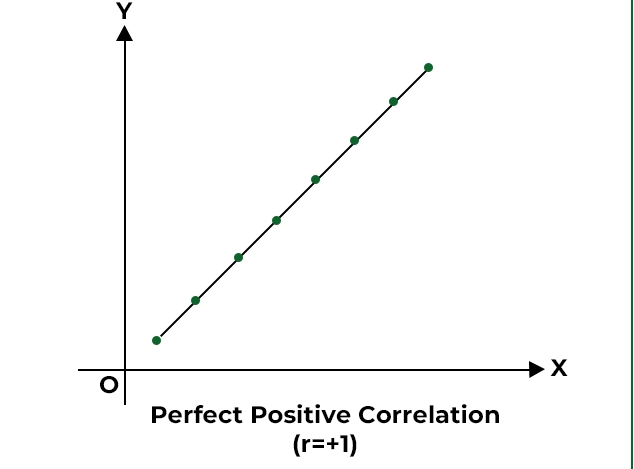
In Your Investment Portfolio
This is where it gets critical. Many investors think they're diversified because they own 20 different stocks. But if all those stocks are in the same sector (e.g., technology), they likely have a high positive correlation. When the tech sector sneezes, your entire portfolio catches a cold. True diversification seeks assets with low or negative correlation. Bonds and stocks, for instance, have historically had periods of low or even negative correlation.
In Business and Marketing
Marketing teams live and die by correlation. They might find a strong positive correlation between social media engagement (likes, shares) and website sales. Or between the length of a free trial and customer conversion rates. The crucial step they often miss? Figuring out why. Does engagement cause sales, or do people who are about to buy simply engage more? Untangling that is the hard part.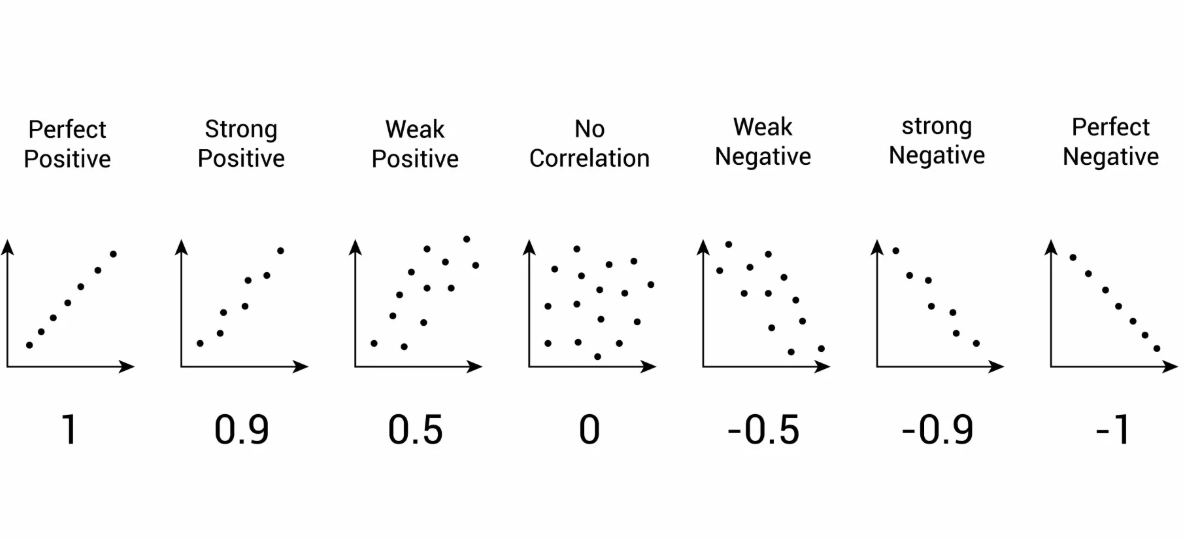
In Everyday Life & Health
Public health data is full of correlations. Studies from sources like the CDC often show a positive correlation between education level and life expectancy. Or between physical activity and mental wellbeing. These are statistical relationships observed across populations. They guide policy and personal choices, but they don't guarantee outcomes for every individual.
Here’s a table breaking down common examples by context:
| Context | Variable A | Variable B | Nature of Correlation | Important Caveat |
|---|---|---|---|---|
| Finance | Interest Rates | Bond Yields | Strong Positive | Driven by central bank policy, nearly causal. |
| Retail | Advertising Spend | Brand Searches | Moderate to Strong Positive | Confounded by seasonality (e.g., holiday spend). |
| Health | Weekly Exercise Hours | Cardiovascular Fitness | Strong Positive | Has a direct causal link, but genetics are a lurking variable. |
| Economics | GDP Growth | Employment Rate | Positive (Lagging) | Employment often lags behind GDP recovery (see BLS data). |
How to Use Positive Correlation (Without Getting Fooled)
Spotting a correlation is step one. Using it wisely is where expertise comes in. Here's a framework I've developed over time.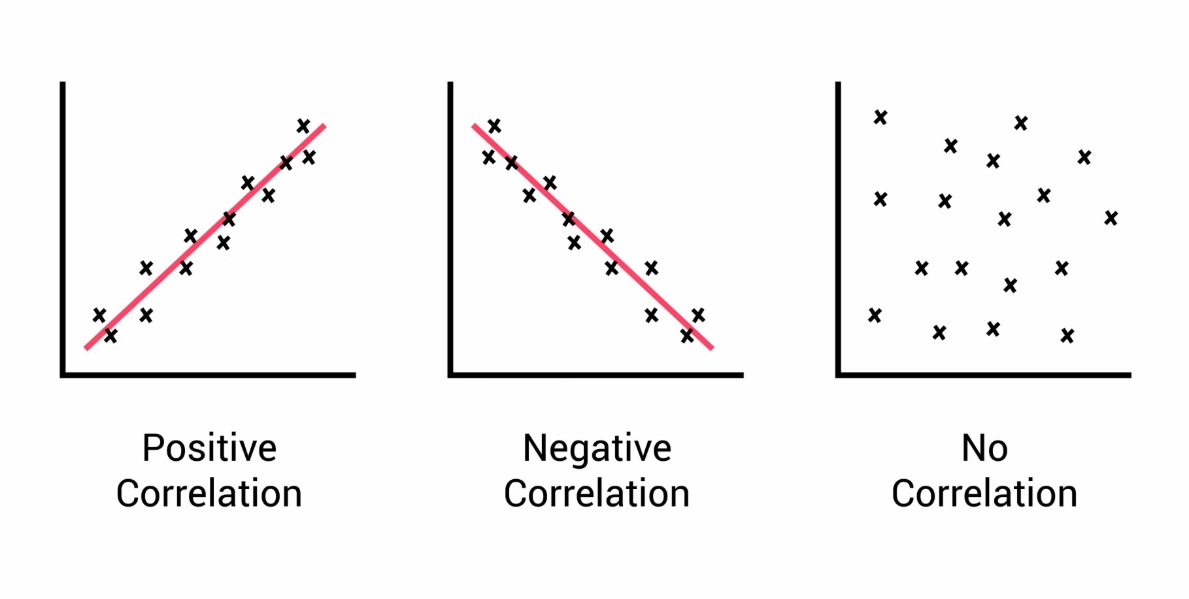
First, quantify it. Don't just go with a gut feeling that "they seem to move together." Use a simple spreadsheet function (=CORREL in Excel/Sheets) on historical data. Get that number.
Second, visualize it. Plot a scatter plot. Seeing the data points spread out is more revealing than any single number. You might spot that the correlation is strong in one market regime (e.g., a bull market) and disappears in another (a crash). This is a nuance most automated analysis misses.
Third, hunt for the third factor. This is the most common error of amateurs. Two things moving together might both be dancing to the tune of a hidden third variable. Ice cream sales and drowning incidents are positively correlated. The hidden third factor? Hot summer weather. More people swim and buy ice cream. Ice cream doesn't cause drowning.
In investing, many "hot" stocks correlate because they're all being swept up by the same market sentiment or sector ETF flows. The correlation is real, but the moment that tide turns, the relationship can break down violently.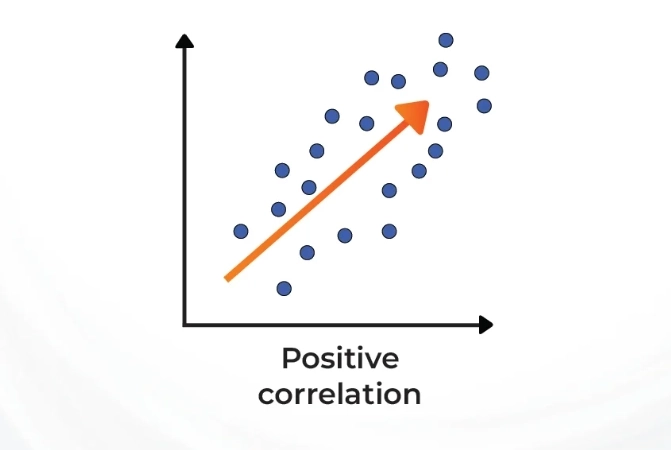
The Correlation Trap: Common Pitfalls to Avoid
I've seen smart people make expensive mistakes here. Let's list the traps.
- Assuming Causation: The classic error. Correlation is a suggestion, causation is a proven mechanism. You need a controlled experiment or a very strong logical pathway to claim cause.
- Ignoring Outliers: One extreme event can distort a correlation coefficient. Remove the 2008 financial crisis data, and many historical market correlations look different.
- Overfitting on Short Data: Finding a spurious correlation in a small, specific dataset. You can find a positive correlation between the number of Nicolas Cage films released and swimming pool drownings if you try hard enough. It's nonsense.
- Forgetting Non-Linearity: The relationship might be positive up to a point, then flatten or reverse. More study hours improve test scores, but after 40 hours a week, exhaustion sets in and the correlation breaks down.
The goal isn't to dismiss correlation, but to respect its power and its limitations.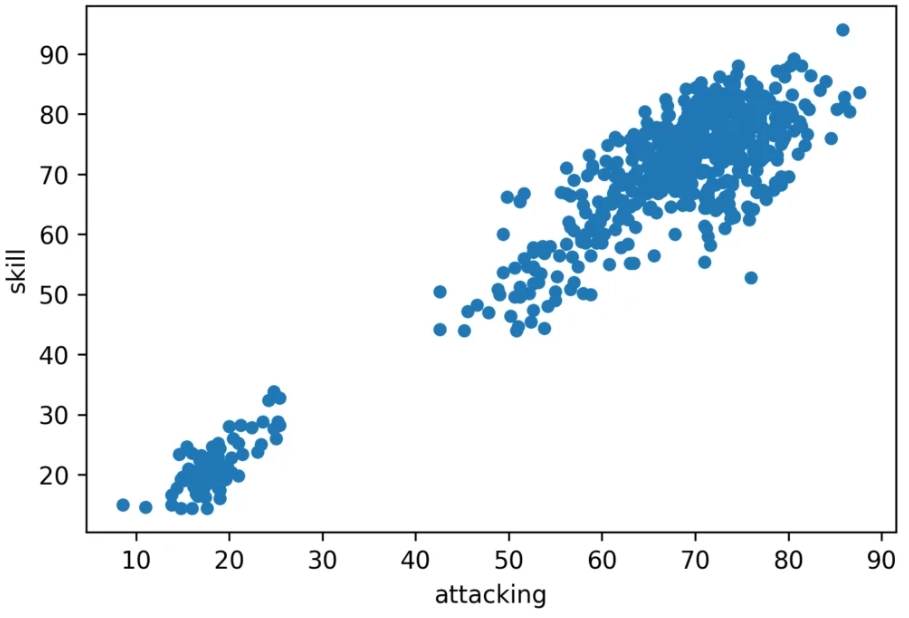
Reader Comments