Jump Straight to What Matters
Let's be honest. Most articles on customer relationship management are fluff. They repeat the same buzzwords—"360-degree view," "customer-centric"—without telling you how to make it work. I've spent over a decade implementing CRM systems for businesses, from solo freelancers to Fortune 500 companies. The truth? CRM isn't about technology; it's about changing how your team thinks. If you're ready to move beyond theory, this guide will give you the actionable steps, real examples, and hard-earned lessons you need to transform customer relationships into revenue.
What CRM Really Is (Beyond the Software)
Customer relationship management is often reduced to a tool you buy. That's a mistake. At its heart, CRM is a strategy to organize every interaction with your customers, from the first email to post-sale support. It's the system that ensures when a customer calls, you know their history, preferences, and past issues without asking.
I worked with a boutique marketing agency that treated their CRM as a glorified address book. They'd log contacts but never analyze patterns. When we dug in, we found that 70% of their referrals came from just three client types. By focusing CRM efforts on those segments, they doubled referrals in a quarter. The software was just the enabler; the strategy drove results.
Think of CRM as your business's memory. Without it, you're starting from scratch with every customer. And in today's market, that's a fast track to irrelevance.
Why CRM is Non-Negotiable for Business Survival
Why should you care? Because customers now expect personalization. A Salesforce report shows that 76% of consumers expect companies to understand their needs. CRM makes that possible. But it's not just about keeping up—it's about profiting.
Consider this: businesses using CRM effectively see sales increase by up to 29%, according to Salesforce research. More than that, it slashes costs. I helped a mid-sized retailer reduce customer service call times by 40% by integrating their CRM with support tickets. Agents had instant access to order history, so they solved issues faster.
Here's a subtle point everyone misses. CRM isn't just for external customers. It's for internal alignment. When sales, marketing, and support share data, you stop sending conflicting messages. I've seen companies where marketing promised one thing, but sales sold another. Chaos. A unified CRM fixes that.
Choosing the Right CRM: A No-BS Comparison
The market is flooded with options. Picking one feels like gambling. But after testing dozens, I've found that the best CRM matches your team's workflow, not the other way around. Start by asking: Are we sales-driven, service-focused, or marketing-heavy?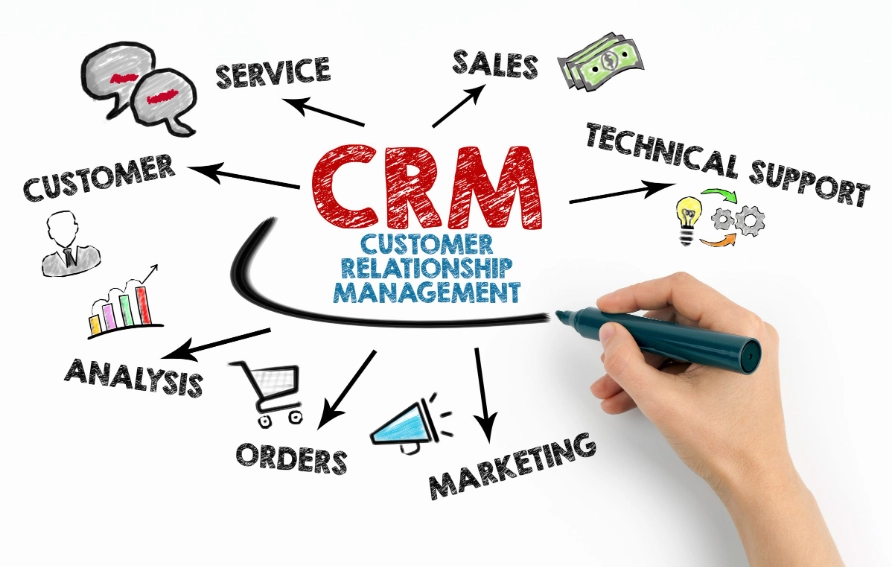
Forget the Hype: Features That Actually Matter
Don't get distracted by AI bells and whistles. Core features are king: contact management, lead tracking, email integration, and mobile access. Reporting is crucial—you need to see pipeline health at a glance. I've watched businesses pay for advanced analytics they never use. Start simple.
Integration capability is non-negotiable. Your CRM should talk to your email, calendar, and accounting software. If it doesn't, you'll waste hours on manual entry. Trust me, I've cleaned up those messes.
CRM Platforms Side-by-Side: Real-World Fit
Here's a comparison based on hands-on use, not marketing specs. Prices are approximate—always check official sites for updates.
| Platform | Best For | Starting Price (Per User/Month) | Key Strength | Biggest Drawback |
|---|---|---|---|---|
| Salesforce | Large enterprises needing customization | $25 | Scalability and ecosystem | Steep learning curve; can get expensive fast |
| HubSpot CRM | Small to medium businesses, especially beginners | Free, paid from $45 | Ease of use and marketing tools | Advanced features require higher-tier plans |
| Zoho CRM | Budget-conscious teams wanting value | $12 | Affordability with decent features | Interface feels clunky compared to others |
| Freshsales | Sales teams focused on automation | $15 | AI-powered lead scoring and email tracking | Less robust on customer service side |
| Pipedrive | Visual sales pipeline management | $14.90 | Intuitive pipeline view for sales reps | Limited marketing automation |
My go-to for most small businesses? HubSpot's free tier. It lets you test the waters without commitment. But if you're heavy on sales, Pipedrive's visual pipeline is a game-changer.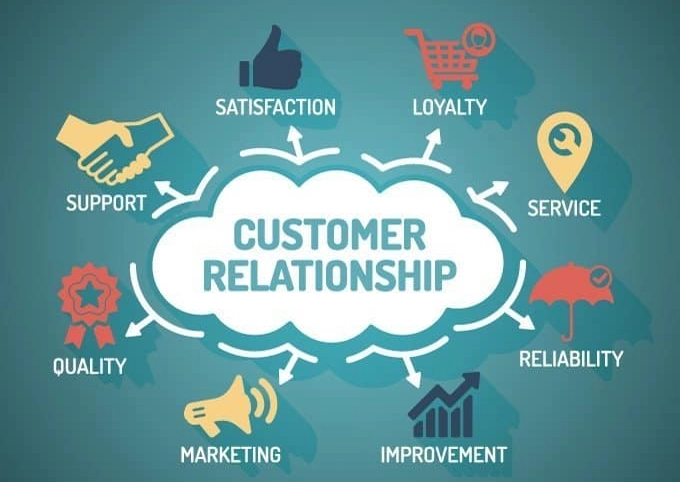
How to Implement CRM Without Losing Your Mind
Buying CRM is easy. Making it stick is where 70% of projects fail. Here's a step-by-step guide I've refined over years of trial and error.
- Define Clear, Measurable Goals: Don't say "improve customer service." Say "reduce average response time to under 2 hours" or "increase upsell rate by 15%." Vague goals lead to vague results.
- Clean Your Data Before Migration: This is the most painful step, but skip it at your peril. I once spent two weeks removing duplicates for a client. Use tools like Deduple.io or built-in cleaners. Start fresh.
- Involve Your Team From Day One: If you impose CRM from the top, they'll resist. Run workshops. Let sales reps suggest fields they need. One client let their support team design the ticket categories—adoption soared.
- Start with a Pilot Group: Roll out to one department, like sales, for a month. Gather feedback, fix issues, then expand. This prevents company-wide meltdowns.
- Train, Then Train Again: Don't just do one session. Schedule follow-ups after two weeks. Use real scenarios: "How do you log a lost deal?" I create cheat sheets—simple, one-page guides.
- Monitor Usage Relentlessly: Check login rates and data entry quality. If people aren't using it, find out why. Often, it's a small tweak, like simplifying a form.

Pitfalls You Must Avoid (From My Mistakes)
I've seen these kill CRM projects repeatedly.
Over-customization: A manufacturing client customized every field until the system was unrecognizable. Users got confused. We stripped it back to basics, and productivity jumped. Customize only when necessary.
Ignoring Mobile Experience: In 2024, if your CRM isn't mobile-friendly, field reps won't use it. Test on phones before buying.
Treating It as an IT Project: CRM is a business strategy. IT sets it up, but managers must drive adoption. I assign "CRM champions" in each team—people who get extra training and motivate others.
Let me share a quick story. A restaurant chain wanted CRM for loyalty programs. They chose a complex system, but staff found it too slow during peak hours. We switched to a simpler app with offline mode. Lesson: match the tool to the environment.
CRM Best Practices That Actually Work
Once CRM is running, these practices keep it effective. They're not from a textbook; they're from the trenches.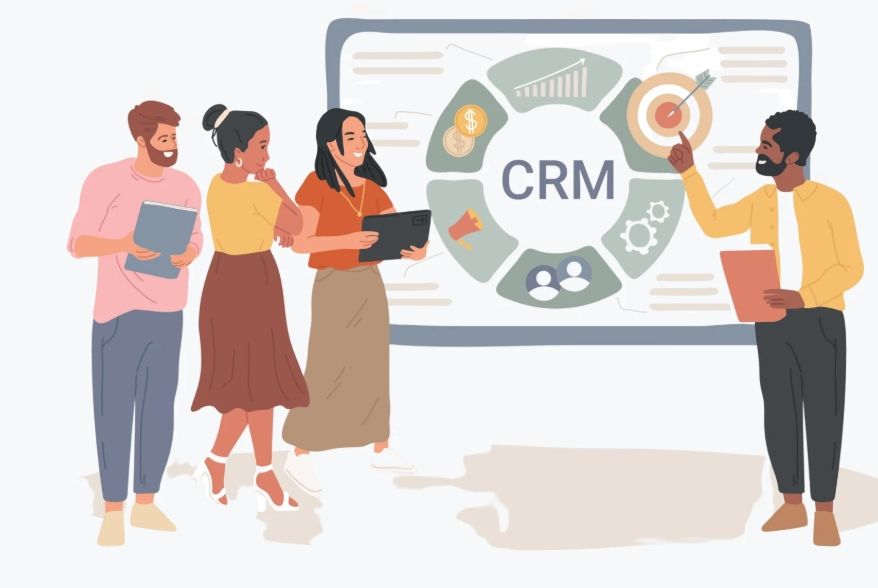
Regular Data Hygiene: Schedule a monthly "data cleanup" hour. Remove outdated contacts, merge duplicates. I set calendar reminders for clients—it prevents decay.
Automate, But Keep Humanity: Use workflows for tasks like follow-up emails or ticket assignment. But don't automate everything. A personal touch still matters. One e-commerce store automated thank-you emails but added a handwritten note for big orders. Customers loved it.
Map Customer Journeys: Draw out how customers move from awareness to purchase to support. Identify drop-off points. Tools like HubSpot's journey analytics help, but even a whiteboard session works. I did this with a SaaS company and found that leads stalled at the demo request stage. They added a CRM trigger for immediate follow-up, and conversions rose 22%.
Leverage AI Wisely: AI in CRM is hot, but don't use it just for show. Use it for predictive lead scoring (prioritizing hot leads) or sentiment analysis in support chats. According to Gartner, AI-driven CRM can boost sales productivity by 15%. But test it—some AI features are still gimmicky.
Foster Cross-Team Collaboration: Break down silos. Have sales share notes with support in the CRM. At a tech firm I advised, marketing used CRM data to tailor campaigns, which increased lead quality by 30%.
Remember, CRM isn't static. Review your strategy quarterly. Ask: Is this still serving our goals? If not, pivot.
Reader Comments