What’s Inside
- The Different Flavors of Embargoes: It's Not Just One Thing
- Why Do Countries Even Bother? The Goals Behind the Policy
- Famous Embargoes in the Wild: Case Studies
- The Ripple Effects: Who Really Gets Hurt?
- Navigating the Maze: What If Your Business Gets Caught in One?
- The Big, Uncomfortable Questions (FAQ)
- Wrapping It Up: The Takeaway on What an Embargo Is
Let's cut right to the chase. You've probably heard the term thrown around on the news – "The U.S. imposed an embargo," "The UN voted for an embargo." It sounds serious, official, and maybe a bit confusing. What does it actually mean for a country to be under an embargo? And more importantly, what is an embargo in practical terms that affect real people and businesses? That's what we're going to unpack here, without the political jargon.
At its core, an embargo is a government order that restricts commerce or exchange with a specific country or group of countries. Think of it as an economic and trade quarantine. It's a tool nations use to try and force a change in behavior without resorting to direct military conflict. The goal is to apply pressure by cutting off the target's access to goods, technology, money, or services.
I remember first really thinking about this during the early 2010s news cycles. It seemed like a blunt instrument. Does it even work? We'll get to that. But first, you need to understand that "what is an embargo" isn't a one-size-fits-all answer. There are layers to it.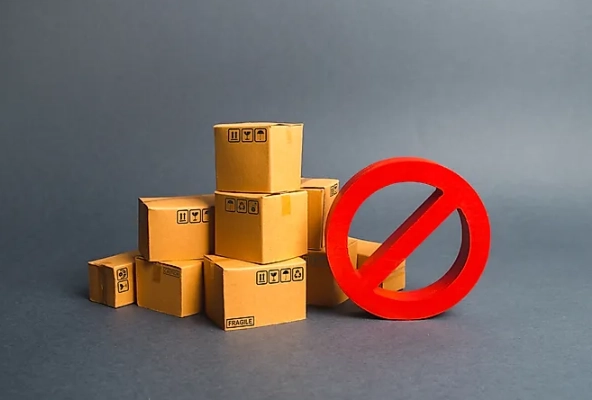
The Different Flavors of Embargoes: It's Not Just One Thing
Calling something "an embargo" is like saying "vehicle." It's a category. A scooter and a semi-truck are both vehicles, but they're wildly different. Same here. Governments can pick and choose what to restrict based on what they think will hurt the most (or what causes the least blowback for themselves).
The Main Types You'll Encounter
Here’s a breakdown of the most common forms an embargo can take. This table should make it clearer than a wall of text.
| Type of Embargo | What It Restricts | Real-World Goal | Complexity & Impact |
|---|---|---|---|
| Trade Embargo | General imports and/or exports of goods. | To cripple the target's general economy and access to everyday products. | High impact, but often broad and can hurt civilians disproportionately. Hard to enforce fully. |
| Arms Embargo | The sale, transfer, or provision of weapons, ammunition, and military technology. | To limit a regime's ability to wage war or suppress its people internally. | Very common. Often mandated by the UN. Enforcement is a constant cat-and-mouse game with smugglers. |
| Oil/Gas Embargo | Imports or exports of petroleum and natural gas. | To target a country's major revenue source or its energy-dependent industries. | Extremely potent if the target is a major exporter (hits revenue) or importer (cripples industry). |
| Financial Embargo | Access to international banking systems, asset freezes, investment bans. | To freeze regimes and elites out of the global financial system, making it hard to move money. | Highly targeted (in theory). Can be very effective on modern, connected economies. A favorite modern tool. |
| Diplomatic Embargo | Formal diplomatic relations, expelling ambassadors, closing embassies. | To signal extreme disapproval and isolate a country politically. | Mostly symbolic, but sets the stage for other, more concrete measures. |
You'll notice most modern embargoes are a mix. It's rare to see a pure, total embargo anymore (like the U.S. had on Cuba for decades). The trend is toward "smart sanctions" or targeted embargoes aimed at regimes and elites, trying to spare the general population. The effectiveness of that is... debatable, in my opinion.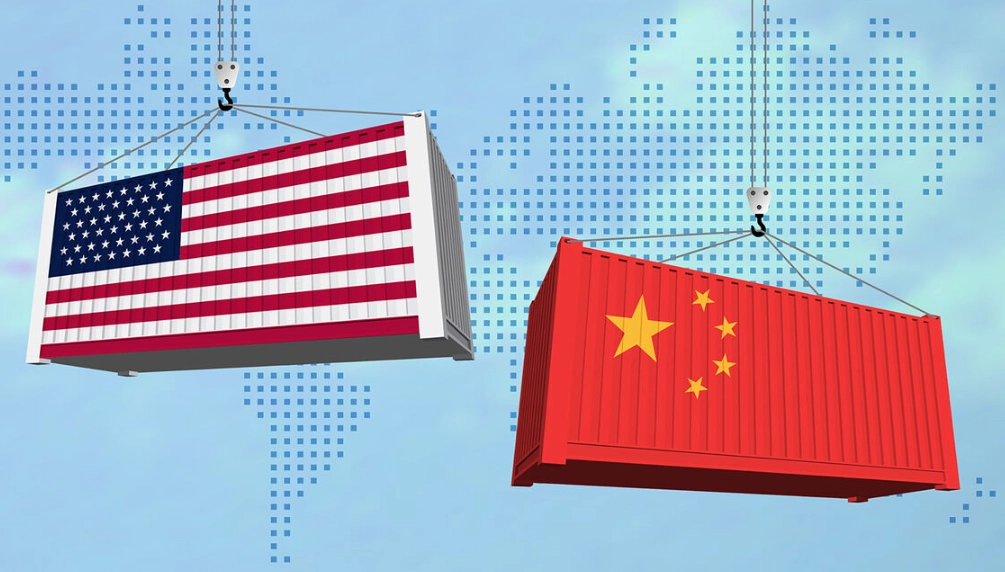
Here's the thing governments don't always say out loud: A total embargo is a messy, often cruel tool. It's like using a flamethrower to kill a wasp nest on your porch. You might get the wasps, but you're definitely burning the porch down. The civilian population always feels the heat first and hardest.
Why Do Countries Even Bother? The Goals Behind the Policy
So if embargoes are so problematic, why are they used so often? The rationale usually falls into a few buckets:
- To Coerce Policy Change: This is the big one. The imposing country wants the target to stop doing something – developing nuclear weapons, invading a neighbor, human rights abuses. The idea is that economic pain will lead to political reconsideration.
- To Contain a Threat: Sometimes the goal isn't to change behavior but to weaken a rival so they can't project power or threaten others. Limiting access to arms or dual-use technology fits here.
- To Punish or Express Disapproval: It's a political signal, often to a domestic audience as much as an international one. It says, "We are doing something."
- To Support International Law: When mandated by the United Nations Security Council, an embargo is framed as upholding the international order. You can read about the legal framework for UN sanctions and embargoes on the UN Security Council Sanctions page.
But let's be real. The gap between the goal and the outcome can be a canyon. A regime under pressure often tightens its grip, blaming external enemies for hardship. The population suffers, the elite find ways around it, and the desired change may never come. It's a foreign policy tool with a very mixed track record.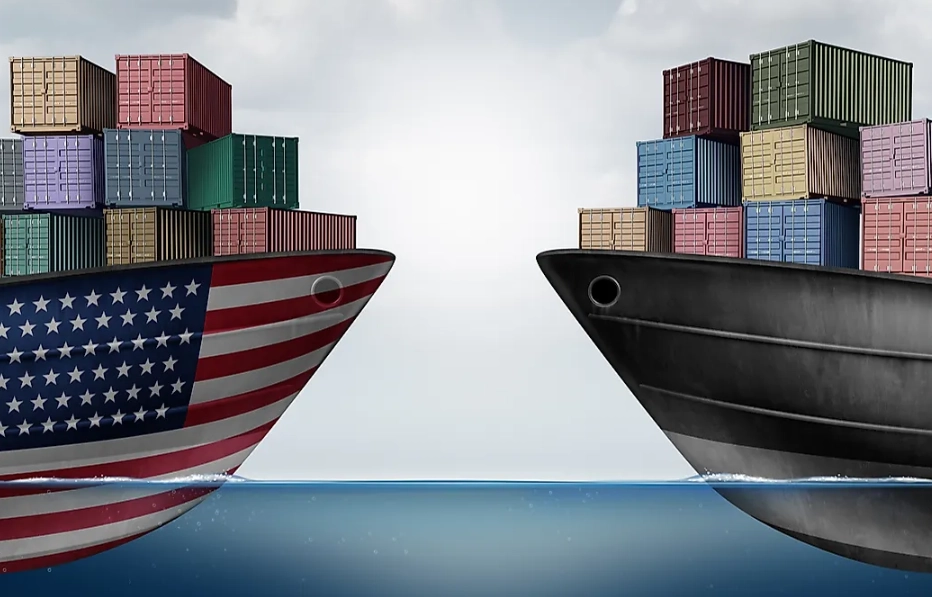
Famous Embargoes in the Wild: Case Studies
To truly understand what an embargo is, you need to see it in action. Theory is fine, but history gives us the messy details.
The U.S. Embargo on Cuba: The Longest-Running Example
Initiated in 1960 and strengthened in 1962, this is perhaps the most famous comprehensive trade embargo. It banned nearly all trade and financial transactions between the U.S. and Cuba. For decades, answering "what is an embargo?" meant pointing to Cuba.
What happened? Cuba's economy was severely constrained. Shortages were common. But the Castro regime didn't fall. Instead, it solidified a narrative of defiance against American imperialism. The embargo caused immense hardship for Cubans but failed to achieve its primary political objective for over 50 years. It also created strange loopholes and a vibrant black market. The U.S. Department of the Treasury's Office of Foreign Assets Control (OFAC) maintains the details and updates on the Cuba sanctions program.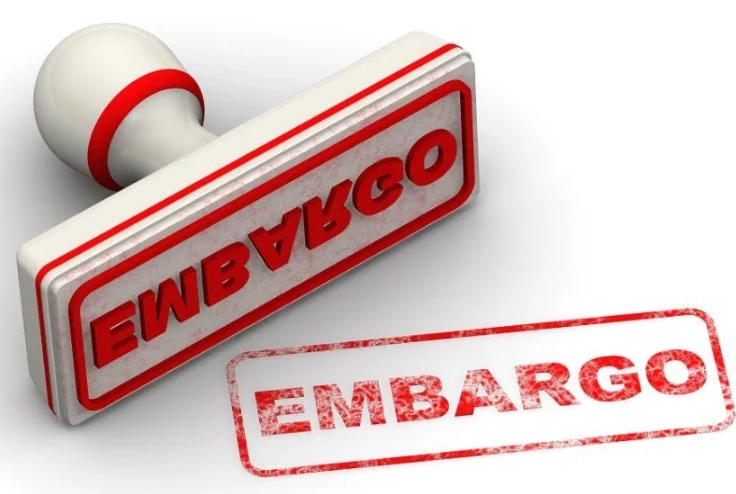
I spoke with an academic who studied this for years. His take was blunt: "The Cuban embargo became a fossil. It stopped being a dynamic policy tool and turned into a political symbol, untouchable for domestic reasons in the U.S., long after its strategic rationale had evaporated." That stuck with me. It shows how these things can take on a life of their own.
UN Arms Embargo on Iran
This has been a rotating door of sanctions and embargoes, often centered on arms and nuclear technology. The goal was to halt Iran's nuclear program.
The twist? It demonstrated how targeted, multilateral embargoes can have more bite. Coupled with financial sanctions, it brought Iran to the negotiating table, leading to the 2015 nuclear deal (JCPOA). Of course, politics changed, the U.S. pulled out, and sanctions snapped back. It's a case study in how fragile the outcomes can be. The BBC has a decent timeline on the history of Iran sanctions that shows this rollercoaster.
The 2022+ Embargoes on Russia
This is the modern textbook example. Following the invasion of Ukraine, a coalition of countries (led by the U.S., EU, UK, Japan, etc.) didn't declare one single "embargo." Instead, they launched a massive, coordinated campaign of them:
- Financial Embargo: Freezing Central Bank assets, cutting off banks from SWIFT.
- Technology Embargo: Banning exports of semiconductors, software, and other high-tech goods critical for industry and weapons.
- Energy Embargo: The EU phased out imports of Russian oil and gas.
- Individual Sanctions: Asset freezes and travel bans on oligarchs and officials.
This is the "smart sanctions" approach on a massive scale. The aim is to cripple Russia's war machine and long-term economic capacity without causing a global famine (by carefully exempting food and fertilizer exports). The results are still unfolding, but it shows how the answer to "what is an embargo" in the 2020s is about a tailored, multi-pronged economic attack.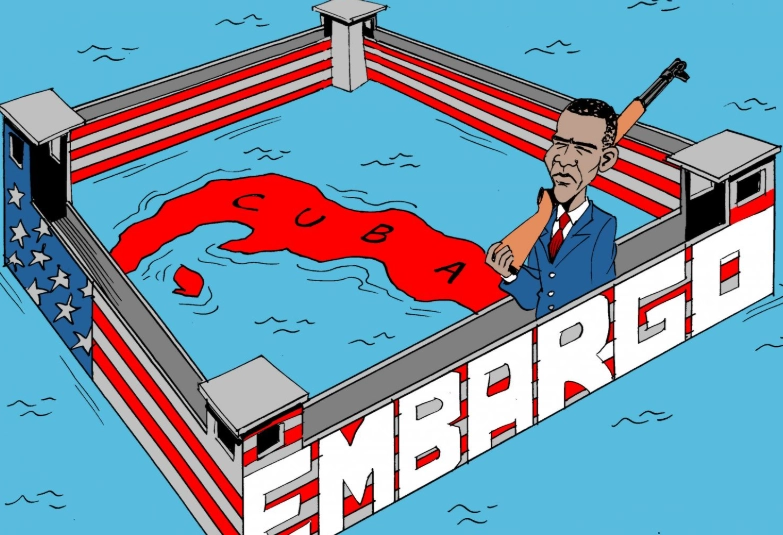
The Ripple Effects: Who Really Gets Hurt?
This is the part that often gets glossed over. When you impose an embargo, the effects don't stay neatly within the borders of the target country.
The Domino Effect:
- On the Target's Civilians: This is the most direct and often tragic effect. Scarcity drives up prices. Medicine, food, and spare parts become luxury items. The average person's life gets much harder.
- On Neighboring Countries: Smuggling networks boom. Refugees might flee economic collapse. Regional trade gets disrupted.
- On Global Markets: An embargo on a major commodity exporter (like Russia with gas or OPEC with oil) sends shockwaves through global prices. Everyone feels it at the pump or in their heating bill.
- On Businesses in the Imposing Country: Farmers who lost the Cuban market, aerospace companies that can't sell to China, energy firms that have to find new suppliers – they pay an economic price. Lobbying for exemptions becomes a big industry in Washington and Brussels.
So when you ask what is an embargo, you also have to ask: what is its cost, and who pays it? The calculus is never simple.
Navigating the Maze: What If Your Business Gets Caught in One?
This is a real, practical headache. Say you run an import/export business, or you're in tech, or finance. An embargo gets declared on a country you deal with. Now what?
Panic is not a strategy.
Here's a basic survival checklist, drawn from conversations with compliance officers:
- Immediate Freeze: Stop all transactions and shipments to/from the target country. Immediately. The penalties for violation are severe – massive fines and even criminal charges.
- Decode the Order: Embargo orders are legal documents. They specify exactly what is banned. Is it all goods? Just military items? Only transactions with certain state-owned companies? The U.S. OFAC lists and the EU's sanctions lists are the bibles here. Read them.
- Check for Grandfather Clauses: Sometimes contracts signed before the embargo date are allowed to be fulfilled. Don't assume.
- Beware of Transshipment: This is the big trap. You can't sell to Company A in Country B if you know the goods are ultimately going to Embargoed Country C. Due diligence on your customers' customers is now part of your job.
- Get Legal/Compliance Help: This is not a DIY moment. The rules are complex and changing. Professional advice is worth every penny to avoid catastrophic fines.
The World Trade Organization (WTO) has resources on how trade restrictions fit (or often conflict) with international trade rules, which can be useful context. You can find some of their analysis on trade facilitation and policy.
The Big, Uncomfortable Questions (FAQ)
Your Embargo Questions, Answered Straight
- Containing a threat (slowing weapons programs).
- Raising the cost of bad behavior for a regime.
- Serving as a symbolic act of international condemnation.
Their success depends hugely on being multilateral (many countries joining) and on the target's economic vulnerability.
After all this, my own conclusion is that an embargo is less a surgical scalpel and more a weather system. It creates a prevailing wind of restriction, but rain (trade) still finds a way through the cracks. It shapes the landscape—often harshly—but rarely erases it completely.
Wrapping It Up: The Takeaway on What an Embargo Is
So, what is an embargo? It's a powerful, imperfect, and often tragic tool of statecraft. It's a declaration that normal economic relations are suspended in an attempt to achieve a political goal. From the comprehensive blockade of Cuba to the targeted tech bans on Russia, its form evolves, but its essence remains: the use of economic isolation as a weapon.
Understanding what an embargo means requires looking past the headlines. It means considering the suffering of civilians caught in the middle, the frantic compliance meetings in corporate boardrooms, the smugglers finding new routes, and the politicians weighing symbolic action against practical effect.
They are a fact of our geopolitical life.
The next time you hear "embargo" in the news, you'll know it's not just a word. It's a complex web of legal restrictions, human stories, economic shocks, and high-stakes diplomacy. And hopefully, this guide has given you the map to understand that web.
Reader Comments