Quick Guide
- What Exactly is Cash on Delivery (COD)?
- The Big Question: Why Do People Still Choose COD?
- The Not-So-Hidden Costs and Drawbacks of COD
- A Step-by-Step Guide to a Smooth COD Transaction
- How Does Cash on Delivery Stack Up Against Other Options?
- Essential Safety Tips for Using Cash on Delivery
- Is Cash on Delivery Dying? The Future of Pay-on-Delivery
- Your Cash on Delivery Questions, Answered
- The Final Verdict on Paying Upon Delivery
Let's talk about cash on delivery. You know, that option you see at checkout sometimes that lets you pay the delivery guy in cash when your stuff shows up at your door. It sounds simple, right? No need to type in your credit card number online. Just hand over the cash and get your package. But is it really that straightforward?
I remember ordering a set of kitchen knives a few years back and choosing COD because the website looked a bit… sketchy. The delivery day came, and I had to scramble to find exact change because the guy didn't have any. It was a hassle. That experience got me thinking – when does cash on delivery make sense, and when is it more trouble than it's worth?
This guide is for anyone who's ever hovered over that "pay on delivery" button and wondered what they're really signing up for. We're going to peel back the layers on this payment method that's stuck around since the mail-order catalog days. Is it a security blanket for wary shoppers, or a relic that needs to be retired?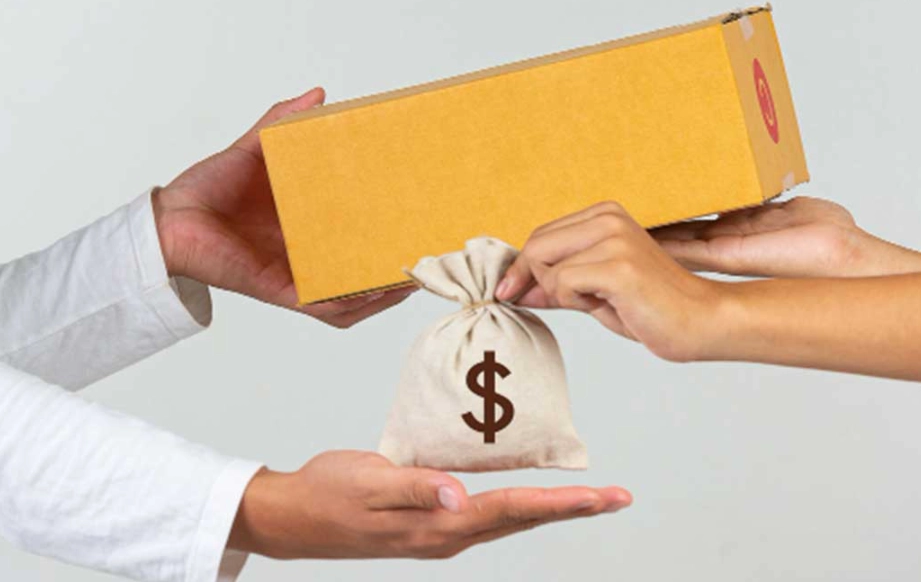
What Exactly is Cash on Delivery (COD)?
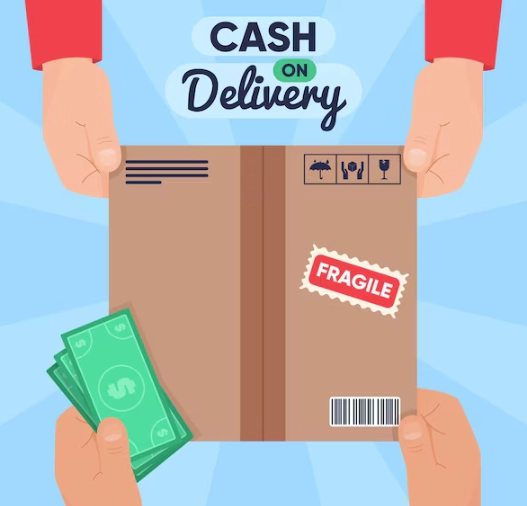
Cash on delivery, often shortened to COD, is a payment arrangement where you pay for goods at the moment they are delivered to you, rather than paying upfront online. The money is collected by the delivery personnel – your postal worker, a courier from FedEx or DHL, or a local delivery driver. It's the ultimate "try before you buy" for the payment part, at least in theory.
The core idea is trust, or rather, the lack of it needed from the buyer. You don't have to trust the online seller with your payment details before seeing the product. The seller, on the other hand, has to trust that you'll actually have the cash ready and won't refuse the package. It's a handshake deal finalized on your doorstep.
You'll see it called a few different things: Cash on Delivery, COD, Pay on Delivery, or Payment on Delivery. They all mean the same thing. It's particularly common in certain parts of the world. If you're shopping from sites in India, the Middle East, or parts of Southeast Asia, you'll see it offered constantly. In North America and Western Europe, it's become less common but still pops up, especially with smaller retailers or for specific types of goods.
The Big Question: Why Do People Still Choose COD?
In an age of one-click payments and digital wallets, why does this analog method persist? The reasons are more psychological than practical for a lot of folks.
First and foremost, it feels safer. There's a tangible sense of control. You see the box, you inspect it (sometimes you can even open it before paying, depending on the courier's policy), and then you hand over your money. It sidesteps the fear of being scammed by a fake website that takes your card details and never ships anything. For people new to online shopping or those who've been burned before, this is a huge relief.
Then there's the unbanked or underbanked factor. Not everyone has a credit or debit card. Not everyone is comfortable linking their bank account to a digital payment app. Cash on delivery opens up online shopping to a whole segment of the population that would otherwise be locked out. They can shop online and pay with the physical currency they have on hand.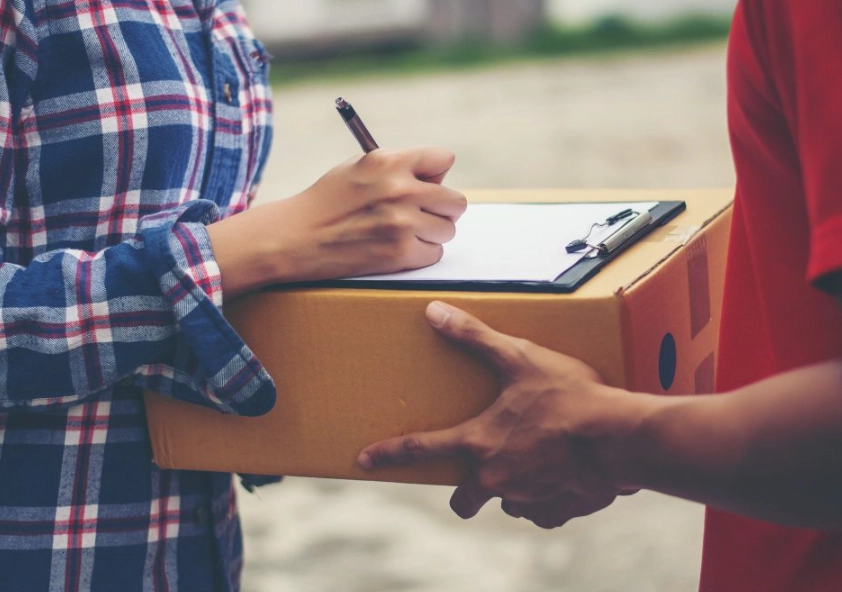
There's also a cash flow angle, though it's a bit of a double-edged sword. You don't part with your money until the item arrives. If you're living paycheck to paycheck, that extra week or two before the charge hits can make a difference in your budgeting. Of course, you have to remember to set that cash aside, which doesn't always happen.
But here's the thing sellers know and buyers often forget: offering cash on delivery is expensive. And those costs get passed along, one way or another.
The Not-So-Hidden Costs and Drawbacks of COD
This is where the shiny appeal of COD starts to tarnish. It's rarely the free service it appears to be. Let's break down the real price tag.
The Real Cost of Convenience
For the seller, COD is a logistical and financial headache. They don't get paid until you get your item, which can take weeks from the time they shipped it. The courier company charges them a premium fee for the cash collection service – it's extra work and liability for the driver. Handling physical cash, providing change, and the risk of theft or loss all add up.
So, how do sellers cover this? You guessed it. They often:
- Charge a COD fee directly. You might see a line item at checkout adding $5 or more for choosing this payment method.
- Bake it into higher product prices. The listed price for an item might be slightly higher across the board to subsidize the cost of offering COD to some customers.
- Set a higher minimum order value for COD. You can't order a $10 item with COD; you might need to spend $50 or $100.
- Exclude COD from sales and promotions. That 20% off coupon? It might say "not valid with cash on delivery."
And the headaches aren't just financial. The process is slower. Your order might be prioritized lower than prepaid orders because the financial risk to the seller is resolved with those first. Returns are a nightmare. If you want to return a COD purchase, you're now in a queue waiting for a cash refund, which can take ages, instead of an instant card reversal.
The worst part? Failed deliveries. If you're not home, or you don't have the exact cash, the package goes back. The seller gets hit with shipping costs both ways, and you get nothing but frustration. Some couriers will attempt a second delivery, but many won't. I've heard from small business owners who say COD orders have a significantly higher failure rate than prepaid ones. People change their minds, forget, or simply don't answer the door.
A Step-by-Step Guide to a Smooth COD Transaction
If you've weighed the pros and cons and still want to go with cash on delivery, doing it right matters. Here's how to make sure it goes off without a hitch.
Before You Order:
- Read the fine print. Check for any extra COD fees, minimum order values, or return policy restrictions. Know the total amount you'll owe upon delivery, including taxes and shipping.
- Have the exact cash ready. This is the golden rule. Delivery drivers are not walking ATMs. They often carry limited change for security reasons. Round up to the nearest bill if you can. If the total is $47.83, have $50 ready and consider the difference a tip for the driver's extra service (though tipping isn't usually expected).
- Plan to be available. Know the estimated delivery date and try to be home. Provide a clear, accurate address and a reliable phone number where you can be reached if the driver gets lost.
When the Delivery Arrives:
- Inspect the package first. Before handing over any money, check the box for obvious signs of damage or tampering. Is it the right size for what you ordered? Does the shipping label have your correct name and address?
- Ask about the inspection policy. Politely ask the driver if you can open the outer box to verify the contents before paying. Some will allow a quick check; others have strict rules against it for liability reasons. It never hurts to ask.
- Make the exchange. Hand over the exact cash if possible. You may receive a receipt from the driver – keep it! This is your proof of payment for any returns or disputes.
Pro Tip for High-Value Items
For anything expensive, consider having a witness with you during the delivery and payment. It adds a layer of security for both you and the driver. Also, never, ever pay a delivery driver with a personal check or wire transfer they suggest on the spot. That's a classic scam. Cash on delivery means cash.
What About International Cash on Delivery?
This is where it gets really tricky. Ordering from an overseas site that offers COD sounds great, but the reality is messy. The cross-border logistics of cash collection are complex. Often, what happens is a local courier partner in your country handles the final delivery and collection, but they then have to convert and repatriate that currency.
The fees for this are astronomical. You might see a "cross-border cash handling fee" that adds 10% or more to your bill. The exchange rate used will be terrible. And if there's any problem, resolving it with a seller halfway across the world is a nightmare. My personal advice? Avoid international COD like the plague. The risks and costs almost never make it worthwhile.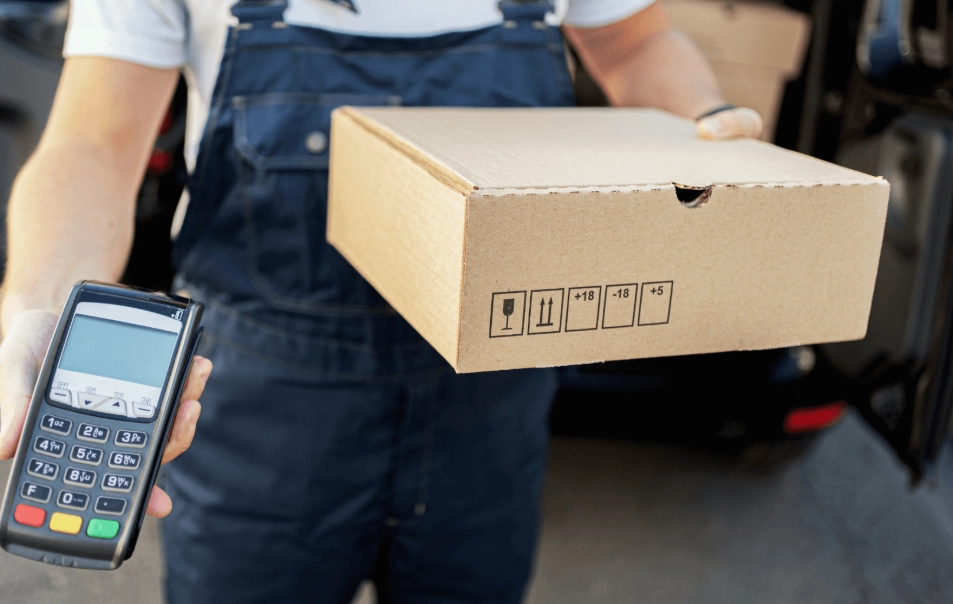
How Does Cash on Delivery Stack Up Against Other Options?
Let's put it in a table. Seeing it side-by-side with other payment methods makes the trade-offs crystal clear.
| Payment Method | Best For | Biggest Advantage | Biggest Disadvantage | Security Level |
|---|---|---|---|---|
| Cash on Delivery (COD) | First-time buyers, the unbanked, high-risk purchases | No upfront payment; physical inspection possible | Hidden fees, failed deliveries, slow refunds | Medium (risk shifts to logistics) |
| Credit/Debit Card | Most online shoppers, earning rewards | Strong fraud protection, chargeback rights, speed | Risk of card details being stolen online | High (with reputable merchants) |
| Digital Wallets (PayPal, Apple Pay) | Fast checkout, added privacy | No need to share card details with merchant | Not universally accepted; account can be frozen | Very High |
| Bank Transfer/Direct Debit | Large, trusted purchases (like furniture) | No middleman fees for seller | Almost no buyer protection; hard to reverse | Low |
| Buy Now, Pay Later (BNPL) | Budgeting for larger items | Spreads cost over time, often interest-free | Can encourage overspending; late fees are steep | Medium (depends on provider) |
Looking at this, it's obvious that for sheer buyer protection, credit cards and services like PayPal are hard to beat. The Federal Trade Commission outlines strong federal protections for credit card users, including limiting your liability for fraudulent charges. PayPal and similar wallets add another layer of dispute resolution. With cash on delivery, your only recourse is dealing directly with the seller, which can be a battle.
Essential Safety Tips for Using Cash on Delivery
Don't let the seeming simplicity make you complacent. Here's your safety checklist.
- Only use COD with reputable sellers. This sounds counterintuitive—isn't COD for untrustworthy sites? Not exactly. Use it with sellers who have verified reviews, clear contact information, and a professional website. If a site looks scammy, avoid it altogether, even with COD. They could send you a box of bricks.
- Verify the courier. When you get the delivery notification, make sure it's from a legitimate courier company (USPS, UPS, DHL, etc.) and not some random person in an unmarked van. Call the courier's official number to confirm the delivery if something feels off.
- Keep all documentation. Save your order confirmation email, the tracking number, and the receipt from the driver. Take a picture of the receipt with your phone as a backup.
- Know the return policy cold. Before you order, understand exactly how returns work for COD purchases. Do you get a cash refund, a check, or store credit? How long does it take? Who pays for return shipping?
One more critical point: beware of "fake COD" scams. This is where a scammer poses as a delivery driver for a product you never ordered, demanding cash on delivery for a "missed package" or a "gift." Never pay for an unsolicited delivery. Always verify with the supposed sender first.
Is Cash on Delivery Dying? The Future of Pay-on-Delivery
It's a fair question. With digital payment adoption soaring, especially after the pandemic, the niche for COD is shrinking in mature markets. However, reports from business analysts like Forbes Finance Council suggest the future is about hybrid models and flexibility, not the outright death of any one system.
In developing economies with low credit card penetration, COD will remain a dominant force for years to come. But even there, it's evolving. We're seeing the rise of "Card on Delivery" or "Digital Payment on Delivery" where the driver carries a mobile card reader. You can inspect the item and then tap your card or phone to pay. This solves the exact-change problem and is safer for the driver who isn't carrying a wad of cash.
The core consumer desire that cash on delivery addresses – the need for trust and tangible confirmation before parting with money – isn't going away. The methods are just getting smarter. Augmented reality previews, more robust buyer protection programs, and verified video deliveries might eventually fulfill that need in a more efficient way.
For now, cash on delivery remains a useful, if somewhat clunky, tool in the online shopping toolbox. It's not my first choice, but I understand why it exists.
Your Cash on Delivery Questions, Answered
The Final Verdict on Paying Upon Delivery
So, where does this leave us? Cash on delivery is a bit like a spare tire. You're glad it's there in a pinch, but you don't want to use it for your daily commute.
The Bottom Line
Use Cash on Delivery when: You're dealing with a new-but-verifiable seller, you don't have access to digital payments, or you're buying something so high-value that you physically need to see it before any money changes hands. Always calculate the true total cost first.
Choose a digital payment method when: You're shopping with established retailers, you value speed and convenience, you want strong buyer protection, or you're ordering from another country.
The world of online payment is moving fast. While the classic model of handing cash to a driver still has its place, its limitations are becoming harder to ignore. My advice? Use the security features built into modern payment systems—credit card protection, PayPal buyer programs, and the dispute tools in apps. They're designed for the digital shopping world.
But if you do go the cash on delivery route, now you know exactly what you're getting into. Have that exact change ready, be home to receive your package, and keep that receipt safe. Happy (and savvy) shopping.
Reader Comments