What You'll Find
- Where Did This JIT Thing Come From, Anyway?
- The Nuts and Bolts: Core Principles Behind the JIT Definition
- JIT vs. The Old Way: A Side-by-Side Look
- The Good, The Bad, and The Risky: Weighing Up JIT
- How Do You Actually *Do* JIT? A Realistic Roadmap
- JIT in the Wild: Beyond the Auto Factory
- Your JIT Definition Questions, Answered
- Wrapping It Up: The JIT Definition as a Lens
Let's be honest. You've probably seen the term "JIT" thrown around in business articles, maybe in a textbook, or heard it in a meeting. It sounds efficient, modern, maybe a bit intimidating. But when you sit down and ask, "Okay, but what's the actual JIT definition?" the answers can feel vague. Is it just a fancy way of saying "don't stockpile stuff"? Not quite.
I remember first learning about it. The textbook definition was dry. It felt abstract. It wasn't until I saw a small local auto parts supplier try (and initially struggle) to implement it that the real meaning of Just-In-Time clicked. It's a philosophy, a rhythm, a way of thinking that flips traditional operations on its head.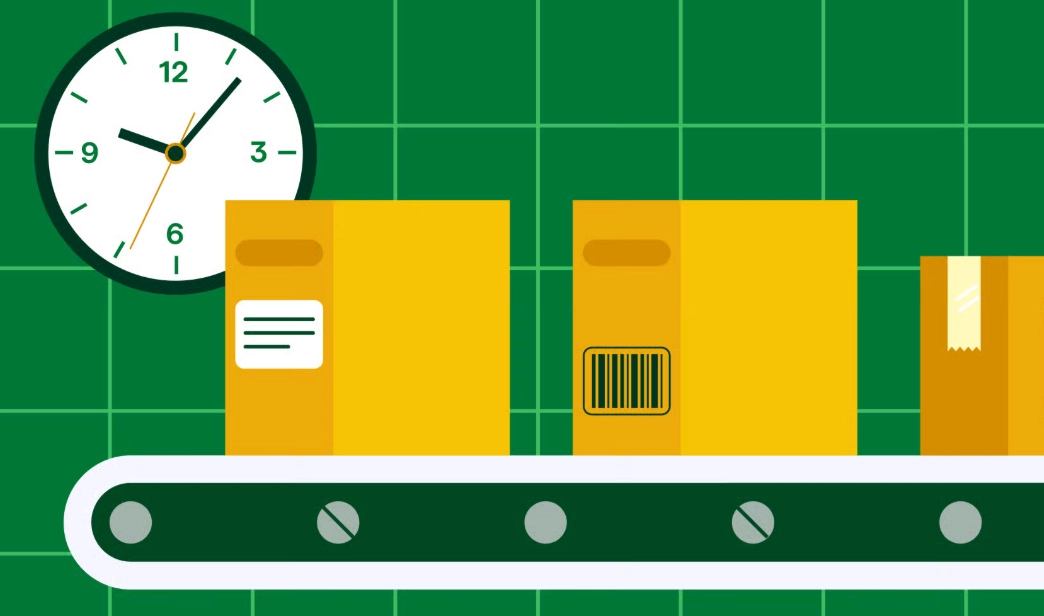
At its absolute core, the JIT definition is this: A production and inventory management philosophy aimed at producing or acquiring goods only as they are needed in the production process, thereby eliminating waste associated with overproduction, waiting, and excess inventory.
Think of it like a perfectly timed relay race, not a warehouse stocking up for a decade. The goal isn't just to reduce inventory (that's a happy side effect). The real goal is to expose problems. When you don't have a mountain of parts to hide behind, every snag in your process becomes glaringly obvious, forcing you to fix it. That's the power behind the just in time definition.
Where Did This JIT Thing Come From, Anyway?
You can't really grasp the jit definition without knowing its roots. It wasn't born in a Silicon Valley boardroom. It came from the factory floors of post-war Japan, specifically at Toyota. They called it the "Toyota Production System" (TPS).
Facing limited space and capital, Toyota couldn't afford the massive inventories common in American manufacturing. People like Taiichi Ohno looked at traditional systems and saw not efficiency, but waste—muda in Japanese. They designed a system that made waste visible and intolerable. JIT was a pillar of this system, paired with Jidoka (automation with a human touch).
It worked. So well, in fact, that by the 1980s, the Western world was playing catch-up. The term "Lean Manufacturing" was coined to describe this Toyota-inspired approach to eliminating waste, with JIT as its heartbeat. The just in time manufacturing definition we use today is deeply tied to this history of necessity and relentless improvement.
Funny how a strategy born from scarcity (limited resources in post-war Japan) became a global benchmark for efficiency in abundance.
The Nuts and Bolts: Core Principles Behind the JIT Definition
Okay, so it's about making stuff only when needed. But how do you *operationalize* that? The JIT definition rests on a few non-negotiable principles. Miss these, and you're just doing low inventory, not true JIT.
Elimination of Waste (Muda)
This is the north star. JIT views any activity that consumes resources but creates no value for the customer as waste. Toyota famously identified seven (later eight) types:
- Overproduction: The worst kind. Making stuff nobody wants yet.
- Waiting: Idle time for people or machines.
- Transportation: Unnecessary moving of materials.
- Over-processing: Doing more work than required.
- Excess Inventory: The obvious target of JIT.
- Unnecessary Motion: Wasted movement of workers.
- Defects: Production of faulty items.
- Unused Talent: Not leveraging employee ideas.
JIT attacks these relentlessly. A clean jit definition always points back to this war on waste.
Pull System vs. Push System
This is the mechanical heart of JIT. Traditional manufacturing is a push system. You forecast demand, produce based on that forecast, and "push" the finished goods into a warehouse, hoping they sell.
JIT is a pull system. Nothing is made until there is a signal (often a card called a kanban) from the next step in the process saying, "I need this now." Production is triggered by actual consumption, not a guess. This directly enforces the just in time definition.
Push is guessing. Pull is responding.
Continuous Flow & Takt Time
JIT aims for a smooth, uninterrupted flow of materials. Batch processing—making 1000 parts, then moving them all at once—creates queues and waiting. JIT prefers small, continuous batches or single-piece flow.
This is governed by Takt Time, which is the rate at which you need to produce a product to meet customer demand. If customers buy 480 units in an 8-hour day, your Takt Time is 1 minute. The entire process is synchronized to this heartbeat. It's a precise, rhythmic interpretation of the jit definition.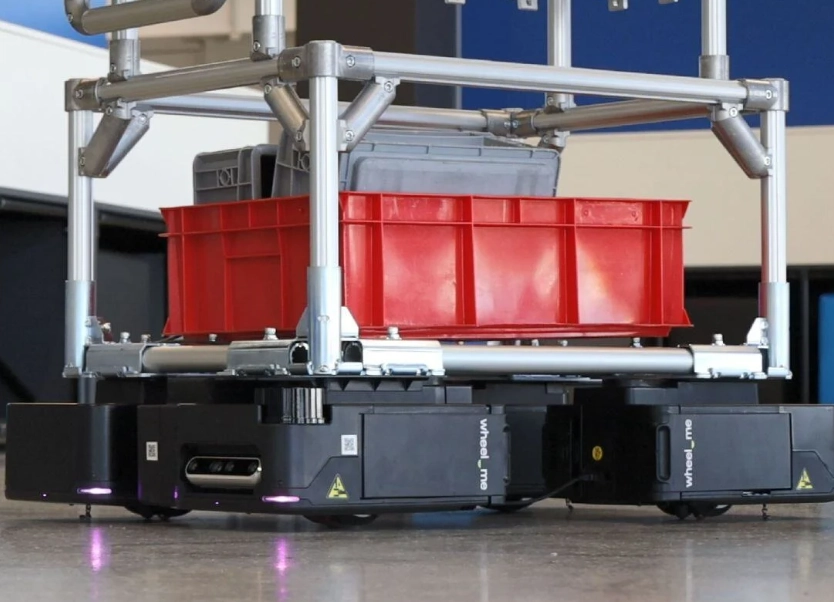
Quality at the Source (Jidoka)
This is JIT's inseparable partner. In a system with no buffer stock, you cannot tolerate defects. If one bad part comes down the line and there's no replacement handy, the whole line stops. So, JIT demands that every worker has the authority and responsibility to stop production to fix a problem immediately (Jidoka or "autonomation"). Quality isn't inspected in at the end; it's built in at every step.
A Hard Truth: Trying to implement a pull system (JIT) without empowering workers to ensure quality (Jidoka) is a recipe for disaster. The line will stop constantly, and frustration will soar. You have to do both.
JIT vs. The Old Way: A Side-by-Side Look
Sometimes, the clearest way to understand the just in time manufacturing definition is to see what it's *not*. Let's put it next to traditional inventory management.
| Aspect | Traditional "Just-in-Case" Inventory | Just-In-Time (JIT) Philosophy |
|---|---|---|
| Core Logic | Hold large inventories to buffer against uncertainties (supplier delays, demand spikes, machine breakdowns). | Hold minimal to zero inventory. Expose uncertainties and solve them at the root cause. |
| Production Trigger | Push system: Produce based on forecasted demand. | Pull system: Produce only when there is a downstream demand signal. |
| Primary Focus | Maximizing machine and labor utilization (keep busy). | Maximizing flow and eliminating waste (muda). |
| Inventory Role | An asset, a safety net. Hides process problems. | A liability, a form of waste. Reveals process problems. |
| Quality Approach | Quality Control: Inspect for defects at the end of the line. | Quality at Source: Build it right the first time; stop to fix immediately. |
| Supplier Relationship | Transactional, multiple sources, price-focused. | Partnership-based, few reliable sources, quality & delivery-focused. |
| Flexibility | Low. Tied to large batch sizes and forecasts. | High. Can respond more quickly to actual demand changes. |
See the difference? One uses inventory as a crutch. The other sees it as a symptom of a broken process. That mindset shift *is* the JIT definition in action.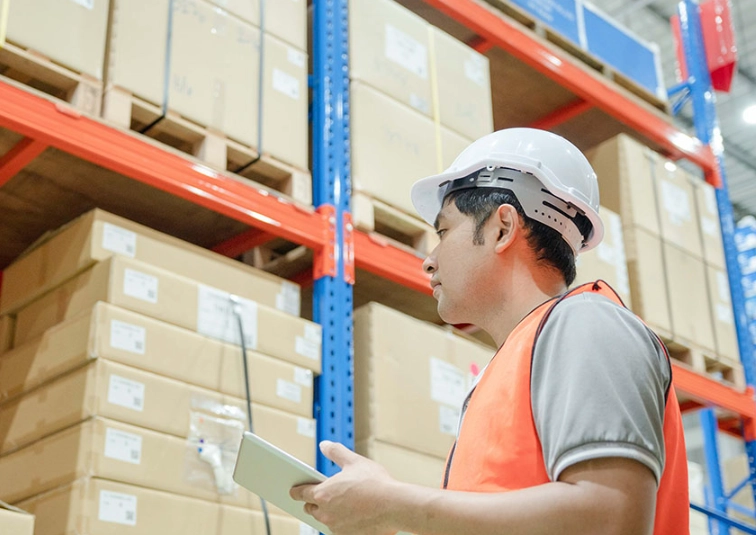
The Good, The Bad, and The Risky: Weighing Up JIT
It's not all rainbows. The benefits of JIT are massive, but the risks are real. A balanced look is crucial.
The Undeniable Benefits (Why Everyone Talks About It)
- Drastically Reduced Inventory Costs: This is the big headline. Less money tied up in raw materials, work-in-progress, and finished goods. Less storage space needed (no more renting giant warehouses). Less insurance, less obsolescence.
- Improved Cash Flow: Money that was sitting on shelves as inventory is now freed up for investment, R&D, or other uses.
- Higher Quality & Fewer Defects: With problems forced to the surface and fixed immediately, overall quality improves dramatically.
- Increased Productivity & Efficiency: Eliminating waste (waiting, moving, over-processing) means people and machines spend more time on value-adding work.
- More Floor Space: Clearing out inventory opens up the factory floor, making it cleaner, safer, and more organized (a principle called 5S).
- Greater Flexibility: A pull system can adapt more easily to changes in customer demand or product mix.
The Real Risks and Challenges (The Stuff Blogs Often Gloss Over)
- Extreme Supply Chain Vulnerability: This is the Achilles' heel. If a key supplier's truck breaks down or a port shuts down, your production grinds to a halt within hours. The 2020-2022 supply chain crises were a brutal lesson in this risk.
- High Implementation Difficulty: It's a total cultural and operational overhaul. It requires retraining workers, changing management mindsets, and redesigning processes. It's a marathon, not a sprint.
- Dependence on Flawless Processes: Your machinery must be reliable (via Total Productive Maintenance). Your processes must be standardized. Any hiccup has immediate, line-stopping consequences.
- Strained Supplier Relationships: You're asking suppliers for smaller, more frequent, perfectly timed deliveries. This puts pressure on them and requires a new level of partnership (and sometimes higher unit costs).
- Not Great for All Demand Types: JIT struggles with highly unpredictable, "lumpy" demand or highly customized, low-volume items. The rhythm gets broken.
My personal take? JIT is a powerful tool, but it's been oversold as a universal fix. It works brilliantly in stable, high-volume, repetitive environments. But slapping the jit definition onto a custom jewelry shop or a project-based business might create more chaos than value.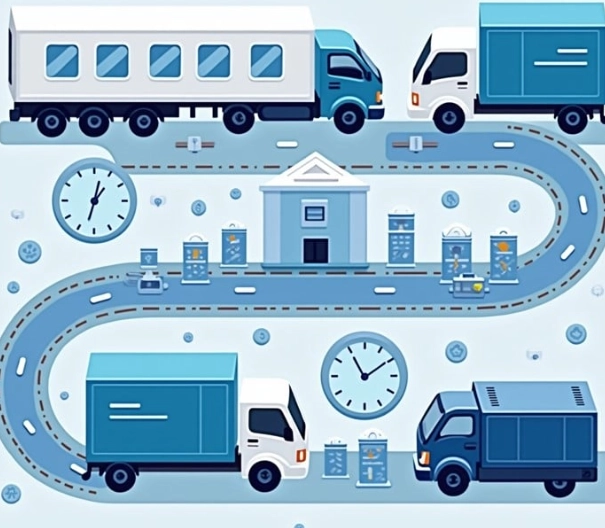
How Do You Actually *Do* JIT? A Realistic Roadmap
So you're convinced and want to move beyond the textbook just in time definition. Where do you start? You don't just flip a "JIT switch." Here's a phased approach, learned from both successes and painful stumbles.
- Get Your House in Order First (5S): Before you touch inventory, organize your workplace. Sort, Set in order, Shine, Standardize, Sustain. A clean, organized space is the foundation. You can't have flow in chaos.
- Stabilize Your Processes: Implement Standardized Work. Document the best, safest, most efficient way to do every task. Ensure machine uptime is high with proactive maintenance. JIT in an unstable environment is like building on sand.
- Start with a Pilot: Don't try to convert the whole factory. Pick one product line or one cell. Experiment there. Test the pull system with kanban cards. Work out the kinks on a small scale.
- Develop Supplier Partnerships: Talk to your key suppliers. Explain your vision. Start with longer-term contracts, shared forecasts, and collaborative planning. Maybe start with daily deliveries instead of hourly. The Institute for Supply Management has great resources on building these strategic partnerships.
- Implement Pull & Kanban: In your pilot area, replace the schedule with a visual pull system. A kanban card (physical or electronic) signals when to produce or reorder. Start with more cards than you think (more buffer) and slowly, carefully, remove them as processes improve.
- Empower Your People: Train everyone on problem-solving (like Root Cause Analysis using the "5 Whys"). Give them the authority to stop the line. This is the hardest cultural shift but the most critical.
- Expand Gradually & Continuously Improve (Kaizen): Once the pilot is humming, expand to another area. Use the lessons learned. JIT is not a project with an end date; it's a culture of continuous, incremental improvement.
The goal isn't to be "perfect" on day one. The goal is to be slightly better than yesterday, every day. That's the spirit of the jit definition in practice.
JIT in the Wild: Beyond the Auto Factory
While the classic just in time manufacturing definition comes from cars, the philosophy has spread. It looks different in different contexts.
- Retail (Fast Fashion): Companies like Zara are masters of a retail version of JIT. They produce small batches of clothing based on real-time sales data from stores, allowing them to respond to trends in weeks, not months.
- Software Development: The Agile and DevOps movements are spiritual cousins of JIT. They emphasize small, frequent releases (continuous flow), responding to customer feedback (pull), and building quality in from the start.
- Food Service: A great restaurant runs on JIT principles. Fresh ingredients are delivered frequently (often daily), prepped just before service (pull based on reservations), and cooked to order. Excess inventory here spoils—waste is physically obvious.
- Healthcare: Some hospitals use JIT for medical supplies, especially in operating rooms. Having the right instrument kit delivered just before a surgery reduces clutter, saves time searching, and ensures sterility.
The core jit definition adapts, but the heart—eliminate waste, respond to demand, perfect the process—remains the same.
Your JIT Definition Questions, Answered
Got more questions? They're probably a sign you're starting to think like a JIT practitioner.
Wrapping It Up: The JIT Definition as a Lens
So, what is the JIT definition? It's more than a few words in a glossary. It's a lens through which you view your entire operation. It asks uncomfortable questions: Why are we storing that? What is this wait hiding? Could this step be smoother?
It's not a magic bullet. It demands strong partnerships, resilient processes, and a engaged workforce. When global supply chains seize up, its vulnerabilities are laid bare. But when implemented with understanding—not as a cost-cutting fad but as a holistic philosophy of improvement—the benefits are transformative.
Start by looking at one process in your world, big or small. Where is the waste? Could it flow better? That's where your own journey with the real jit definition begins.
Reader Comments