Quick Guide
- Why Bother? The Real Value of a Trademark
- The First (and Most Critical) Step: The Trademark Search
- Understanding the USPTO Trademark Classes: Where Does Your Brand Live?
- The Trademark Application Journey: What Actually Happens?
- You've Got the Registration. Now What? Maintenance.
- Enforcement: Protecting Your Trademark in the Wild
- Untangling Common Trademark Confusions
- Answers to the Questions You're Actually Asking
- A Final, Frank Piece of Advice
Let's be honest. When you're starting a business or launching a product, the last thing you want to think about is legal paperwork. You're focused on your idea, your customers, your website. The word "trademark" sounds like something for giant corporations, not for you. I thought the same thing years ago. And then I got a cease-and-desist letter. It wasn't fun, and it was entirely preventable. That's why we're talking about this today.
Trademarks aren't just legalese; they're the foundation of your brand's identity in a crowded market. Think about it. What makes you choose a Coca-Cola over a generic cola? The name, the script, the red color—all protected by trademarks. Your business, no matter how small, deserves that same layer of protection. Ignoring it is like building a house without buying the land underneath it.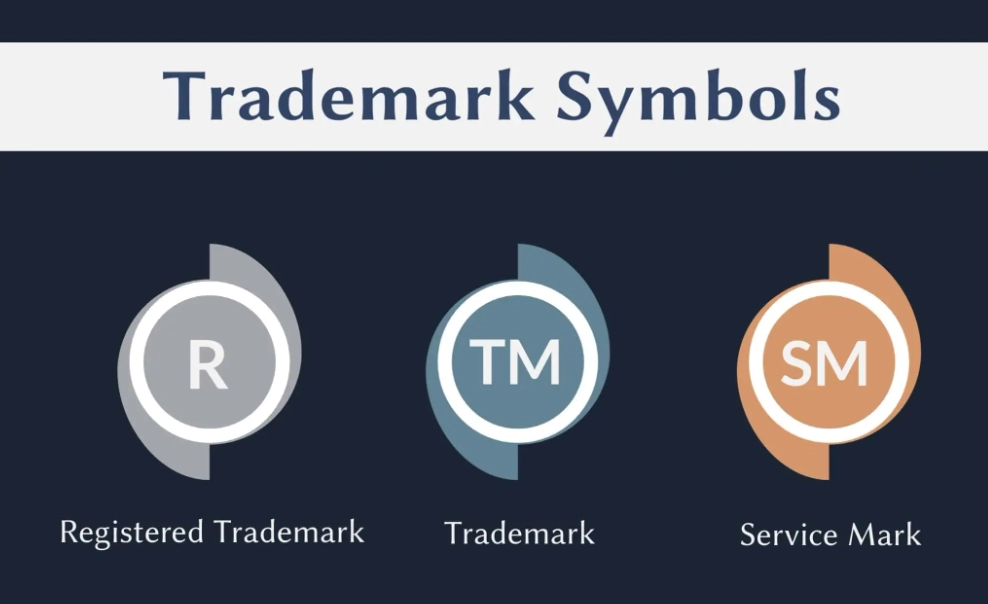
Why Bother? The Real Value of a Trademark
So why go through the hassle? It's more than just a fancy certificate to hang on the wall. A registered trademark gives you a legal monopoly over that brand identity in connection with your specific products or services. If someone else starts using a confusingly similar name for their competing coffee shop, you have a solid legal ground to ask them to stop. Without a registration, that fight becomes a messy, expensive shouting match about who used it first. A registration from the United States Patent and Trademark Office (USPTO) is like a dated, public record of your claim. It's your best evidence.
Beyond legal clout, think about trust. Customers learn to recognize your trademarks. They become shorthand for quality, reliability, or a specific experience you provide. That goodwill is a business asset you can actually leverage, sell, or license. It's intangible, but incredibly valuable. Protecting your trademarks is protecting that investment in customer perception.
It boils down to this: a trademark is a proactive shield, not just a reactive weapon.
The First (and Most Critical) Step: The Trademark Search
This is where most people trip up. They fall in love with a name, print business cards, and then check if it's available. Big mistake. A proper trademark search isn't just a quick Google check. It's a deep dive to see if your brilliant brand name is already claimed by someone else in a related field.
You need to search the USPTO's database, of course. But you also need to search state trademark databases, business registries, domain names, and even social media handles. Why? Because in the U.S., trademark rights can be established just by using a name in commerce, even without a federal registration (these are called "common law" trademarks). If someone in another state has been using a similar name for a similar service for years, they could have priority over you, even if they never filed with the USPTO. Finding this out before you invest thousands in branding is the smartest money you'll never spend.
Understanding the USPTO Trademark Classes: Where Does Your Brand Live?
This part feels bureaucratic, but it's crucial. Trademarks are registered for specific types of goods and services, organized into 45 different "classes." You have to specify which class(es) your product or service falls into. This is why "Delta" can exist as both an airline (class 39) and a faucet company (class 11) without conflict—they're in totally different industries.
Picking the wrong class is a common error that can leave you unprotected where you need it most. The USPTO's Acceptable Identification of Goods and Services Manual is the official guide, but it can be dense. Here's a simplified look at some common classes:
| Class Number | General Description | Example Goods/Services |
|---|---|---|
| 9 | Software & Electronics | Mobile apps, downloadable software, computers, scientific instruments. |
| 25 | Clothing | T-shirts, hats, footwear, uniforms. |
| 35 | Advertising & Business Services | Retail store services, online marketplace services, advertising, business management. |
| 41 | Education & Entertainment | Providing online courses, organizing sports events, publishing books. |
| 42 | Science & Tech Services | Software as a service (SaaS), technical consulting, design services. |
| 43 | Food & Hospitality | Restaurant services, hotel booking, catering. |
See how specific it gets? If you sell physical t-shirts (Class 25) and also run an online community about t-shirt design (Class 41), you might need to file in both classes to be fully protected. Your registration only covers what you list.
The Trademark Application Journey: What Actually Happens?
Filing the application is just the beginning. The process with the USPTO is a marathon, not a sprint, often taking 8 to 12 months (sometimes longer). Knowing the stages helps manage expectations.
Filing and the Initial Review
You submit your application, specimens (images of the trademark as used in commerce), and fees. An examining attorney at the USPTO is assigned to your file—this can take a few months. Their job is to make sure your application meets all legal and procedural requirements.
The Office Action (The Hurdle Most People Hit)
This is a formal letter from the examining attorney raising issues with your application. Over half of all applications receive one. Don't panic. It's not a rejection; it's a request for clarification or a legal argument you need to address.
Common reasons include:
- Likelihood of Confusion: The attorney believes your mark is too similar to an existing registered trademark.
- Descriptiveness: The attorney argues your mark merely describes your goods/services (e.g., "Creamy" for yogurt). Descriptive marks are hard to register unless you can prove they've acquired "distinctiveness" through long use.
- Specimen Issues: The image you provided doesn't adequately show the mark used in commerce (e.g., a mock-up instead of a real product photo).
You typically have six months to file a response. This is where legal arguments or evidence are presented. A well-crafted response can often overcome the issue.
Publication and Opposition
If the examining attorney is satisfied, your mark is published in the USPTO's Official Gazette. This kicks off a 30-day period where any member of the public who believes they'd be damaged by your registration can file an opposition. It's like a mini-court proceeding before the Trademark Trial and Appeal Board. Oppositions aren't super common for small businesses, but they happen, often from larger companies protecting their turf.
Registration (Finally!)
If no one opposes it (or you win an opposition), and you filed based on actual use, your registration certificate is issued. If you filed based on an "intent-to-use," you'll get a Notice of Allowance and then have to submit proof of use before the final registration is granted.
Persistence is key here. The process is designed to be thorough.
You've Got the Registration. Now What? Maintenance.
A trademark registration isn't forever... unless you maintain it. Your work isn't over. To keep a U.S. federal registration alive, you must file specific maintenance documents and fees.
- Between the 5th and 6th year after registration: You must file a "Declaration of Use" (Section 8) showing you're still using the mark in commerce. This is a critical deadline. Miss it, and your registration will be canceled.
- Between the 9th and 10th year after registration: You must file a combined "Declaration of Use and Application for Renewal" (Sections 8 & 9).
- Every 10 years after that: You must renew with another Section 8 & 9 filing.
The USPTO doesn't send reminders to your personal email. You are responsible for tracking these dates. Many trademarks are lost simply because the owner forgot to file the maintenance paperwork. I'd recommend setting multiple calendar reminders or using a trademark watch service that includes deadline monitoring.
Enforcement: Protecting Your Trademark in the Wild
Registration gives you powerful tools, but you have to use them. Trademark law has a concept called "dilution" and requires you to police your own mark. If you let too many people use something similar without objection, you can weaken or even lose your exclusive rights (this is called "genericide"—think of what happened to "escalator" or "thermos").
What does enforcement look like? It starts with monitoring. You can set up Google Alerts for your brand name, monitor new USPTO filings, or use professional watch services. If you find an infringer, the first step is usually a cease-and-desist letter from your lawyer. Most small disputes end here. If not, litigation is an option, but it's expensive and time-consuming. The goal is always to stop the confusion in the marketplace.
It's a balance. You don't need to sue everyone, but you can't ignore blatant copying in your own industry. A consistent, reasonable enforcement strategy is part of owning valuable trademarks.
Untangling Common Trademark Confusions
Let's clear the air on a few things that always come up.
Trademark vs. Copyright vs. Patent
They protect different things. A trademark protects brand identifiers (logos, names). A copyright protects original artistic/literary works (website copy, photos, software code). A patent protects inventions (a new machine, process, or design). You might need more than one for a single product. The World Intellectual Property Organization (WIPO) has great basic resources explaining the differences.
The TM, SM, and ® Symbols
You can use TM (for goods) or SM (for services) anytime you claim rights to a mark, even without a registration. It's a public notice of your claim. The ® symbol can only be used after your mark is officially registered with the USPTO. Using ® prematurely is illegal and can hurt your application.
Do I Need an Attorney?
The USPTO allows you to file on your own if you're a U.S. resident. But given the complexity, the legal judgments involved in a search, and the pitfalls in the application (especially responding to Office Actions), I generally think it's a bad idea for anything beyond the simplest of cases. A good trademark attorney increases your chances of success dramatically. They're not just filling out a form; they're crafting a legal argument for your brand's uniqueness.
Answers to the Questions You're Actually Asking
Here’s where I try to get into your head. These are the things I wondered about, and what clients constantly ask me.
A Final, Frank Piece of Advice
Navigating trademarks can feel overwhelming. The system isn't built for simplicity. But viewing it as a necessary cost of doing business—like buying liability insurance or setting up a proper accounting system—shifts the perspective. It's an investment in your brand's longevity and defensibility.
Start with a great, distinctive name. Do a serious search. File thoughtfully for the right classes. And then be prepared to maintain and defend what you've built. Your future self, the one who doesn't have to deal with a nasty legal letter or a forced rebrand, will thank you.
The path to securing strong trademarks is clear. It just requires taking it one step at a time.
Reader Comments