Let's cut to the chase. Economics isn't some dusty academic subject filled with graphs and equations that only experts understand. I've been studying and applying economics for over a decade, and here's the truth: it's the backbone of every decision you make, from buying coffee to investing in stocks. The core economics definition boils down to how we manage scarce resources to meet unlimited wants. But that's just the start. In this guide, I'll break it down so you can actually use it.
Quick Navigation: What You'll Learn
What is Economics? A No-Nonsense Definition
Most definitions sound like this: "Economics is the social science that studies the production, distribution, and consumption of goods and services." Yawn. That's from resources like the Library of Economics and Liberty, and while accurate, it misses the point for beginners. Here's my take: economics is the art of making choices when you can't have everything. Think about your monthly budget. You have $1,000, but rent is $700, groceries cost $200, and you want to save $150. What gives? That's economics in action.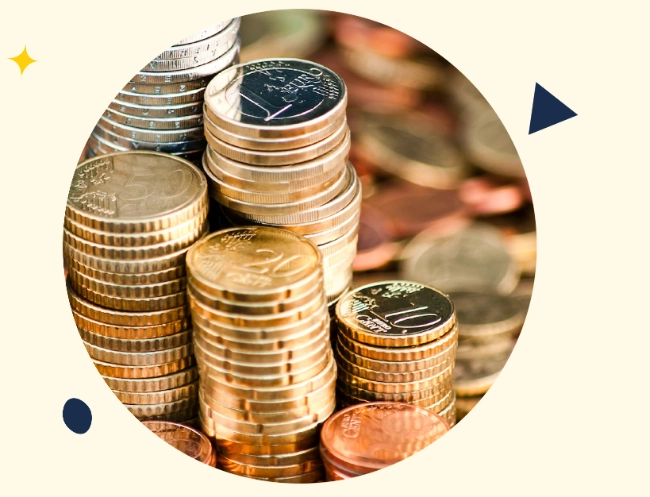
I remember tutoring a student who thought economics was only about money. We spent an hour discussing her time—she had to choose between studying, working a part-time job, and socializing. That's scarcity. Economics applies to time, energy, and even attention. The formal definition often cites Lionel Robbins, who called it "the science which studies human behavior as a relationship between ends and scarce means which have alternative uses." But let's keep it simple.
Key Insight: Economics isn't just about wealth; it's about welfare. How do we improve well-being with what we have? That's why governments use economic principles to design policies, like tax cuts or stimulus packages, which you might have heard about from the International Monetary Fund reports on global recovery.
Microeconomics vs. Macroeconomics: Spot the Difference
People get confused here. Microeconomics zooms in on individual actors—like you, a business, or a household. Macroeconomics looks at the big picture—think GDP, inflation, unemployment rates. Here's a quick table to clarify:
| Aspect | Microeconomics | Macroeconomics |
|---|---|---|
| Focus | Individual choices | National/global trends |
| Examples | Pricing of a product, household budgeting | Interest rates set by central banks |
| Key Concepts | Supply and demand, opportunity cost | Economic growth, fiscal policy |
| Real-World Use | Deciding to buy a car vs. using public transport | Understanding why recessions happen |
I've seen investors mess this up. They'll focus solely on macro trends, like a Federal Reserve announcement, but ignore micro factors like a company's management. Balance both. For instance, during the COVID-19 pandemic, macroeconomics explained government bailouts, while microeconomics showed why some businesses pivoted to online sales.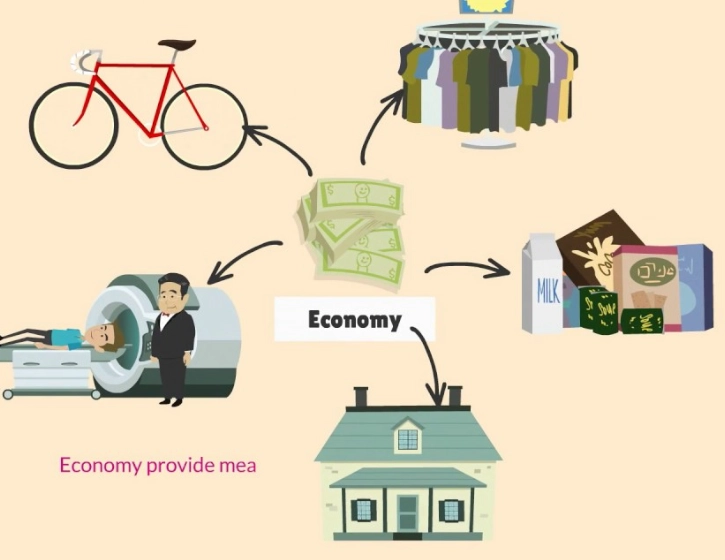
Microeconomics in Depth: The Small Stuff Matters
Let's say you're shopping for a laptop. You compare prices, features, and brands. That's microeconomics—analyzing marginal utility (the extra satisfaction from a better processor) and elasticity (how price changes affect your decision). I once advised a friend who overspent on a high-end model for basic tasks. He didn't consider opportunity cost: that money could have gone into an emergency fund. Microeconomics teaches you to weigh alternatives.
Macroeconomics Unpacked: The Big Picture
Macro is trickier because it involves aggregates. Take inflation. If prices rise, your purchasing power drops. Governments use tools like monetary policy, which the World Bank discusses in its global economic prospects reports. But here's a pitfall: many think macro is only for policymakers. Wrong. If you're job-hunting, unemployment rates matter. If you're saving for retirement, interest rates affect your returns. It's all connected.
Real-World Examples: Economics in Your Life
Enough theory. Let's get concrete. Economics isn't abstract; it's in your daily routine.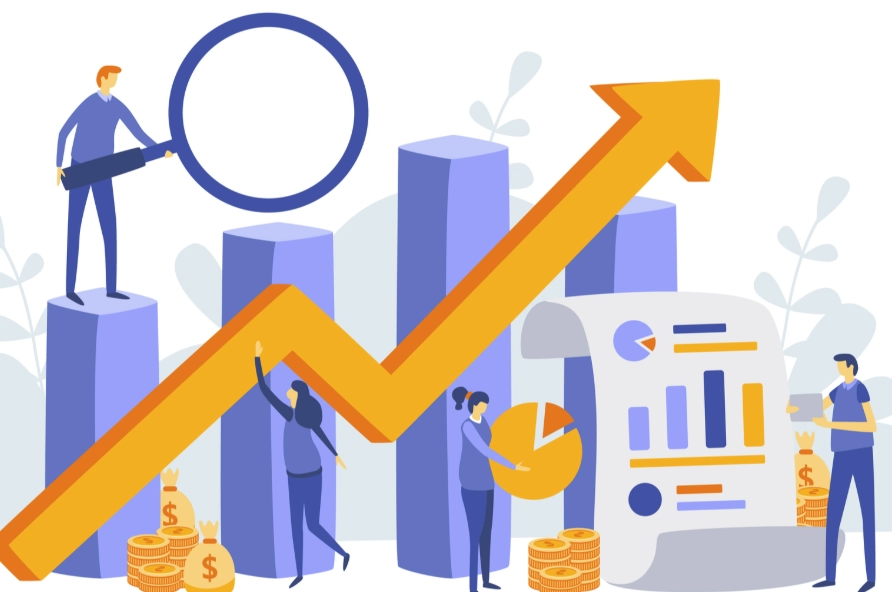
Case Study 1: Personal Budgeting
Imagine you earn $3,000 monthly. Here's how economics applies:
- Scarcity: You can't spend it all on travel and save for a house. Choices must be made.
- Opportunity Cost: If you dine out for $50, that's $50 less for investments. What's the trade-off?
- Marginal Analysis: Should you work overtime for extra pay? Weigh the extra income against lost leisure time.
I used this with a client who was drowning in debt. We applied microeconomic principles to cut unnecessary subscriptions (elastic demand—they weren't essential) and reallocated funds to high-interest debt repayment. Within a year, she saved thousands. Economics gave her a framework, not just willpower.
Case Study 2: Business Decision-Making
Suppose you run a small bakery. Economics helps with:
- Pricing: Set prices based on cost-plus or value-based models. If competitors lower prices, you might need to adjust (demand elasticity).
- Production: How many pastries to bake daily? Too many lead to waste; too few miss sales. This involves cost-benefit analysis.
- Expansion: Should you open a second location? Evaluate market demand, startup costs, and projected revenue.
A bakery owner I know failed because he ignored sunk costs—he kept pouring money into a failing product line. Economics teaches to ignore past expenses and focus on future benefits.
Common Mistakes and How to Avoid Them
After years in this field, I've noticed patterns. People stumble on these points.
Mistake 1: Equating Economics with Finance
Finance is a subset of economics. Economics is broader, covering social behavior, policy, and resource allocation. Finance deals with money management. I've met students who take economics courses expecting stock tips, only to get disappointed. Understand the scope.
Mistake 2: Overlooking Behavioral Economics
Traditional models assume rational actors. But humans are emotional. Behavioral economics, pioneered by thinkers like Daniel Kahneman, shows we make irrational choices. For example, we might buy something on sale just because it's discounted, not because we need it. Incorporate this into your thinking—question your impulses.
Mistake 3: Ignoring Externalities
Externalities are side effects of actions, like pollution from a factory. In personal finance, this could be the social cost of overspending—stress on relationships. I've seen families argue over money because they didn't account for these hidden impacts. Economics encourages considering broader consequences.
Expert Tip: Don't get bogged down by complex math. Start with stories and scenarios. When I teach, I use examples like planning a road trip—calculating fuel costs, time, and alternatives. It makes economics relatable.
Practical Applications for Better Decisions
How can you use economics today? Here are actionable steps.
For Personal Finance:
- Budget with Opportunity Cost: Before buying, ask: "What else could this money do?" List alternatives.
- Invest Using Macro Insights: Follow trends like inflation rates. If inflation is high, consider assets like real estate that might hedge against it.
- Negotiate with Micro Principles: Understand supply and demand. If you're in a high-demand job, you have leverage for higher pay.
For Business Owners:
- Conduct SWOT Analysis: Strengths, weaknesses, opportunities, threats—this is applied economics. Assess internal and external factors.
- Use Cost-Benefit Analysis for Projects: Quantify benefits and costs. I helped a startup evaluate a new software tool; we found the long-term savings outweighed the upfront cost.
- Monitor Market Structures: Are you in a competitive market? Adjust strategies accordingly. For instance, in a monopoly-like niche, you might focus on innovation.
For Policy Understanding:
Read reports from authoritative sources like the U.S. Bureau of Economic Analysis or the Organisation for Economic Co-operation and Development. They provide data-driven insights. For example, understanding GDP growth can inform your career choices—entering a booming industry.
Frequently Asked Questions
Economics isn't a dry subject—it's a lens to view the world. Whether you're managing a household or running a country, these principles guide smarter choices. I've seen lives change when people grasp the economics definition beyond textbooks. So next time you face a decision, think like an economist: weigh the costs, consider the benefits, and remember, resources are always limited. That's the real power of understanding economics.
Reader Comments