Explore the Journey
- Why Bother Defining It? It's Not Just Semantics
- The Nuts and Bolts: The Core Manufacturing Process Unpacked
- Not All Factories Are Created Equal: Types of Manufacturing
- The Modern Factory Floor: Tech Is Changing the Game
- The Unsung Hero: Quality Control Isn't Just Checking Boxes
- Careers in Modern Manufacturing: It's Not What You Think
- Looking Ahead: The Future of Making Things
- Wrapping It All Up
You know, when most people hear the word "manufacturing," they probably picture those old black-and-white films of car assembly lines, with workers in overalls tightening bolts. Or maybe they think of a dark, grimy factory floor. I get it. That's the classic image. But if you're trying to wrap your head around the real manufacturing definition today, that picture is about as outdated as a flip phone.
The truth is, the core idea is simple, but the devil's in the details (and the robots). At its heart, manufacturing is the process of taking raw stuff—metal, plastic, wood, chemicals, even data—and transforming it into something new and useful that people want to buy. It's the magic trick of the physical world. You start with ore in the ground and end up with the smartphone in your hand. You start with crude oil and end up with the polyester in your jacket. That transformation is the whole game.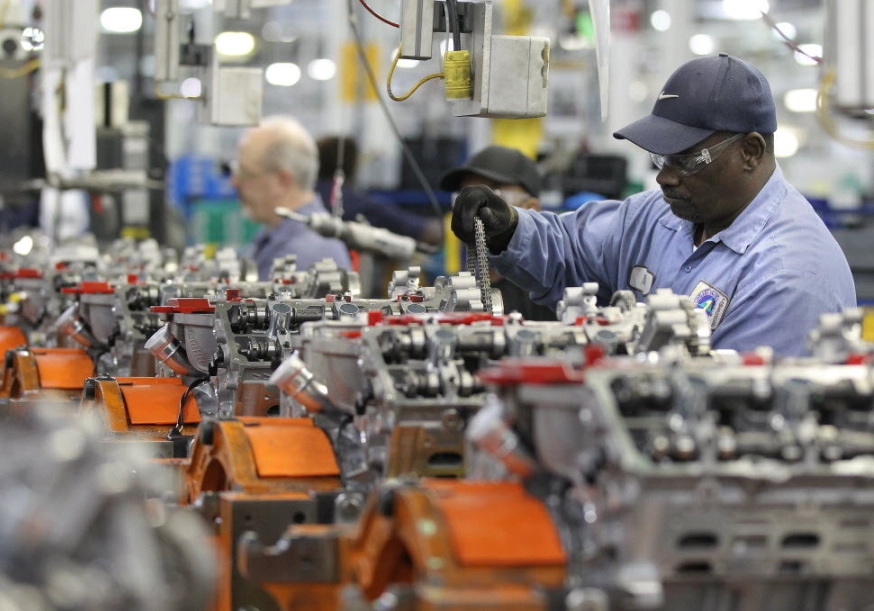
But here's where it gets interesting. Why does nailing down this definition even matter? Well, if you're a business owner, knowing exactly what falls under the manufacturing definition affects your taxes, regulations, and even how you get funding. If you're a student choosing a career path, it changes what skills you need to learn. Is 3D printing a small batch of prototypes "manufacturing"? Is a chef preparing 500 identical meals? The lines can blur, and understanding the definition helps clear the fog.
It's more than just making things. It's the engine room of the economy.
Why Bother Defining It? It's Not Just Semantics
Okay, let's be honest. Definitions can be dry. But stick with me, because this one has real teeth. How we define manufacturing has concrete consequences. Governments use it to track economic health—figures from places like the U.S. Bureau of Labor Statistics (BLS) on manufacturing employment and output depend on a clear, consistent definition. Investors use it to categorize companies. A firm that just assembles imported parts might be classified differently from one that smelts its own aluminum, even if they both make the same final product.
I remember talking to a friend who ran a small workshop making custom bicycle frames. He considered himself an artisan, a craftsman. Then he landed a big contract and had to scale up, bring in CNC machines, hire staff. Suddenly, he was dealing with OSHA regulations, ISO standards, and supply chain logistics. The moment he crossed that threshold from "making" to "manufacturing," his whole world changed. The definition stopped being academic and started writing his daily to-do list.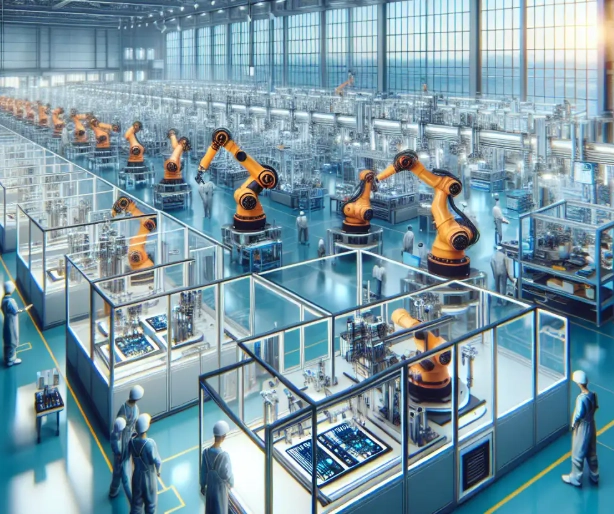
The Nuts and Bolts: The Core Manufacturing Process Unpacked
Let's roll up our sleeves and look at how this transformation actually happens. It's rarely a straight line. Most modern manufacturing is a complex dance, but we can break it down into some fundamental steps. This is the "how" behind the manufacturing definition.
Step 1: The Idea and The Design
It all starts in someone's head or on a computer screen. This phase is all about answering questions: What are we making? Who is it for? What does it need to do? Engineers and designers use CAD (Computer-Aided Design) software to create detailed digital models. They run simulations, test for stress, heat, and failure points virtually long before any metal is cut. This stage is crucial—a flaw here is exponentially more expensive to fix later on. I've seen projects get delayed for months because of a design oversight that wasn't caught early. It's a brutal lesson.
Step 2: Sourcing Raw Materials
You can't build without bricks. This step is the global scavenger hunt. It involves procuring everything from basic commodities (steel, aluminum, resins) to highly specialized components (microchips, specialty alloys). This is where supply chain management becomes a superpower—or a fatal weakness, as many companies learned during recent global disruptions. The quality, cost, and reliability of your materials directly dictate the quality, cost, and reliability of your final product. No kidding.
Step 3: The Actual Production
This is the stage most people imagine. It's where the physical transformation occurs. Processes here vary wildly depending on the product:
- Forming: Shaping materials without adding or removing any, like stamping sheet metal into a car door panel or injection molding molten plastic into a toy.
- Machining: The opposite. Removing material to get the desired shape, like using a lathe, mill, or drill. Think of a CNC machine carving a complex engine part out of a solid block of aluminum.
- Joining: Putting pieces together. Welding, soldering, riveting, and using adhesives all live here.
- Finishing: The cosmetic and protective touch. Painting, plating, polishing, anodizing. This is what makes a product look and feel "finished."
This is where the factory floor comes alive with activity, machines, and, increasingly, automated guided vehicles (AGVs) zipping around.
Step 4: Assembly
Taking all those individual components and putting them together into the final product. This can be a highly automated robotic process (like in electronics) or require delicate human touch (like in some medical device assembly). The efficiency of your assembly line is a huge driver of overall cost.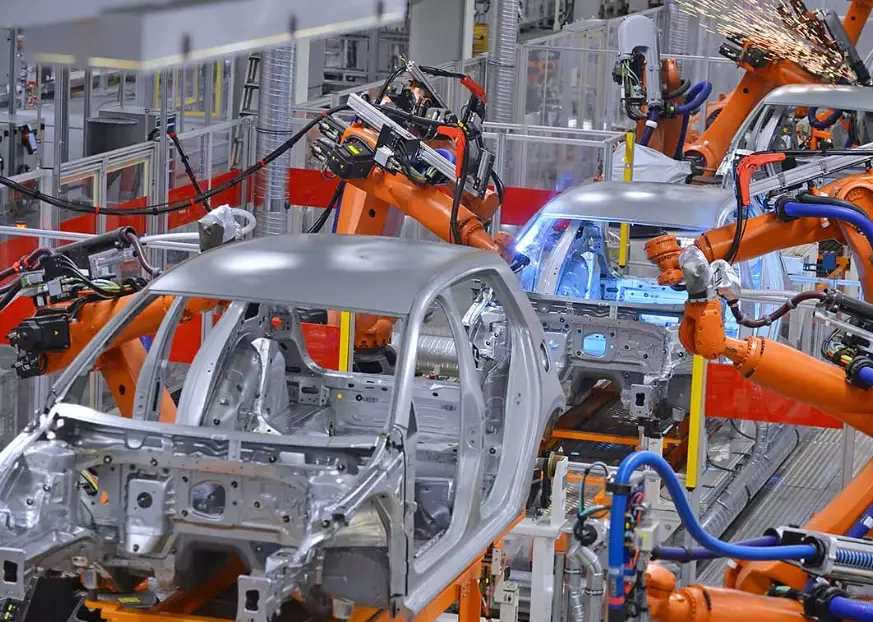
Step 5: Quality Control and Testing
This isn't an afterthought; it's woven into the entire process. At multiple points, parts and products are inspected, measured, and tested. Does it meet the spec? Does it work? Would it survive real-world use? This step ensures that the manufacturing definition isn't just about making stuff, but making good stuff. Companies often adhere to international standards like those from the International Organization for Standardization (ISO), particularly the ISO 9001 family for quality management systems, to formalize this process.
Step 6: Packaging and Distribution
The product is done, but it's not useful until it gets to the customer. This step involves protective packaging, labeling, warehousing, and logistics. A beautifully manufactured product can be destroyed by poor packaging, which is a heartbreaking waste of all the previous effort.
Not All Factories Are Created Equal: Types of Manufacturing
If you think a factory is a factory, you're missing a huge piece of the puzzle. The approach to production—the "how" of the manufacturing process—varies dramatically based on what you're making and for whom. Here’s a breakdown of the main types.
| Type | How It Works | Best For | Biggest Challenge |
|---|---|---|---|
| Make-to-Stock (MTS) | You produce goods in large batches based on forecasted demand. Inventory sits in warehouses until sold. | Consumer staples, fast-moving goods (toothpaste, basic tools). | Getting the forecast wrong. Overproduction ties up cash; underproduction loses sales. |
| Make-to-Order (MTO) | You only start production after receiving a customer's order. Little to no finished goods inventory. | Custom machinery, high-end furniture, specialized components. | Longer lead times for the customer. Production scheduling can be complex. |
| Assemble-to-Order (ATO) | A hybrid. You keep standard components/sub-assemblies in stock, then quickly assemble them into a final product once an order comes in. | Computers, cars with custom options, modular furniture. | Managing the inventory of components accurately. Requires excellent modular design. |
| Continuous Process | Production runs 24/7 without stopping. The raw material is a fluid or powder that flows through the system. | Chemicals, petroleum, paper, electricity. | Extremely high capital cost to set up. Very inflexible—hard to change the product. |
| Batch Process | Making a specific quantity (a batch) of a product. The equipment is cleaned or reconfigured between batches. | Pharmaceuticals, food products, paints. | Downtime between batches reduces overall equipment efficiency. |
Look, the trend for decades has been moving away from rigid MTS mass production toward more flexible MTO and ATO models. Why? Because customers want more choice, and companies hate wasting money on inventory that doesn't sell. This shift is a core part of modernizing the classic manufacturing definition.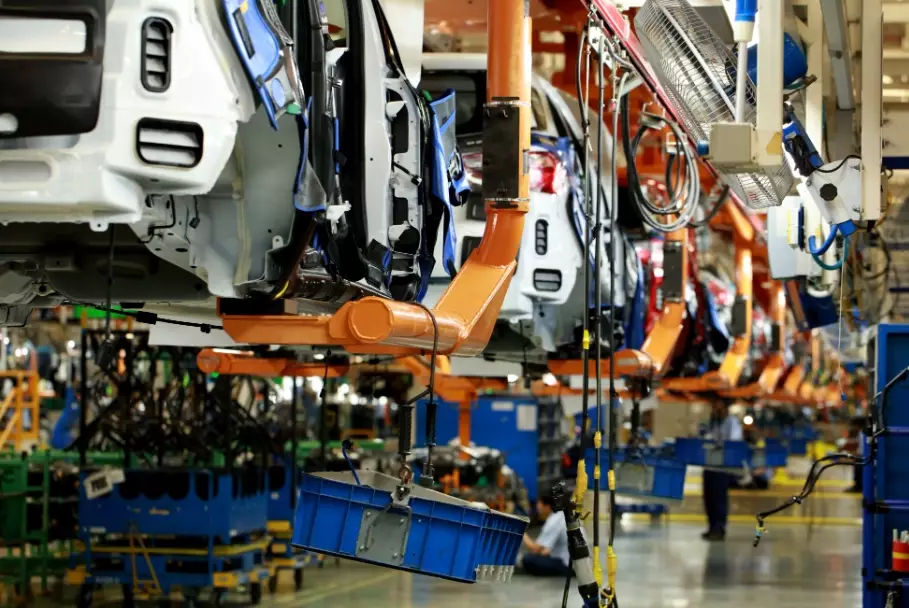
The Modern Factory Floor: Tech Is Changing the Game
Forget the dark, dirty stereotype. Walk into a modern advanced manufacturing facility, and it often feels more like a cleanroom or a tech lab. The tools of the trade have evolved, and with them, the skills required.
Automation and Robotics: This is the big one. Repetitive, dangerous, or precision tasks are increasingly handled by robots. They weld car bodies, place microscopic electronic components, and palletize boxes tirelessly. But it's not about replacing every human job—it's about humans and robots collaborating. A worker might oversee a fleet of robots, performing maintenance and handling complex problem-solving.
Additive Manufacturing (3D Printing): This flips traditional manufacturing on its head. Instead of cutting away material (subtractive), you add material layer by layer. It's phenomenal for prototyping, creating complex geometries impossible with machining, and producing small batches of specialized parts (like custom medical implants or lightweight aerospace components). Is it "manufacturing"? When used for end-use parts in a planned process, absolutely. It's expanding the very definition.
The Internet of Things (IoT) and Data: Machines on the factory floor are now packed with sensors. They generate a torrent of data on temperature, vibration, output speed, and error rates. This data is monitored in real-time, often on dashboards. The goal? Predictive maintenance—fixing a machine before it breaks down—and optimizing the entire production flow for maximum efficiency. This data-driven approach is at the heart of what's often called Industry 4.0 or smart manufacturing.
"The integration of digital technologies into physical production is blurring the lines. The modern manufacturing definition must account for the data layer that now controls the material layer."
The Unsung Hero: Quality Control Isn't Just Checking Boxes
I want to rant about this for a second. Some people treat quality control (QC) as this annoying final gate you have to pass through. That's a terrible, costly mindset. In a proper manufacturing process, quality is designed and built in from the very beginning. It's a philosophy, not a department.
Modern QC uses statistical process control (SPC) to monitor production in real time. Instead of checking every 100th widget, SPC uses sampling and statistics to ensure the entire process is stable and capable. If a measurement starts drifting toward the edge of its tolerance band, the system flags it before any bad parts are made. This proactive approach, rooted in methodologies like Six Sigma, is what separates great manufacturers from mediocre ones.
It's also a huge customer trust builder. When you buy a product from a company known for rigorous QC, you have confidence it will work. That reputation is worth more than any ad campaign. Resources from the American Society for Quality (ASQ) are a goldmine for understanding these principles deeply.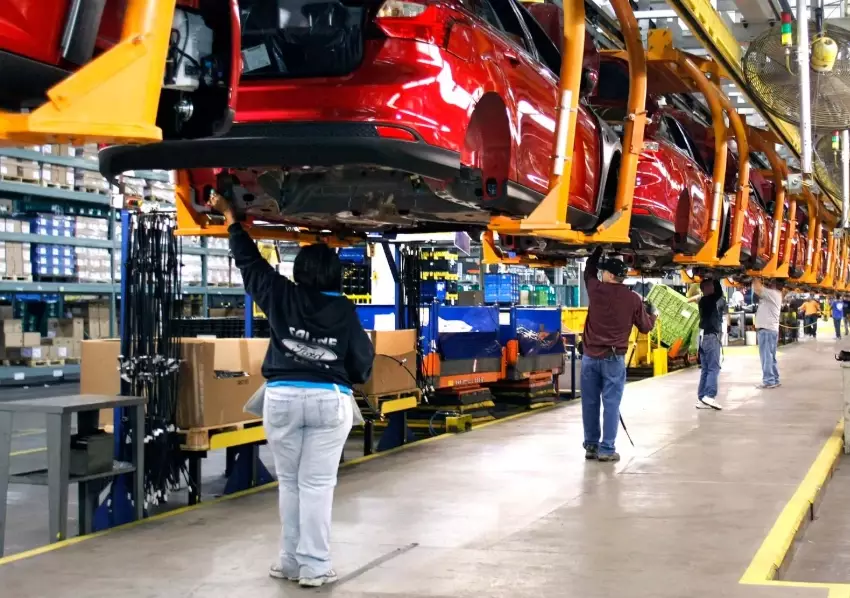
Careers in Modern Manufacturing: It's Not What You Think
Let's talk jobs. The old image of the manual laborer on a line is fading. Today's manufacturing careers are tech-heavy, clean, and often well-paid. Understanding the modern manufacturing definition means understanding the new workforce.
- Mechatronics Technicians: These are the rockstars who understand both the mechanical and electronic sides of automated equipment. They troubleshoot robots, fix CNC machines, and keep the lines running.
- Process Engineers: They optimize the how. They use data to find bottlenecks, reduce waste, improve yield, and design more efficient workflows. It's a mix of engineering and detective work.
- Quality Engineers: They are the guardians of the standard. They design the QC procedures, analyze defect data to find root causes, and work with production to implement fixes.
- Supply Chain Analysts: They manage the incredibly complex web of material sourcing, logistics, and inventory. In a globalized world, this is a critical, high-stakes role.
- CNC Programmers: They translate CAD designs into instructions (G-code) that CNC machines understand. It's a skilled blend of software and machining knowledge.
The barrier to entry for these roles is often a combination of technical training (like an associate's degree or apprenticeship) and problem-solving skills, not just physical strength. The BLS Occupational Outlook Handbook is a fantastic, unbiased resource for exploring the hard data on job growth, pay, and requirements in these fields.
Looking Ahead: The Future of Making Things
Where is all this headed? The manufacturing definition is a living concept. A few trends seem poised to shape the next chapter:
Sustainability and Circular Manufacturing: This is massive. It's no longer just about making a product, but about its entire lifecycle. How much energy and water were used? Can the materials be easily recycled or the product refurbished? Can waste from one process become the raw material for another? This "cradle-to-cradle" thinking is moving from a nice-to-have to a business imperative and a regulatory requirement in many places.
Reshoring and Regionalization: After the shocks of global supply chain disruptions, some companies are bringing production closer to home (reshoring) or to friendly neighboring countries (nearshoring). It's not just about cost anymore; it's about reliability, control, and speed to market. This could reshape the global manufacturing map.
AI and Generative Design: Artificial intelligence is moving from just analyzing data to aiding in design. Generative design software allows engineers to input goals (strength, weight, material) and let AI algorithms generate hundreds of design options that a human might never conceive of. It's a powerful new tool in the manufacturing arsenal.
The factory of the future will be greener, smarter, more connected, and more adaptable. The core goal—transforming materials into value—remains. But how we get there is in for a constant revolution.
Wrapping It All Up
So, after all this, what's the takeaway on the manufacturing definition?
It's not a single, static sentence in a dictionary. It's a multi-layered concept. It's the foundational economic process of creating tangible goods. It's a spectrum of methods from continuous flow to custom job shops. It's a technological evolution from the steam hammer to the collaborative robot. And increasingly, it's a data-driven, sustainable system integrated with the digital world.
Whether you're a student, an entrepreneur, an investor, or just a curious person, understanding this depth is key. It helps you see the world not just as a collection of products, but as the outcome of immensely sophisticated, global, and evolving systems of creation. That's the real power behind the definition.
It's easy to take the objects around us for granted. But next time you pick up something—anything—take a second to think about the journey it took from an idea and raw matter to the item in your hand. That journey is manufacturing. And it's one of the most human stories we have.
Reader Comments