Let's cut through the noise. Mergers and acquisitions (M&A) aren't just splashy news stories or lines on a CEO's resume. They're complex, high-stakes maneuvers that can define a company's future or sink it. Most talk focuses on the big price tag and the vision. I want to talk about the gritty reality—the strategy that often gets lost in translation, the exhausting process, and the real reasons deals fail or succeed. Having seen deals from both the boardroom and the integration trenches, I'll share what most generic guides miss.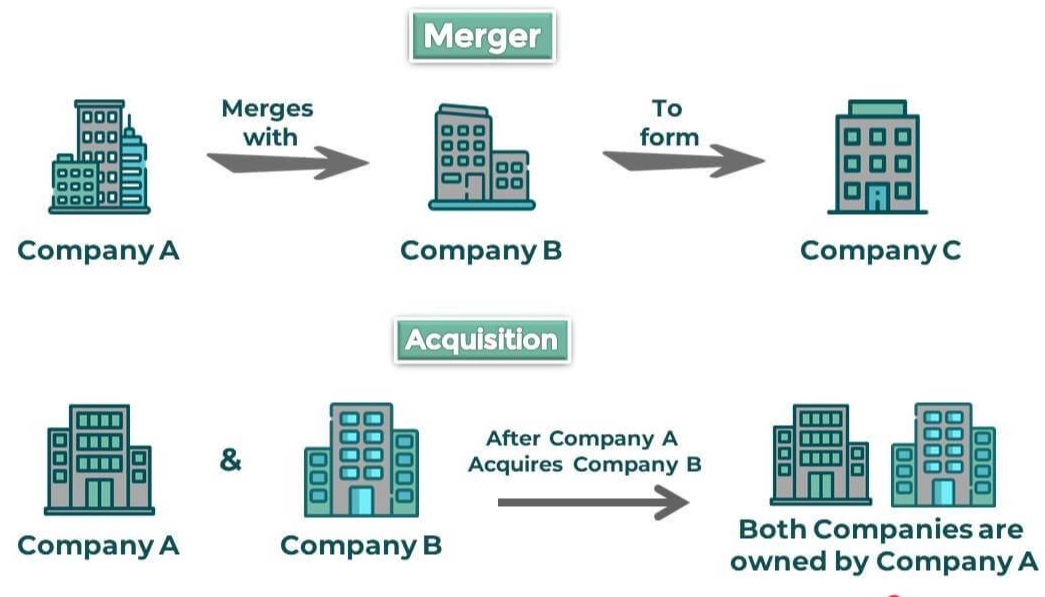
What You'll Learn
What is M&A and Why Do Companies Bother?
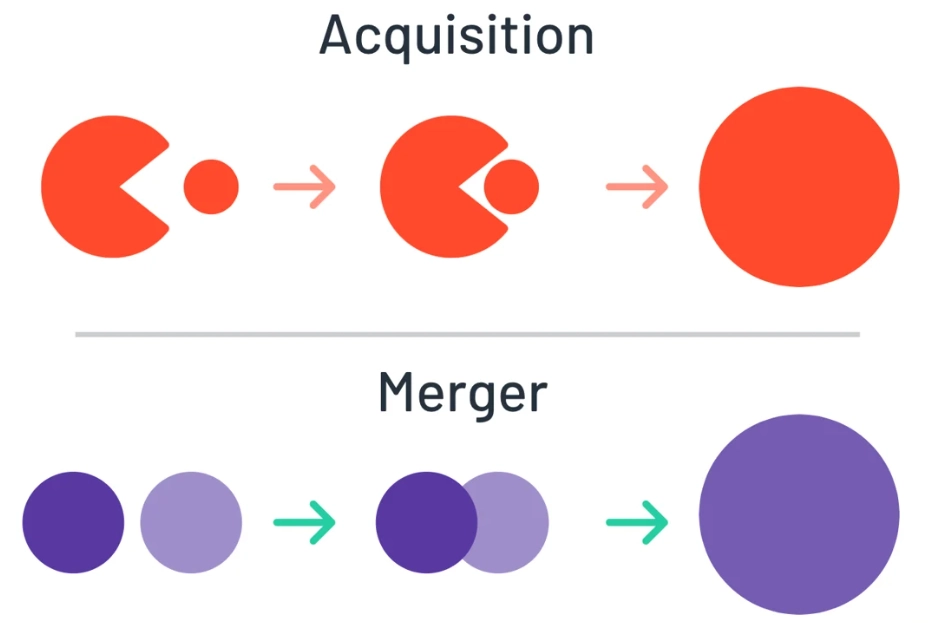
At its core, a merger or acquisition is a corporate marriage. A merger is typically a "union of equals," forming a new entity. An acquisition is one company (the acquirer) buying and absorbing another (the target). But in practice, most "mergers" are acquisitions in disguise, with one party firmly in the driver's seat.
Companies don't do this for fun. The strategic rationale usually falls into a few buckets:
- Growth, Fast: Instead of building a product or entering a market from scratch, you buy a company that's already there. Think Facebook buying Instagram to own mobile photo-sharing.
- Eliminate a Competitor: Horizontal integration. Less competition often means more pricing power.
- Acquire Talent or Tech: Sometimes called "acqui-hires." You're buying a team or a specific piece of intellectual property, not necessarily the whole business model.
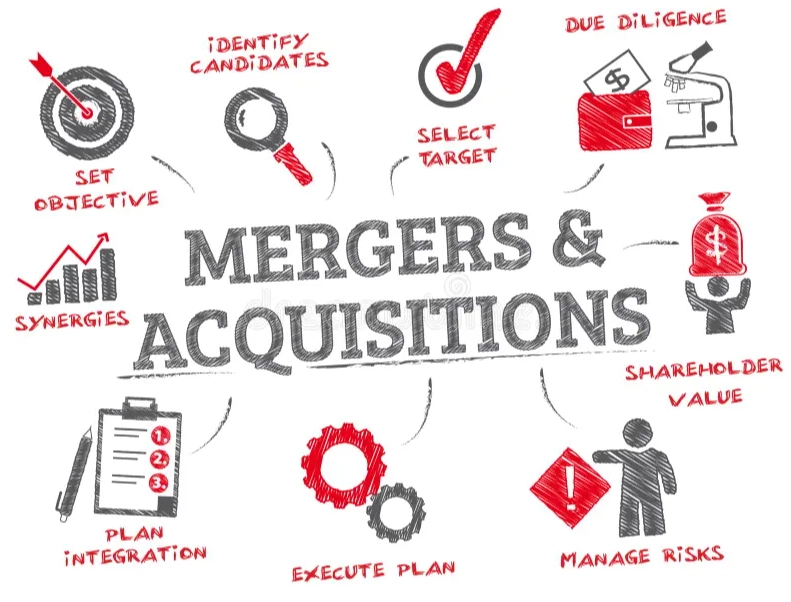
- Achieve Synergies: The magic word. This means cutting redundant costs (overlapping HR departments, closing extra offices) or boosting revenue (cross-selling products).
The M&A Process: A Step-by-Step Walkthrough
Forget the simple "sign and close" idea. A typical strategic acquisition is a marathon with distinct, grueling phases. Let's follow a hypothetical: TechGiant Inc. wants to buy StartUp Innovate.
Phase 1: Strategy and Target Identification
This happens long before any phone call. TechGiant's board decides it needs an edge in artificial intelligence. Internal teams and investment bankers scour the market, creating a long list of potential AI startups, which gets whittled down to a shortlist based on strategic fit, culture, and affordability.
Phase 2: The Courtship and Letter of Intent (LOI)
TechGiant's CEO reaches out to StartUp Innovate's founder. After preliminary talks, if interest is mutual, TechGiant sends a non-binding Letter of Intent (LOI). This is crucial—it outlines the proposed price, deal structure (cash, stock, or mix), and key terms. It also grants TechGiant the exclusive right to negotiate for a set period (usually 30-60 days). Signing the LOI is like getting engaged.
 Phase 3: Due Diligence - The Investigation
This is the make-or-break. TechGiant's army of lawyers, accountants, and engineers descends on StartUp Innovate. They have a data room (virtual these days) full of every contract, financial statement, employee list, and patent. They're looking for skeletons: pending lawsuits, unhappy key customers, shaky intellectual property claims, toxic culture issues.
I've seen deals crater here because due diligence found that the target's "proprietary tech" was built on open-source code with restrictive licenses, or that its top three customers were all planning to leave.
Phase 4: The Definitive Agreement and Closing
If diligence checks out, lawyers draft the final, binding purchase agreement. This hundred-page document details every representation, warranty, and indemnity. It's signed, money changes hands, and the deal is legally closed. But the hard work is just beginning.
How to Ensure a Successful M&A Integration
Closing the deal is the wedding. Integration is the marriage. This is where 70-90% of the promised value is won or lost, according to studies from sources like Harvard Business Review and McKinsey & Company.
You need a plan before close. On Day One, employees of the acquired company are terrified. What's the new org chart? Do I still have a job? Will our brand disappear?
| Integration Pillar | Key Actions | Common Pitfall |
|---|---|---|
| People & Culture | Communicate relentlessly. Name leaders fast. Define cultural non-negotiables. Run joint workshops. | Assuming cultures will "just blend." The acquirer's culture usually dominates, often clumsily. |
| Operations & Systems | Integrate CRM, ERP, email systems. Align sales processes and compensation plans. | Boiling the ocean. Trying to integrate everything at once. Prioritize customer-facing systems first. |
| Customers & Revenue | Joint visits to key accounts. Create bundled offerings. Train sales teams on combined portfolio. | Neglecting the acquired company's customers, making them feel like an afterthought. |
| Synergy Realization | Assign a dedicated synergy PMO. Track savings and revenue lift monthly. Hold leaders accountable. | Synergies existing only in a spreadsheet. No one is personally responsible for delivering them. |
A personal lesson: In one acquisition I was involved with, we spent months on financial models and legal terms but only a week on the "cultural integration playbook." The result? Mass exodus of the target's best engineers within a year. We bought the IP but lost the brains behind it. The cultural piece isn't soft—it's the hardest, most critical part.
Common M&A Mistakes That Kill Deals
Let's be blunt about why deals fail.
Overpaying. This is the classic. In a bidding war or due to CEO ego, the acquirer pays more than the target's standalone value plus any realistic synergies. Shareholders lose.
Strategic Drift. The deal doesn't connect to a core business thesis. It's a "diworsification" play that distracts management and confuses the market.
Bad Due Diligence. Missing a major liability, a key-person dependency, or a flawed technology stack. You inherit problems you didn't budget for.
The "Conqueror" Syndrome. The acquirer's management swoops in, imposes all its processes, dismisses the target's ways as inferior, and demotivates everyone. Value evaporates.
My negative take? Many investment bankers are incentivized to get any deal done to collect their fee. Their "fairness opinion" is often a rubber stamp. The real due diligence has to come from the operating team, not just the finance and legal folks.
Where is M&A Headed Next?
 The landscape is shifting. Regulatory scrutiny is fiercer, especially for big tech deals. We're seeing more carve-outs (buying a division from a larger company) and fewer mega-mergers. Special Purpose Acquisition Companies (SPACs) had their moment, but the model is under pressure.
Two trends I'm watching:
Digital and Data-Driven Diligence: Using AI to analyze mountains of contract data, customer sentiment, and employee reviews pre-deal to find hidden risks.
Earnouts and Contingent Consideration: More deals are structuring part of the purchase price as a future payout based on the target hitting performance milestones post-close. It aligns incentives but can be a source of conflict later.
Your M&A Questions Answered
 Can a small or medium-sized business (SMB) realistically pursue an acquisition?
Reader Comments