Let's cut through the jargon. A short sale happens when a homeowner sells their property for less than the outstanding mortgage balance, and the lender agrees to accept that reduced amount as full payment. It's not a get-rich-quick scheme. It's a financial triage tool, often a last resort before foreclosure. For sellers, it's about damage control. For buyers and investors, it can represent a strategic entry point into the market. But the process is notoriously opaque, slow, and littered with pitfalls that most generic advice glosses over.
I've seen deals fall apart because someone didn't understand the second lien holder's role, or because a buyer lowballed an offer so aggressively the bank just stopped responding. This guide is built from those trenches.
What You'll Learn in This Guide
- What is a Short Sale? The Core Mechanics
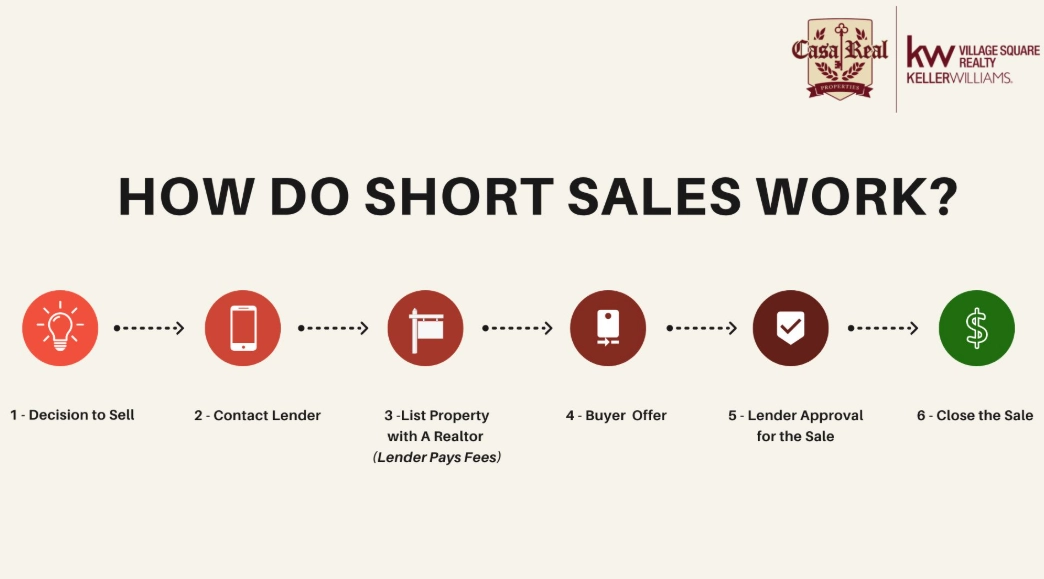
- How Does the Short Sale Process Work? A Step-by-Step Timeline
- Short Sale vs. Foreclosure: The Critical Differences
- The Investor's & Buyer's Guide to Short Sales
- The Homeowner's Short Sale Checklist: Protecting Your Future
- Common Short Sale Pitfalls and How to Sidestep Them
- Your Short Sale Questions Answered
What is a Short Sale? The Core Mechanics
Think of it as a negotiated surrender. The homeowner is in financial distress, unable to keep up with payments. The property's market value has dropped below the mortgage debt. Foreclosure is looming. In a short sale, the lender (the bank) agrees to let the owner sell the home at fair market value, even though the proceeds won't cover the full loan.
The "short" refers to the shortage of funds sent to the lender. The bank takes a loss. Why would they do that? Because foreclosure is expensive. Legal fees, property maintenance, holding costs, and the inevitable sale at auction often result in a deeper loss than a managed short sale. According to analyses from the Federal Reserve, foreclosure can cost a lender tens of thousands more than a short sale.
How Does the Short Sale Process Work? A Step-by-Step Timeline
Forget the standard 30-day closing. A short sale is a marathon, not a sprint. Here’s the real-world timeline, based on dealing with banks like Wells Fargo, Bank of America, and smaller portfolio lenders.
Phase 1: The Pre-Listing Grind (1-4 Weeks)
The homeowner must prove hardship. This isn't just saying "I'm broke." It's documented evidence—job loss paperwork, medical bills, divorce decrees, bankruptcy filings. The seller and their agent compile the short sale package. This monster packet includes the hardship letter, financial statements (bank accounts, tax returns), a listing agreement, a comparative market analysis (CMA), and the purchase offer. Missing a single document resets the clock.
Phase 2: The Bank's Black Box (8-16 Weeks, Often Longer)
The package is submitted to the lender's loss mitigation department. An assignee (often from a third-party company like ServiceLink) is assigned to value the property. They'll order a Broker Price Opinion (BPO) or an appraisal. This is where deals get stuck. The bank's valuation might be unrealistically high, clinging to pre-decline numbers. Negotiation begins. The buyer's offer, the BPO value, and the bank's bottom line are all in the mix.
If there's a second lien (a big "if" that complicates everything), that lender must also agree. They might settle for a tiny fraction of what they're owed, like $3,000 on a $50,000 HELOC, but getting them to that number takes separate, parallel negotiations.
Phase 3: Approval and Closing (3-6 Weeks)
You get the golden ticket: the Approval to Participate (ATP) or conditional approval letter. It outlines the approved sale price and terms. Crucially, it states the bank will not pursue a deficiency judgment against the seller (this is not guaranteed and must be in writing!). From here, it moves like a normal sale, with inspections and closing, but everyone is exhausted.
Short Sale vs. Foreclosure: The Critical Differences
People lump these together, but the outcomes are worlds apart, especially for the homeowner. For buyers, the purchase process is also fundamentally different.
| Aspect | Short Sale | Foreclosure |
|---|---|---|
| Control | Homeowner initiates and manages the sale with an agent. | Lender takes legal control and sells the property. |
| Credit Impact | Major negative mark, but less severe than foreclosure. May drop score 100-150 points. Can potentially buy again in 2-4 years (FHA). | Most damaging event. Can drop score 200+ points. Waiting period for a new mortgage is typically 7 years (conventional). |
| Deficiency Judgment | Often waived as part of the negotiation (GET THIS IN WRITING). | Lender can often pursue the borrower for the remaining debt after the auction sale. |
| Time to Sell | 4-9 months on average. | Varies by state; can be quick (a few months) or take over a year. |
| Property Condition | Usually occupied and better maintained. | Often vacant, possibly vandalized or neglected. |
| Purchase Process | Offer contingent on bank approval. Lengthy negotiation. | Buy at auction (cash, as-is) or from lender's REO department after. |
The Investor's & Buyer's Guide to Short Sales
You're looking for a deal. I get it. But the biggest mistake is thinking every short sale is a steal. Banks are not charities. Their BPO agent's job is to justify the highest possible value to minimize the bank's loss.
Your offer strategy needs finesse. Coming in at 50% of market value is a waste of everyone's time and guarantees radio silence. Based on my experience, an offer between 85-92% of the after-repair value (ARV), minus your estimated repair costs and profit margin, has a shot at starting a real conversation. You must justify your price with a solid CMA and repair estimates.
Here’s what most investing courses don't tell you: the listing agent matters more than the property. Before you even look at the house, call the agent. Ask:
- "Is the complete short sale package already assembled and ready to submit?"
- "Have you identified all lien holders?"
- "What's your experience with this specific lender's loss mitigation department?"
If they hesitate or say they're "just getting started," your timeline just doubled. Walk away unless the deal is phenomenal.
The Homeowner's Short Sale Checklist: Protecting Your Future
If you're the seller, this is about survival. Your goal isn't just to sell; it's to emerge with a path forward.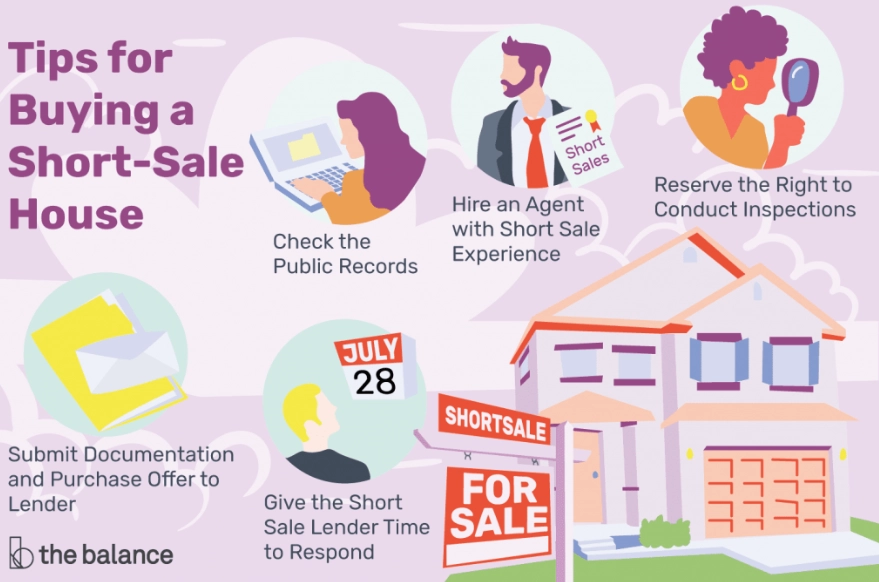
1. Consult a Tax Professional and Attorney. The forgiven debt in a short sale may be considered taxable income by the IRS (Form 1099-C). There are exemptions, like the Mortgage Forgiveness Debt Relief Act (which has been extended periodically, but don't assume it applies). A real estate attorney can review the bank's approval letter to ensure the deficiency waiver is ironclad.
2. Choose an Agent with Proven Short Sale Experience. Don't use your cousin who sells three houses a year. Ask for references from past short sale clients. Check their designations (CDPE - Certified Distressed Property Expert is a good sign).
3. Document Everything Religiously. Create a file for every piece of communication with the bank, every fax receipt, every email. This is your paper trail if things go sideways.
4. Be Prepared for the Credit Hit, But Plan Your Comeback. Start rebuilding immediately. Get secured credit cards, pay every bill on time. The Federal Housing Administration (FHA) has a "back to work" program that can shorten waiting periods after an economic event.
Common Short Sale Pitfalls and How to Sidestep Them
Let's talk about where deals die.
Pitfall 1: The "Dual Tracking" Nightmare. The bank continues foreclosure proceedings while simultaneously negotiating the short sale. You think you're 8 weeks into a short sale, but the foreclosure auction date is in 6 weeks. Solution: Your agent must get written confirmation the foreclosure is paused once the short sale package is submitted.
Pitfall 2: The Lowball That Kills the Deal. An insultingly low offer can cause the bank's negotiator to reject the file outright, labeling the seller as "not acting in good faith." Solution: Price it at or very near fair market value from the start. The bank's BPO will likely be in that ballpark.
Pitfall 3: Ignoring the Second Lien. The primary lender agrees, but the second (the HELOC) wants $20,000. The primary lender might offer them a $5,000 "cash for keys" deal to go away. If they refuse, the deal stalls. Solution: Identify all liens upfront. The listing agent must be negotiating with both from day one.
Your Short Sale Questions Answered
 The bank approved my short sale, but now they're sending me a 1099-C for $80,000. Do I have to pay taxes on that?
Reader Comments