A checking account is your financial hub for daily life. It's a deposit account held at a bank or credit union that lets you deposit money, withdraw cash, and pay for things using checks, debit cards, or electronic transfers. Think of it as the operational center for your paycheck, bills, and everyday spending. Most adults have one, but many don't fully grasp how to use it without getting nickel-and-dimed by fees.
What You'll Learn in This Guide
- What Is a Checking Account? A Clear Definition
- How Checking Accounts Work: The Mechanics Behind Your Transactions
- Checking vs. Savings Account: Key Differences You Need to Know
- Benefits of Using a Checking Account for Daily Finances
- Common Fees and How to Avoid Them
- Choosing the Right Checking Account: A Step-by-Step Guide
- FAQ: Your Top Questions Answered
What Is a Checking Account? A Clear Definition
The Federal Deposit Insurance Corporation (FDIC) insures these accounts up to $250,000 per depositor, per bank, which means your money is safe even if the bank fails. That's a crucial point often overlooked in basic definitions.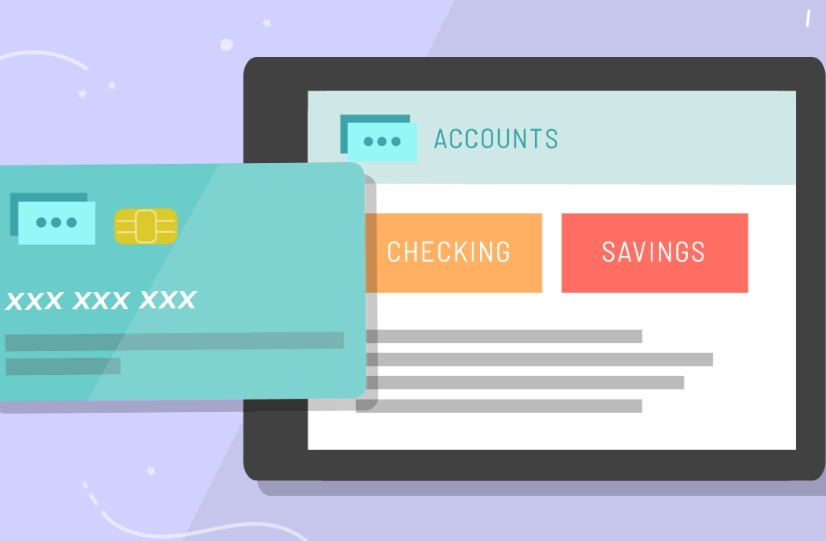
Key Characteristics: Unlimited deposits and withdrawals (with some exceptions for certain withdrawals if regulated), low or no interest earned, and tools for easy spending like debit cards and checkbooks. It's not meant for growing wealth but for managing cash flow.
I remember helping a friend open her first checking account. She thought it was just a place to stash cash, like a digital wallet. But when she started using the debit card for groceries and online subscriptions, she realized it's an active tool. The bank gave her a checkbook too, which she still uses for rent because her landlord prefers it.
The Evolution from Paper Checks to Digital Hubs
Checking accounts have shifted from paper-based systems to digital platforms. In the 1980s, you'd balance a checkbook register manually. Now, apps like those from Chase or Bank of America update transactions in real time. This shift means features like mobile check deposit and instant transfers are standard, but it also introduces new pitfalls—like overdrafts from auto-payments you forgot about.
How Checking Accounts Work: The Mechanics Behind Your Transactions
When you swipe your debit card at a coffee shop, several things happen behind the scenes. The merchant's terminal sends a request to your bank through a payment network (like Visa or Mastercard for debit). Your bank checks if you have enough funds, approves or declines the transaction, and updates your balance instantly. If it's a check, the processing takes a day or two as it moves through the clearing system.
Banks use your deposited money to lend to others, earning interest. In return, they provide you with services, but they also charge fees if you don't meet certain conditions. It's a symbiotic relationship that can turn sour if you're not careful.
From my decade in banking, I've seen customers get hit with fees because they didn't understand the mechanics. One common mistake: assuming pending transactions don't affect available balance. They do, and that's how overdrafts sneak up.
Understanding Account Statements and Balances
Your monthly statement isn't just a formality. It shows all transactions, fees, and interest earned. The available balance is what you can spend right now, while the current balance includes pending items. Discrepancies here cause most overdrafts. Always track your available balance via the bank's app, not just the current balance.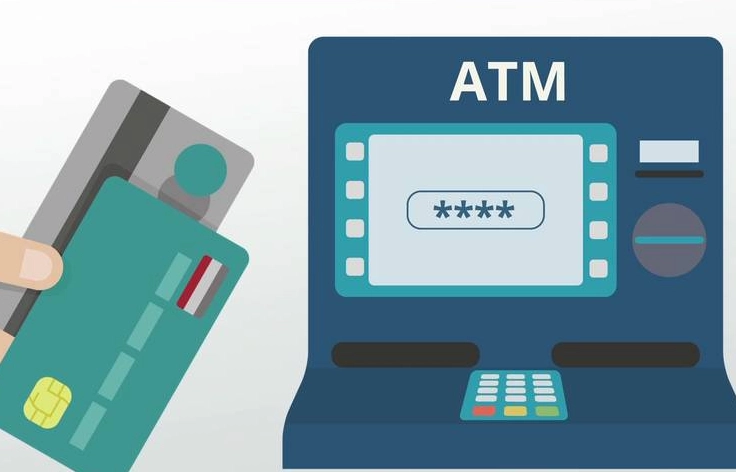
Checking vs. Savings Account: Key Differences You Need to Know
People often mix these up, but the distinction is critical for financial health. A checking account is for spending, a savings account is for storing.
| Feature | Checking Account | Savings Account |
|---|---|---|
| Primary Purpose | Daily transactions (payments, withdrawals) | Saving money and earning interest |
| Transaction Limits | Unlimited typically | Limited to 6 certain withdrawals per month (Regulation D, though suspended during COVID-19 but may be reinstated) |
| Interest Rates | Usually low (0.01% - 0.05% at big banks) | Higher (0.5% - 2%+ at online banks) |
| Access Methods | Debit cards, checks, ATMs, online transfers | Transfers, ATM withdrawals (fewer options) |
| Common Fees | Monthly maintenance, overdraft, ATM fees | Excess withdrawal fees, minimum balance fees |
Why does this matter? If you use a savings account for daily spending, you might hit withdrawal limits and face fees. Conversely, keeping all your money in checking means missing out on interest. The sweet spot is using both: checking for bills, savings for emergencies.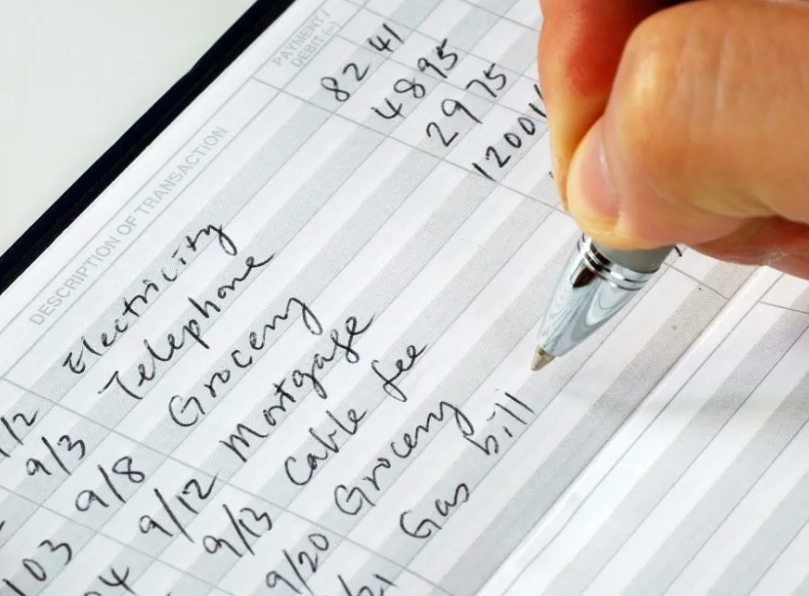
I advised a client once who was using his savings account like checking—constantly transferring money out for small purchases. He got hit with excess transaction fees twice before switching to a dedicated checking account. The bank didn't clearly explain the limits upfront, which is a common issue.
Benefits of Using a Checking Account for Daily Finances
Beyond basic definition, checking accounts offer tangible advantages. Safety is big: carrying cash is risky, but a debit card can be canceled if lost. Convenience too—imagine paying bills with money orders versus online bill pay. It's faster and often free.
Direct deposit gets your paycheck up to two days early at some banks, like Chime or Capital One. That's a game-changer for budgeting. Also, building a relationship with a bank can help with future loans. They see your transaction history and are more likely to approve a mortgage if you've managed your checking account well.
The Role in Financial Tracking
Every transaction leaves a digital trail. Use this to your advantage. Apps categorize spending automatically, so you can see where your money goes. For example, Bank of America's Spending & Budgeting tool breaks down expenses into groceries, entertainment, etc. It's like having a free financial advisor in your pocket.
But here's a downside some banks don't advertise: if you have a low balance, they might push you into expensive overdraft programs. I've seen cases where a $5 coffee leads to a $35 fee because the bank allowed the transaction despite insufficient funds. That's predatory, in my view.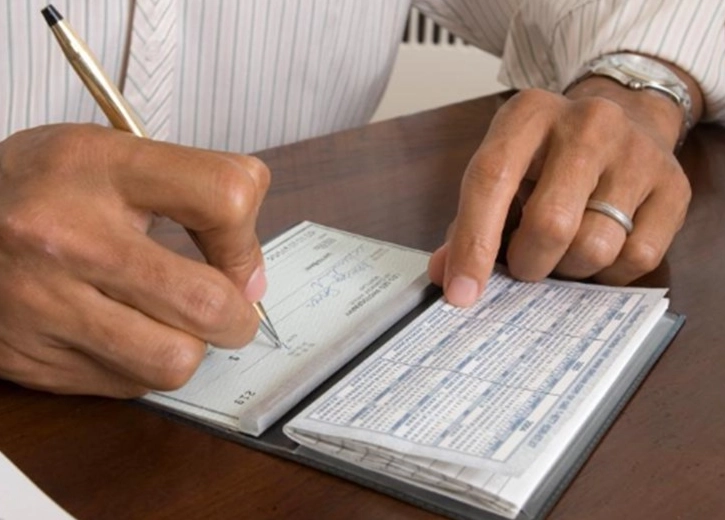
Common Fees and How to Avoid Them
Fees are where checking accounts can bite. The big ones: monthly maintenance fees (if balance falls below a minimum), overdraft fees (around $35 per incident), ATM fees (for using out-of-network machines), and foreign transaction fees.
How to dodge them? For monthly fees, look for accounts with no minimum balance requirements. Online banks like Ally or Discover often waive these. For overdrafts, opt out of overdraft protection—it sounds helpful but usually means fees. Instead, set up alerts for low balances. Most banks let you do this in their app.
ATM fees are easy to avoid. Use your bank's network or choose a bank that reimburses fees. Schwab Bank, for instance, refunds all ATM fees worldwide. Foreign transaction fees? Get a checking account from a bank that doesn't charge them, like Capital One 360, if you travel often.
I once paid $12 in ATM fees on a trip because I didn't plan ahead. Now, I always check my bank's ATM locator before traveling. Small habits save big money.
The Overdraft Trap: A Deep Dive
Overdraft fees are a major pain point. Banks often process transactions from largest to smallest to maximize fee revenue—a practice criticized by the Consumer Financial Protection Bureau (CFPB). If you have $100 and make charges of $90, $15, and $5, they might clear the $90 first, then hit you with two overdraft fees for the smaller ones. To combat this, keep a buffer in your account or link to savings for automatic transfers.
Choosing the Right Checking Account: A Step-by-Step Guide
Picking a checking account isn't one-size-fits-all. Start by assessing your habits. Do you use ATMs frequently? Prefer mobile banking? Travel internationally? Here's a practical approach:
Step 1: Identify Your Needs. List your monthly transactions: direct deposits, bill payments, cash withdrawals. If you're a student, look for student accounts with no fees. Small business owners might need business checking accounts with higher transaction limits.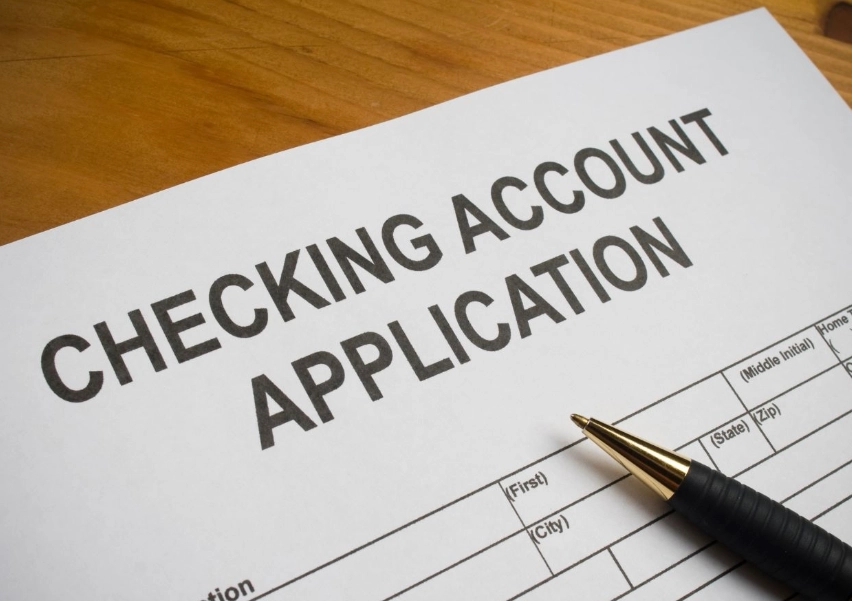
Step 2: Compare Fees and Features. Don't just go for the big-name bank. Check online banks and credit unions. Use comparison tools on sites like NerdWallet or Bankrate. Key features to compare: monthly fees, minimum balance requirements, ATM access, interest rates, and mobile app ratings.
Step 3: Consider Interest Rates. High-yield checking accounts exist, but they often come with hoops. For example, Lake Michigan Credit Union offers up to 3% APY if you make 10 debit card purchases and log into online banking monthly. Is it worth it? If you can meet the requirements, yes.
Step 4: Test the Customer Service. Call the bank's support line or visit a branch. Ask about fee waivers or how they handle disputes. A responsive bank can save headaches later.
Step 5: Open the Account. You'll need identification (driver's license, Social Security number) and an initial deposit (often $25-$100). Do it online or in person. Set up alerts and opt out of overdraft coverage immediately.
I helped my niece choose her first account. She went with a local credit union because it offered a free checking account with no minimum balance and a robust app. Six months in, she's avoided fees and even earned a little interest.
Reader Comments