Quick Navigation
- So, What Exactly Is a Digital Asset? Let's Break Down the Jargon
- The Digital Assets You Probably Own (A Surprisingly Long List)
- How to Actually Manage Your Digital Assets (A Practical Plan)
- Common Questions & Pain Points (The Stuff You Actually Google)
- Where Is This All Heading? The Future of Digital Assets
Let's be honest, when most people hear "digital assets," they immediately think of Bitcoin flashing on a screen. Maybe an NFT of a cartoon ape. It's a term thrown around a lot, but I've found that very few folks really grasp the sheer breadth of what it covers. It's not just for crypto bros or tech wizards anymore. If you have an email account, photos on your phone, a social media profile, or even a playlist you lovingly curated, you're already in the game. You own digital property.
I remember helping my parents sort out their files a while back. My dad had paper records for everything – stocks, deeds, you name it. But when I asked about their email passwords or where their digital family photos were backed up, it was a blank stare. That's the gap. Our valuable stuff has shifted online, but our mindset about owning and protecting it hasn't quite caught up. That's what we're going to fix here.
This isn't a hype piece. We're going to walk through what digital assets actually are, the different types you might own (probably more than you think), and the very real, sometimes mundane, steps to managing them. Because losing access to your crypto wallet is one thing, but losing a lifetime of family videos? That's a different kind of pain.
So, What Exactly Is a Digital Asset? Let's Break Down the Jargon
At its core, a digital asset is anything that exists in a digital form and comes with a right to use it. Think of it as a digital file that has value. That value can be monetary, like Bitcoin, or sentimental, like your text message history with a loved one. The key ingredients are:
- Digital Existence: It's not a physical object. It's data – a string of ones and zeros stored on a phone, computer, or server somewhere in the cloud.
- Identifiability: You can point to it. It has a specific location (like a file path, a URL, or a wallet address) or a unique identifier (like a token ID for an NFT).
- Ownership or Usage Rights: This is the big one. You have some claim over it. It might be full legal ownership, or it might be a license to use it (like the music you "own" on iTunes). This right is what gives it value.
The scope is massive. It covers everything from the obvious financial instruments to the creative work you do and the data trails you leave behind. It's a category that's constantly evolving, which is why a static, textbook definition often falls short.
The Digital Assets You Probably Own (A Surprisingly Long List)
Most articles just talk about crypto and NFTs. That's a tiny slice of the pie. To really manage your digital life, you need to see the whole picture. Let's categorize them. I like to break them down into four main buckets based on their primary nature.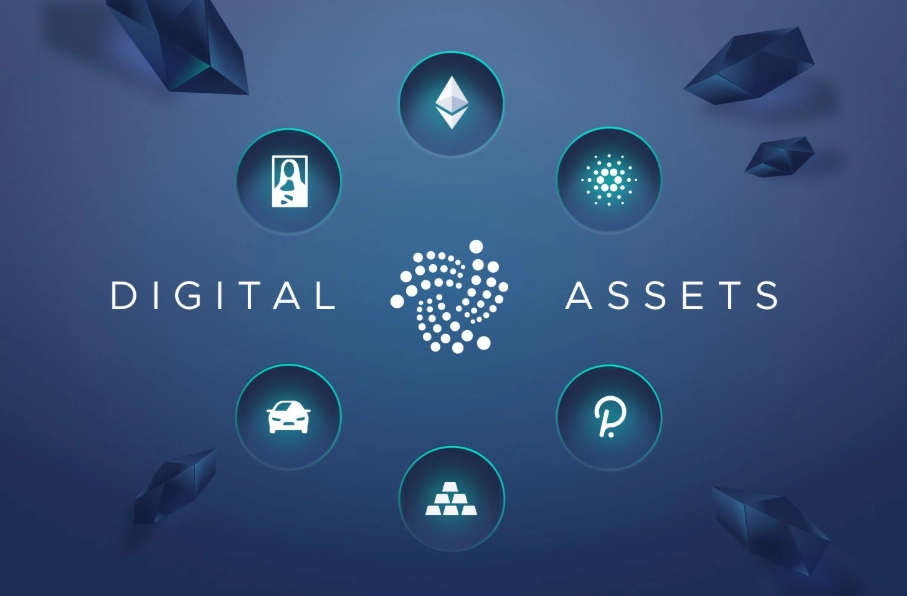
1. Financial Digital Assets
These are the ones that have a clear, direct monetary value and are often designed as investment vehicles or currencies.
- Cryptocurrencies: Bitcoin, Ethereum, and the thousands of altcoins. They live on blockchains and are secured by cryptography. Their value is highly volatile and speculative.
- Tokenized Assets: This is where real-world things get a digital twin. Think tokenized real estate, company shares, or even a piece of fine art represented by a blockchain token. Platforms like the U.S. Securities and Exchange Commission (SEC) are heavily scrutinizing this space, as some tokens can be considered securities.
- Central Bank Digital Currencies (CBDCs): The digital version of a country's fiat currency, issued by its central bank. China's digital yuan is a leading example. It's a far cry from decentralized crypto.
- Digital Securities & Stocks: Owning shares of Apple or Tesla through an online broker like Robinhood or eToro? The record of that ownership is a digital asset. The trend is moving towards representing these on blockchain too, for faster settlement.
I've dabbled in a few of these, and while the potential is fascinating, the user experience can be awful. Setting up a wallet, managing private keys, dealing with gas fees on Ethereum – it's not for the faint of heart. The infrastructure is still maturing, painfully so at times.
2. Creative & Intellectual Property Digital Assets
This is the realm of creation. The value here is in the content itself.
- Digital Media You Own: eBooks, movies, music, and software you've purchased for download. (Note: Often you've bought a license, not the asset itself, which is an important distinction).
- Non-Fungible Tokens (NFTs): Unique digital certificates of ownership for a specific item, linked to digital (or sometimes physical) art, collectibles, in-game items, or membership passes. The Christie's auction house selling Beeple's NFT for $69 million put this on the map, but the market has cooled significantly since the initial frenzy.
- Domain Names: Your website's address (like google.com). These can be incredibly valuable digital real estate.
- Digital Art & Designs: Original graphics, logos, 3D models, or music files created by you or your business.
- Written Content: Blog posts (like this one!), ebooks, scripts, and code you've written. If you create content online, this is a major asset.
3. Identity & Data Digital Assets
This is the most personal category. It's your digital footprint and identity.
- Social Media Accounts & Content: Your Facebook profile, Instagram photos, Twitter/X history, YouTube channel. These have reputational and sometimes commercial value.
- Personal Data: Your browsing history, purchase habits, health data from a Fitbit, location data. While you might not "sell" this, companies value it immensely for advertising.
- Online Gaming Assets: Skins, weapons, characters, and virtual currency in games like Fortnite or World of Warcraft. For some, these inventories are worth thousands of dollars.
- Professional Profiles: Your LinkedIn profile, portfolio website, GitHub repository. These are career-critical assets.
- Email Accounts & Communications: Your Gmail or Outlook inbox isn't just messages; it's a repository of contacts, important documents, and personal history.
This category creeps people out a bit, and for good reason. The idea of our personal data being an "asset" traded by corporations feels invasive. But understanding it as an asset is the first step to controlling it better.
4. Functional & Infrastructure Digital Assets
These are the behind-the-scenes assets that make things work, often for businesses.
- Software Licenses & SaaS Subscriptions: The license key for your Adobe Creative Cloud or the subscription to your CRM like Salesforce.
- Databases: A company's customer relationship management (CRM) database is a goldmine of a digital asset.
- Website Files & Code: The backend code, databases, and content management system that power a website.
- Cloud Storage & Access: Your allocated space on Google Drive, Dropbox, or AWS. The data within is the asset, but the access itself is crucial.
Here’s a table to visualize how these categories stack up in terms of common characteristics:
| Asset Category | Primary Value Driver | Typical Storage | Liquidity (Ease of Sale) |
|---|---|---|---|
| Financial (e.g., Crypto) | Monetary / Speculative | Blockchain / Exchange | High (on exchanges) |
| Creative (e.g., NFT Art) | Cultural / Scarcity | Blockchain / IPFS* | Medium (needs a marketplace) |
| Identity & Data (e.g., Social Profile) | Personal / Reputational | Corporate Servers | Very Low (hard to transfer) |
| Functional (e.g., Software License) | Utility / Operational | Provider's Cloud | Low (often non-transferable) |
*IPFS: InterPlanetary File System, a decentralized storage network.
See? Your digital assets are way more than just a coin balance. Now, let's talk about the part everyone finds daunting but absolutely necessary: managing this mess.
How to Actually Manage Your Digital Assets (A Practical Plan)
Management isn't just about buying low and selling high. It's about security, access, and legacy. Doing nothing is a plan, but it's a terrible one. Here's a layered approach that doesn't require you to be a tech genius.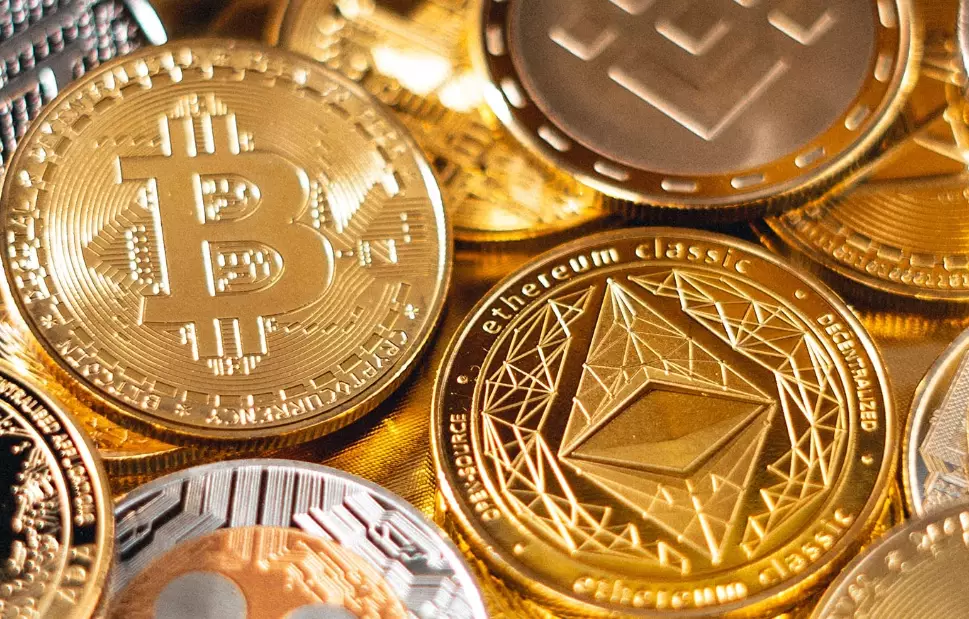
Step 1: The Inventory – What Do You Actually Have?
You can't manage what you don't know exists. This is the most critical step. Set aside an hour and make a list. Use a simple spreadsheet or even a document. For each asset, note:
- Asset Name/Type: (e.g., "Bitcoin," "Primary Gmail," "Instagram Portfolio Account")
- Where It's Held: (e.g., Coinbase, Google, personal laptop, MetaMask wallet)
- Access Details: Username, email used. (DO NOT write passwords here! This is just a map).
- Approximate Value: Monetary, sentimental, or operational.
- Beneficiary/Heir: Who should get this if something happens to you?
Step 2: Security – Locking the Digital Doors
Security failures are the number one way people lose their digital assets.
- Passwords: Use a reputable password manager like Bitwarden or 1Password. Every important account needs a unique, complex password. Full stop.
- Two-Factor Authentication (2FA): Enable this on EVERY account that offers it, especially email and financial accounts. Use an authenticator app (like Google Authenticator or Authy) instead of SMS if possible, as SIM-swapping attacks are real. The Cybersecurity & Infrastructure Security Agency (CISA) strongly advocates for MFA (Multi-Factor Authentication) as a baseline security practice.
- Private Keys & Seed Phrases: For crypto wallets, these are the keys to the kingdom. If you lose them, your assets are gone forever. If someone else gets them, your assets are theirs. Write them down on physical paper ("cold storage") and store them in a fireproof safe or safety deposit box. Never store them digitally in plain text.
- Device Security: Use PINs, biometrics, and keep your device software updated. Basic hygiene goes a long way.
I know, it's a hassle. But the five minutes it takes to set up 2FA can save you from a nightmare.
Step 3: Access & Legacy Planning – The "What If" Scenario
This is the part most people ignore. What happens to your digital assets if you die or become incapacitated? Social media accounts, email, crypto wallets – they can become inaccessible or lost.
- Digital Executor: Appoint someone you trust as a digital executor in your will. This should be a tech-savvy person who understands the responsibility.
- Letter of Instruction: Create a separate, sealed letter for your executor or family. This is where you provide the *how* – the location of your password manager master password (not the passwords themselves), instructions for accessing your inventory document, and your wishes for each major asset (e.g., "Please archive and close my Facebook, but transfer my domain name to my business partner").
- Check Platform Policies: Companies like Google (Google's Inactive Account Manager) and Facebook (Legacy Contact) have built-in tools to handle accounts after a user passes away. Use them.
Talking about this feels morbid, but it's a profound act of consideration. It prevents immense frustration for your loved ones during a difficult time.
Step 4: Organization & Maintenance
Make it a habit.
- Regular Backups: For important files (photos, documents, creative work), follow the 3-2-1 rule: 3 total copies, on 2 different media types, with 1 copy offsite (e.g., cloud).
- Review & Update: Review your inventory and security settings once or twice a year. Update passwords, check for new legacy tools from services you use.
- Consolidate Where Possible: Do you have crypto scattered across five exchanges? Consider consolidating to one or two reputable ones, or moving long-term holdings to a hardware wallet for security.
Management isn't a one-time project. It's an ongoing part of modern life.
Common Questions & Pain Points (The Stuff You Actually Google)
Where Is This All Heading? The Future of Digital Assets
It's easy to get caught in the hype cycles, but the underlying trend is solid: more of our value and identity is moving online. Here are a few directions this is likely to take:
- Tokenization of Everything: We'll see more real-world assets (real estate, car titles, patents) represented as blockchain tokens. This could make buying and selling fractional shares of assets easier and faster.
- Improved User Experience (UX): The current process for managing crypto and NFTs is clunky. Wallets will become more seamless and integrated, perhaps built directly into browsers or operating systems. This is essential for mainstream adoption.
- Stricter Regulation: Governments won't sit on the sidelines. Expect clearer (and likely stricter) regulations around cryptocurrencies, stablecoins, and security token offerings. This will bring more institutional players into the space but may curb some of its libertarian ideals.
- Decentralized Digital Identity: Projects aiming to give you control over your personal data assets, allowing you to share verified credentials (like your degree or driver's license) without handing over all your data to a corporation.
The future isn't about one type of digital asset "winning." It's about a complex, interconnected ecosystem where your financial assets, creative output, and personal identity can interact in new, user-controlled ways. The friction we feel today is just growing pains.
Look, wrapping your head around all this can feel overwhelming. I get it. The technology is moving fast, the rules are unclear, and the risks are real. But the worst thing you can do is stick your head in the sand and hope it all goes away. It won't.
Start small.
Pick one thing from this article. Maybe it's enabling 2FA on your main email account tonight. Maybe it's spending 30 minutes this weekend starting that inventory list. Perhaps it's having a conversation with your partner about who should handle your digital photos if something happens.
Digital assets are just stuff. Your stuff. It's valuable, it's personal, and it deserves a bit of your attention. By understanding what you have and taking a few practical steps to secure and organize it, you're not just protecting bytes of data. You're protecting memories, financial value, and a piece of your legacy. That's a task worth doing, one step at a time.
Reader Comments