Quick Navigation
- The Full List: Which States Have No State Income Tax?
- A Closer Look at Life in These Tax-Free Zones
- The Real Pros and Cons: It's Not Just About the Money
- Who Wins Biggest with No State Income Tax?
- Practical Steps: If You're Seriously Considering a Move
- Common Questions (The Stuff You're Actually Searching For)
- The Bottom Line: Is It Right for You?
Let's talk about money you get to keep. You work hard for it, and the idea of a state taking a chunk of your paycheck before you even see it can feel... unfair. That's where the dream of the no state tax states comes in. It's a powerful magnet, especially if you're from places like California or New York where state income taxes can be steep. The promise is simple: move here, and you keep more of what you earn. Sounds perfect, right?
Well, hold on. It's not *quite* that simple. I've talked to enough people who made the leap—some thrilled, others with a few regrets—to know there's a lot more to the story. Picking a place to live based solely on a tax map is like buying a car for the cup holders. You need to look under the hood, kick the tires, and take it for a test drive on the roads you'll actually travel.
This guide isn't just a dry list. We're going to dig into the real pros and cons, the hidden costs nobody likes to talk about, and the kind of life you can actually build in these places. Is moving to a state with no income tax the right financial move for you? Let's find out.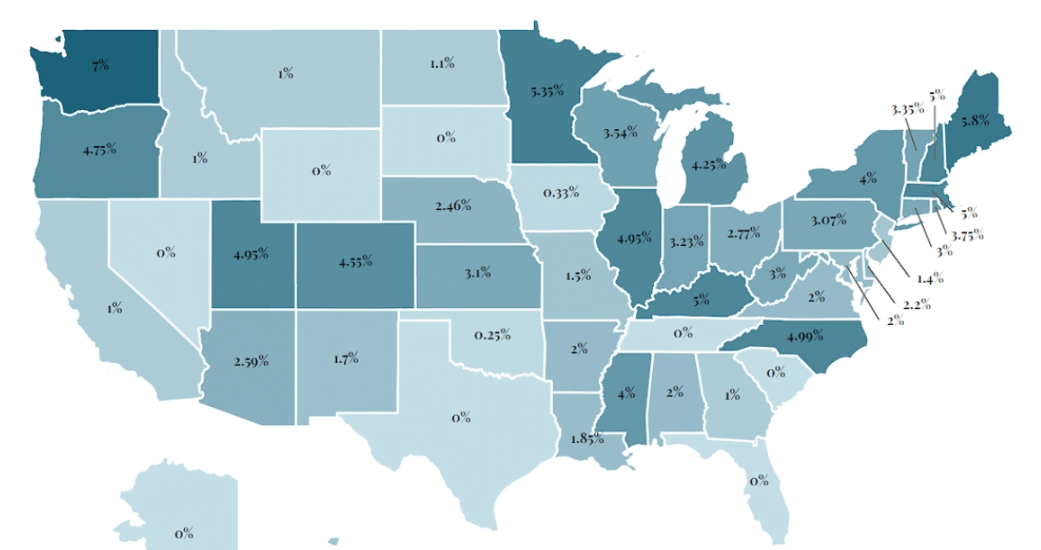
The Full List: Which States Have No State Income Tax?
First, the basics. As of right now, there are nine states that do not levy a broad-based, statewide personal income tax on wages and salaries. This is the core group people mean when they talk about tax free states. But we have to split them into two categories, because one group has a little asterisk next to it.
The Pure-Play No-Income-Tax States (7 States)
These states have zero state-level tax on your wages, salaries, and most other forms of personal income. This is the gold standard.
- Alaska: The frontier. Not only no income tax, but they often pay you (via the Permanent Fund Dividend) just for living there. Of course, the trade-off is... well, it's Alaska.
- Florida: The sunshine giant. This is arguably the most popular destination for retirees and remote workers fleeing high-tax states. The weather is a huge draw, but it brings its own set of costs.
- Nevada: Home to Las Vegas and Reno. The state government runs largely on tourism and gaming revenue, so they don't need your income tax. It's more than just desert casinos, though.
- South Dakota: A sleeper hit for business formation (think LLCs and trusts) due to its friendly laws. The economy is strong, and the cost of living in many areas is very attractive.
- Texas: Everything's bigger, including the property tax bills sometimes. A booming economy, diverse cities, and a fierce sense of independence define the Lone Star State.
- Washington: Tech money in Seattle, beautiful scenery everywhere. No income tax, but they make up for it with other taxes that can feel hefty.
- Wyoming: The least populous state, with vast open spaces and a strong energy sector. Like South Dakota, it's a favorite for certain business structures.
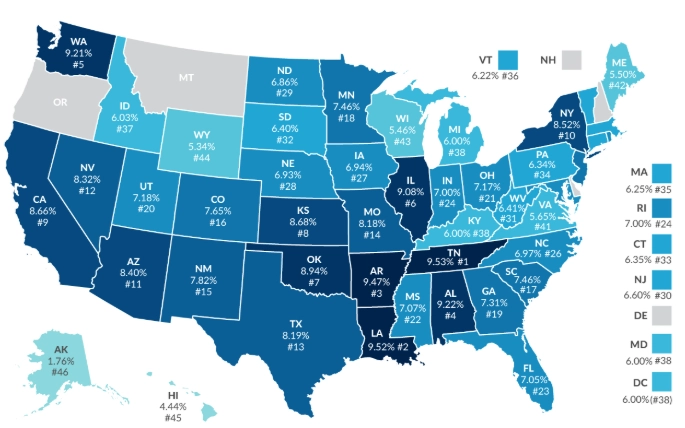
The "But Wait..." States (2 States)
These states are often included on the list, but they have unique systems that tax investment income, not wages.
- New Hampshire: The "Live Free or Die" state taxes interest and dividend income, but not your earned wages. They're also phasing out that tax soon. A great option if your income is salary-based.
- Tennessee: It used to tax investment income (the Hall Tax), but that was fully repealed in 2021. So, Tennessee now genuinely belongs in the first group, but you'll still see old articles mentioning the old system.
A Closer Look at Life in These Tax-Free Zones
Okay, a list is one thing. What's it actually *like*? Let's move beyond the tax code and talk about the vibe, the economy, and the trade-offs for a few of the most popular destinations.
Texas: More Than Just Cowboys and Oil
Texas is an economic powerhouse. Cities like Austin (tech), Houston (energy, medicine), and Dallas (finance, corporate HQs) are massive job markets. The lack of a state income tax is a huge recruiting tool for companies, which in turn brings more people. But here's the thing everyone whispers about: property taxes. They can be shockingly high. A friend who moved from California to a nice suburb near Dallas was stunned to see his annual property tax bill was nearly as much as his previous state income tax. The state also has a relatively high sales tax (up to 8.25% when local rates are added). The trade-off is clear: you swap an income tax for potentially higher property and sales taxes. Is it worth it? For many, absolutely. The housing prices, while rising, can still be better than coastal cities, and the job opportunities are plentiful.
Florida: Retirement Paradise or Crowded Chaos?
Florida is the poster child for the move to no income tax state dream. Warm weather, beaches, and no state tax. It's a powerful combination, especially for retirees on a fixed income. But the influx is staggering. Roads are crowded, home prices and insurance rates have skyrocketed, and the summer heat and humidity are no joke. I spent a July there once—I thought I'd melt walking from my car to the door. Financially, Florida relies heavily on sales tax and tourism-related taxes. There's also no estate or inheritance tax, which is a big deal for wealth transfer. It's a fantastic financial move for many, but you have to be ready for the Florida lifestyle—the good, the bad, and the incredibly humid.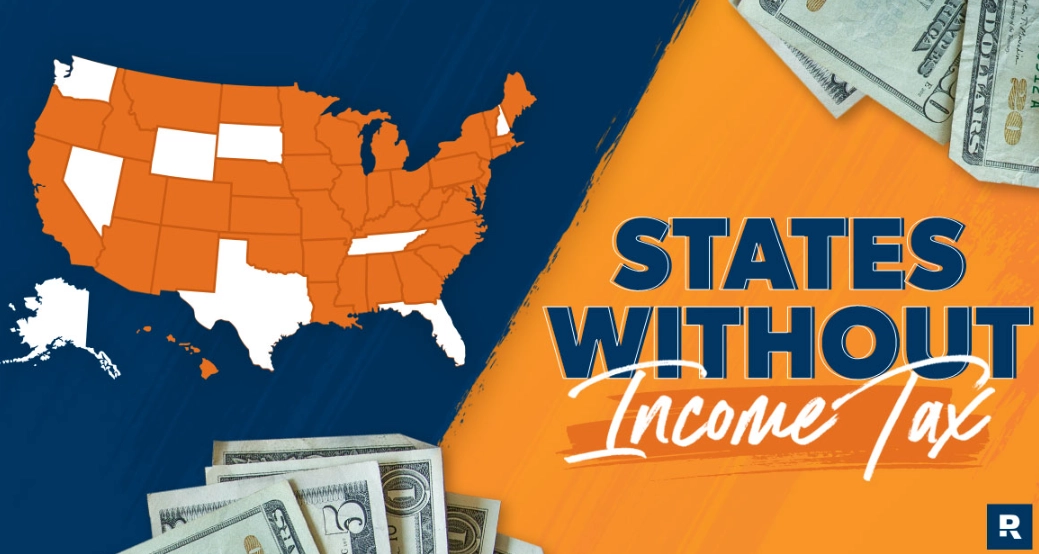
Washington: Natural Beauty with a Tax Twist
If you love the outdoors, Washington is hard to beat. No income tax, but they have one of the highest state sales taxes in the nation (6.5%), and gas taxes are high too. The real kicker for some? There's a significant capital gains tax on high earners now, which blurs the "no tax" line for wealthy investors. Seattle's cost of living, driven by tech salaries, is very high, though other parts of the state are more affordable. You're trading an income tax for a consumption-based tax system. If you're a high earner who doesn't spend lavishly, you can come out way ahead. If you have a moderate income but a high cost of living, the benefit might be less dramatic.
Tennessee & Nevada: The Underrated Contenders
Don't sleep on these two. Tennessee, especially around Nashville, is booming. Music, healthcare, and automotive industries are strong. The cost of living is generally lower than the national average, and now with the investment income tax gone, it's a clean sweep. Nevada isn't just Las Vegas. The Reno area has grown thanks to business-friendly policies and proximity to California. You get the no-income-tax benefit without the extreme heat of Florida or the high property taxes of Texas, though sales taxes are your main bill from the state.
| State | Primary Tax Trade-Off | Key Industries | Overall Cost of Living (vs. U.S. Avg) | Vibe / Note |
|---|---|---|---|---|
| Texas | High Property Taxes | Energy, Tech, Healthcare | Mixed (Low in rural, high in cities) | Booming, big, independent. |
| Florida | High Sales Tax, Insurance Costs | Tourism, Retirement, Finance | Above Average (Coastal) | Busy, sunny, retiree-friendly. |
| Washington | High Sales & Gas Tax | Tech (Amazon, Microsoft), Aerospace | High (Seattle), Avg (Eastern WA) | Outdoorsy, tech-centric, rainy west. |
| Tennessee | High Sales Tax | Healthcare, Music, Auto | Below Average | Growing fast, musical, Southern charm. |
| Nevada | High Sales Tax | Tourism, Gaming, Logistics | Average | More than just Vegas, arid, 24/7 energy. |
| South Dakota | Extreme Winters | Agriculture, Financial Services | Below Average | Quiet, business-friendly, very cold. |
The Real Pros and Cons: It's Not Just About the Money
Everyone focuses on the savings (the pro), but let's be brutally honest about the other side.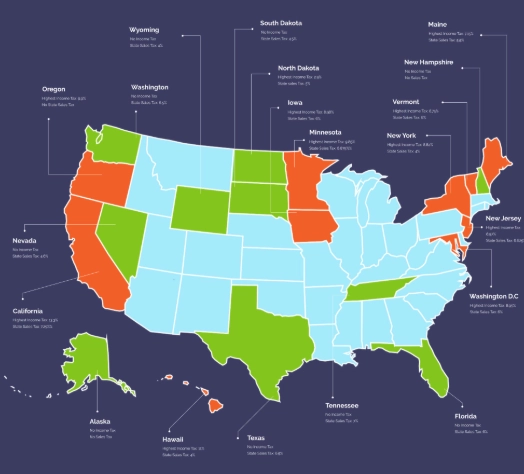
The Clear Advantages
- More Take-Home Pay: This is the big one. For a high-earner, this can mean tens of thousands of dollars more per year. It's immediate and tangible.
- Simplicity: No need to file a complex state income tax return. For some, that's a huge relief in April.
- Retirement Friendly: Your pension, 401(k), and Social Security income go further. This is why Florida and Tennessee are retirement magnets.
- Attractive to Businesses & Entrepreneurs: States like Texas, Nevada, and South Dakota actively court business owners and the self-employed with this policy.
The Often-Overlooked Disadvantages & Hidden Costs
- The Other Taxes Are Higher: This is the universal rule. To fund government, these states rely on sales, property, excise, and/or sin (alcohol, tobacco) taxes. Your overall tax burden might shift, not disappear. The Tax Foundation does great comparative analyses on total state tax burdens.
- Public Services Can Vary: This is a touchy subject, but it's a real consideration. Generally, lower overall tax revenue can impact things like public education funding, road maintenance, and social services. Some states manage this well through other revenue; others have clear rankings near the bottom in certain service areas. It's worth researching the specific services you value.
- Cost of Living Creep: As more people flock to popular no state tax states like Florida and Texas, housing costs, insurance, and general expenses rise. You might save on tax but spend more on your mortgage.
- It's a Permanent Budget Item for the State: Because they rely so heavily on sales tax, their budgets are super sensitive to economic downturns. When people stop buying, state revenue plummets. This can lead to budget shortfalls and cuts or increases in other areas.
Who Wins Biggest with No State Income Tax?
Not everyone benefits equally. The structure of these tax systems creates clear winners and losers.
High-Income Earners & Professionals: If you're a doctor, lawyer, engineer, or executive making a high salary, you save the most in pure dollar terms. Your income isn't being sliced by a progressive state tax rate that can hit 10%+ in places like California.
Retirees: This is a no-brainer for many. Living on a fixed income from investments, pensions, and Social Security is much more comfortable without a state taking a share. It dramatically increases your retirement spending power.
Remote Workers & Digital Nomads: If your job lets you work from anywhere, choosing a tax free state is one of the smartest financial optimizations you can make. You earn a salary potentially tied to a high-cost area but get to keep all of it. Just be 100% sure you establish legal residency correctly—spending 183+ days per year there and changing your driver's license, voter registration, etc. Your employer's payroll department needs to be on board too.
Business Owners & Pass-Through Entities: Owners of LLCs, S-Corps, and partnerships often have business income "pass through" to their personal tax returns. Sheltering that income from state tax is a massive advantage. This is why South Dakota and Wyoming see so many business registrations.
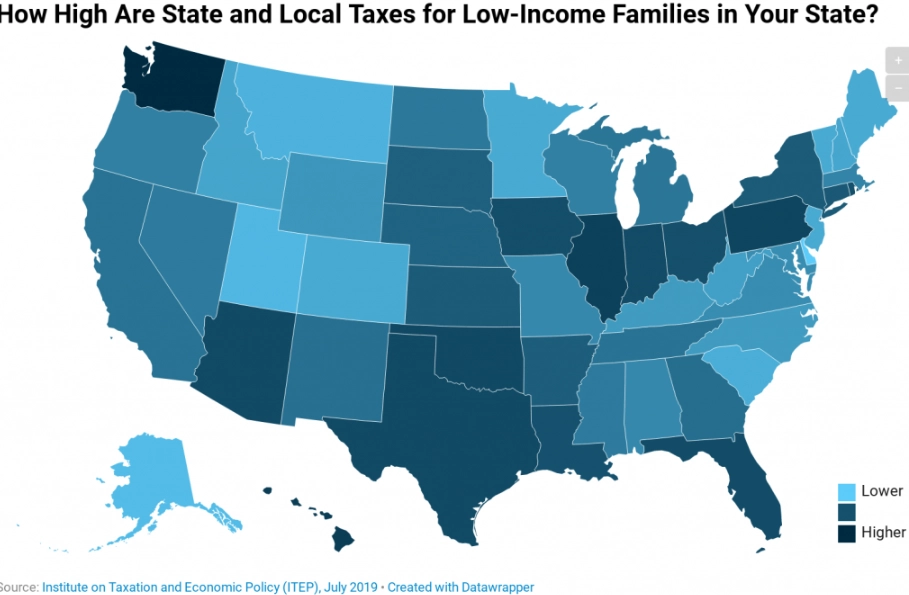
Who might not benefit as much? Lower to middle-income families who spend a large percentage of their income on taxable goods (sales tax) and housing (property tax, either directly or through rent). The regressive nature of sales tax can sometimes mean their overall tax burden as a percentage of income isn't much better than in some low-income-tax states.
Practical Steps: If You're Seriously Considering a Move
Thinking about it is one thing. Planning it is another. Here's a roadmap based on conversations with people who've done it.
- Run the Real Numbers. Don't guess. Use online calculators or, better yet, consult a tax professional who understands multi-state taxation. Compare your total projected tax burden (property, sales, auto, etc.) and cost of living in your target city versus where you live now. The IRS website and state revenue department sites (like the Texas Comptroller) are primary sources for rules.
- Visit, Then Visit Again. Go in the offseason. If you're looking at Florida, go in August. Considering South Dakota? Try January. Live like a local, not a tourist. Grocery shop, drive the commute, check out the neighborhoods.
- Research Beyond Taxes. What are the schools like (GreatSchools.org is a start)? What's the healthcare access? Crime rates? Cultural amenities? Job market for your field? These quality-of-life factors matter more in the long run.
- Understand Residency Rules. This is critical. You must legally establish domicile. This means getting a driver's license, registering to vote, registering your cars, and spending the majority of the year there. Keep records (lease/mortgage, utility bills). Some high-tax states are aggressive about auditing former residents they suspect of pretending to move.
- Plan Your Financial Transition. Update your will, estate plan, and financial accounts with your new address. Notify your employers, banks, and brokers. Understand how the move affects any ongoing income from sources like rentals or businesses in your old state—you may still owe tax there on that income.
Common Questions (The Stuff You're Actually Searching For)
Absolutely, yes. Everyone in the U.S. pays federal income tax regardless of their state. The "no tax" only applies to the state portion. So you're still filing a federal return every year.
Florida and Tennessee consistently top this list, and for good reasons beyond just tax. They have no estate or inheritance tax, moderate climates (though FL is humid), and large, established retiree communities with amenities geared toward seniors. However, don't ignore areas in Texas (Hill Country) or even parts of Nevada. It depends on your preferred lifestyle and budget.
It can be, but you have to do the math carefully. A family earning $80,000 might save $3,000-$4,000 in state income tax by moving from a medium-tax state. But if property taxes, higher sales taxes on a family's spending, and increased insurance costs eat up $2,500 of that, the net benefit is smaller. The bigger win might come from a lower overall cost of living for housing and childcare, which varies wildly by city.
This is a complex and evolving area. Generally, your income is taxed in the state where you are physically located when you perform the work. If you are a full-time resident of Texas and work remotely for a company in New York, you should only owe Texas taxes (which is $0). However, some companies, for administrative reasons, may still withhold taxes for the state where the company is headquartered if they don't have a business presence in your state. You'd get this back when you file, but it's a hassle. You must have a clear conversation with your HR and payroll department before moving.
Get a driver's license from the new state. It's the single most important document. Next, register to vote there. Then, change your address on all important accounts and file a formal "change of address" with the USPS. Use your new address exclusively.
California does not have a formal "exit tax," but it is notoriously aggressive in auditing former residents. If you have high income in the year you move, or if you sell appreciated assets like a home or stocks after moving, you need impeccable records to prove you were no longer a resident. They may try to claim you never truly left if you keep strong ties (a business, property, family). Consult a cross-border tax expert if you have significant assets.
The Bottom Line: Is It Right for You?
The allure of the no state tax states is powerful and based on a real financial benefit. For the right person—a high earner, a retiree, a business owner, or a location-free remote worker—it can be a game-changer, putting thousands of dollars back in your pocket every year.
But it's not a magic bullet. You're trading one set of costs for another. You're choosing a different lifestyle, climate, and community. The worst reason to move is for tax savings alone. The best reason is because you found a place where the math works in your favor and you can see yourself building a happy, fulfilling life.
Do your homework. Visit. Crunch the numbers on all your expenses, not just the income tax line. Talk to locals. If it all adds up, then making a move to a state with no income tax can be one of the smartest financial decisions you'll ever make. Just go in with your eyes wide open.
Reader Comments