Quick Guide
- Beyond the Airport: Where Does This "Duty Free" Concept Apply?
- How Does It Actually Work? The Mechanics Behind the Scenes.
- The Good, The Bad, and The Ugly: Pros and Cons of Duty-Free Shopping
- Smart Shopping: How to Actually Get a Good Deal
- Answering Your Burning Questions (FAQs)
- Final Thoughts: It's a Tool, Not a Treasure Chest
You're rushing through an airport, dragging your carry-on, and you see those glowing signs: "DUTY FREE." It feels like a shopping paradise reserved for travelers. But have you ever stopped to ask what that actually means? I mean, really means. Is everything just magically cheaper? Are there secret rules? I used to think it was a no-brainer – just buy stuff, it's tax-free! Then I had a few experiences that made me rethink the whole thing. Once, I bought a perfume at a duty-free shop only to find it cheaper at a local discount store back home a week later. Talk about a letdown.
That's why I wanted to dig deep. The core duty free meaning isn't just about shopping; it's a specific legal and financial concept tied to international travel. Getting it right can save you real money. Getting it wrong is just a waste of your precious travel time and baggage allowance.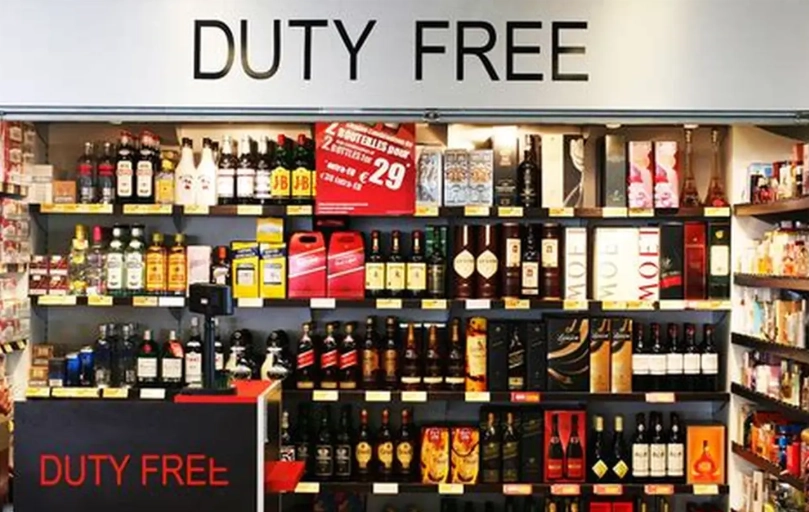
Beyond the Airport: Where Does This "Duty Free" Concept Apply?
The most common association is with airports. Walk through any major international terminal, and you'll see the sprawling stores. But the meaning of duty free shopping extends to a few other places you might not immediately consider.
- International Airports: The classic. After you pass through security and passport control, you're in the "international transit" area, which is considered outside the country's tax border.
- Onboard Aircraft and Ferries: Once you're in international waters or airspace, the onboard shops can sell duty-free goods. The selection is usually more limited, though.
- International Seaports: Similar logic applies to cruise ship terminals and ferry ports for routes crossing international borders.
- Border Towns & EU Tax-Free Shopping: This is different but often confused. When you're within a country (like shopping in Paris) but are a non-resident visitor, you might be eligible for a tax refund on goods you export. This isn't "duty-free" at the point of sale; it's a refund process you handle later. The European Commission has clear guidelines on this for visitors to the EU, which you can find on the official EU taxation site.
Here's a key distinction that trips up many travelers.
| Feature | Duty-Free Shop (True Meaning) | Tax-Free Refund (for Tourists) |
|---|---|---|
| Where You Shop | In a designated "tax-free zone" like an international departure lounge. | In a regular high-street or mall store within a country/city. |
| Price at Checkout | You pay the tax-excluded price immediately. | You pay the full, tax-included price at the register. |
| Process to Get Savings | No extra steps. The savings are instant. | You must get paperwork (Tax Free Form) from the store, have it validated at customs upon exit, and then claim the refund (at airport kiosk, via mail, etc.). |
| Best For | Travelers in transit, buying just before flying. | Tourists doing significant shopping during their stay. |
See the difference? Understanding this is half the battle. I wasted a good hour once looking for a "duty-free" section in a downtown London department store. They don't exist there! You need to use the tax-refund scheme instead.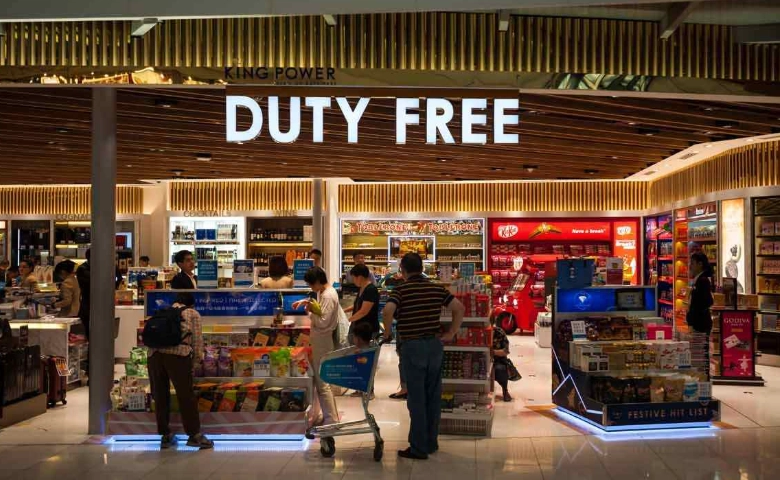
How Does It Actually Work? The Mechanics Behind the Scenes.
It's not magic. There's a whole system that allows these shops to exist. Governments agree to create these tax-exempt zones to promote international travel and commerce. The shop operators buy goods in bulk without paying the local import taxes, on the condition they will only sell to travelers who are leaving the country.
What taxes are waived? It depends on the country and product, but typically includes:
- Value-Added Tax (VAT) / Goods and Services Tax (GST): This is the big one in places like Europe (VAT rates can be 20% or more) or Australia (10% GST).
- Excise Duty: Special taxes on specific goods like tobacco, alcohol, and fuel. These can be very high.
- Import Duty: A tax on goods brought into a country. This is less commonly a factor for everyday retail but is part of the formal definition.
Now, here's the part that isn't advertised: Just because there's no tax, doesn't mean it's the absolute cheapest price. The duty-free shop still has rent (airport rent is astronomical), staff, security, and its own profit margin. They might price a bottle of whiskey 30% below the high-street price after tax, but only 15% below a discount warehouse price. You're paying for extreme convenience and the airport monopoly environment.
A Quick Example: The Price Breakdown
Let's say a liter of Brand X Scotch Whisky has a wholesale cost. In a regular store, the government adds, for example, 20% VAT + £10 excise duty. The store then adds its margin. Final price: £60.
In a duty-free shop, the VAT and excise duty are removed from the equation. But the shop still adds its margin, which might be higher due to airport costs. They might sell it for £40. You saved £20 compared to the regular store! But if an online discounter sells it for £45 (tax included), your "duty-free" deal isn't as stellar as it seemed. You have to know your prices.
The Good, The Bad, and The Ugly: Pros and Cons of Duty-Free Shopping
Let's be real. It's not all sunshine and massive discounts. Based on my hits and misses over the years, here's an honest breakdown.
Why It Can Be Great (The Pros)
- Genuine Savings on High-Tax Items: This is the number one win. Luxury goods (watches, handbags), cosmetics, and especially alcohol and tobacco carry huge excise duties. The savings here are often substantial and real. A carton of cigarettes or a bottle of premium liquor can be half the price you'd find outside.
- Convenience: You're already at the airport, bored, with time to kill. It's right there. For last-minute gifts (souvenirs, chocolates, spirits), it's incredibly handy.
- Access to Exclusive or Travel Retail Editions: Some brands create special sizes, bundles, or packaging only for duty-free channels. You might find a perfume in a giant 200ml bottle or a whiskey gift set that isn't available elsewhere.
- No Hassle with Tax Refunds: Unlike the tax-free refund scheme, you don't need to fill out forms, queue at customs, or wait weeks for a credit card refund. The deal is done at the register.
Where It Often Falls Short (The Cons)
- Prices Aren't Always the Lowest: As I mentioned, with the rise of online discounters, warehouse clubs, and outlet malls, the duty-free price isn't automatically the global lowest. Always check your local prices first.
- Limited Selection & Brands: They stock what sells fast to a global audience. Don't expect niche brands or a wide variety. It's often the same big names in perfume, liquor, and confectionery everywhere you go.
- The Impulse Trap: Airports are designed to make you spend. You're in a transitional, slightly anxious mood, with easy access to your credit card. It's easy to buy things you don't need just because it feels like a "deal."
- Carry-On Restrictions: That giant bottle of lotion or alcohol you bought? It must comply with your final destination's liquid rules for carry-ons if you have a connecting flight. And you have to lug it around.
- Complex Allowances: Just because you bought it duty-free doesn't mean you can bring unlimited amounts into your home country. You have personal duty-free allowances, and exceeding them means you'll pay tax at your arrival customs. The U.S. Customs and Border Protection site details duty-free exemptions for U.S. residents, which is a must-read for Americans.
My personal rule? I only buy things I already planned to buy, and only if I've verified the price is actually good.
Smart Shopping: How to Actually Get a Good Deal
Okay, so you understand the duty free meaning and its pitfalls. How do you play the game to win? Here’s a strategy that works for me.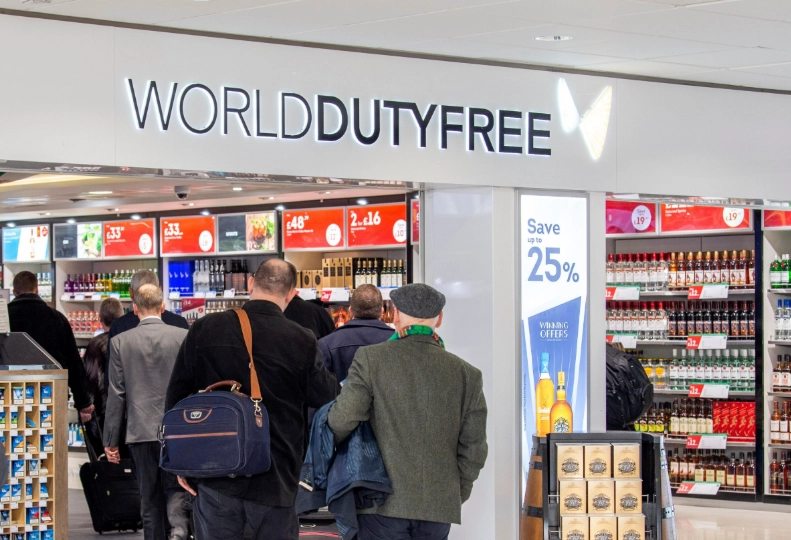
- Research Before You Fly: Know the price of that specific perfume, whiskey, or chocolate back home. Use your phone to check online retailer prices while you're at the airport. A quick search can save you from a bad purchase.
- Know Your Destination's Allowances: This is critical. How much alcohol, tobacco, and perfume can you bring in tax-free? If you're traveling between, say, EU countries, there are technically no limits for personal use, but customs officers can question large quantities. Traveling to the USA, Australia, or the UAE? Each has strict limits. Exceed them, and your "savings" evaporate at the customs desk.
- Consider Your Connections: If you have a connecting flight, remember you may have to re-clear security. Any liquid over 100ml purchased at your origin airport's duty-free might be confiscated if it's not in a STEB (Security Tamper-Evident Bag) or if your connection is in a country with different rules (like the USA, where all liquids are re-screened). Ask the shop about connection rules.
- Check the Currency: Duty-free prices are often displayed in multiple currencies. Sometimes paying in the local currency or your home currency via credit card can yield different final amounts due to dynamic currency conversion fees. Pay in the local currency for the best rate.
- Look for Multi-Buy Offers: Genuine deals often come in the form of "3 for 2" on cosmetics or "buy 2 bottles, get 10% off" on spirits. This is where the real value can appear.
- Don't Ignore Local Specialties: Sometimes the best buys are local products. Scottish airports for single malt Scotch, French airports for Champagne and cognac, Caribbean airports for rum. The selection and pricing on these can be excellent.
Answering Your Burning Questions (FAQs)
Final Thoughts: It's a Tool, Not a Treasure Chest
Understanding the full duty free meaning transforms you from an impulsive spender into a savvy traveler. It's not a magical land of infinite discounts. It's a specific retail system with clear rules, real advantages, and some notable drawbacks.
The most important takeaway?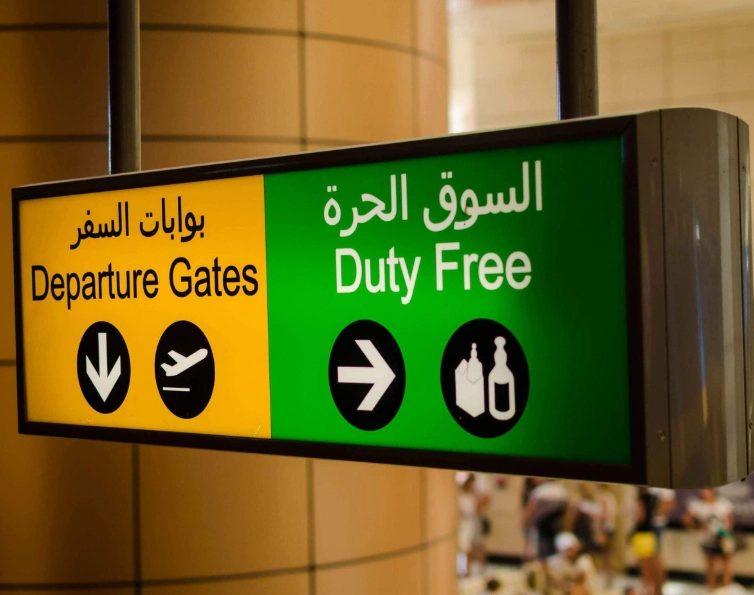
Knowledge is power. Know what you're looking for, know the price at home, know your allowances, and know the difference between true duty-free and tourist tax-refunds. When you have that information, you can confidently walk past the overpriced sunglasses and head straight for the single malt Scotch that's genuinely a great deal.
I still enjoy browsing duty-free shops. Sometimes you find a fantastic travel-exclusive set or a local delicacy at a fair price. But I rarely make big, unplanned purchases anymore. That peace of mind, knowing I'm not being tricked by the shiny "TAX FREE" sign, is the best savings of all.
Happy (and smart) travels!
Reader Comments