Quick Navigation
Let's talk about the inverse head and shoulders pattern. You've probably seen it mentioned on financial blogs, trading forums, or maybe your charting software flagged one. It looks like three distinct troughs, with the middle one being the deepest, like a head peeking up between two shoulders. Sounds simple, right? I thought so too when I first started. Then I jumped into a trade based on a pattern that "kind of" looked right and learned the hard way that the devil is in the details. This pattern isn't just about spotting three bumps; it's about understanding the psychology behind the price action and having the discipline to wait for the right confirmation.
My goal here isn't to throw a textbook definition at you. Anyone can Google that. I want to walk you through what an inverse head and shoulders pattern really means, how to tell a good one from a dud, and most importantly, how to build a plan around it that manages your risk. We'll skip the fluff and get straight to what works (and what doesn't).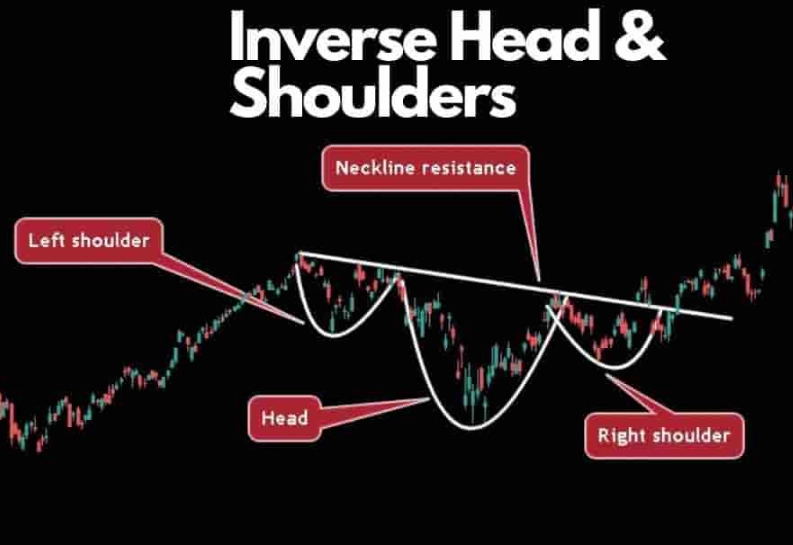
What Exactly Is an Inverse Head and Shoulders Pattern?
Think of it as a story told by the price chart. It's a bullish reversal pattern that typically forms after a sustained downtrend. The market is exhausted from selling. The bears are getting tired, and the bulls are starting to test the waters. The pattern visually signals that the selling pressure is drying up and a potential trend change from down to up is on the table.
It's the mirror image of the more commonly known head and shoulders top pattern. While the classic head and shoulders signals a potential top, the inverse head and shoulders signals a potential bottom. I find the inverse version a bit trickier to trade, honestly, because bottoms are often more volatile and messy than tops. But when you catch a clean one, it can set up a fantastic trade.
The Anatomy of the Pattern: Breaking Down the Pieces
To properly identify an inverse head and shoulders, you need to know its parts. Missing one can lead to a false signal.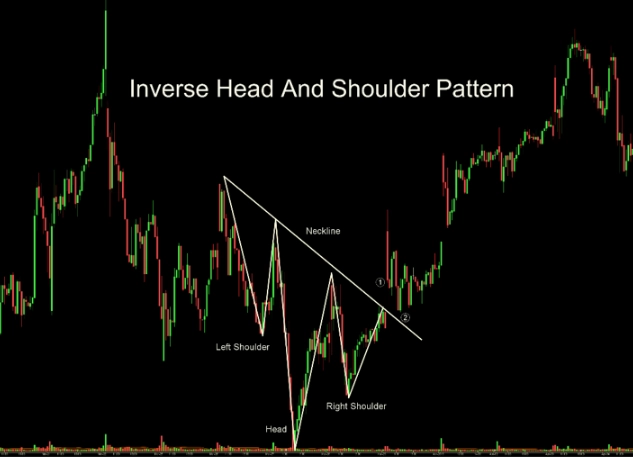
| Component | Description | What It Represents |
|---|---|---|
| Left Shoulder | The first decline and trough during the downtrend. It's a new low, but the subsequent bounce is weak. | Final wave of aggressive selling. The bounce shows the first hint of doubt among sellers. |
| Head | The price declines again, falling below the low of the left shoulder, creating the deepest trough of the pattern. | The climax of selling pressure. Often accompanied by panic or capitulation. This is the "last gasp" of the bear move. |
| Right Shoulder | The third decline, but this time it fails to reach the depth of the head. It forms a higher low. | Clear evidence of weakening selling momentum. Buyers are defending higher price levels. |
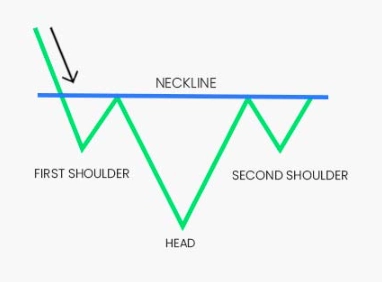
| Neckline | The resistance line connecting the highs of the rebounds after the left shoulder and the head. It can be horizontal or slanted. | The key level of resistance. A breakout above this line confirms the pattern and suggests buyers have taken control. |
Look, the neckline is where most people mess up. They draw it incorrectly. The neckline isn't just a random line at some peak. It connects the specific reaction highs that form after the left shoulder and the head. If those two highs are at different levels, your neckline will be slanted. A descending neckline (where the high after the head is lower than the high after the left shoulder) is actually considered stronger because it shows bears are getting weaker with each rally attempt. You can read more about drawing trendlines correctly from sources like Investopedia's guide on trendlines.
Why does this matter? Because your profit targets and risk management depend on an accurately drawn neckline.
How to Correctly Identify a Valid Inverse Head and Shoulders
Not every chart that looks like three bumps is a tradable inverse head and shoulders. Here's my checklist, born from a few early (and costly) mistakes.
- Preceding Downtrend: This is non-negotiable. The pattern must form after a clear, measurable downtrend. If it's just chopping around in a range, it's not a reversal pattern.
- Distinct Troughs: The three lows (left shoulder, head, right shoulder) should be clear and separate. The head must be the lowest low. The right shoulder's low must be higher than the head's low. If the right shoulder dips back to the level of the head, the pattern is suspect and likely failing.
- Volume Profile is Key: This is the secret sauce many retail traders ignore. Volume should ideally decline as the pattern forms.
- Volume on the decline into the left shoulder is often high.
- Volume on the decline into the head can still be high (capitulation).
- Crucially, volume on the decline into the right shoulder should be noticeably lighter. This shows a lack of selling conviction.
- The most important volume signal: a significant increase in volume on the breakout above the neckline. This confirms institutional or strong buyer interest. A breakout on low volume is a huge red flag for a potential false breakout.
- Neckline Clarity: Can you draw a clear neckline connecting the two reaction highs? If the highs are too messy or unclear, the pattern's validity drops.
Confirmation: Don't Jump the Gun
This is where patience pays. The pattern is only potential until it's confirmed. Confirmation happens when the price closes decisively above the neckline. What's "decisively"? It depends on the asset's volatility, but a clear candle close above the line, preferably on high volume, is what you're waiting for.
Some traders use a 3% break (for stocks) or a break that holds for a specific time frame (like a 4-hour close for forex). The point is, you need a rule. Entering as the price is just touching the neckline is a gamble, not a trade. I've been whipsawed too many times thinking "this is the breakout" only to see it reverse. Wait for the close.
You can also look for additional confirmation from other indicators, but don't overcomplicate it. Sometimes a simple momentum oscillator like the RSI showing bullish divergence (making higher lows while price made lower lows into the head) can add great confluence. The U.S. Securities and Exchange Commission (SEC) investor education resources, while not about technical analysis per se, always stress understanding the tools you use, which applies here perfectly.
Trading the Inverse Head and Shoulders: A Practical Plan
Okay, you've identified a pattern and it's breaking out. Now what? Let's build a trade plan from entry to exit.
Entry Points
You have two primary choices, each with different risk/reward profiles:
- Aggressive Entry (On the Retest): After the initial breakout, price often pulls back to retest the neckline from above, which has now become a support level. Entering on a successful retest (price touches the neckline and bounces back up) offers a better risk/reward ratio, as your stop loss can be placed tighter. The risk? The retest might not happen, and you miss the move entirely.
- Conservative Entry (On Breakout Confirmation): Entering a buy order once the price closes above the neckline with conviction (e.g., a strong bullish candle on high volume). This ensures you are on the right side of the confirmed breakout but gives a less favorable risk/reward, as your stop loss is further away.
I lean towards the retest entry for my style. It requires more patience, but it has saved me from many false breakouts.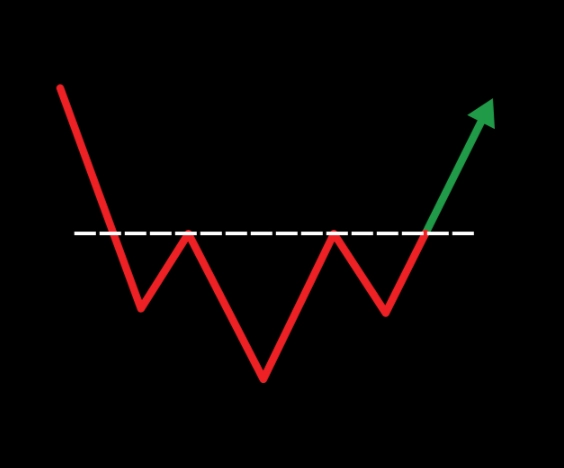
Placing Your Stop Loss
Risk management is everything. Your stop loss should be placed below the right shoulder. Why? Because if the price falls back below the low of the right shoulder, the basic structure of the inverse head and shoulders pattern is invalidated. The premise of higher lows is broken. Some traders place it below the neckline, but I find that too tight—it doesn't give the trade enough room to breathe and can get you stopped out on a normal retest.
For an even more conservative approach, you could place the stop below the head, but that's a very wide stop and requires a much smaller position size to maintain proper risk.
Setting Profit Targets
The most common method uses the pattern's height.
- Measure the vertical distance from the head's low to the neckline at the point directly above the head.
- Project that same distance upward from the point where the price breaks the neckline.
That projected price is your minimum expected price target. In strong trends, the move can go further. You can take partial profits at this target and trail your stop for the remainder.
The Psychology and Common Pitfalls
Let's get real for a second. Knowing the pattern is one thing. Trading it successfully is another. Here are the mental traps.
FOMO (Fear Of Missing Out) on the Breakout: You see the price screaming upwards towards the neckline. The volume is picking up. You jump in before the close because you're afraid it'll run without you. This is how you get caught in false breakouts. Have a rule and stick to it.
Ignoring the Overall Market Context: An inverse head and shoulders on a single stock is less powerful if the entire stock market (like the S&P 500) is in a vicious bear market. Always check the higher time frame and sector context. Is there a broader tailwind or headwind? For context on broader market trends, reputable financial news sources like the Financial Times or Reuters Finance can provide the macro backdrop.
Overcomplicating with Indicators: Don't slap 10 indicators on your chart looking for perfect alignment. Focus on price action, volume, and maybe one or two confirming indicators. Clarity beats complexity.
I remember trading a beautiful inverse head and shoulders on a forex pair a few years back. Everything was textbook: clean shoulders, higher low on the right, descending neckline. The breakout came on massive news volume. I entered, it shot up to my first target, and then... it reversed and took out my stop. What happened? It was a major weekly options expiry day that created unnatural pinning action. The pattern was right, but I ignored a key market event. Lesson learned.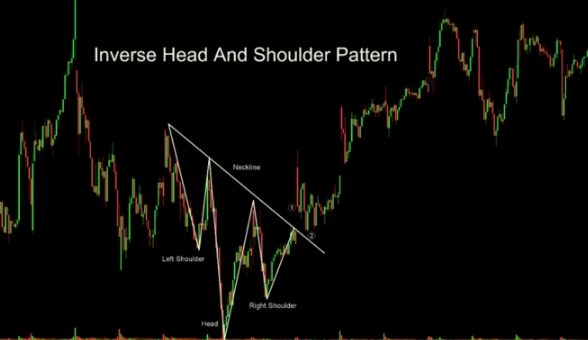
Frequently Asked Questions (FAQs)
Let's tackle some of the specific questions you might be typing into Google.
What's the difference between an inverse head and shoulders and a double bottom?
Great question. A double bottom looks like a "W" with two roughly equal lows. An inverse head and shoulders pattern has three troughs, with the middle one being deeper. Psychologically, the double bottom shows two tests of a support level. The inverse head and shoulders shows a final capitulation (the head) between two weaker sell-offs, which can indicate a more exhaustive and therefore stronger reversal process.
What time frame is best for finding these patterns?
They can form on any time frame, from a 1-minute chart to a monthly chart. However, the reliability generally increases with the higher time frames. A pattern on a daily or weekly chart carries more weight than one on a 5-minute chart because it represents a longer battle between buyers and sellers. I personally focus on the 4-hour and daily charts for swing trading setups.
How often do inverse head and shoulders patterns fail?
More often than the textbooks admit! No pattern works 100% of the time. Failure happens when the price breaks above the neckline but then quickly reverses and falls back below, especially below the right shoulder low. This is why confirmation (a strong close) and a stop loss are non-negotiable parts of the plan. Treat every pattern as a potential failure until proven otherwise by the price action.
Can the pattern have variations?
Absolutely. You might see patterns with multiple shoulders (complex inverse head and shoulders), or where the shoulders are not perfectly symmetrical. The core principles remain: a head that's the lowest low, a higher low for the right shoulder, and a breakout above a defined neckline. Don't force a pattern to fit. If it looks messy and doesn't meet the core criteria, it's probably not a valid setup. Move on. There are always other opportunities.
Look, mastering the inverse head and shoulders isn't about memorizing definitions. It's about developing an eye for the story on the chart—the struggle between fear and greed, exhaustion and new conviction. Start by looking at historical charts on platforms like TradingView and identifying the pattern in hindsight. Then, try to spot them forming in real-time on a demo account. Paper trade them. Note what works and what doesn't. Pay attention to volume. Be patient with confirmation.
It's a powerful tool, but it's just one tool in the toolbox. Combine it with sound risk management (never risk more than 1-2% of your capital on a single trade) and an understanding of the broader market, and you'll be far ahead of most traders who just chase shapes on a screen. The goal isn't to be right about every pattern; it's to be profitable over many trades, and a well-executed inverse head and shoulders trade can certainly contribute to that.
Reader Comments