Key Sections
Let’s be honest, finding a reliable signal in the market noise can feel like searching for a needle in a haystack. You see a chart, it’s been going down for a while, and you’re wondering if it’s finally time for a change. That’s where one of the most talked-about patterns comes in – the inverse head and shoulders pattern. But what exactly is it, and more importantly, does it actually work, or is it just another piece of charting folklore?
I remember the first time I tried to trade one. I saw what I thought was a perfect setup, jumped in early, and watched the price just… keep going down. It was frustrating. The pattern was there, but I missed the finer details. Since then, I’ve learned to respect this setup, not just look at it. It’s not a magic bullet, but when you understand its mechanics, it can be a powerful tool for identifying potential trend exhaustion and the start of a new bullish move.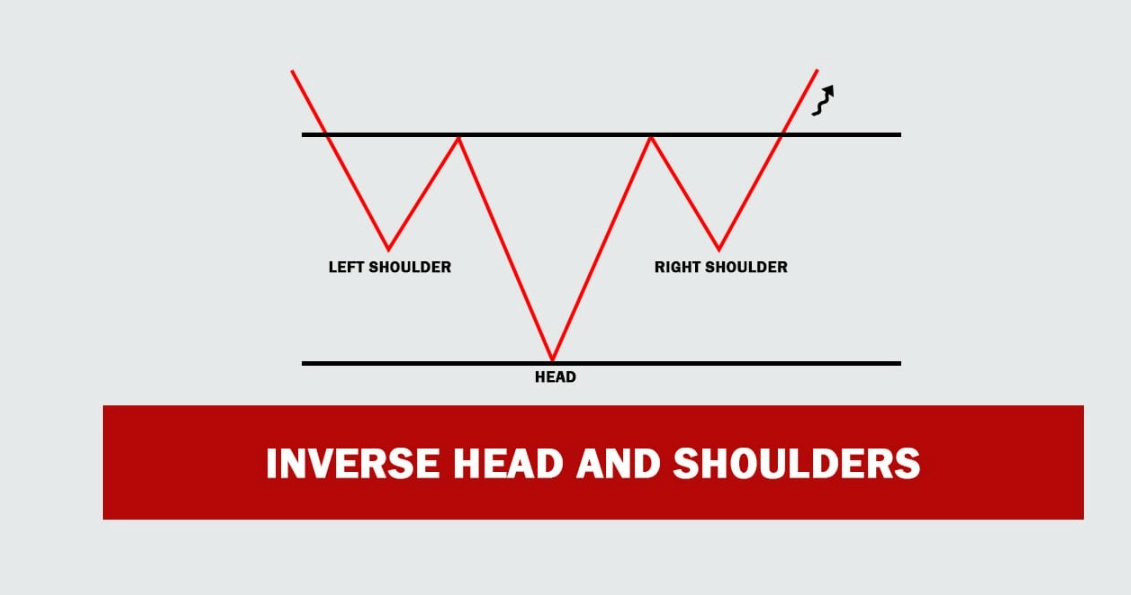
Core Idea: At its heart, an inverse head and shoulders is a bullish reversal pattern. It forms after a downtrend and signals that selling pressure is waning and buyers are starting to step in. Think of it as the market shifting from “sell every rally” to “buy the dip.”
What Exactly Is This Pattern? Breaking Down the Anatomy
Imagine looking at a chart from the side. The pattern gets its name because it looks like the silhouette of a head with two shoulders. But instead of being right-side up, it’s flipped – hence “inverse.” It’s the bullish counterpart to the more famous (or infamous) head and shoulders top.
The formation has three key parts, and getting these right is 90% of the battle.
The Three Key Components
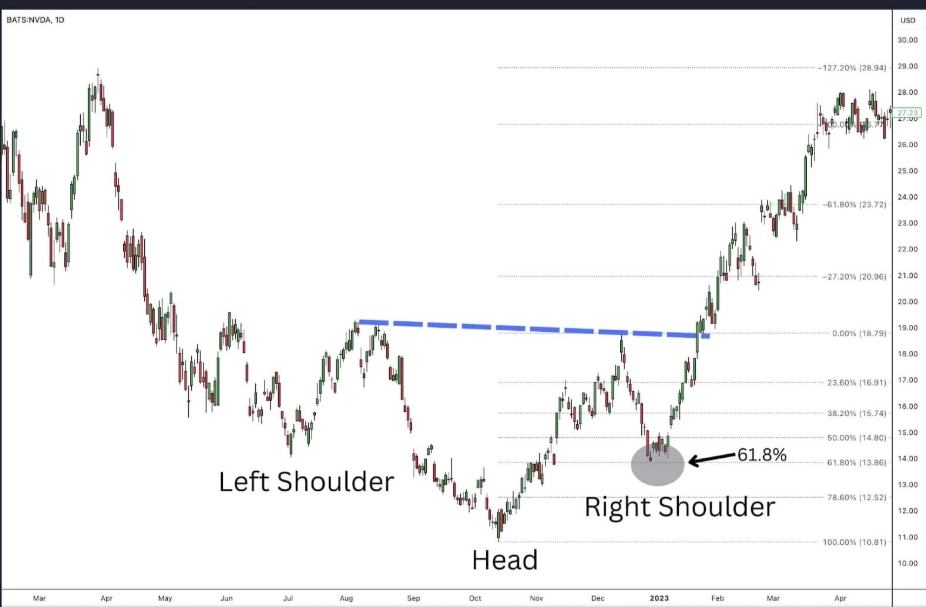
- The Left Shoulder: This is the first decline and rally within the pattern. The price drops to a low (forming the shoulder), then bounces back up. This bounce creates the first peak of what will become the neckline.
- The Head: This is the lowest point of the entire formation. After the left shoulder’s bounce, the price sells off again, but this time it falls lower than the left shoulder’s low. This is the “head.” It represents the final push by sellers, often fueled by panic or the last wave of capitulation. Then, it rallies back up to roughly the same level as the previous bounce peak, further defining the neckline.
- The Right Shoulder: Here’s where things get interesting. The price pulls back again from the neckline, but this time, the low of the pullback is higher than the low of the head. Sometimes it’s even higher than the left shoulder. This is the first visual clue that selling pressure is weakening. The inability to make a new low is a big deal. Finally, the price rallies one more time to challenge the neckline.
The line connecting the peaks of the two bounces (after the left shoulder and after the head) is called the neckline. It’s not always perfectly horizontal; it can slope up or down. An upward-sloping neckline is actually considered stronger, as it shows buyers are becoming more aggressive with each successive low.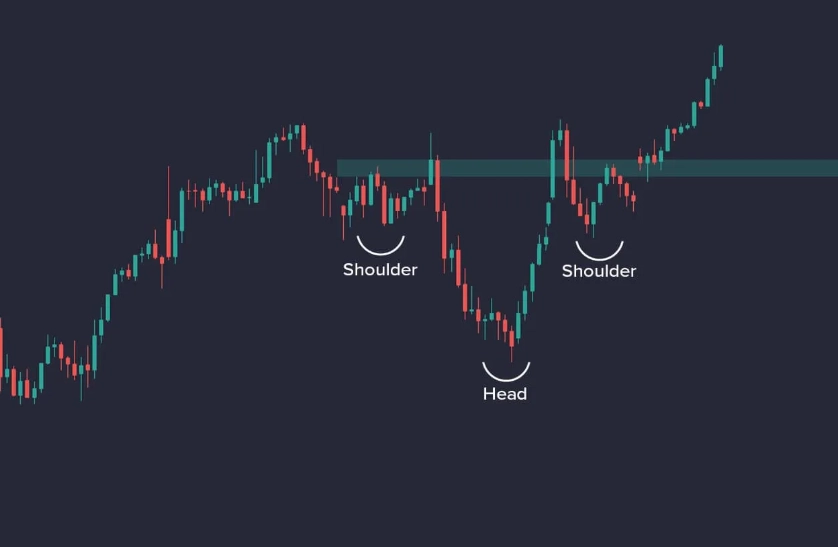
Here’s a simple table to visualize these components and what they represent in market psychology:
| Component | What It Looks Like | Market Psychology |
|---|---|---|
| Left Shoulder | Downtrend, low, rally. | Ongoing selling, but a hesitant bounce suggests some buyers are testing the waters. |
| Head | A lower low, followed by a rally. | Maximum pessimism. The final wave of selling exhausts itself, allowing buyers to step in again. |
| Right Shoulder | A higher low, final rally. | Sellers are losing conviction. Buyers defend a higher level, confirming weakening downside momentum. |
| Neckline (Breakout) | Price closes above the resistance line. | A decisive shift. Buyers overwhelm sellers, confirming the reversal thesis and triggering new entries. |
How to Actually Trade It: A Step-by-Step Framework
Spotting the pattern is one thing. Making a trading decision is another. You can’t just buy because you see three bumps. Here’s a more practical approach I’ve settled on after getting burned a few times.
Step 1: Confirming the Pattern is Valid
Don’t jump the gun. Wait for the right shoulder to be fully formed. That means the price has made its higher low and has started rising back towards the neckline. The pattern isn’t confirmed until the neckline is broken. Period. Trading before the breakout is just guessing. The classic entry signal is a candle close above the neckline on noticeable volume. A surge in volume on the breakout is like the market shouting its confirmation. Resources like Investopedia’s definition rightly emphasize this volume confirmation, and I’ve found it to be a critical filter.
Some traders wait for a “pullback to the neckline” after the breakout for a better risk/reward entry. This can work, but it also risks missing the move if the price doesn’t pull back. Personally, I often take a partial position on the initial breakout and add more on a pullback, if it happens.
Step 2: Setting Your Stop Loss and Profit Target
This is where most beginners mess up. Your stop loss must be placed below the low of the right shoulder. Why? Because if the price falls back below that point, the premise of a “higher low” is broken, and the pattern is likely failing. Placing it below the head is too wide and will destroy your risk/reward ratio.
The most common method for setting a profit target is to measure the vertical distance from the head’s low to the neckline. Then, project that same distance upward from the point where the neckline is broken. It’s not a guarantee, but it gives you a reasonable objective. For example, if the head is at $50 and the neckline is at $60, the distance is $10. If the breakout happens at $60, your initial target would be around $70.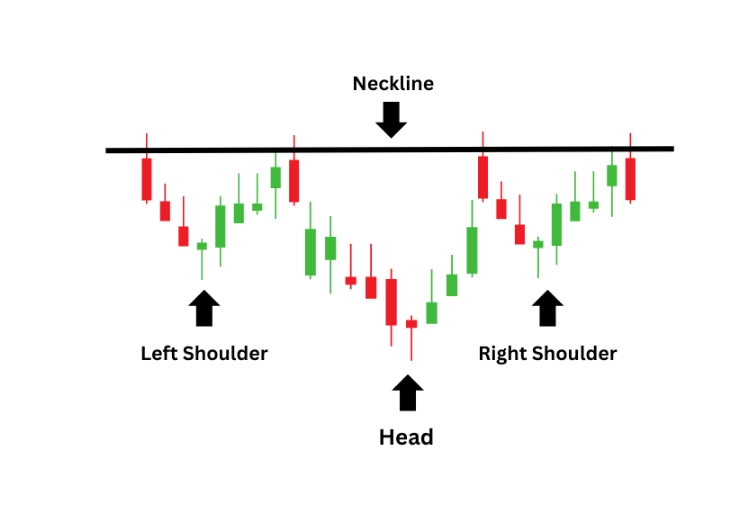
My Take: I think relying solely on this measured move target is a bit simplistic. I use it as a minimum target. I’ll often take partial profits there and then trail my stop for the remainder, seeing if the new uptrend can develop further. Context, like the overall market trend and nearby resistance levels on a higher timeframe, matters more.
The Tricky Part: Common Mistakes and Failed Patterns
Not every inverse head and shoulders pattern works. In fact, many fail. Ignoring this reality is a recipe for losses. Here are the big pitfalls I’ve learned to watch for.
- Identifying the Pattern Too Early: This was my first mistake. You see a left shoulder and a head and start drawing lines. The market doesn’t care about your lines. Wait for the entire structure, especially the right shoulder’s higher low, to be visible.
- Ignoring Volume: A breakout on low, anemic volume is suspect. It suggests a lack of conviction. Strong patterns are accompanied by a clear increase in buying activity on the breakout. The Commodity Futures Trading Commission (CFTC) educational materials, while not about patterns specifically, stress understanding market dynamics and volume, which is directly applicable here.
- Forgetting the Trend Context: An inverse head and shoulders pattern is a reversal pattern. It has the highest probability of success when it forms after a sustained, clear downtrend. If you see it forming in the middle of a choppy, sideways market, its significance is much lower.
- The False Breakout (The Bull Trap): This is the most painful one. The price breaks above the neckline, you enter, and then it swiftly reverses and crashes back down. To mitigate this, some traders use a “time filter” (e.g., price must stay above the neckline for 2-3 closing periods) or a “percentage filter” (e.g., a 3% break above the line). It doesn’t eliminate the risk, but it helps.
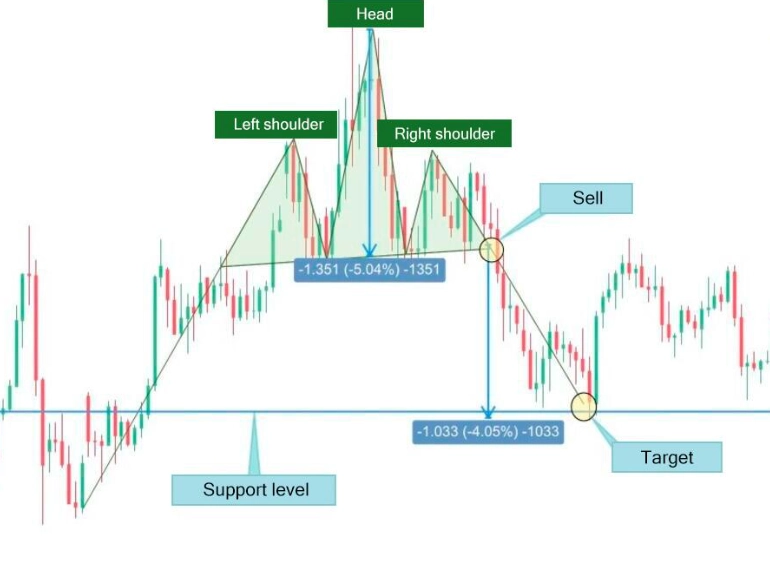
I got caught in a nasty false breakout on a stock a few years back. The pattern looked textbook, the breakout happened, and then the next day, a negative sector-wide news headline hit and wiped out the entire move. It taught me that no pattern is immune to broader market forces.
How It Stacks Up: Inverse Head and Shoulders vs. Other Patterns
It’s useful to see where this pattern fits in the grand scheme of things. How is it different from a double bottom, for instance?
A double bottom looks like a “W.” It has two distinct lows at roughly the same price level. The inverse head and shoulders has three troughs, with the middle one being the deepest. Psychologically, a double bottom shows two tests of a support level. The inverse head and shoulders shows a final capitulation (the head) before a higher low confirms the shift. In my experience, a well-formed inverse head and shoulders can sometimes lead to a more powerful and sustained rally because that deep head really flushes out the sellers.
It’s also the direct opposite of the head and shoulders top, which is a bearish reversal pattern with a head that is the highest peak. Understanding both makes you a more balanced chart reader. You can find comparative studies of these classic patterns on technical analysis resource hubs like StockCharts School.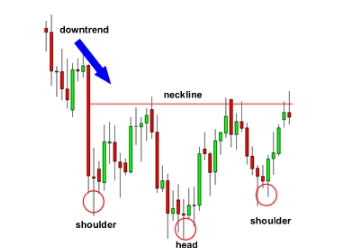
Frequently Asked Questions (FAQs)
Putting It All Together: Psychology and Final Thoughts
At the end of the day, the inverse head and shoulders pattern is a story told in price action. It’s the story of a downtrend losing steam. The left shoulder is the last normal sell-off. The head is the emotional, panic-driven low. The right shoulder is the failed attempt to resume the downtrend—sellers try but can’t push it to a new low. The breakout is the moment the narrative officially changes from bearish to bullish.
Don’t treat it as a standalone signal. Combine it with other factors. What’s the overall market doing? Is there a key support level nearby from months ago? Are there any bullish divergences on the RSI or MACD during the formation of the right shoulder? These confluence points dramatically increase your odds.
The biggest lesson for me has been patience. Wait for the full formation. Wait for the breakout. Wait for volume confirmation. It’s tempting to anticipate, but the market rewards confirmation over prediction. When you see a valid, high-quality inverse head and shoulders pattern trigger, it can offer one of the clearer risk-versus-reward setups in technical analysis. Just keep your stop loss tight and your expectations in check.
Reader Comments