You've probably heard the term "debt ratio" thrown around. Your bank might mention it when you apply for a mortgage. A financial news article uses it to describe a company in trouble. But what does it actually mean for you? Is your debt ratio good, bad, or a ticking time bomb? Most explanations stop at the textbook definition, leaving you with a number but no real-world game plan. Let's fix that. This isn't just about a formula; it's about understanding the financial leverage you're using and whether it's working for you or against you.
What You'll Learn in This Guide
What Exactly Is the Debt Ratio?
Think of the debt ratio as a single number that answers a crucial question: How much of what you own is actually financed by other people's money? It's a snapshot of your financial leverage and, by extension, your risk.
In simple terms, it measures the proportion of your total assets that are funded by debt. A ratio of 0.4 means 40% of your assets are paid for with loans or credit. The remaining 60% is your equity—your actual ownership stake.
Here's the subtle mistake most people make: They confuse "debt" with "monthly payments." Your debt ratio looks at the total principal you owe, not the monthly bill. A huge mortgage at a low interest rate creates a high debt ratio but might have a manageable payment. That's why you need to look at both the ratio (solvency) and your cash flow (liquidity).
How to Calculate Your Debt Ratio (The Right Way)
The formula is straightforward, but getting the numbers right is where people trip up.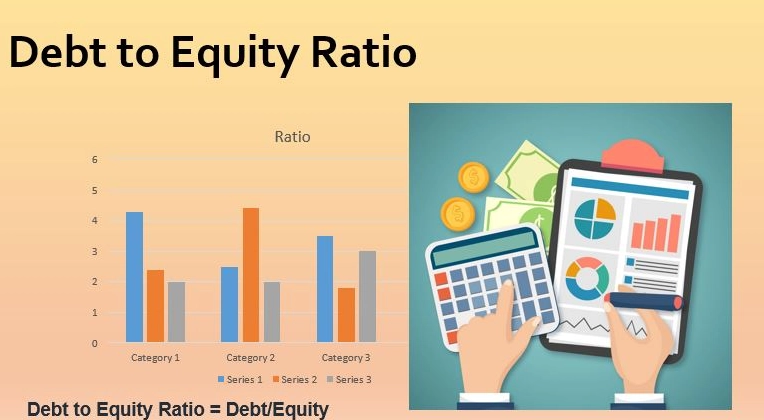
Let's break down what goes into each part, because this is where the devil is in the details.
Total Liabilities: What You Owe
This is every single dollar you are obligated to pay back. Common items include:
- Mortgage balance (the remaining loan amount, not your home's value).
- Auto loans, student loans, personal loans.
- Credit card balances (the statement balance, not your credit limit).
- Any other debts (medical bills, money owed to family, etc.).
One frequent oversight? People forget smaller, recurring liabilities like a financed phone or a buy-now-pay-later plan for furniture. It all counts.
Total Assets: What You Own
This is the current fair market value of everything you own that has monetary value.
- Cash and cash equivalents (checking, savings, money market accounts).
- Investment accounts (brokerage, retirement accounts like 401(k)s and IRAs).
- Real estate (use a conservative estimate, like a Zillow "Zestimate" minus 5-10%).
- Vehicles (use Kelley Blue Book private party value).
- Other valuable assets (jewelry, collectibles—only if you could realistically sell them).
A big pitfall: Overestimating asset values, especially personal property. Your 5-year-old couch isn't an asset for this calculation. Be ruthlessly realistic.
What's Considered a Good Debt Ratio?
This is the million-dollar question, and the answer is: It depends entirely on context. Throwing out a single "good" number is useless. Let's look at the benchmarks for different situations.
| Context | Typical "Good" Range | Why This Range? | Red Flag Zone |
|---|---|---|---|
| Personal Finance (General) | 0.36 or lower | This is a classic rule of thumb. It suggests you own more than you owe, leaving a cushion for emergencies. | Above 0.5 |
| Applying for a Mortgage | Below 0.43 (often) | Lenders use a related metric called DTI (Debt-to-Income), but a low debt ratio shows strong overall solvency and improves your application. | Varies by lender |
| Established Corporations | 0.4 - 0.6 | Businesses often use debt strategically to grow. A ratio in this range can indicate efficient use of leverage. Utilities often have higher ratios (0.6+). | Above 0.7 consistently |
| Startups / High-Growth Tech | Can be very low or very high | Might have little debt (funded by venture capital) or high debt (aggressive growth strategy). The trend is more important than a snapshot. | N/A – analyze burn rate & growth |
My non-consensus take? Obsessing over hitting 0.36 exactly is a mistake for many. A 40-year-old with a stable job, a mortgage at 3% interest, and significant retirement assets might have a personal debt ratio of 0.45 and be in fantastic shape. The ratio must be interpreted with interest rates, income stability, and asset liquidity in mind. A high ratio with low-rate, tax-deductible debt (like a mortgage) is far less risky than the same ratio from high-interest credit card debt.
Why the Debt Ratio Matters More Than You Think
It's not just a number for loan officers. It's a fundamental risk gauge.
When your debt ratio creeps up, your financial flexibility disappears. A job loss or unexpected expense becomes a crisis, not an inconvenience. You're forced to make payments instead of investing. Your stress levels go up. I've seen it with clients who looked fine on a monthly budget but were one emergency away from trouble because their balance sheet was too leveraged.
For businesses, it's a key metric for solvency. Creditors and investors scrutinize it. A sudden spike can trigger loan covenant violations or make it impossible to raise new capital. According to analysis from sources like the Federal Reserve's financial reports, shifts in aggregate corporate debt ratios often precede broader economic tightening.
The real power of tracking your debt ratio isn't in the absolute number, but in the trend. Is it going down over time as you pay off debt and build assets? That's the path to real financial strength.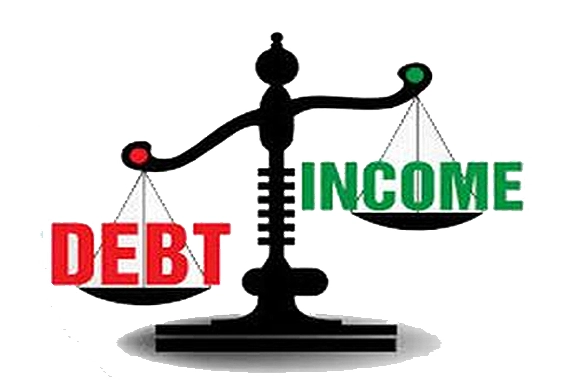
A Step-by-Step Guide to Analyzing and Improving Your Debt Ratio
Let's make this actionable. Grab a notepad or open a spreadsheet.
Step 1: The Honest Audit
List all liabilities and assets using the guidelines above. No fudging. This might be uncomfortable, but clarity is the first step to control.
Step 2: Run the Numbers
Plug the totals into the formula. Don't panic at the result. It's just data.
Step 3: Diagnose the Source
Is your ratio high because of one big, low-interest debt (like a mortgage)? Or is it a collection of high-interest credit cards and personal loans? The cure is different.
Step 4: Choose Your Attack Plan
You can improve your ratio in two ways: increase the top (assets) or decrease the bottom (liabilities).
Strategy A: The Asset Builder (Slower, but sustainable). Focus on consistently investing. Max out retirement contributions, build a taxable brokerage account, add to your emergency fund. As assets grow, the ratio falls naturally.
Strategy B: The Debt Destroyer (Faster impact). Use the debt avalanche or snowball method to eliminate liabilities. Every dollar of debt paid off improves your ratio directly. Start with the highest-interest debt first—this is mathematically optimal.
The best plan is usually a hybrid. Allocate extra cash flow 70% to debt payoff and 30% to asset building. This improves the ratio quickly while still building future wealth.
Debt Ratio in the Real World: Personal vs. Business
The core concept is the same, but the application differs wildly.
For You and Me (Personal Finance): The goal is security and optionality. A lower ratio generally means more sleep at night. We use it as a personal solvency check-up, often in tandem with an emergency fund calculation.
For a Company (Corporate Finance): Debt is a strategic tool. Borrowing money to buy a machine that boosts profits is good leverage. The debt ratio is analyzed relative to industry peers (data from sources like Yahoo Finance or company 10-K filings is key) and the cost of that debt. A ratio of 0.6 might be reckless for a restaurant chain but normal for a regulated telecom company with predictable cash flows.
This is a crucial distinction. As an individual, you can't issue stock to cover your debts if things go wrong. Your personal guarantee is everything. For a corporation, the calculus involves shareholders, different classes of debt, and complex tax implications.
Your Debt Ratio Questions, Answered
My debt ratio is 0.65. Should I panic?
Panic never helps, but it's a clear signal to act. Don't just look at the number—look at its composition. If 0.55 of that is a fixed-rate mortgage and you have a stable job, you need a plan but not an emergency. If it's mostly credit card debt, you need to treat this as a financial priority. Stop using credit, cut discretionary spending, and focus every spare dollar on paying down the highest-interest balances first.
What's the difference between debt ratio and debt-to-income (DTI)?
This confuses everyone. Debt ratio is a balance sheet metric (what you own vs. owe). Debt-to-Income is a cash flow metric (your monthly debt payments vs. your monthly gross income). Lenders love DTI for mortgages because it predicts your ability to make payments. Your debt ratio gives a broader picture of your overall financial health. You can have a good DTI (low payments) but a terrible debt ratio (high total debt against low assets).
I'm investing in stocks instead of paying off my mortgage. Is that hurting my debt ratio?
It depends. If you're borrowing against your home (increasing liabilities) to invest, that's risky and increases your ratio. If you're simply choosing to put extra cash into a brokerage account instead of making extra mortgage payments, you're actually helping your ratio in a smarter way. You're increasing your assets (stocks) while liabilities (the mortgage) stay the same. As long as the expected return on your investments is higher than your mortgage interest rate after taxes, this can be a rational way to improve your net worth and your debt ratio over time.
How often should I calculate my debt ratio?
For most individuals, doing a full calculation once a year is sufficient—perhaps during annual financial review season. If you're aggressively paying down debt or in a period of major financial change (buying a house, starting a business), check it quarterly. The key is to track the trend, not to obsess over monthly fluctuations.
Reader Comments