In This Guide
- Why Bother Defining Them? The Real Cost of Getting It Wrong
- Unpacking the Terms: Target Market, Audience, and Personas
- The Step-by-Step Process to Define Your Target Market and Audience
- Translating This Into Action: Marketing That Actually Connects
- Common Pitfalls and How to Sidestep Them
- Your Target Market and Audience FAQ (Answering the Real Questions)
- Wrapping It Up: This Is Your Foundation
Let's be honest. Most of the time when people talk about marketing, they throw around terms like "target market" and "target audience" like they're the same thing. I used to do it too. I'd sit in meetings and nod along, thinking my broad idea of "women aged 25-40" was a solid strategy. Spoiler alert: it wasn't. My ads flopped, my messaging felt generic, and I was basically shouting into a void, hoping the right person might hear me. Sound familiar?
That experience, frankly, was a waste of money and time. It forced me to dig deeper and really understand the distinction. And guess what? Once I nailed it down, everything changed. Engagement went up, conversions improved, and I stopped feeling like I was guessing. So, if you're here trying to figure out this whole target market and audience puzzle, you're in the right spot. We're going to tear it apart, look at the pieces, and build a framework you can actually use.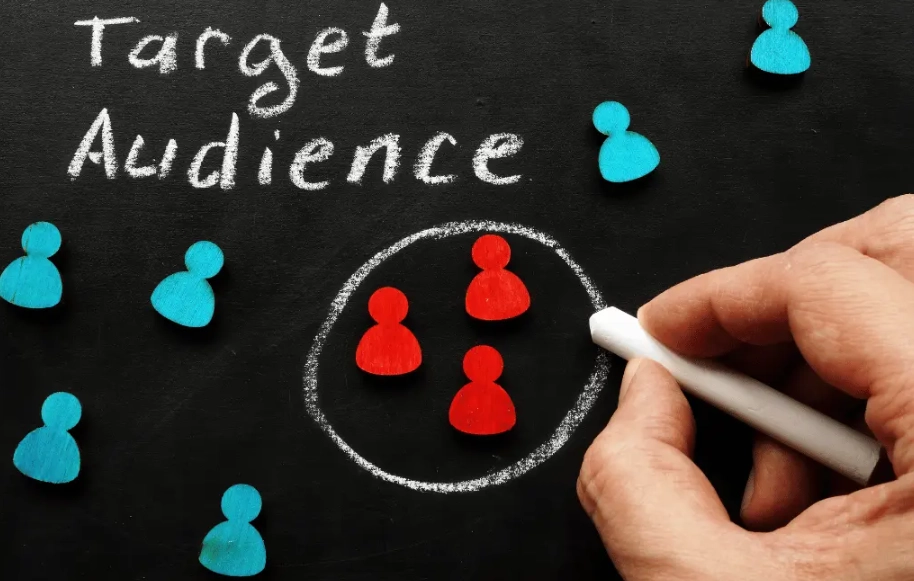
Think of it this way: your target market is the entire forest—the big, broad group of potential customers for your product or service. Your target audience is the specific type of tree you're trying to reach with a particular message or campaign. You need to know the forest to find your trees.
Why Bother Defining Them? The Real Cost of Getting It Wrong
You might be thinking, "This sounds like marketing jargon. Can't I just sell to everyone?" Well, you could try. But let me tell you why that's a recipe for burning cash.
First, there's the obvious one: wasted ad spend. Platforms like Google Ads and Meta let you target with laser precision. If you're targeting "everyone," you're paying to show your ads to millions who will never, ever buy. It's like printing flyers and dropping them from a plane over an entire country. Inefficient and expensive.
Then there's the messaging problem. A message that tries to speak to everyone ends up resonating with no one. A luxury skincare brand messaging a teenager about anti-aging and a retiree about acne prevention in the same ad? It just doesn't work. The message gets diluted, confusing, and forgettable.
Finally, and this is the big one, product-market mismatch. If you don't truly understand who your product is for, you might keep adding features nobody asked for while missing the one thing your core customer desperately needs. I've seen companies pivot for years, chasing trends, because they never locked down who their primary target audience was.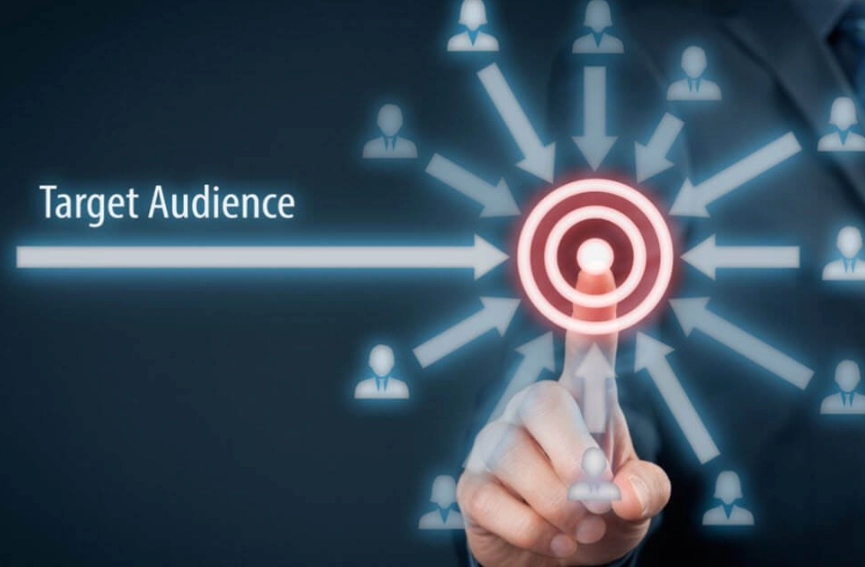
Here's a hard truth I learned: not defining your target market is a decision in itself. It's a decision to let algorithms and chance decide who sees your business, rather than taking strategic control. It feels easier in the short term but is brutally costly in the long run.
Unpacking the Terms: Target Market, Audience, and Personas
Alright, let's get our definitions straight. This is where most blogs just give you a textbook line and move on. We're going to sit here for a minute.
What is a Target Market, Really?
Your target market is the total pool of potential customers for your business. It's defined by broad, shared characteristics. We're talking about the big categories here. The U.S. Small Business Administration has some great foundational resources on market research that emphasize starting with this broad view.
You typically segment a target market using four main lenses:
- Geographic: Country, region, city, climate, urban vs. rural. A snow shovel company's target market is geographically obvious.
- Demographic: Age, gender, income, education, occupation, family size. This is the "who" on paper. Data from sources like the U.S. Census Bureau is gold for this.
- Psychographic: Lifestyle, values, opinions, interests, personality. This is the "why" behind behavior. Are they health-conscious? Environmentally driven? Status-seekers?
- Behavioral: Purchasing habits, brand loyalty, usage rate, benefits sought. Do they buy online or in-store? Are they early adopters or skeptical latecomers?
A local organic bakery's target market might be: Health-conscious adults (psychographic) aged 30-55 (demographic) living within 10 miles of downtown Portland, Oregon (geographic), who shop for groceries multiple times a week and value sustainable sourcing (behavioral). See? It's broad but directed.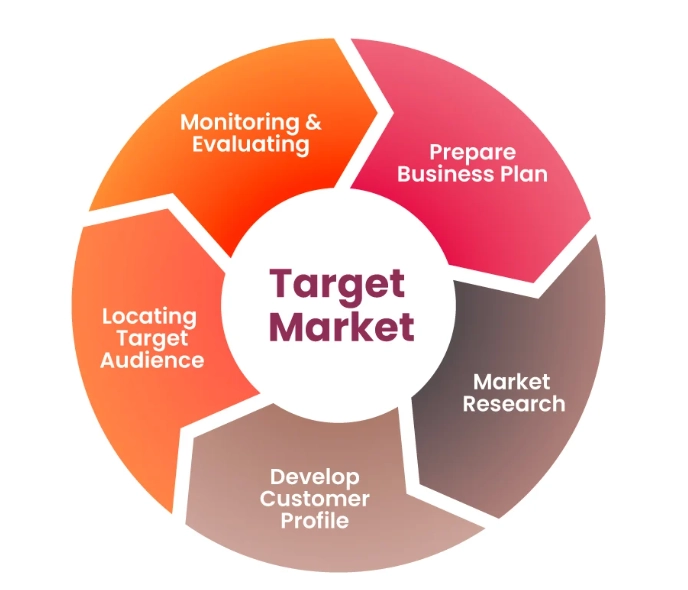
What is a Target Audience, Then?
This is where it gets specific. Your target audience is a subset of your target market that you intend to reach with a specific campaign, product, or message. It's contextual.
Let's use that bakery again. Their overall target market is defined above. But for a Saturday morning social media post about a new vegan, gluten-free pastry, their target audience for that post might be: Local parents (demographic/behavioral) who follow vegan lifestyle accounts on Instagram (psychographic/behavioral) and have previously engaged with our gluten-free content.
For an email campaign promoting a corporate catering package, their target audience shifts to: Office managers or HR professionals (demographic/occupational) at small-to-medium tech companies in the Pearl District (geographic/behavioral) who downloaded our catering menu in the last 90 days.
The market is the big picture; the audience is who you're talking to right now.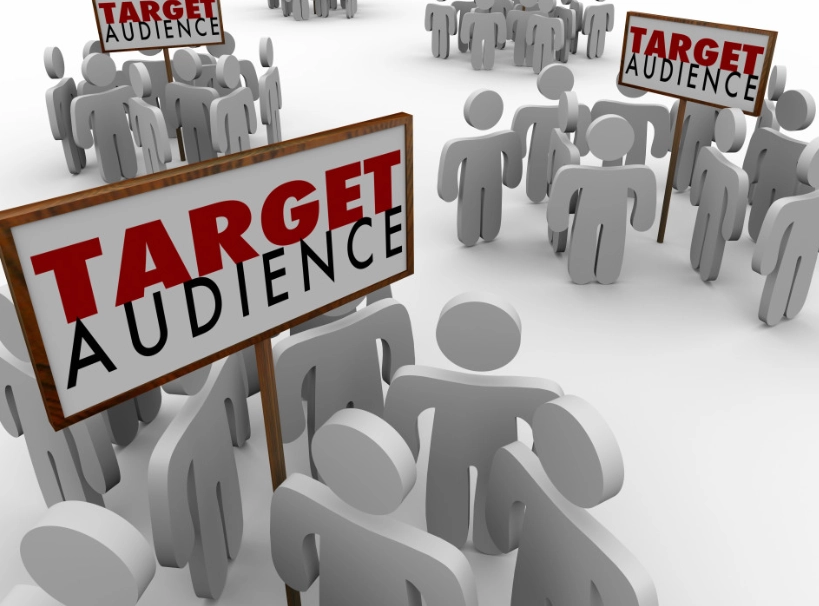
And What About Buyer Personas?
Personas are the final layer—the fictional, detailed character sketches that represent segments of your target audience. They put a face and a story to the data. "Health-conscious parent" becomes "Busy Brian," a 38-year-old dad of two trying to find quick, healthy snacks his kids will actually eat.
Personas are tools for empathy. They help your copywriter, your designer, your product team get out of their own heads and into the customer's. But remember, they are built from your understanding of your target market and audience, not the other way around.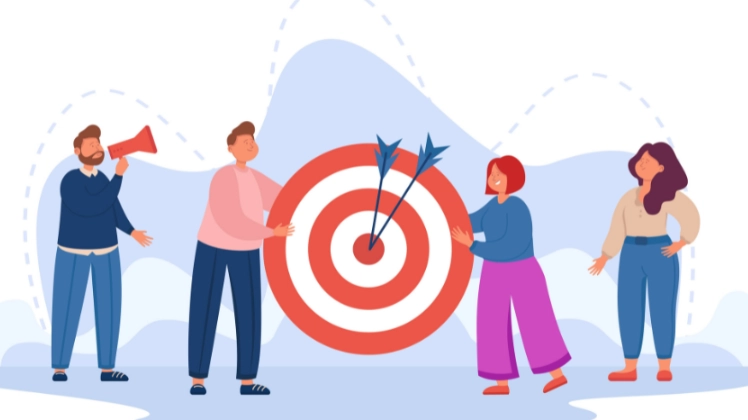
| Element | Target Market | Target Audience | Buyer Persona |
|---|---|---|---|
| Scope | Broadest | Narrower, campaign-specific | Highly specific, character-based |
| Purpose | Define business strategy & total opportunity | Guide marketing campaign creative & targeting | Humanize the customer for content & product design |
| Timeframe | Long-term (years) | Short-to-medium term (campaign duration) | Ongoing reference tool |
| Example | Runners in the United States | Marathon first-timers looking for training gear in Q1 | "Anxious Alex," 29, training for first marathon, worries about injury |
The Step-by-Step Process to Define Your Target Market and Audience
Enough theory. Let's build yours. This isn't a one-afternoon exercise. It requires looking inward at your business and outward at the world.
Step 1: Look at Your Existing Customers (The Goldmine You Already Have)
If you have any customers at all, start here. Who are they? What do they have in common? I'm not just talking about demographics. Dig into:
- What problem were they solving when they bought from you?
- What other brands do they love?
- Where do they hang out online? (Check their social profiles if appropriate).
- Who are your best customers? The ones who spend the most, refer others, and never complain. Focus on them more than the one-off, price-sensitive buyer.
Analytics tools like Google Analytics (look at the Audience reports) and your CRM are your best friends here.
Step 2: Analyze the Competition (But Don't Just Copy)
See who your competitors are targeting. Look at their social media followers, their ad copy, their blog topics. Tools like SparkToro or even manual sleuthing can help. The goal isn't to target the same people, but to identify gaps. Maybe they're all targeting young professionals, leaving an opportunity with savvy retirees underserved. That could be your niche.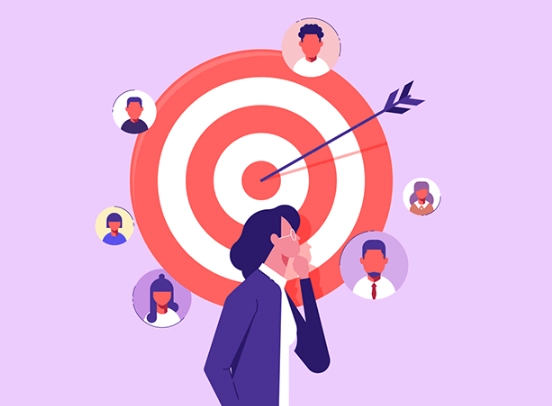
Step 3: Validate with Market Research & Data
This is where you move from gut feeling to evidence. Use free tools first:
- Google Trends: See search volume for problems your product solves.
- Social Media Insights: Use Facebook Audience Insights or LinkedIn's data to see demographics and interests of people who follow relevant topics.
- Industry Reports: Look for free reports from Nielsen, Think with Google, or trade associations in your field. These provide macro-level data on your broader target market.
For a deeper dive, consider surveys (using Google Forms or SurveyMonkey) sent to your email list or even targeted polls on social media.
Now, synthesize all that. Write a one-paragraph description of your target market. Then, for a specific product or upcoming campaign, write a tighter description of your target audience. Be as specific as you can.
I'll share a mistake: Early on, I defined an audience as "small business owners." Way too broad. It wasn't until I lost money on a campaign that I refined it to "first-time SaaS founders with 1-5 employees, struggling with customer onboarding." That specificity changed everything—the websites I advertised on, the language I used, even the pricing model I highlighted.
Translating This Into Action: Marketing That Actually Connects
Knowing your target market and audience is useless if it just sits in a Google Doc. Here’s how it changes your day-to-day.
Content Creation That Cuts Through Noise
Instead of blogging about generic industry news, you create content that answers the specific questions your audience has. For our "first-time SaaS founder," you'd write "The 5 Onboarding Emails Your First 100 Customers Actually Need" not "10 Tips for Better Email Marketing." You speak their language, address their exact pain points.
Advertising That Doesn't Feel Like an Ad
Your ad targeting becomes precise. You can use LinkedIn to target by job title ("Founder"), company size (1-10 employees), and member interests ("Software as a Service"). Your creative features images of messy home offices, not sterile corporate boardrooms, because you know your audience is working from a couch.
Product Development with Direction
When considering a new feature, you ask, "Does this serve our core target market? Which segment of our audience needs this most?" It prevents feature bloat and keeps development aligned with the people who actually pay you.
Common Pitfalls and How to Sidestep Them
Everyone makes mistakes here. Let's learn from the common ones so you don't have to.
Pitfall 1: Making Your Audience Too Broad. "Women 18+". "Anyone who eats food." This is the number one error. It feels safe, but it's a trap. Get comfortable with exclusion. If your ideal customer is a 45-year-old male hobbyist woodworker, say that. You're not saying others can't buy; you're saying your entire message is built for him.
Pitfall 2: Defining Based on Who You *Wish* Would Buy. You might want your brand to be for "cool, trendy 22-year-olds," but if your product is a premium financial planning tool, your actual target market is likely older and more established. Wishful thinking wastes budgets. Base it on data and reality.
Pitfall 3: Never Revisiting or Refining. Markets shift. Audiences evolve. A target audience for a video game in 2010 is different in 2024. Schedule a quarterly or biannual review of your assumptions. Are the channels still right? Have new pain points emerged?
Pitfall 4: Ignoring Negative Feedback. Listen to who *isn't* buying, and why. If people outside your assumed audience love you, that's a clue. If people inside your audience are confused, that's a major red flag you need to address.
Your Target Market and Audience FAQ (Answering the Real Questions)
How do I validate my target market assumptions without spending a lot of money?
Start with the "landing page test." Create a simple, one-page website (using Carrd or similar) for your product/service aimed directly at your hypothesized audience. Run a small amount of traffic to it (like $50 on Facebook Ads targeting that group). Don't even sell the full product—maybe offer a waitlist or a lead magnet. Measure the click-through rate and sign-ups. If it resonates, you'll see engagement. If it flops, your hypothesis might be off. It's cheap, fast validation.
Can I have more than one target audience?
Absolutely. Most businesses do. You might have a primary and a secondary audience. The key is to message to them separately. Don't try to cram messages for both into one ad or one email. Create different content streams, different ad sets, different landing pages. For example, a project management tool might have one audience of team managers and another of individual freelancers. Their needs and messaging are totally different.
What's the difference between B2B and B2C target audience definition?
The core principles are identical, but the characteristics you analyze shift. In B2B, you're often targeting both an organization (firmographic data: industry, company size, location) and the individual decision-maker within it (demographic/psychographic: job title, role, professional goals). The sales cycle is longer, and the messaging is more focused on ROI, efficiency, and risk reduction. Resources like Gartner's industry research become more relevant than general consumer trend reports.
How specific is too specific?
It's hard to be "too specific" in your definition document. You can always broaden your targeting later if needed. However, you can be too specific in your actual advertising targeting, to the point where the audience pool is only 1,000 people and you can't scale. Use hyper-specificity to craft your message, then use slightly broader (but still relevant) targeting parameters to deliver that message, ensuring there's enough reach.
Wrapping It Up: This Is Your Foundation
Forget fancy growth hacks for a second. Nailing your target market and audience is the single most important foundational work you can do for your business's marketing. It informs your product, your pricing, your partnerships, and every word you write.
It's not a one-time task. It's an ongoing conversation with the market. Start with the steps above. Be brutally honest about who you're currently serving and who you want to serve. Use data to challenge your assumptions. Write it down. Share it with your team. Then, go create something that speaks directly to that person you now see so clearly.
Everything else—the SEO, the social media, the email sequences—becomes infinitely easier when you know exactly who you're talking to. You stop shouting into the forest and start having meaningful conversations with the right trees.
Now, go define your audience. Your future customers are waiting to hear from you.
Reader Comments