You can work from anywhere. That's the dream, right? But turning it into reality involves more than just packing a laptop. After a decade of hopping between time zones, I've seen people thrive and others crash. Let's cut through the hype and get into the nitty-gritty of building a sustainable digital nomad life.
Your Quick Navigation
How to Become a Digital Nomad: A Step-by-Step Plan
Forget the vague advice. Here's a concrete plan based on what actually works. Most guides miss the financial runway you need. I'd say save at least six months of expenses before you leave. Not three, six. Things always cost more.
Step 1: Secure Remote Income
This is non-negotiable. You need a reliable cash flow. Options include:
- Remote Job: Sites like Remote.co or We Work Remotely list legit positions. I landed my first remote role as a content strategist through a referral—networking still matters.
- Freelancing: Platforms like Upwork or Toptal are crowded, but niches like technical writing or UX design pay well. Start building a portfolio before you quit your day job.
- Online Business: E-commerce, blogging, or SaaS. This takes time; don't expect instant profits. A friend runs a dropshipping store that nets $3k monthly after two years of tweaking.
Don't fall for the "passive income" myths. Most digital nomads I know work 40-hour weeks. The freedom is in location, not laziness.
Step 2: Choose Your First Destination Wisely
Start with a nomad-friendly hub. Think about internet speed, cost, and community. Southeast Asia is popular for a reason, but Eastern Europe offers better infrastructure for similar prices. I made the mistake of starting in a remote Thai village with spotty Wi-Fi—learn from my pain.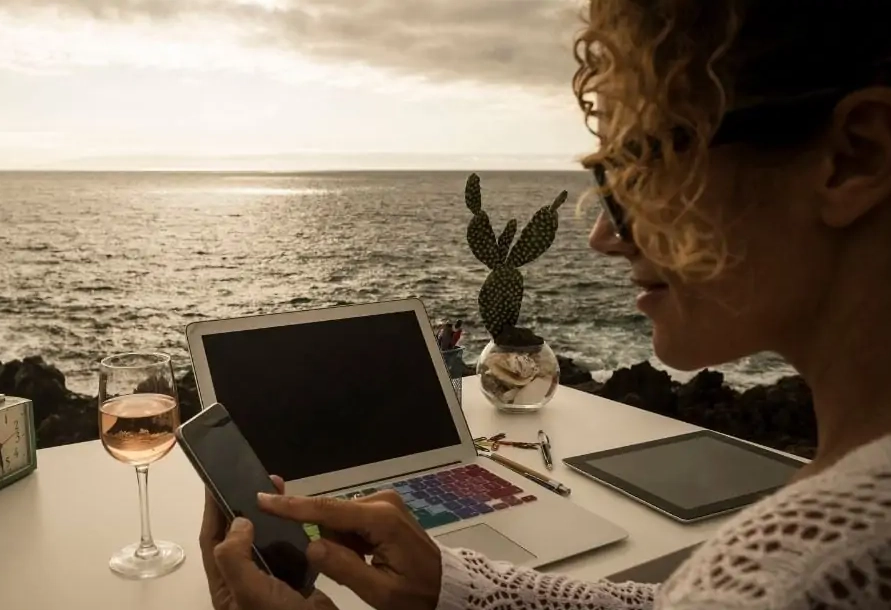
Step 3: Handle Logistics: Visas, Insurance, Banking
This is where people get stuck. Research visa requirements early. Many countries offer digital nomad visas now, like Portugal's D7 or Estonia's digital nomad visa. For health insurance, SafetyWing or World Nomads are solid options. Banking? Use Wise for multi-currency accounts to avoid crazy fees.
Set up a mail forwarding service like Traveling Mailbox. Trust me, you don't want tax documents lost in transit.
Top 5 Digital Nomad Destinations for 2024
Based on personal experience and data from Nomad List, here's a breakdown of spots that balance cost, community, and connectivity. I've included specifics because vague recommendations are useless.
| Destination | Monthly Cost (USD) | Internet Speed (Avg. Mbps) | Visa Tip | Why It Works |
|---|---|---|---|---|
| Chiang Mai, Thailand | $800 - $1,200 | 50 | 30-day visa exemption, extendable | Huge nomad scene, cheap co-working spaces like Punspace. |
| Lisbon, Portugal | $1,500 - $2,500 | 100 | D7 visa for long-term stays | Great weather, fast internet, growing startup ecosystem. |
| Medellín, Colombia | $1,000 - $1,800 | 60 | Tourist visa up to 90 days | Year-round spring climate, affordable apartments in El Poblado. |
| Bali, Indonesia | $900 - $1,500 | 40 | B211a visa for 60 days, renewable | Beach lifestyle, vibrant cafes in Canggu, though internet can be inconsistent. |
| Tbilisi, Georgia | $700 - $1,200 | 70 | 365-day visa-free for many passports | Super cheap, friendly locals, emerging tech hub. |
Chiang Mai is overhyped but still practical. Lisbon's cost is rising fast. Medellín? Safety has improved, but stay in tourist areas. Bali's internet drove me nuts during video calls—always have a backup mobile hotspot.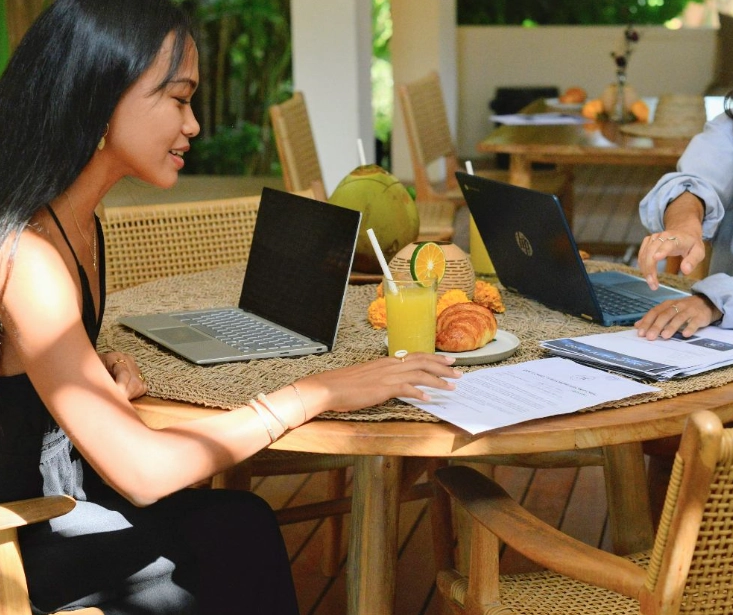
Essential Tools and Gear for Remote Work
Your toolkit makes or breaks productivity. Here's what I swear by after years of trial and error.
Software Must-Haves
- Communication: Slack for teams, Zoom for meetings. But don't overdo it—schedule deep work blocks.
- Project Management: Trello or Notion. I use Notion to track everything from client work to travel plans.
- Finance: QuickBooks Self-Employed for invoicing and expense tracking. It saves hours during tax season.
Cloud storage is critical. Google Drive or Dropbox, with automatic backups. I lost a client proposal once due to a laptop crash—never again.
Hardware Recommendations
Invest in quality. A lightweight laptop like a MacBook Air or Dell XPS 13. Noise-canceling headphones (Bose QC35s are worth every penny). A portable monitor if you're doing design work. And a universal travel adapter with surge protection.
Don't cheap out on your backpack. I use a Peak Design Travel Backpack—it's durable and fits under airline seats.
Pro tip: Always carry a portable Wi-Fi router or a local SIM card. Public Wi-Fi in cafes is often insecure. Use a VPN like ExpressVPN to protect your data.
Overcoming Common Digital Nomad Challenges
Nobody talks about the loneliness. Or the tax nightmares. Let's address the ugly parts.
Mental Health and Loneliness
Moving every few months is exhausting. I've felt isolated even in crowded co-working spaces. Join local meetups through Meetup.com or digital nomad Facebook groups. Schedule regular calls with family. Consider staying in coliving spaces like Outsite or Selina—they foster community.
Burnout is real. Set boundaries. Work 9-5, then explore. I learned this after pulling all-nighters to match U.S. time zones and crashing for a week.
Tax and Legal Pitfalls
This is a minefield. Most digital nomads ignore taxes until it's too late. If you're American, you still need to file U.S. taxes regardless of where you live. The Foreign Earned Income Exclusion can help. For others, consult a tax professional specializing in nomadic lifestyles. I use a service called Nomad Tax—it's pricey but saved me from penalties.
Residency rules vary. Spending too many days in a country might make you a tax resident. Keep a travel log. Tools like TravelBank can automate this.
Productivity on the Road
Distractions are everywhere. Find a routine. I work from co-working spaces in the morning, cafes in the afternoon. Use apps like Forest to stay focused. Time zone differences? Block your calendar for overlapping hours with clients.
Health insurance gaps can ruin you. Most travel insurance doesn't cover long-term stays. Get a global health plan. I had a dental emergency in Mexico and paid out of pocket—ouch.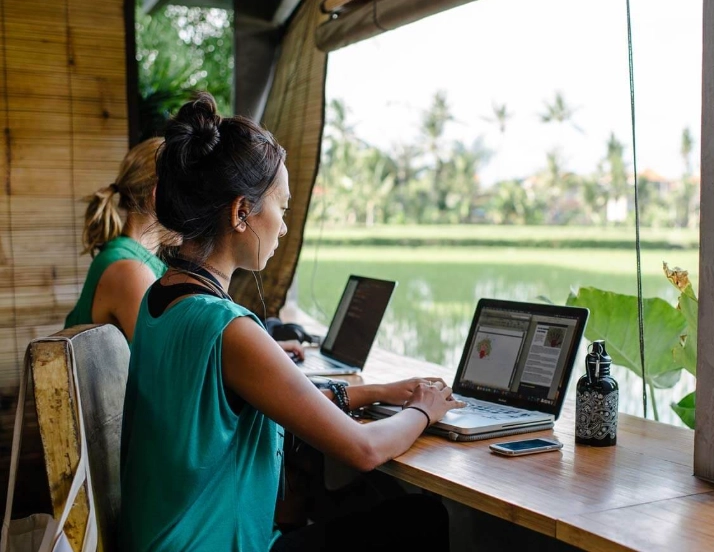
Digital Nomad FAQs: Expert Answers
Digital nomadism isn't a vacation. It's a career choice with unique rewards and headaches. Plan thoroughly, stay adaptable, and enjoy the ride. For more insights, check reports from MBO Partners on the independent workforce or browse communities like Nomad List for real-time data.
Reader Comments