Let's cut through the jargon. Options trading isn't magic or a guaranteed ticket to riches—it's a financial tool that gives you the right, but not the obligation, to buy or sell something (like 100 shares of a stock) at a fixed price before a specific date. Think of it like placing a refundable deposit on a future transaction. The power—and the complexity—lies in that choice. You can use it to speculate on price moves, generate income from stocks you own, or, most importantly, hedge your bets to protect your existing investments from a downturn. I've seen too many beginners jump in lured by stories of massive gains, only to get blindsided by the quiet, relentless costs. This guide is about understanding the machinery before you push any buttons.
What You'll Learn Inside
The Core Mechanics: Calls, Puts & Key Terms
Every option contract is built from a few standard parts. Get these down cold.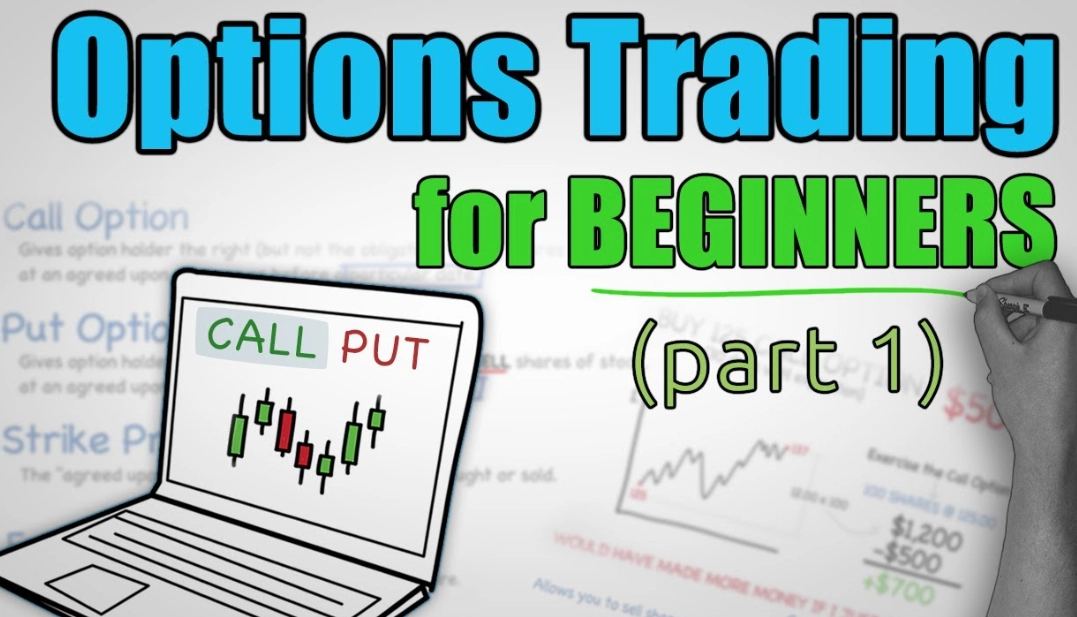
The Two Flavors: A Call Option gives you the right to buy the underlying asset. You buy a call if you think the price will go up. A Put Option gives you the right to sell the underlying asset. You buy a put if you think the price will go down.
Here’s the anatomy of a typical option ticker you'd see in a broker platform: AAPL230615C00185000. Looks like gibberish, but it tells you everything.
- AAPL: The underlying stock (Apple).
- 230615: The expiration date (June 15, 2023).
- C: The type (Call. 'P' would be Put).
- 00185000: The strike price ($185.000).
Key Terms You Must Understand
Strike Price: The fixed price at which you can buy (call) or sell (put) the stock. It's your deal price.
Expiration Date: The deadline. After this date, the option is worthless if not exercised. Options can expire weekly, monthly, or quarterly.
Premium: The price you pay to buy the option contract. This is your total cost and the seller's maximum profit. It's quoted per share, but you multiply by 100 (since one contract controls 100 shares). A $2.50 premium costs $250 per contract.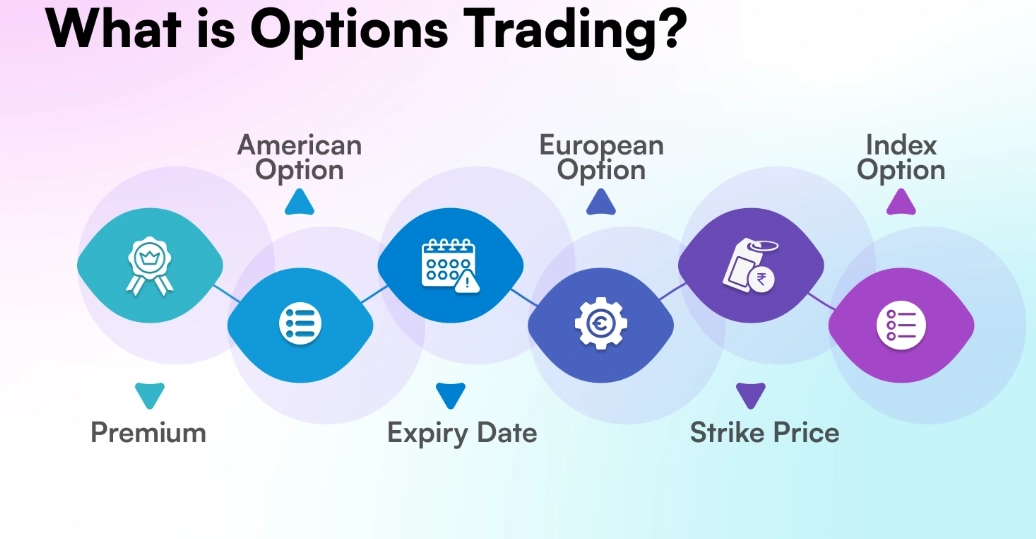
In, At, or Out of the Money (ITM, ATM, OTM): This describes the option's current relationship to the stock price. An AAPL call with a $150 strike is deep ITM if AAPL trades at $180. That same call is OTM if AAPL is at $145. OTM options are cheaper but have lower odds of paying off.
Why Trade Options? The Three Main Use Cases
People don't trade options just to be fancy. They serve specific, practical purposes.
| Use Case | How It Works | Typical Mindset |
|---|---|---|
| Speculation | Betting on the direction of a stock (up or down) with limited upfront capital and defined risk. Buying a call to profit from a stock rally is speculation. | "I think Tesla will hit $250 by month-end. Instead of buying $25,000 worth of stock, I'll spend $800 on calls to control those shares." |
| Income Generation | Collecting premium by selling options. The most common beginner-friendly strategy is the Covered Call—selling a call against stock you already own. | "I own 200 shares of Coca-Cola. It's not moving much. I can sell call options against it each month to collect extra income, like a dividend." |
| Hedging / Protection | Buying insurance for your portfolio. Buying put options on stocks you own acts as a price floor, limiting downside risk. | "I have a large position in the S&P 500 index, but I'm nervous about a potential 10% drop over the next quarter. I'll buy some puts as portfolio insurance." |
The income and hedging uses are where options truly shine for the average investor, in my view. Pure speculation is a tough game.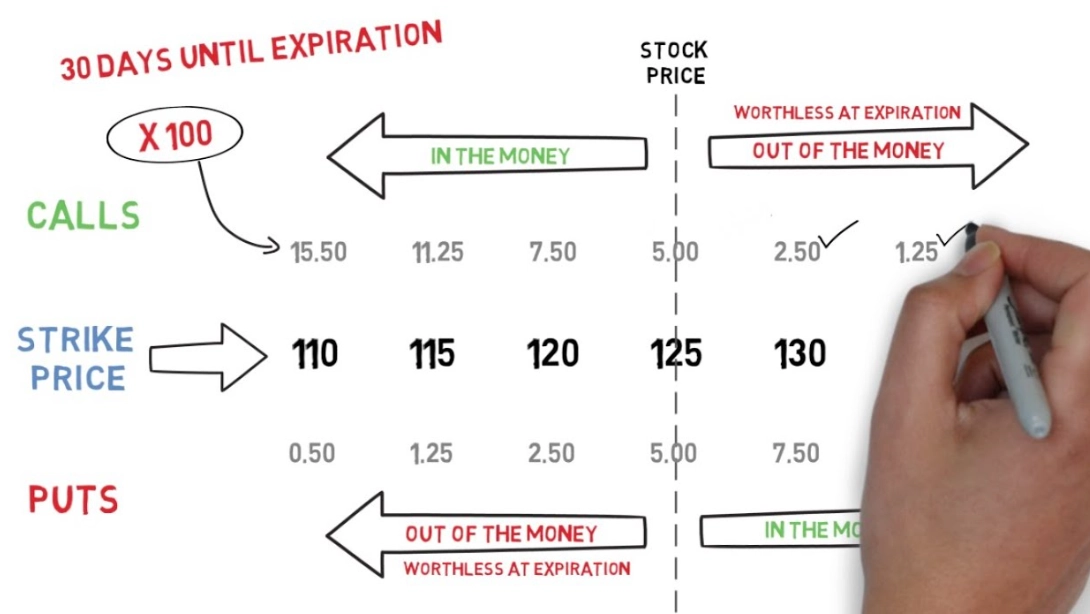
Common Options Strategies for Beginners
You don't just buy a call and hope. Strategies combine options to create specific risk/reward profiles. Let's look at two foundational ones.
The Covered Call: Your First Income Strategy
This is often the gateway. You own 100 shares of XYZ stock, currently at $50. You sell one call option with a $55 strike, expiring in 45 days, for a $1.50 premium.
You instantly collect $150 ($1.50 x 100 shares). Two things can happen:
- Stock stays below $55 at expiration: The option expires worthless. You keep the $150 premium and still own your shares. You can do it again next month.
- Stock rises above $55: The buyer will likely exercise the option. You must sell your shares at $55 each. You keep the $150 premium plus the $5 per share gain (from $50 to $55). Your total profit is capped, but it's a predictable, income-focused outcome.
The subtle error? Beginners pick strikes too close to the current price for a tiny extra premium, dramatically increasing the chance their shares get called away. If you like the stock, give it room to breathe.
The Protective Put: Buying Portfolio Insurance
You own 100 shares of XYZ at $50. You're worried about a short-term drop but don't want to sell. You buy one put option with a $45 strike, expiring in 3 months, for a $2.00 premium.
Cost: $200. This establishes a floor. If XYZ crashes to $30, you can still sell your shares for $45 each, limiting your loss on the stock position to $5 per share plus the $2 premium cost. It's like paying an insurance deductible.
The Hidden Risks & Costs Nobody Talks About Enough
This is the section that saves accounts. Beyond the obvious "you can lose money," these are the silent killers.
Time Decay (Theta): An option's premium isn't just about the stock price. It has a time-value component that erodes every single day, accelerating as expiration nears. If you buy an option and the stock does nothing, you lose money. This is the #1 shock for new buyers. Sellers, however, benefit from time decay.
Implied Volatility (IV): This is the market's forecast of future price swings, baked into the option's price. High IV = expensive premiums. If you buy options when IV is high (after a big news spike) and it then drops, your option can lose value even if the stock moves in your direction. It's a double-whammy.
Liquidity & Wide Bid-Ask Spreads: Not all options trade frequently. An illiquid option might have a $1.00 bid and a $1.50 ask. You instantly lose $0.50 per share ($50 per contract) just to get in and out. Always check the volume and open interest before trading.
Assignment Risk (For Sellers): If you sell an option, you're on the hook. If it goes in the money, you can be assigned—forced to buy or sell shares—at any time before expiration, not just on expiration day. Don't sell options on stock you wouldn't want to own or sell outright.
How to Place Your First Options Trade (A Step-by-Step Walkthrough)
Let's make this concrete. Imagine you've done your research. You want to place a simple, defined-risk trade: buying a single call option.
Step 1: Get Approved. Log into your brokerage (like Fidelity, Charles Schwab, or TD Ameritrade). You must apply for options trading approval, which involves disclosing your experience and financial situation. Most beginners get Level 1 or 2 approval, allowing you to buy calls/puts and sell covered calls.
Step 2: Find the Option Chain. Navigate to the stock's page. Look for a tab labeled "Options" or "Option Chain." You'll see a grid of all available calls and puts, sorted by expiration date and strike price.
Step 3: Pick Your Contract. Say you're looking at Microsoft (MSFT), trading at $330. You're bullish over the next two months. You scroll to options expiring in ~60 days. You see the $340 strike call has a premium (ask price) of $8.50. Buying this OTM call is cheaper than buying an ITM call and defines your max loss to that $850 premium.
Step 4: Place the Order. Click to buy. The order ticket will appear. Key fields: Action: BUY TO OPEN. Quantity: 1 (contract). Order Type: Use a LIMIT order, not a market order. Enter a limit price slightly below the ask, like $8.40, to avoid overpaying due to the spread. Duration: Good-til-canceled (GTC). Submit.
Step 5: Monitor & Manage. If your order fills, you now own the right to buy 100 MSFT shares at $340 before expiration. You can sell this option contract at any time before expiration to realize a profit or loss—you don't have to exercise it. Most traders close their positions.
Start with one contract. Paper trade first if your platform allows it. The goal is learning the process, not making money on day one.
Reader Comments