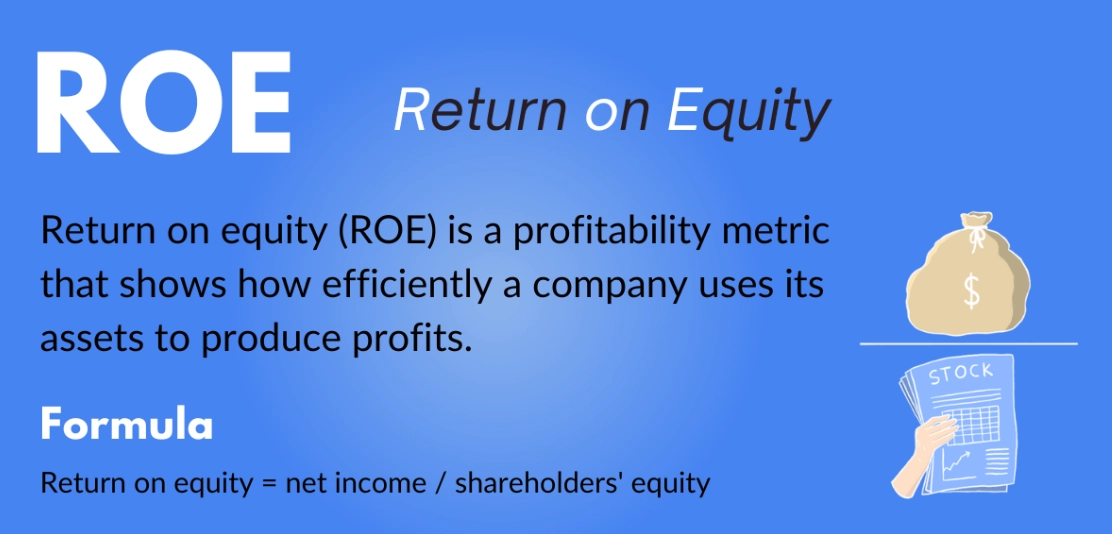
Let's cut to the chase. You're looking at stocks, maybe Apple, maybe some small-cap you heard about. You see P/E ratios, revenue growth, debt levels. It's a data overload. But if I had to pick just one single number to start with, it wouldn't be any of those. It would be Return on Equity, or ROE. This isn't just some accounting trivia. It's the report card for management, a direct measure of how efficiently they're using your money (as a shareholder) to generate profits. A high, sustained ROE is the hallmark of a great business. A low or declining one is a giant red flag, no matter how exciting the story sounds.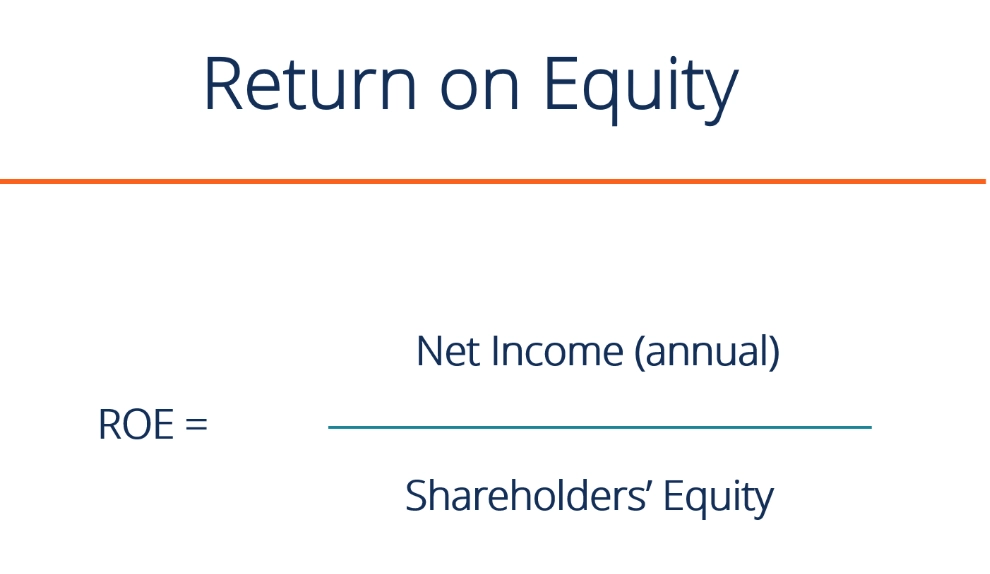
Your ROE Roadmap
What is ROE and How Do You Actually Calculate It?
At its core, Return on Equity answers a simple question: For every dollar of shareholder money invested in the company, how many cents of profit does the company create?
The formula is straightforward: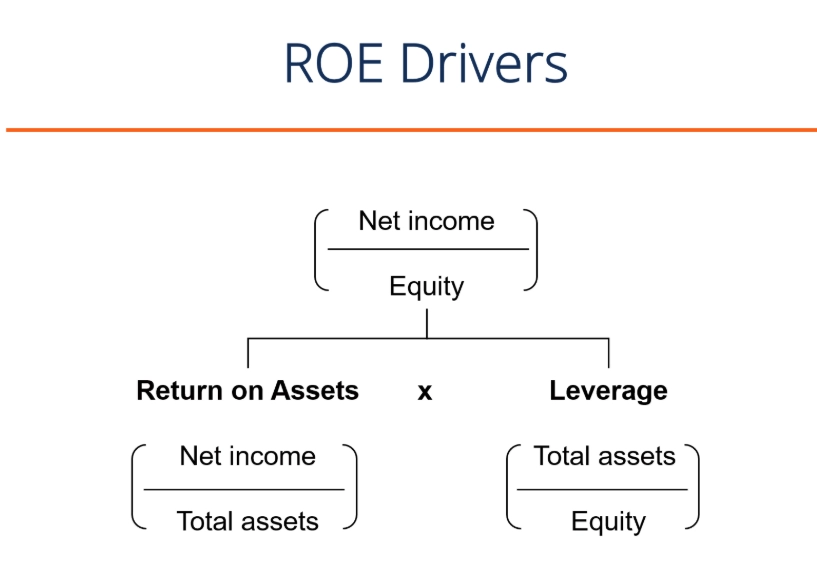
You'll find both numbers smack in the middle of a company's financial statements. Net Income is on the Income Statement (the bottom line). Shareholders' Equity is on the Balance Sheet (it's Assets minus Liabilities). It's also called "book value."
Let's make it real. Say Company XYZ reports a net income of $10 million this year. Its balance sheet shows shareholders' equity of $50 million.
ROE = $10 million / $50 million = 0.20 or 20%.
That means for every dollar of equity, the company generated 20 cents in profit. Not bad.
But here's where most online guides stop, and where you need to go deeper. The basic formula is a starting point. The real insight comes from the DuPont Analysis, which breaks ROE into three driving components. This is what separates casual lookers from serious analysts.
The DuPont Breakdown: The Engine Under the Hood
Think of ROE as a car's top speed. The DuPont analysis pops the hood to show you the engine: is it high profit margins? Efficient use of assets? Or a lot of financial leverage (debt)?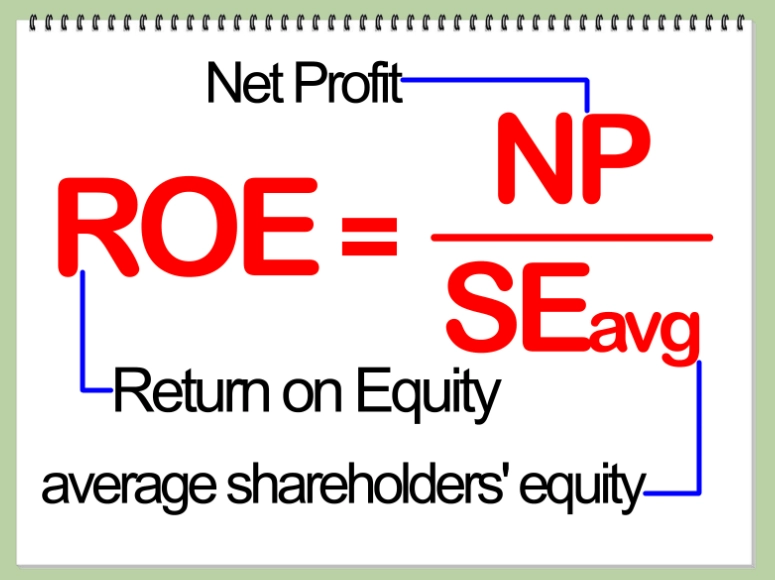
The formula is: ROE = (Net Profit Margin) x (Asset Turnover) x (Equity Multiplier).
- Net Profit Margin (Net Income/Sales): How much profit from each dollar of sales. A luxury brand should have a high one.
- Asset Turnover (Sales/Assets): How efficiently it uses assets to generate sales. A grocery store has low margins but high turnover.
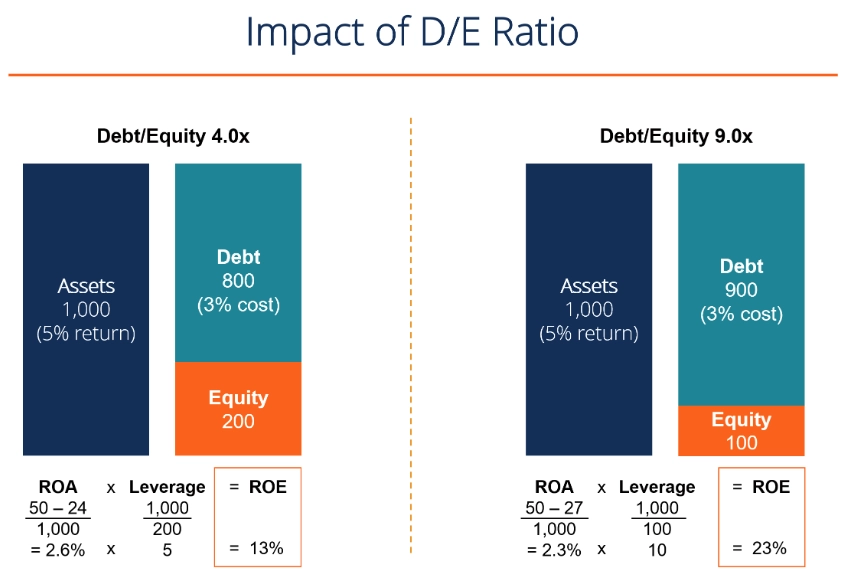
- Equity Multiplier (Assets/Equity): A measure of financial leverage. More debt = higher multiplier.
Two companies can have the same 20% ROE, but with completely different stories. One might have a fat 20% profit margin and low leverage (a wonderful business). The other might have a skinny 5% margin but be piled high with debt (a risky one). You must check under the hood.
Why ROE Matters More Than You Think
Warren Buffett loves ROE. He's said he looks for businesses capable of earning good returns on equity while using little or no debt. Why? Because ROE is directly tied to the intrinsic value growth of a business.
A company with a 20% ROE can, in theory, grow its earnings at 20% per year without needing to borrow a dime or issue new shares. It reinvests its profits back into the business at that high rate of return. That's the magic of compounding working for shareholders.
Contrast that with a company with a 6% ROE. Even if it reinvests all its profits, its growth engine is sputtering. To grow faster, it must take on debt (increasing risk) or dilute shareholders by issuing more stock.
I use ROE as a first-pass filter. If a company's long-term average ROE isn't above, say, 12-15%, I'm probably not interested. The market is full of average businesses. I'm looking for exceptional ones, and ROE is a bright spotlight for finding them.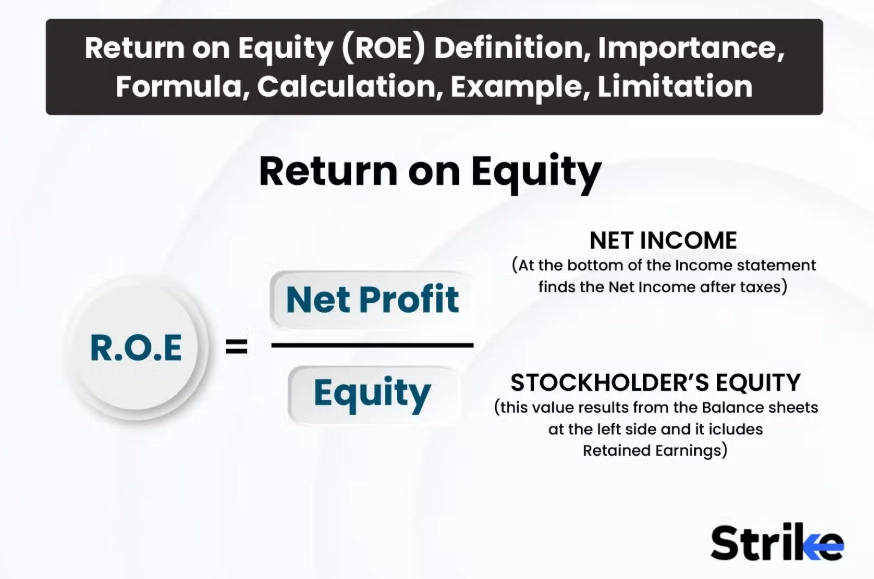
How to Analyze ROE Like a Pro
Looking at a single year's ROE is almost useless. You need context. Here's my 4-step framework.
Step 1: Check the Trend (5-10 Years Minimum)
Pull up the ROE for the last decade. Is it stable? Rising? Volatile? Declining? A stable or rising ROE indicates a durable competitive advantage (a "moat"). A declining trend suggests the moat is eroding or competition is intensifying. Chart it. The visual tells a story numbers alone can't.
Step 2: Benchmark Against the Industry
A 15% ROE is fantastic for a utility company but might be mediocre for a software firm. Compare the company's ROE to its industry peers. Resources like NYU Stern's industry data are great for this. This tells you if the company is an industry leader or a laggard.
Step 3: Deconstruct It with DuPont
Calculate or find the three DuPont components over time. Is the ROE driven by high margins (e.g., a pharmaceutical company with a patented drug)? High asset turnover (a fast-food chain)? Or high leverage (a bank or real estate firm)? You want to understand the source. High leverage-based ROE is inherently riskier.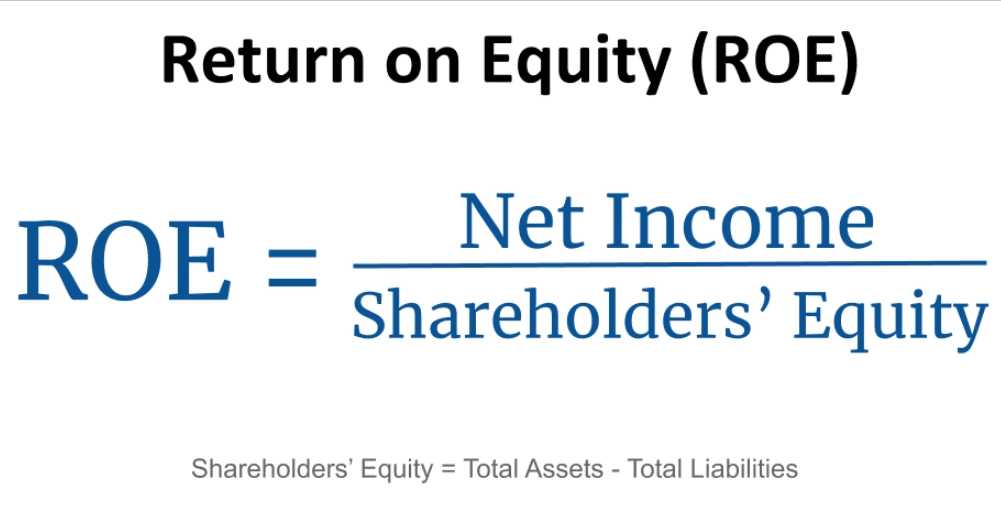
Step 4: Look at the Cost of Capital
This is the advanced move. A company's ROE should be compared to its cost of equity. If ROE is lower than the cost of equity, the company is actually destroying shareholder value, even if it's profitable on paper. It's earning less than what investors require. You can estimate the cost of equity using models like CAPM, but a simple rule of thumb: a good ROE should be comfortably above 10% in today's environment.
| Company (Example) | 5-Yr Avg ROE | Primary DuPont Driver | Interpretation Snapshot |
|---|---|---|---|
| High-Quality Tech Company | 35% | High Profit Margin | Strong moat, scalable business, minimal debt. |
| Well-Run Retail Chain | 22% | High Asset Turnover | Operational excellence, efficient inventory management. |
| Regional Bank | 12% | High Financial Leverage | ROE is debt-fueled. Sensitive to interest rates and loan defaults. |
| Mature Auto Manufacturer | 8% | Low Margin & Turnover | Highly competitive, capital-intensive, low-growth industry. |
ROE in Action: A Real-World Case Study
Let's walk through a hypothetical but realistic analysis. Imagine you're comparing two beverage companies: "StableSip Inc." and "GrowthBrew Co."
Both have a current ROE of 18%. Superficially, they look equal.
You dig into StableSip's 10-K reports (the annual reports filed with the SEC). Over the past 10 years, its ROE has been between 16% and 19%. Steady as a rock. A DuPont breakdown shows it's driven by a consistent, high net profit margin of around 25%. Its equity multiplier is low (little debt). This paints a picture of a company with strong brand pricing power and a conservative balance sheet.
Now, look at GrowthBrew. Its ROE just jumped to 18% last year from 10% five years ago. That looks like improvement! But the DuPont analysis reveals the secret: its profit margin actually shrank. The entire ROE jump came from a massive increase in the equity multiplier—they took on a huge amount of debt to buy back their own stock (which reduces equity). The underlying business isn't necessarily more profitable; it's just more leveraged. Much riskier.
This is the power of a deep ROE analysis. The headline number was identical. The stories were worlds apart.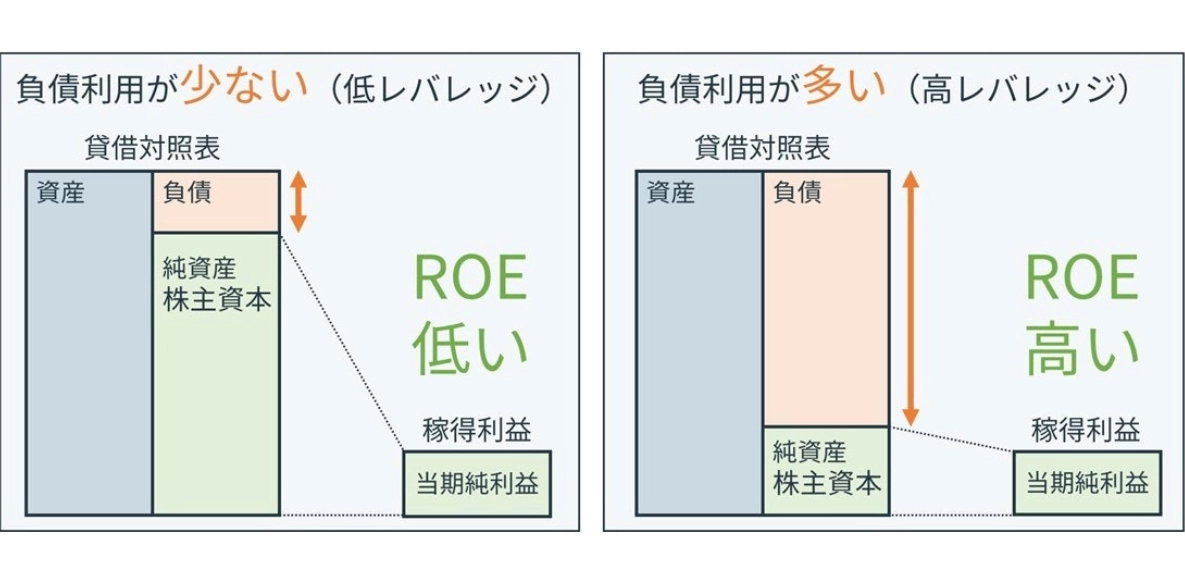
The 3 Biggest ROE Mistakes Investors Make
I've seen these errors cost people money for years.
Mistake 2: Using ROE for Banks and Financials. It's almost meaningless. These businesses are *defined* by high leverage—it's their model. For banks, focus on metrics like Return on Assets (ROA) and net interest margin instead.
Mistake 3: Not Adjusting for Share Buybacks. This is a subtle one. When a company buys back its shares, it reduces shareholders' equity. This can make ROE rise even if net income is flat. It's not always a bad thing (returning cash to shareholders), but you need to recognize it. Look at the trend in total net income and the share count over time to get the true picture.
Honestly, if you just avoid Mistake #1, you'll be ahead of 70% of amateur investors.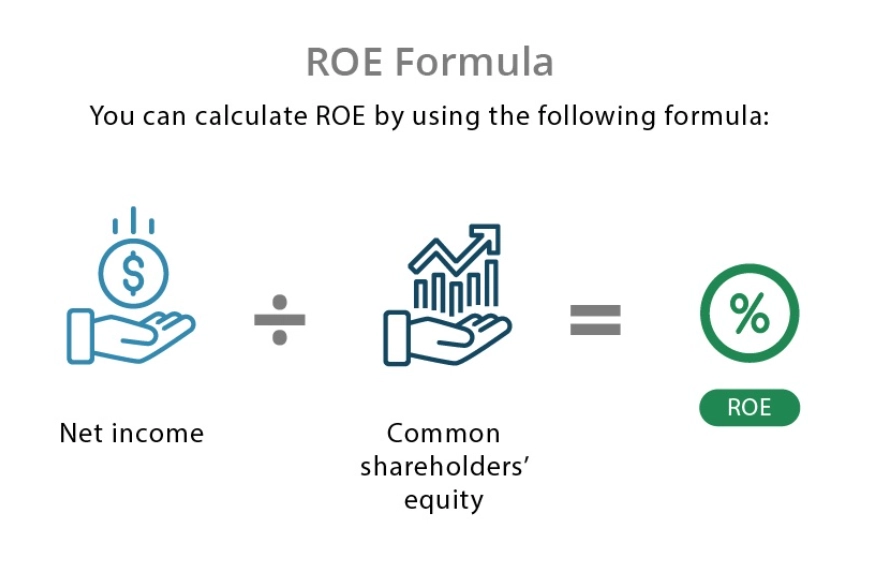
Your ROE Questions, Answered
 How can a company improve its ROE?
 ROE isn't the only metric, but it's the best starting point. It forces you to think about profitability, efficiency, and risk all at once. Start using it as your primary filter. Look past the single number, dig into its components, and compare it over time and against peers. You'll start seeing the market not as a list of tickers, but as a landscape of businesses with wide-ranging abilities to turn capital into profits. And that's the perspective that leads to smarter, more profitable investments.
Reader Comments