What You'll Learn in This Guide
If you've ever looked at a stock quote or a company's financials and seen "TTM" next to a number, you've asked the right question: what does TTM mean? It stands for Trailing Twelve Months. On the surface, it's simple—it's the sum of a company's financial data from the most recent 12-month period.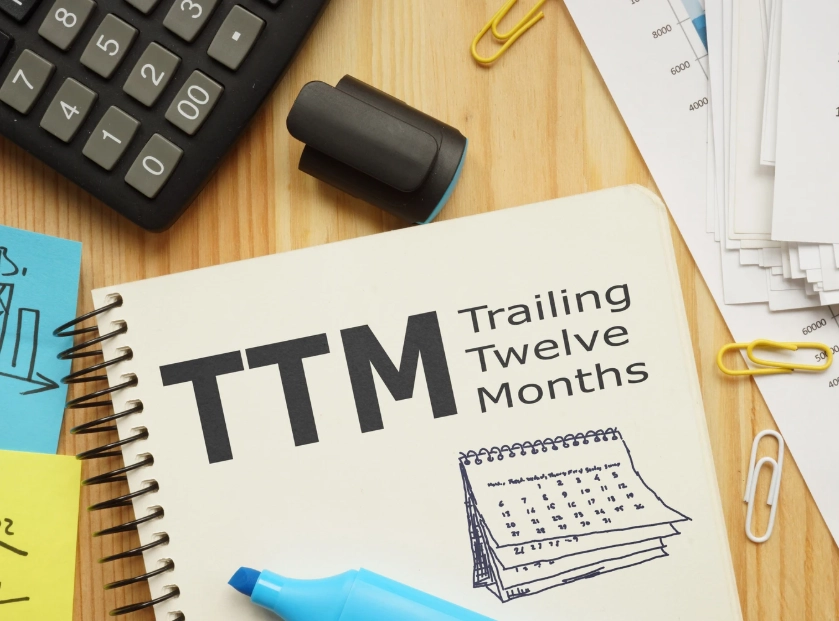
But here's where most articles stop, and where investors start making mistakes. They treat TTM as a holy grail, a perfect snapshot. After 15 years of analyzing companies, I've seen more portfolios hurt by a blind reliance on TTM than helped by it. It's a tool, not a truth. Let's dig into what it really means, how to use it properly, and the specific traps to avoid that nobody talks about.
TTM Meaning: More Than Just an Acronym
Trailing Twelve Months (TTM) is a measurement period. Instead of looking at a single quarter (Q1, Q2, etc.) or a company's official fiscal year (which might end in June, not December), TTM looks backward from today (or the last reported date) over the preceding 12 months. It's a rolling or moving window.
Think of it this way: A company's fiscal year is like a school year (September to June). TTM is like asking "what's your GPA over the last 365 days?" regardless of when the semesters started or ended. It always covers the most recent year of activity.
You'll see TTM attached to key financial metrics: TTM Revenue, TTM Earnings Per Share (EPS), TTM Free Cash Flow. The U.S. Securities and Exchange Commission (SEC) requires companies to report quarterly and annually, but analysts and data providers (like Yahoo Finance or Bloomberg) calculate TTM figures to give a more current, standardized view.
Why is TTM So Important for Investors?
Because it solves two big problems with standard financial reporting.
First, it eliminates seasonality. Retail companies make most of their money in Q4 (the holidays). Using just Q4 numbers makes them look like superstars; using just Q2 numbers makes them look terrible. TTM smooths that out by including all four quarters, giving you a normalized, full-year picture of performance that's more representative of the actual business.
Second, it's more current than the last fiscal year. A company with a December year-end will file its full-year report in early 2024. By June 2024, that data is already six months old. A TTM figure calculated in June 2024 includes Q1 and Q2 of 2024, making it a much fresher dataset for decision-making.
This is why valuation multiples almost always use TTM numbers. When you see a P/E ratio of 20, it usually means Price / TTM Earnings Per Share. Comparing companies using TTM data puts them on a level playing field, regardless of their fiscal year-end dates.
How Do You Calculate TTM? A Step-by-Step Walkthrough
Let's move from theory to practice. Imagine we're analyzing "TechGrow Inc." today, and their last reported quarter was Q1 2024 (ending March 31, 2024). Their previous fiscal year ended December 31, 2023.
To calculate TTM Revenue as of March 31, 2024:
- Take the Annual Revenue for FY 2023 (full year ended Dec 31, 2023).
- Subtract the revenue from Q1 2023 (the first quarter of that old annual figure, because it's now outside our 12-month window).
- Add the revenue from Q1 2024 (the newly reported quarter).
Formula: TTM = Full Previous Fiscal Year - Old Comparable Quarter + Newest Quarter.
| Period | TechGrow Inc. Revenue | Action |
|---|---|---|
| FY 2023 (Full Year) | $100 million | Start with this |
| Q1 2023 | $22 million | Subtract this (falls outside window) |
| Q1 2024 | $28 million | Add this (new data) |
| TTM Revenue (Mar 31, 2024) | $106 million | $100M - $22M + $28M |
See the story? Even though the full annual report isn't out, we can see the company's revenue over the latest year increased by $6 million. This is the power of TTM—continuous, rolling insight.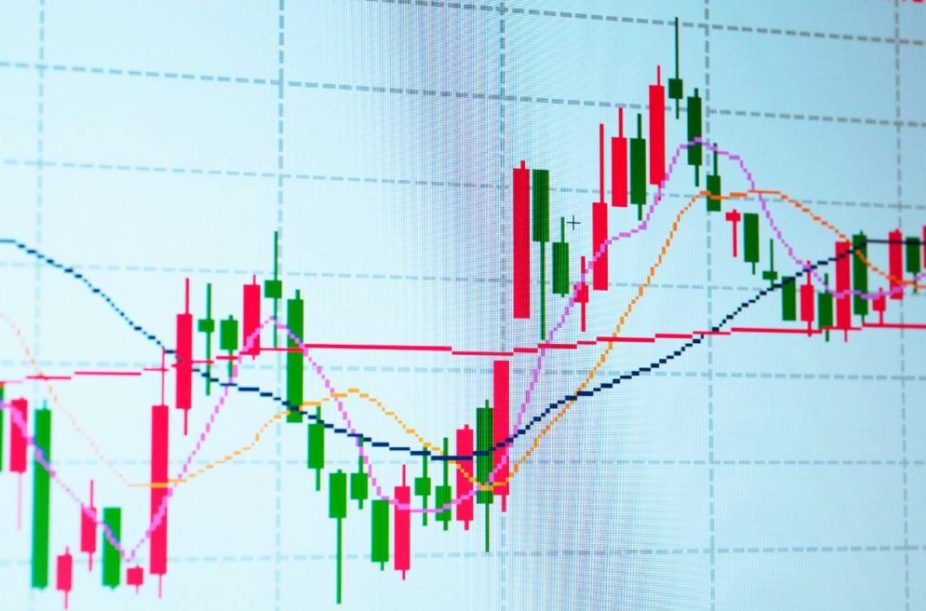
The Critical Limitations and Misuses of TTM
This is the part most guides gloss over. TTM is backward-looking. It tells you what has happened, not what will happen. Relying on it blindly is the #1 mistake I see new investors make.
Biggest Pitfall: The Lag Effect. If a company's business fundamentally changes in the most recent quarter, the TTM figure is still 75% weighted with old, irrelevant data. Imagine a brick-and-mortar retailer that just closed half its stores in Q1. Its TTM profit might still look okay, padded by three strong quarters before the collapse. The TTM number becomes a dangerous lagging indicator, masking the current crisis.
Specific Industries Where TTM Can Be Deceiving
Cyclical Industries (Commodities, Semiconductors): These businesses go through massive boom-and-bust cycles. A TTM P/E ratio for a chipmaker at the peak of the cycle (high earnings) will look incredibly cheap. But those earnings are about to plummet. Buying based on that "low" TTM P/E is a classic value trap.
High-Growth Startups: A SaaS company growing revenue at 80% year-over-year. Its TTM revenue is already outdated the day it's calculated. You must look at quarterly growth rates and forward estimates, not just the trailing figure.
Companies with Major One-Time Events: Did a company sell a division last year? That gain is baked into TTM earnings, making ongoing profitability look better than it is. You need to look for normalized or adjusted TTM figures that exclude non-recurring items.
TTM vs. Other Key Financial Periods
Don't confuse TTM with other terms. Here’s the breakdown:
| Metric | What It Means | Best Used For | Key Limitation |
|---|---|---|---|
| TTM (Trailing Twelve Months) | Last 12 rolling months from latest report. | Current valuation multiples, smoothing seasonality. | Backward-looking, has a data lag. |
| FY (Fiscal Year) | Company's official 12-month accounting period (e.g., Jan-Dec). | Official annual reporting, long-term trend analysis. | Can be many months stale. |
| LTM (Last Twelve Months) | Essentially the same as TTM. Used interchangeably in finance. | Same as TTM. | Same as TTM. |
| MRQ (Most Recent Quarter) | The latest single quarter (e.g., Q1 2024). | Checking for acceleration or slowdown in growth rates. | Volatile, highly seasonal. |
| NTM (Next Twelve Months) | Analysts' consensus forecast for the next 12 months. | Forward-looking valuation (Forward P/E). | Just an estimate, often wrong. |
The professional move? Look at TTM and NTM together. The gap between them tells you the growth story the market is pricing in. A wide gap means high expected growth.
Frequently Asked Questions About TTM
So, what does TTM mean? It's your best tool for getting a current, seasonally-adjusted view of a company's financial performance. It's the foundation for most common valuation metrics. But remember, it's a rear-view mirror. Use it to understand where the company has been, but never drive your investment decisions solely by looking backward. Always, always, check what's coming through the windshield—the next quarter's guidance, industry shifts, and forward estimates. That's how you avoid the TTM trap and make smarter decisions.
Reader Comments