Let's cut right to it. You're probably here because you see that juicy 8% yield next to a stock ticker and think, "Free money!" I've been there. I made that mistake early in my investing career, and it cost me. Dividend yield is the most seductive, and most misunderstood, metric in income investing. It's not just a math formula—it's a signal, a warning, and sometimes, a trap.
This guide won't just teach you how to calculate it. We're going to dig into what that percentage is really telling you about a company's health, why a high yield can be a terrible sign, and how to use it alongside other tools to build a resilient income stream. Forget the textbook definitions. Let's talk about how this works in the real world, with real money on the line.
What You'll Learn Today
What Dividend Yield Really Tells You (Beyond the Math)
Okay, fine, we'll do the formula quickly. It's simple: Annual Dividend Per Share ÷ Current Stock Price = Dividend Yield.
If a stock pays $4 a year and trades at $100, the yield is 4%. Easy.
But here's what most articles don't stress enough: It's a ratio with two moving parts. The yield changes every single trading day because the stock price changes. This is crucial. A rising yield can mean the dividend went up (good) or the stock price crashed (very, very bad).
Look at AT&T (T) a few years back. For a long time, it was the darling of income investors, sporting a yield often above 6%. Then, in 2022, it cut its dividend nearly in half after spinning off WarnerMedia. The stock tanked, and investors who bought for the "safe" high yield got crushed from both sides—lower income and capital loss.
Contrast that with Apple (AAPL). Its yield is typically low, around 0.5-0.6%. But Apple has grown its dividend every year for over a decade. An investor who bought Apple for its modest yield a decade ago would now be earning a yield on their original cost of over 3% because the dividend payment grew while their buy-in price stayed fixed. That's the power of dividend growth.
The Single Biggest Mistake Investors Make
Chasing the highest yield on the screen.
It's that simple. It feels logical—more income is better, right? In practice, it's like picking fruit based solely on size without checking if it's rotten inside. The market is ruthlessly efficient. If a company offers a yield significantly higher than its peers (think 8% when similar companies yield 3-4%), the market is pricing in a high risk that the dividend will be cut.
I learned this the hard way with a mortgage REIT during my first investing foray. The yield was 12%. I thought I was a genius. What I ignored was the dangerously high payout ratio and the complex, leveraged assets on its balance sheet. When the sector hiccupped, the dividend was slashed to zero, and the stock fell 70%. My "income investment" evaporated.
The sectors most prone to these "yield traps" are often ones with volatile earnings or high debt: certain energy MLPs, some BDCs (Business Development Companies), and highly leveraged REITs.
| Company Type | Typical Yield Range | The Hidden Risk in a High Yield |
|---|---|---|
| Utility Stocks | 3% - 5% | High debt levels, rising interest rates can pressure payouts. |
| Blue-Chip Consumer Staples | 2.5% - 4% | Slow growth; yield may be high because stock price is stuck. |
| Mortgage REITs (mREITs) | Often 8%+ | Extreme interest rate sensitivity, complex leverage. Dividends are highly variable. |
| "Dividend Aristocrats" | 2% - 4% | Lower yield, but primary risk is valuation (paying too much for a great company). |
See the pattern? The highest yields come with the highest operational complexity and risk.
How to Use Yield as a Smart Investor, Not a Gambler
So, if you shouldn't chase the highest yield, how do you use it? As a screening tool and a reality check.
Let's walk through a real-world filter I use. I'm not looking for the absolute highest. I'm looking for companies with a yield that's reasonable for their sector and, more importantly, sustainable. Here's my mental checklist:
Step 1: Sector Context. A 4% yield from a tech stock is massive (and probably a red flag). A 4% yield from a telecom stock is about average. Know the playing field. Resources like the S&P Dow Jones Indices reports on dividend trends can give you a sense of sector averages.
Step 2: The Payout Ratio Sniff Test. This is non-negotiable. Payout Ratio = Annual Dividend / Annual Earnings Per Share. If a company pays out $1 per share in dividends but only earns $1.10 per share (a 91% payout ratio), it has almost no room for error. For most mature companies, I get nervous above 75%. For REITs or utilities, the metric to use is Funds From Operations (FFO), not EPS, and a payout ratio of 80-90% of FFO can be normal.
Step 3: The Trend Test. Is the yield high because the stock price has been in a steady decline for a year? Pull up a two-year chart. If the line is sloping down to the right and the yield is sloping up, you need to find out why the business is falling out of favor. Sometimes it's a buying opportunity. Often, it's a value trap.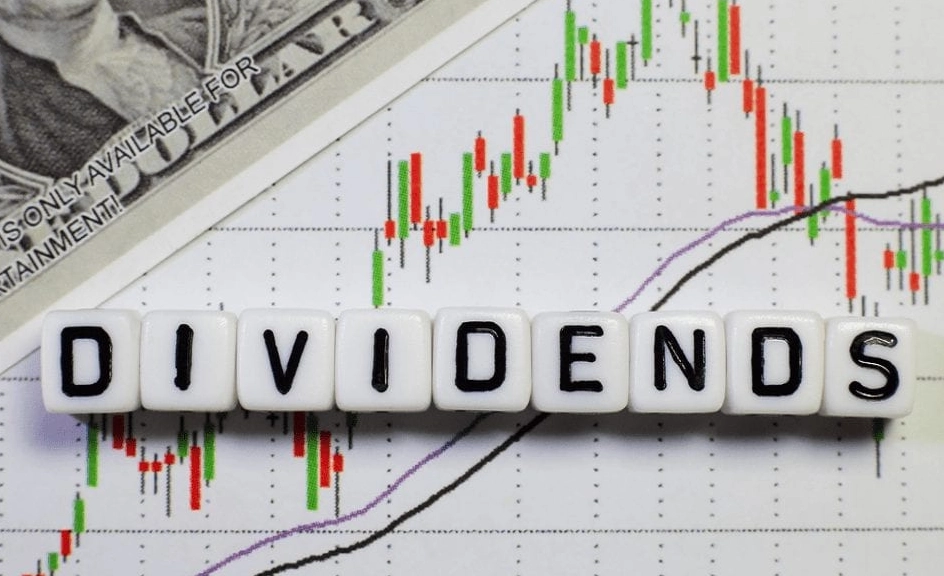
A Practical Scenario: Sarah's Income Portfolio
Sarah is 55 and wants to build a portfolio to supplement her retirement income in 10 years. She has $200,000 to invest. Her goal is moderate income with some growth to fight inflation.
Wrong Approach: She screens for stocks with yields >6%, buys $50k each in the top four names. Her portfolio yields 7.5% on day one ($15,000/year). She feels great.
Problem: All four companies are in cyclical or troubled industries. Within two years, two cut dividends, and her portfolio value drops 25%. Her actual income is now lower, and her capital is eroded.
Better Approach: Sarah targets an overall portfolio yield of 3.5-4%. She allocates:
- 40% to low-cost dividend growth ETFs (like SCHD or VIG) for diversification and steady growth.
- 30% to individual "Dividend Aristocrats" with yields between 2.5% and 4% and strong payout ratios.
- 20% to higher-yield but essential sectors (like utilities or healthcare REITs), scrutinizing their balance sheets.
- 10% in cash for opportunities.
Her starting yield is lower (~3.8%, or $7,600/year). But the dividends from her ETFs and Aristocrats are very likely to grow 5-7% annually. In 10 years, her income could nearly double without her adding another dollar, and her principal has grown. That's sustainable income.
What Matters More Than the Yield Number
If you remember one thing from this guide, let it be this: Dividend safety and growth trump current yield.
A company that can reliably grow its dividend by 8% a year will, over time, make you far more money than a company with a static 8% yield. The growing dividend is a signal of a growing business, and that usually translates to a rising stock price.
Focus on these metrics instead of obsessing over yield:
- Dividend Growth Rate (5- and 10-year averages): Consistency is key.
- Free Cash Flow Payout Ratio: Even better than EPS payout ratio. Does the company generate enough real cash to cover the dividend?
- Balance Sheet Health (Debt-to-Equity): A leveraged company cuts dividends first when times get tough.
- Economic Moat: Does the company have a durable competitive advantage that lets it maintain profits? Reports from Morningstar often discuss this concept.
The yield is the headline. Your job is to read the full story in the financial statements.
Your Burning Questions Answered
Dividend yield is a powerful lens, but it's not the only one. Use it to find ideas, but never to make a final decision. Judge the company behind the ticker, not the percentage next to it. Build your portfolio for sustainable income and growth, and those regular dividend deposits will feel a lot more secure.
Reader Comments