Quick Navigation
Let's talk about deeds. You know, that document you signed at closing, got a copy of, and then probably filed away somewhere "safe"—maybe with your mortgage papers or in that drawer with all the other important stuff. You might glance at it once in a blue moon. But honestly, most of us don't really think about what it actually means until something goes wrong, or we need to sell, or someone brings up a boundary issue. That's a mistake. Your property deed isn't just a souvenir from your home purchase. It's the single most important document proving you own your land and your house. It's the foundation of your ownership rights. Get it wrong, and you could be in for a world of headaches, legal fees, and even the unthinkable—losing your property.
I've seen it happen. A friend once used a quitclaim deed to transfer a cabin from a family member, thinking it was the easy, no-fuss way. Fast forward five years when trying to sell, and a title search revealed an old lien from a contractor the family member had never paid. That "easy" deed provided zero protection against that. My friend was stuck resolving a debt that wasn't even theirs. It was a painful lesson in why understanding the different types of deeds matters. So, let's dig into this. Let's strip away the legal jargon and talk about what deeds deeds really are, why the specific wording on yours is crucial, and how to make sure yours is doing its job to protect you.
What Is a Property Deed, Really? (It's Not the Same as a Title)
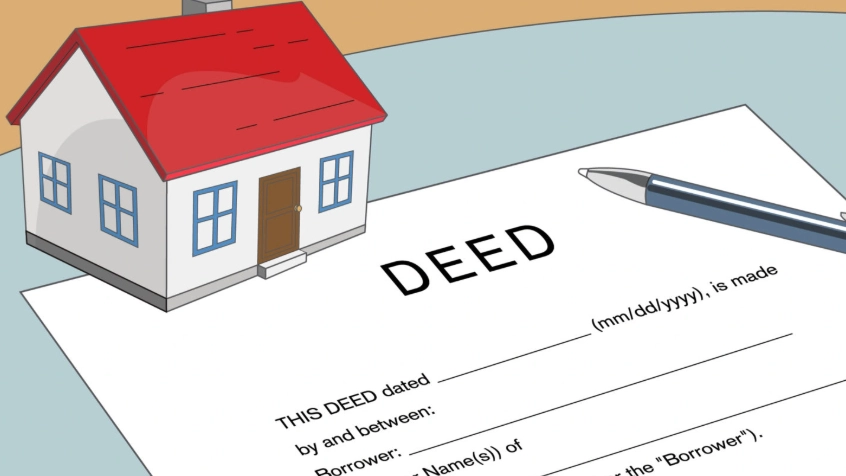
First things first, people often use "deed" and "title" interchangeably. They're related, but they're not the same thing. Think of it this way: Title is the concept of ownership. It's your bundle of legal rights to the property—the right to use it, sell it, rent it out, you name it. It's intangible. The deed is the physical, written document that transfers that title from one person (the grantor) to another (the grantee). It's the vehicle that carries the ownership from the seller to you. No properly executed deed, no legal transfer. It's that simple.
And this is where the magic (and the potential pitfalls) lies. The specific promises, or lack thereof, contained within the deed's wording define the quality of ownership you're receiving. All deeds are not created equal.
The Major Types of Deeds: From Ironclad to "Buyer Bewore"
This is the part that confuses everyone. You hear terms like warranty deed, grant deed, quitclaim deed, and your eyes glaze over. But picking the right one, or understanding which one you received, is critical. The type of deed defines the level of protection the seller (grantor) is giving you against past claims on the property.
| Type of Deed | What the Grantor (Seller) Promises | Best Used For | Level of Buyer Protection |
|---|---|---|---|
| General Warranty Deed | The strongest promises. Seller warrants clear title for the entire history of the property, defends you against all claims, and covers any losses. | Standard residential real estate sales. The gold standard for buyers. | Maximum Protection. This is what you want when buying a house. |
| Special Warranty Deed | Seller only warrants against problems that arose during their period of ownership. They make no promises about what happened before they owned it. | Commercial real estate, bank-owned (REO) sales, trustee sales. | Moderate Protection. You're protected from the seller's messes, but not previous owners'. |
| Grant Deed | Common in states like California. Implies the seller hasn't already sold the property to someone else and that the property is free of encumbrances they didn't disclose. | Common in states where it's the standard residential deed. | Strong Protection, but slightly different legal framework than a general warranty deed. |
| Quitclaim Deed | No warranties at all. The seller only transfers "whatever interest they have, if any." It could be 100%, it could be 0%. | Transferring property between family members, clearing up title, adding/removing a spouse, transferring into a trust. | Zero Protection. It's essentially "I'm giving you whatever I've got, but I'm not promising it's anything good." |
See the huge difference? Getting a quitclaim deed from a stranger in an arm's-length sale is a massive red flag. It's like buying a used car "as is" from someone who won't even tell you if it has an engine. Yet, for its intended purposes—like my mom adding me to her house's deed—a quitclaim is perfectly suitable and simple. The key is using the right tool for the job.
Why Your Deed Matters More Than You Think
Okay, so you have a deed. It's filed at the county recorder's office. You're done, right? Not quite. The deed is the starting point, not the finish line. Here’s why staying on top of it is non-negotiable.
It's Your First (And Sometimes Only) Line of Defense
If someone challenges your ownership—a long-lost heir, a previous owner's creditor, someone claiming an old easement—your recorded deed is the first piece of evidence you'll point to. A properly recorded general warranty deed puts the burden on the challenger to prove their claim is stronger than yours. A quitclaim deed... well, it doesn't give you much to stand on.
Errors Happen, and They Can Be a Nightmare
Typos in names, wrong middle initials, incorrect legal descriptions—these are more common than you'd think. I once saw a case where a legal description was off by one lot number. The owners lived on and paid taxes for Lot 12 for 15 years, but their deed said Lot 11. Trying to sell was impossible until they went through a costly and time-consuming process called reformation or a corrective deed. Checking your deed for accuracy the moment you receive it is a critical step most people skip.
It Defines Your "Estate" – How You Own the Property
This is huge for couples, families, or friends buying together. The deed states how you hold title. The main ways are:
- Joint Tenancy with Right of Survivorship (JTWROS): When one owner dies, their share automatically passes to the surviving owner(s), bypassing probate. This is common for married couples.
- Tenancy in Common (TIC): Each owner holds a separate, transferable share. If one dies, their share goes to their heirs, not automatically to the other owner. This is common for investment partners or unmarried co-buyers.
- Community Property (in certain states): Specific rules for property acquired during marriage.
Getting this wrong on the deed can have tragic consequences, directing your property to someone you never intended to have it. This isn't something you can just figure out later.
Correcting and Managing Your Deed Over Time
Life happens. You get married, divorced, add a family member to the house, create a living trust. Your deed may need to change. Here's a quick rundown of common post-purchase deed maneuvers.
Deed of Trust: Wait, this isn't a deed that transfers ownership! This is the security instrument for your mortgage. It's the document that gives your lender a lien on your property until you pay off the loan. People confuse this with the deed all the time. You don't own the deed of trust; it's held by a trustee for the lender.
One of the smartest moves many homeowners make is transferring their property into a Revocable Living Trust using a deed (often a quitclaim or grant deed from themselves to themselves as trustees). Why? It avoids probate upon death, which can save your heirs time, money, and a public court process. The deed is the tool that makes this happen, moving the property from "John Smith, a single man" to "John Smith, Trustee of the John Smith Revocable Living Trust."
It sounds complicated, but it's a straightforward filing.
Title Insurance: The Deed's Essential Partner
You might think a strong warranty deed is enough. In a perfect world, maybe. But our world has forgeries, undisclosed heirs, filing mistakes, and forgotten liens. This is where title insurance comes in. It's a one-time premium policy that protects you (the owner's policy) and your lender (the lender's policy) from financial loss due to defects in title that existed before you bought the property, even if they weren't discovered during the initial search.
Think of it this way: The deed is the car. Title insurance is the airbag and comprehensive insurance policy. The deed gets you on the road, but title insurance protects you from crashes caused by hidden potholes in the property's history. It's not legally required like lender's insurance often is, but forgoing an owner's policy is one of the riskiest financial decisions a buyer can make. The American Land Title Association (ALTA) sets the national standards for these policies, which is a good resource to understand what's typically covered.
Your Action Plan: Deed Due Diligence
Don't just file your deed away and forget it. Be proactive.
- Get and Read Your Recorded Deed: After closing, request a certified copy from your county recorder/registrar of deeds. Don't rely on the unsigned copy from closing. Read every word. Do the names and legal description match? What type of deed is it?
- Verify Recording: Confirm with your county that it was actually recorded. An unrecorded deed is vulnerable to claims from subsequent buyers.
- Store It Supremely Safely: Keep the original or a certified copy in a fireproof safe or a safe deposit box. Give another copy to your estate attorney if you have one.
- Review After Major Life Events: Marriage, divorce, death of a co-owner, setting up a trust—all are reasons to consult a real estate attorney about whether your deed needs updating.
- Know Where to Go: Your local county recorder's office website is a treasure trove. You can often search for your deed online for free. For broader questions on property law, resources like HUD or your state's bar association website can provide guidance.
Wrapping It Up: Peace of Mind on Paper
Deeds deeds might seem like boring legal formalities. But in reality, that document is the bedrock of your largest investment. Understanding the difference between a deed that offers a fortress of warranties and one that offers little more than a hope and a prayer empowers you to make better decisions—whether you're buying, selling, or just ensuring your family's security.
Take an hour this week. Find your deed. Read it. Understand what it says and what it doesn't say. That knowledge isn't just power; it's peace of mind, written down and signed by a notary. And in the world of homeownership, that's one of the most valuable things you can have.
Reader Comments