Quick Guide
- What Is Discretionary Income, Really?
- How to Calculate Your Discretionary Income (The Right Way)
- Why Bother? The Real Power of Knowing Your Number
- Actionable Strategies to Increase Your Discretionary Income
- How to Allocate Your Discretionary Income Wisely
- Common Questions About Discretionary Income (Answered)
- Putting It All Together: Your Next Steps
Let's talk about money. Not the scary, overwhelming kind, but the money you actually get to choose what to do with. That's the whole idea behind discretionary income. You hear the term thrown around by financial advisors and in articles, but what does it really mean for you, sitting there with your bills and your dreams?
I remember when I first tried to budget. I had my salary at the top, listed all my bills, and whatever was left, I called "savings." It was a mess. That "leftover" money always seemed to vanish on takeout, random Amazon purchases, and subscriptions I forgot I had. I wasn't budgeting my discretionary income; I was letting it budget me. It was frustrating. That feeling of working hard but not seeing your financial life improve? Yeah, I've been there.
So, let's break this down together, without the finance-speak. Discretionary income isn't just an economic indicator; it's your personal financial playground. It's the fuel for your goals, the cash for your hobbies, and your ticket to less financial stress. Getting a handle on it was a game-changer for me, and it can be for you too.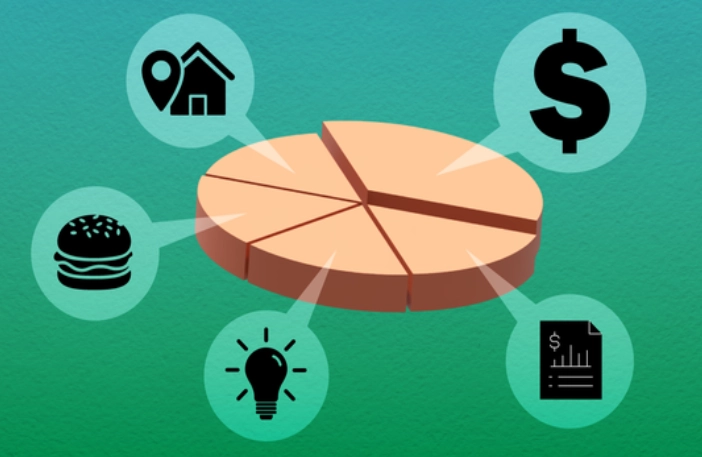
What Is Discretionary Income, Really?
At its core, discretionary income is the money remaining from your take-home pay after you've covered all your necessities. Think of it as your "fun and freedom" fund, but it's so much more than that. It's the portion of your income you have discretion over—hence the name. You choose to save it, invest it, spend it on travel, or donate it.
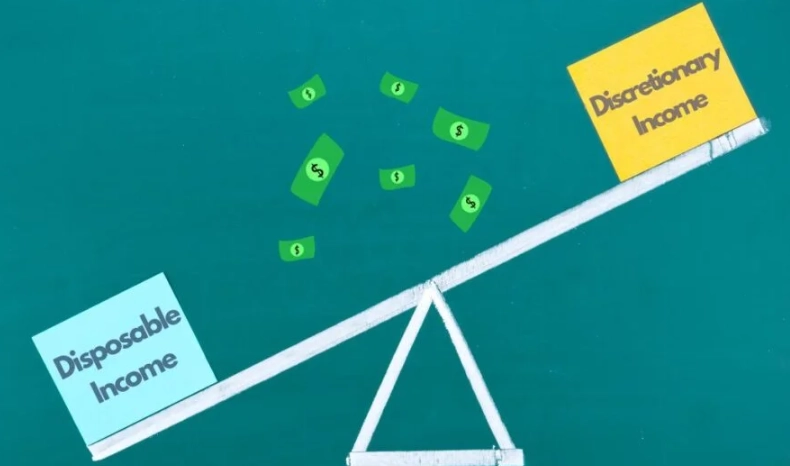
Now, here's where people get tripped up. Discretionary income is often confused with disposable income. The U.S. Bureau of Economic Analysis (BEA) defines disposable personal income as your income after taxes. That's a starting point. Your discretionary cash flow comes next, after you subtract necessities.
What counts as a "necessity"? This is the million-dollar question. It's not as rigid as you might think.
The Necessities vs. The Discretionary: Drawing Your Line
Necessities are the expenses required to maintain your basic life and work. We're talking:
- Housing: Rent or mortgage, property taxes, basic utilities (electricity, water, heating).
- Food: Groceries for preparing meals at home. (That weekly restaurant habit? We'll get to that).
- Transportation: Car payment, insurance, fuel for commuting, or public transit passes.
- Insurance: Health, life, and disability insurance premiums.
- Minimum Debt Payments: The minimum required payment on credit cards, student loans, and other personal loans.
- Basic Healthcare: Co-pays, essential medications.
Everything else? That's where your discretion kicks in. That gym membership, streaming services, dining out, hobbies, vacation fund, extra debt payments beyond the minimum, and investments—all of that comes from your discretionary income.
See the power here? By defining this clearly, you stop feeling guilty about spending. If it's in the discretionary bucket and you've planned for it, you can enjoy it guilt-free. That mental shift is huge.
How to Calculate Your Discretionary Income (The Right Way)
Forget complex formulas. Let's walk through a real-world calculation. You'll need your last pay stub and a list of your monthly necessary expenses.
The Simple Discretionary Income Formula:
Monthly Take-Home Pay – Total Monthly Necessary Expenses = Your Discretionary Income
Let's use an example. Say your monthly take-home pay (after taxes, health insurance premiums, and 401k contributions) is $4,200.
| Necessary Expense | Monthly Cost |
|---|---|
| Rent | $1,400 |
| Utilities (Electric, Gas, Water, Internet*) | $220 |
| Groceries | $450 |
| Car Payment & Insurance | $380 |
| Gas / Transit | $150 |
| Health Insurance (if not pre-tax) | $0 (already deducted) |
| Minimum Debt Payments (Student Loan, Credit Card) | $200 |
| Total Necessities | $2,800 |
*A note on internet: In today's world, a basic internet plan is often a necessity for work and communication. The premium ultra-fast package for gaming? That's discretionary.
So, $4,200 (Income) – $2,800 (Necessities) = $1,400 in monthly discretionary income.
That $1,400 is your decision-making money. This is the figure that matters when you're asking, "Can I afford this vacation?" or "How much can I realistically invest?"
The Biggest Mistake People Make
They calculate this number once and think they're done. Your discretionary income isn't static. A raise, a new bill, paying off a debt—it all changes the math. I recommend recalculating it every quarter, or anytime your financial situation shifts significantly. It takes 20 minutes and keeps you in the driver's seat.
Why Bother? The Real Power of Knowing Your Number
You might be thinking, "Great, I have a number. So what?" Knowing your true discretionary income transforms your financial life from reactive to proactive. Here's how:
- Realistic Goal Setting: Want to save $6,000 for a down payment in a year? If your monthly discretionary income is $500, that's impossible without cutting other discretionary spending or increasing income. The number tells you the truth, so you can adjust your timeline or your plan.
- Stress-Free Spending: Ever feel anxious swiping your card for a nice dinner? If you've allocated $200 a month for dining out from your discretionary fund, and this meal fits, you can relax and enjoy it. No guilt, no second-guessing.
- Debt Attack Strategy: Your discretionary income is your primary weapon against high-interest debt. That extra $300 you can throw at your credit card each month? That comes directly from here. The Consumer Financial Protection Bureau (CFPB) has resources on debt repayment strategies that rely on knowing what extra money you have available.
- Negotiation Power: Understanding this concept helps you evaluate job offers. A $5,000 salary bump sounds great, but after taxes and a potentially longer commute (more gas), what's the real boost to your discretionary income? Sometimes, a smaller raise with remote work flexibility adds more to your discretionary pool.
It shifts the question from "Can I afford this?" which often leads to impulsive yeses, to "Does this align with my priorities for my discretionary funds?" That's a much more powerful question.
Actionable Strategies to Increase Your Discretionary Income
Okay, so what if your number is smaller than you'd like? Don't panic. You have two main levers to pull: reduce necessary expenses or increase your income. Let's focus on practical, often-overlooked strategies.
Smartly Reducing Necessary Expenses
You can't eliminate rent, but you can optimize.
- Audit Your Subscriptions & Utilities: Go through your bank statements. That $15 app subscription you haven't used in 6 months? Cancel it. Call your internet and cell phone providers and ask for retention deals or check if you're on the most efficient plan. These aren't huge cuts individually, but together they can free up $50-$100 a month—that's straight into your discretionary pool.
- Refinance High-Interest Debt: This is a big one. If you have student loans or other debts, a lower interest rate reduces your minimum payment, which is a necessary expense. A lower minimum means more discretionary income immediately. Sites like Federal Student Aid provide info on income-driven plans that can lower federal loan payments.
- Optimize Insurance: Get quotes for auto and renters/homeowners insurance every other year. Loyalty often costs more. Switching could save you hundreds annually.
- The Grocery Game: Meal planning, buying store brands, and avoiding convenience foods can shave 10-20% off your grocery bill without sacrificing nutrition. That's necessity spending you're converting to discretionary cash.
Boosting Your Income (Beyond Just a Raise)
Increasing your top-line income is the most powerful way to grow your discretionary funds.
- Develop a High-Value Skill: What skill is in demand in your field? Learning it can justify a promotion or a higher-paying job. This is a long-term play with the biggest payoff.
- Side Hustle with Purpose: Instead of a generic gig, think about something that aligns with a hobby or interest. Enjoy writing? Look for freelance content work. Good with tools? Help neighbors with small tasks. The key is to direct 100% of this extra income straight to a specific discretionary goal (like a vacation fund or investments) so it doesn't get lost in daily spending.
- Sell Unused Items: This is a quick injection. That old guitar, the designer bag you never use, the extra furniture—turn them into cash. It's a one-time boost, but it can pad your discretionary fund nicely.
A Quick Mindset Tip
When you get a windfall—a tax refund, a bonus, a gift—treat at least half of it as if it were discretionary income you've already decided to allocate to future you (debt paydown, investments). It keeps lifestyle creep in check.
How to Allocate Your Discretionary Income Wisely
You've got this pool of money. Now what? Splurging it all every month is a fast track to staying in the same place. Here's a balanced framework I've found useful. Think of it in buckets.
The 50-30-20 Rule (Adjusted): The classic rule says 50% needs, 30% wants, 20% savings/debt. But since we've already separated needs, let's apply it just to your discretionary income. It's a flexible guideline, not a law.
- Fun & Lifestyle (50% of discretionary): This is for dining, hobbies, entertainment, travel, shopping—the stuff that makes life enjoyable. If your discretionary income is $1,000, that's $500 for guilt-free fun.
- Future You / Debt Destruction (30%): This is extra debt payments above the minimum, contributions to retirement accounts (like a Roth IRA), or other investments. This bucket builds your net worth.
- Flex & Gifts (20%): A buffer for unexpected opportunities (a friend's wedding trip) or gifts. This bucket gives you breathing room so you don't derail your other plans.
You can adjust these percentages! If you're in aggressive debt payoff mode, maybe it's 30% Fun, 50% Debt, 20% Flex. The point is to be intentional with every dollar of your discretionary funds.
Common Questions About Discretionary Income (Answered)
Putting It All Together: Your Next Steps
This isn't about creating a restrictive budget that you'll abandon in three weeks. It's about building a system that gives you clarity and control. Here’s what to do right now:
- Gather Your Numbers: Grab your last pay stub and your last month's bank/credit card statements.
- List Your Necessities: Be honest but firm. Is it truly essential for your basic life and work?
- Do the Math: Calculate your monthly discretionary income using the simple formula. Write that number down.
- Feel the Feeling: Is it higher or lower than you expected? Don't judge, just observe. This is your starting point.
- Pick One Strategy: Don't try to overhaul everything. Pick ONE thing from the "increase" strategies above. Maybe it's canceling three unused subscriptions this week. Maybe it's spending 30 minutes researching a skill you could learn. Just one actionable step.
- Allocate Your Next Check: Before your next paycheck hits, decide where you'll direct a portion of your discretionary income. $50 to extra debt payment? $100 to a specific savings goal? Make a decision ahead of time.
The journey to mastering your personal finances starts with understanding this one concept. Your discretionary income is more than a number—it's a measure of your financial flexibility and freedom. By defining it, calculating it honestly, and managing it with intention, you take the first real step toward making your money work for the life you want to live.
It's not always easy, and there will be months that don't go to plan. That's normal. The goal is progress, not perfection. Start today. Calculate your number. You might be surprised by what you find, and more importantly, by the possibilities it reveals.
Reader Comments