Quick Navigation
Okay, let's be real for a second. You see the words "cash back" plastered everywhere – on credit card ads, in your browser when you're about to check out, even on your friend's phone screen as they scan a receipt. It feels like the whole world is screaming "cash back cash back!" at you. But what does it actually mean for your wallet? Is it just a marketing gimmick, or can you really get significant money back?
I've been down this rabbit hole myself. I remember signing up for a card promising 5% cash back, only to realize the categories rotated quarterly and I had to activate them manually (I forgot, of course). I've also downloaded apps that promised easy money for scanning receipts, only to be frustrated by slow payouts and confusing point systems. So I'm writing this from the perspective of someone who's made the mistakes, learned the tricks, and wants to help you avoid the headaches.
This isn't about getting rich quick. It's about being smart with the spending you're already doing. It's about turning your everyday purchases into a small, steady stream of money flowing back to you. Think of it as a discount you get after you buy something. Who doesn't want that?
What Is Cash Back, Really? Breaking Down the Basics
At its heart, cash back is a rebate. You're getting a portion of your purchase price returned. It's different from a discount applied at the register. This happens after the transaction settles. The main ways you'll encounter it are through credit cards, dedicated cash back apps, and browser extensions or shopping portals.
So, how does this cash back cash back magic actually work? For credit cards, the merchant pays a fee to the card network (like Visa or Mastercard) and your bank. Part of that fee is used to fund the rewards program, including your cash back. The bank is betting that the rewards will encourage you to spend more and carry a balance (which is where they make their real money from interest). Your job is to use the card for planned purchases and pay the balance in full every month, turning their marketing tool into your personal profit center.
For third-party apps and portals, they act as affiliates. They drive a sale to the retailer, get a commission from the retailer, and share a part of that commission with you as cash back. It's a win for the retailer (they get a sale), a win for the app (they get a cut), and a win for you (you get money back).
The Three Main Flavors of Cash Back
Not all cash back is created equal. Understanding these types is crucial to picking the right tool for your spending habits.
- Flat-Rate Cash Back: This is the easy mode. You get the same percentage back on every single purchase, everywhere. It's simple, predictable, and great if you don't want to think about categories. A common rate is 1.5% or 2%. You never have to wonder if you're getting the best rate at the grocery store versus the gas station.
- Bonus Category Cash Back: This is where you can earn more, but it requires more attention. Cards offer higher rates (like 3%, 4%, or even 5% or 6%) in specific categories like groceries, dining, gas, or streaming services. The categories might be fixed or they might rotate every three months. The potential reward is higher, but you need to remember which card to use where, and sometimes you have to activate the rotating categories.
- Tiered Cash Back: This is a hybrid model. You might get 3% back in your top spending category, 2% in another, and 1% on everything else. It tries to offer the best of both worlds—higher rewards where you spend most, and a baseline rate elsewhere.
Personally, I started with a flat-rate card because I'm forgetful. The simplicity was worth potentially leaving a little money on the table. Now I use a combination: a flat-rate card for general spending and a category card for groceries and gas, which are my biggest monthly expenses. It's a simple system that works for me.
The Real-World Tools: Credit Cards, Apps, and Portals
Let's get practical. Where do you actually go to get this cash back cash back action? Here's a breakdown of the main players.
Cash Back Credit Cards: The Heavy Hitters
Credit cards are often the most powerful tool because the rewards rates can be higher, and they're tied directly to your spending. But you have to be disciplined. Carrying a balance and paying interest will wipe out any cash back earnings instantly. I can't stress this enough.
Here’s a quick comparison of some popular structures (Note: These are examples based on common market offerings; specific cards, rates, and terms change frequently. Always check the latest official offers).
| Card Type | Typical Cash Back Rate | Best For | The Catch (There's Always One) |
|---|---|---|---|
| Flat-Rate Card | 1.5% - 2% on everything | Simplicity lovers, general spenders | May have an annual fee for the higher rates. The no-fee versions might cap the high rate. |
| Rotating Category Card | 5% in quarterly categories (up to a limit), 1% elsewhere | Organized planners who can track categories | Must activate categories each quarter. Spending caps limit total earnings. |
| Fixed Category Card | 3%-6% in specific categories (e.g., groceries, gas), 1% elsewhere | People with high, consistent spending in 1-2 areas | Categories are specific (e.g., "U.S. supermarkets"). May have an annual fee. |
| Tiered / Custom Category Card | 3% in your top category, 2% in another, 1% elsewhere | Those with two clear high-spend areas | You must choose and sometimes re-select your categories. |
When choosing a card, don't just look at the flashy cash back percentage. Read the fine print on the issuer's website. What's the annual fee? Is there a welcome bonus? What's the APR (though you shouldn't be carrying a balance)? What's the definition of the bonus category? For example, a "groceries" category often excludes Walmart, Target, and wholesale clubs. The Consumer Financial Protection Bureau (CFPB) has great resources for understanding credit card terms and comparing offers.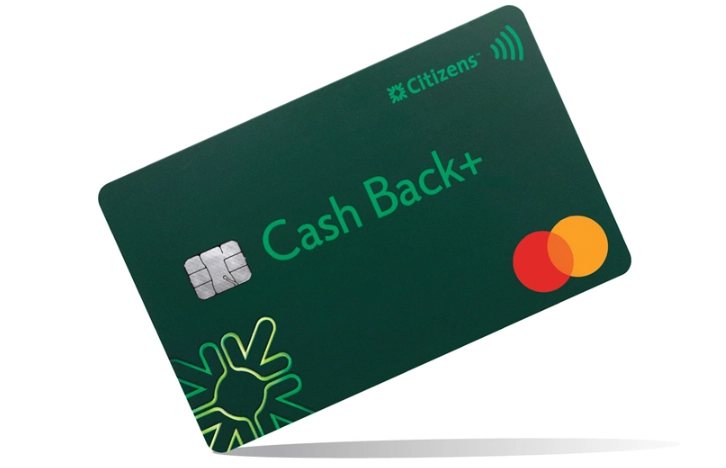
Cash Back Apps and Browser Extensions: The Scrappy Sidekicks
These are fantastic for supplementing your credit card rewards, especially at retailers where your card only gives 1% back. The process is usually: activate an offer in the app, shop (online or in-store), and then get cash back. For in-store purchases, you often need to upload a photo of your receipt.
Some of the big names include Rakuten (formerly Ebates), Ibotta, and Honey (which is more coupon-focused but has a cash back component). Dosh and Drop are also popular. Here's the thing with these apps – they require a bit of hustle. You have to remember to open the app before you shop, check if the retailer is listed, and sometimes follow specific steps (like clicking through their link).
I use Rakuten for big online purchases and Ibotta for groceries. It's become a habit: before I click "checkout" online, I quickly open my cash back apps to see if the store is there. It takes 10 seconds and has saved me hundreds over the years. The payout is slower (usually quarterly or when you hit a threshold), but it's essentially free money for behavior you were going to do anyway.
But be aware of the downsides. These apps track your shopping data. That's the price of admission. Also, payouts can be slow, and sometimes offers are finicky (e.g., "product must be pictured clearly on receipt"). I've had a few rebates rejected by Ibotta for reasons I couldn't decipher, which is always annoying.
Your Action Plan: How to Actually Maximize Your Cash Back
Knowing about cash back is one thing. Systematically earning it is another. Here's a step-by-step, no-BS approach I've developed.
- Audit Your Spending: Look at your last 2-3 months of bank/credit card statements. Where does your money actually go? Groceries? Gas? Dining? Online subscriptions? This tells you what type of card or app offers will be most valuable to you.
- Pick Your Primary Weapon (Credit Card): Based on your audit, choose one primary cash back credit card. If your spending is all over the place, a flat-rate card is your friend. If you spend $500 a month on groceries, a card with 3%+ back at supermarkets is a no-brainer. Start with one. Master it. Set it to autopay the full statement balance.
- Layer on Apps for Big Purchases: Don't use a dozen apps daily. It's exhausting. Pick one or two reputable ones (I recommend Rakuten for general online shopping and one receipt-scanning app like Ibotta if you buy a lot of branded groceries). Use them only for planned, non-urgent purchases, especially big-ticket items like electronics, furniture, or travel.
- Stack When Possible (Carefully): This is an advanced move. "Stacking" means combining multiple cash back methods on a single purchase. For example, use a credit card that gives 2% back online, and also go through a shopping portal like Rakuten that offers an additional 5% cash back. You get both. However, always read the terms. Some retailers or portals prohibit stacking, and it could void the offer. When it works, it's beautiful.
- Redeem Strategically: For credit cards, redeeming as a statement credit is usually the best value, as it directly reduces your bill. Some cards offer a bonus if you redeem for gift cards (e.g., $50 cash back is worth $55 at a specific store). Only do this if you were planning to shop there anyway. For apps, know the payout minimum and method (PayPal, check, gift card).
The Dark Side: Common Pitfalls and How to Dodge Them
Let's talk about where people get burned. Because if you're not careful, the pursuit of cash back cash back can cost you.
Pitfall 1: Spending More to Earn More. This is the cardinal sin. If you buy a $100 item you don't need just because you'll get $5 back, you've spent $95 you wouldn't have otherwise. You're down $95. Cash back should reward necessary spending, not manufacture new spending.
Pitfall 2: Carrying a Credit Card Balance. I'll say it again. If you have a 20% APR and are carrying a balance, even a 5% cash back rate is a net loser. The math doesn't lie. Pay. It. Off. Every. Month.
Pitfall 3: Falling for Scams and Shady Apps. If an app promises unrealistic cash back rates (like 50% back) or asks for excessive permissions (like full access to your email or bank login), run. Stick to well-known, established platforms. The Federal Trade Commission (FTC) issues warnings about financial scams – it's a good resource to stay informed.
Pitfall 4: Ignoring Annual Fees. A card with a $95 annual fee and 2% back needs you to spend $4,750 annually just to break even on the fee ($4,750 x 0.02 = $95). Before that, you're losing money compared to a no-fee 1.5% card. Calculate your "break-even spend."
Pitfall 5: Tax Confusion. This is a big one. For the average person, cash back from credit cards and most apps is considered a rebate or discount, not taxable income. The IRS generally views it as a reduction of the purchase price, not income. However, if you're getting massive sign-up bonuses or rewards from business spending, the lines can blur. The IRS Publication 525 covers this. If you're doing this at a very high level or as part of a business, consulting a tax professional is wise. For most of us getting a few hundred bucks back a year, it's not a worry.
Answering Your Burning Cash Back Questions
Answering Your Burning Cash Back Questions
The Future of Cash Back: What's Next?
The landscape is always shifting. We're seeing more integration with mobile wallets (Apple Pay, Google Pay) where offers can be attached directly to your digital card. Cryptocurrency rewards are a niche but growing area, though they come with volatility risk. I'm also seeing more personalized, real-time offers based on your location and purchase history, which is powerful but raises privacy questions.
The core principle, though, will remain: retailers and financial institutions want your loyalty, and they're willing to pay a small rebate for it. Your job is to collect those rebates intelligently, without letting them change your spending behavior.
Look, at the end of the day, chasing cash back cash back shouldn't feel like a second job. It should be a set of simple, automated habits that put a little extra money in your pocket. Start small. Get one good card that matches your life. Download one reputable app. See how it feels. Tweak your system as you go.
The goal isn't to optimize every single penny—that way lies madness. The goal is to build a low-effort system that consistently gives you money back on the things you were already going to buy. That's how you win the cash back game.
Reader Comments