Key Insights
Let's be honest. Trying to figure out the current stock market can feel like deciphering a foreign language while riding a rollercoaster. One day the headlines scream about record highs, the next they’re warning of an impending correction. It’s enough to make anyone’s head spin. I remember checking my portfolio last year during a particularly volatile week—it wasn't pretty. But here's the thing: once you strip away the jargon and the panic, the market starts to make a lot more sense.
This isn't about predicting tomorrow's winners or giving you hot stock tips. Honestly, most of those are useless noise. It's about understanding the core forces that actually move prices in the current stock market environment. What should you be watching? What matters, and what's just background static?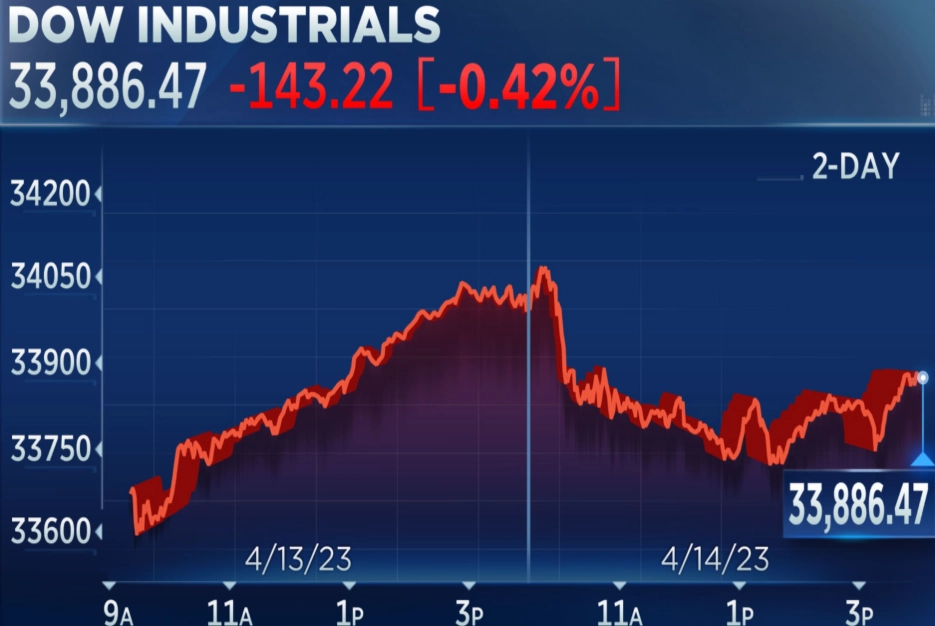
We'll walk through the real drivers, look at how different sectors are actually performing (not just what the talking heads say), and talk about strategies that don't require you to stare at a screen all day. My own approach has shifted over the years from trying to time the market to focusing on a few key principles, and it's saved me a lot of stress. Let's dive in.
What's Actually Driving the Current Stock Market?
Forget the minute-by-minute ticker for a second. The big picture is shaped by a handful of powerful, sometimes conflicting, forces. If you understand these, the daily fluctuations become less mysterious, and frankly, less important.
The single biggest story right now is the interest rate environment. For over a decade after the 2008 crisis, money was incredibly cheap. That fueled growth everywhere. Now, central banks, led by the U.S. Federal Reserve, are in a different mode. Their primary tool to fight inflation is raising interest rates. You can see their latest statements and projections directly on the Federal Reserve website—it's the source for this stuff, not financial Twitter.
The Interest Rate Effect: When rates go up, it does two main things. First, it makes borrowing more expensive for companies, which can slow down their expansion plans and hurt profits. Second, it offers investors safer alternatives. Why take a big risk on a tech stock if you can get a solid, guaranteed return from a government bond? This logic puts pressure on stock valuations, especially for companies that promise big profits far in the future.
Then there's inflation. It's not just about higher grocery bills. Persistent inflation erodes the real value of future corporate earnings. A dollar of profit in five years is worth less if prices keep rising. The market hates that uncertainty. To get a clear, unvarnished look at the data, I always check the Consumer Price Index (CPI) reports from the U.S. Bureau of Labor Statistics. It's dry reading, but it's the truth, minus the spin.
Corporate earnings are the bedrock. All the theories and fears in the world eventually collide with quarterly earnings reports. Is the company actually making money? Is it growing? In the current stock market landscape, we're seeing a real divergence. Some sectors are thriving, while others are struggling to maintain margins as their costs rise.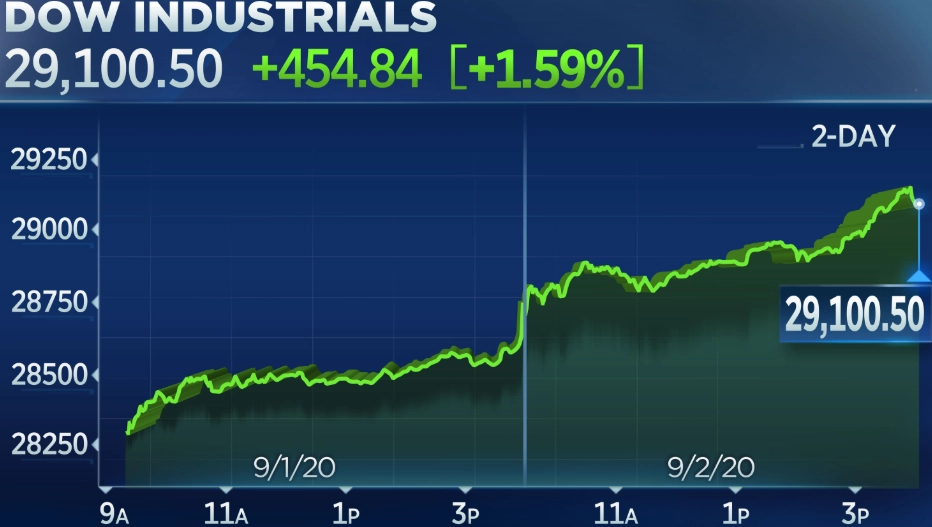
And you can't ignore geopolitics. It feels messy and unpredictable, and it is. Supply chain disruptions, energy prices, and global trade tensions—these factors inject volatility and make long-term planning a nightmare for multinational corporations.
So, when you look at the current stock market, you're really looking at a tug-of-war between these forces. Strong earnings might push it up one day, while a scary inflation report might yank it down the next.
Key Metrics to Watch (Beyond the Dow Jones)
Everyone looks at the Dow or the S&P 500. But those are just the headline scores. To really understand the game, you need to look at a few other things.
The VIX: The Market's Fear Gauge
The CBOE Volatility Index, or VIX. It measures expected market volatility over the next 30 days. A low VIX (say, below 20) suggests investors are complacent. A spiking VIX (above 30) signals fear and uncertainty is taking over. It's a great mood ring for Wall Street. Lately, it's been… jumpy. That tells you all you need to know about the current sentiment in the stock market.
Sector Rotation: Where the Money is Flowing
This is crucial. The market is never a monolith. In different economic climates, money flows out of some sectors and into others. Right now, with rates high, you often see money moving toward more defensive, cash-rich sectors and away from high-growth, high-debt sectors. Tracking this rotation gives you a much clearer picture than just watching the overall index go up or down.
Here’s a simplified look at how major sectors often behave in the current market phase, which is often characterized by concerns about growth and higher rates:
| Sector | Typical Characteristic | Recent Performance Driver | My Take (Personal Opinion) |
|---|---|---|---|
| Technology | Growth, Innovation | Hampered by high rates; focus on profits vs. hype | Separating the real players from the story stocks is key now. |
| Healthcare | Defensive, Necessity | Resilient demand; aging demographics | Boring, but often a safer harbor when things get shaky. |
| Consumer Staples | Defensive, Essential Goods | Inflation passthrough ability tested | People still buy toothpaste, but their brands might switch. |
| Energy | Cyclical, Commodity-based | Geopolitics & supply constraints | Wildly volatile. Not for the faint of heart. |
| Financials | Interest Rate Sensitive | Benefit from higher net interest margins | Can be a winner in a rising rate world, but watch for loan defaults. |
| Utilities | Defensive, High Dividend | Seen as a bond proxy; hurt by rising rates | The traditional "safe" play isn't as safe as it used to be. |
See what I mean? The story changes completely depending on where you look.
Bond Yields: The Stock Market's Competition
Keep one eye on the 10-year U.S. Treasury yield. It's the benchmark for global borrowing costs. When it rises sharply, it almost always puts pressure on stock valuations, particularly for expensive growth stocks. It's like the risk-free alternative suddenly got a lot more attractive. You can watch this relationship play out in real-time on most trading days.
A quick story: I used to ignore bond yields, thinking "I'm a stock investor." Big mistake. Watching the 10-year yield climb in 2022 was the clearest explanation for why my tech-heavy portfolio was getting crushed. It's all connected.
Practical Strategies for Navigating This Market
Okay, so the current stock market is complex and driven by macro forces. What do you actually do about it? Here are a few approaches that real people use, beyond just "buy and hope."
Dollar-Cost Averaging (DCA): This is the classic for a reason. You invest a fixed amount of money at regular intervals (like every month), regardless of whether the market is up or down. In a volatile market, this is a lifesaver for your sanity. You buy more shares when prices are low and fewer when they're high, smoothing out your average cost over time. It takes the emotion out of the decision. I automate this for my core holdings and never think about it.
Sector Diversification, Not Just Stock Diversification: Owning 20 different tech stocks isn't diversification. Based on the table above, think about spreading your investments across sectors that react differently to economic conditions. If tech is down, maybe your healthcare or consumer staples holdings provide some balance. The World Bank's Global Economic Prospects reports can give you a broad sense of the economic winds that affect these sectors differently.
Quality Over Narrative: In a low-rate, booming market, exciting stories can fly. In the current stock market environment, fundamentals matter more. Look for companies with strong balance sheets (low debt), consistent cash flow, and pricing power—the ability to raise prices without losing customers. These companies are better equipped to handle economic headwinds.
A Word of Caution on Timing: Let me be blunt: trying to time the market—to sell at the absolute top and buy at the absolute bottom—is a fool's errand for 99.9% of us, myself included. The emotional toll and the high likelihood of missing the best recovery days make it a losing strategy more often than not. I've tried it. It didn't work.
Have a Cash Reserve: This isn't sexy advice, but it's critical. Having cash on the sidelines does two things. It covers you in case of a personal emergency without forcing you to sell investments at a bad time. And psychologically, it gives you the dry powder to take advantage of opportunities when everyone else is panicking and prices are truly attractive. It lets you be a contrarian when it counts.
Common Questions About the Current Stock Market
There's never a "perfect" time. If you're investing for a long-term goal (like retirement, which is 10+ years away), starting now with a disciplined plan like dollar-cost averaging is almost always better than waiting. Time in the market is generally more important than timing the market. The current stock market conditions might mean lower expected returns in the near term, but they don't invalidate long-term investing.
This is the classic panic move, and it's incredibly difficult to get right. You have to be right twice: when to get out AND when to get back in. History shows that missing just a handful of the market's best days can devastate your long-term returns. A recession is already priced into market expectations to a large degree. A diversified portfolio aligned with your risk tolerance is usually a better defense than a wholesale flight to cash.
Less than you think. Financial news is designed to grab attention, often by amplifying fear or greed. It focuses on the short-term noise. Make your investment plan based on your goals, time horizon, and risk tolerance. Then, let the news inform you, not direct you. If a piece of news fundamentally changes the long-term story for a company you own (e.g., a fraud scandal), that's worth acting on. A slightly higher-than-expected inflation report for one month? Probably not.
Doubtful. Markets and sectors go through cycles. What's out of favor today can be the leader tomorrow. The key is to distinguish between cyclical downturns and permanent structural decline. For example, office real estate might be facing a structural challenge due to remote work. In contrast, the technology sector isn't broken; it's just being revalued based on a new cost of capital. The current stock market is great at overreacting in both directions.
Putting It All Together
Navigating the current stock market isn't about finding a secret code or following a guru. It's about understanding the major forces at play—interest rates, inflation, earnings, and geopolitics—and adjusting your mindset and strategy accordingly.
Focus on what you can control: your savings rate, your diversification across sectors and asset classes, your cost basis through strategies like DCA, and most importantly, your own behavior. Turn down the noise from the financial media. Use reliable sources like central bank and statistical agency websites for hard data.
The goal isn't to be right about the market every day. The goal is to have a plan that works over the years and decades, through different market environments, including this one.
The market will have good days and bad days. It will be "overvalued" and "undervalued" according to various pundits. Your job is to stick to a plan that aligns with your life goals. Sometimes that means doing nothing when everything in the news tells you to do something. I find that's the hardest part, but also the most rewarding.
So take a deep breath.
Review your portfolio not for daily gains and losses, but for its long-term structure. Make sure you're not overexposed to a single story or sector. And remember, every professional investor out there is looking at the same confusing, volatile, fascinating current stock market that you are. The difference often just comes down to discipline.
Reader Comments