In This Guide
- The Nuts and Bolts: The Accounts Payable Process Explained
- Why Getting AP Right Matters More Than You Think
- Common Pain Points and Mistakes in Accounts Payable
- Best Practices: Transforming Your AP from a Chore to a Strategic Tool
- The Game Changer: Accounts Payable Automation
- Managing Vendor Relationships Through Your AP Process
- Frequently Asked Questions About Accounts Payable
Let's be honest. For a lot of folks outside the finance department, "accounts payable" sounds like one of those dry, dusty accounting terms you can safely ignore. You know it has something to do with paying bills, but that's about it. You're not alone in thinking that. But here's the thing I've learned from watching small businesses grow (and sometimes stumble): what you don't know about accounts payable can absolutely hurt you. It's not just about writing checks. It's the central hub of your cash flow, your relationships with the people who supply you with everything from paperclips to critical raw materials, and a goldmine of data about how your business spends its money.
So, what is accounts payable, really? At its simplest, accounts payable (AP) refers to the money your business owes to suppliers or vendors for goods or services you've received but haven't paid for yet. It's a short-term debt, a current liability sitting on your balance sheet. Think of the invoice from your web hosting company, the bill from the electric utility, or the statement from your office supply vendor. Until you pay them, those amounts live in your accounts payable ledger.
Key Takeaway: If you buy something now and pay for it later, that obligation is accounts payable. It's the flip side of accounts receivable (where people owe you money). A healthy AP process means you pay what you owe, when you owe it, without letting cash slip through the cracks or damaging important supplier relationships.
But if we stop the definition there, we're missing the whole story. Understanding what is accounts payable in practice is about understanding a process, not just an accounting entry. It's a cycle that involves people, paperwork (digital or physical), approvals, and strategy. A messy AP process leads to late fees, missed early-payment discounts, frustrated vendors, and a foggy view of your future cash needs. A smooth one is like financial hygiene—it keeps everything clean, predictable, and under control.
The Nuts and Bolts: The Accounts Payable Process Explained
I remember helping a friend sort out his small bakery's books. Invoices were stuffed in a drawer, some were paid, some were lost, and he had no idea what he truly owed at any given moment. He was running a business blind. That's what happens when you don't have a process. So, let's break down the standard accounts payable lifecycle. This isn't just theory; it's the daily workflow that keeps obligations from turning into crises.
The Core AP Workflow Cycle
- Receiving the Invoice: It all starts when a vendor's invoice lands in your mailbox (email or physical). This document is the formal request for payment, detailing what was provided, how much it costs, and the payment terms (like "Net 30").
- Invoice Capture & Data Entry: Here's where the grunt work often happens. Details from the invoice—vendor name, date, amount, line items, invoice number—need to be entered into your accounting system. This step is a major source of errors if done manually. Is that a '5' or an 'S'? Did we already pay invoice #10234?
- Invoice Matching & Verification (The 3-Way Match): This is the critical control point. A proper AP process doesn't just pay whatever invoice shows up. It verifies it. The classic method is the three-way match:
- Purchase Order (PO): What we ordered.
- Receiving Report/Packing Slip: What we physically received.
- Supplier Invoice: What the vendor is charging us.

All three must match in key details (quantities, prices, items) before the invoice is approved for payment. This prevents paying for things you never ordered or never received. In smaller businesses, this might be a more informal check, but the principle is the same: verify before you pay.
- Approval Routing: Depending on the amount or the department, the invoice may need a manager's sign-off. This approval chain ensures spending is authorized and budgeted for. An invoice for a new coffee machine might just need office manager approval, while one for a $50,000 piece of equipment would need the CFO or owner.
- Payment Authorization & Execution: Once verified and approved, the invoice is scheduled for payment. The AP team or business owner decides when to pay it, respecting the payment terms to optimize cash flow (maybe taking a 2% discount for paying in 10 days, or holding off until the due date). Then, the payment is made via check, ACH bank transfer, wire, or corporate card.
- Recording the Payment: Finally, the accounting system is updated to show the invoice as paid. The liability is removed from the accounts payable balance, and cash is reduced. The cycle is complete.
Sounds straightforward, right? It should be. But in reality, this process gets bogged down incredibly easily. An invoice goes to the wrong person for approval and sits in an inbox for two weeks. The PO number is missing, so the AP clerk has to chase down a project manager. The handwriting on a delivery note is illegible. These little friction points add up to a slow, expensive, and error-prone process. That's why so many businesses are rethinking how they handle what is accounts payable—it's ripe for optimization.
Why Getting AP Right Matters More Than You Think
It's easy to see AP as a back-office chore. Pay the bills, keep the lights on, move on. But its impact ripples through the entire business. Here’s what a well-managed accounts payable function actually does for you:
- Cash Flow Management: This is the big one. AP holds the keys to your cash outflow. By strategically scheduling payments (without being late), you hold onto your cash longer, improving your working capital. That cash can be used for investment, covering payroll, or seizing new opportunities. Paying everything the day it arrives is just poor cash management.
- Vendor & Supplier Relationships: Your vendors are partners. Paying them reliably and on time builds trust and goodwill. This can translate into better payment terms, priority service when you're in a pinch, or inside info on market changes. A vendor who constantly has to chase you for payment isn't going to go the extra mile for you.
- Financial Accuracy & Control: Accurate AP records are non-negotiable for correct financial statements. Understate your AP, and your liabilities look better than they are—a dangerous illusion. Overstate them, and your profitability looks worse. Clean AP data is essential for budgeting, forecasting, and securing loans or investment.
- Fraud Prevention & Cost Avoidance: A rigorous process with proper checks (like the three-way match) is your first line of defense against duplicate payments, overpayments, or paying fraudulent invoices. I've seen cases where a business almost paid a fake invoice because it looked nearly identical to a real vendor's. The process caught it.
- Capturing Early Payment Discounts: Many vendors offer terms like "2/10 Net 30," meaning you can take a 2% discount if you pay within 10 days. For a $10,000 invoice, that's $200 saved. Over a year, capturing these discounts can add up to a significant, virtually effortless source of profit margin improvement. A disorganized AP process misses these deadlines.

When you frame it like that, the question shifts from "what is accounts payable" to "how can I make my accounts payable a competitive advantage?"
Common Pain Points and Mistakes in Accounts Payable
Before we talk about solutions, let's be real about the problems. Most AP headaches come from a few recurring issues. Recognizing them is half the battle.
Watch Out For: These are the classic AP pitfalls that drain time and money.
| Pain Point | What Goes Wrong | The Consequence |
|---|---|---|
| Manual Data Entry | Typing numbers from PDFs or paper invoices into accounting software. It's slow and error-prone. | Data errors, high labor costs, employee burnout, and slow processing. |
| Lost or Missing Invoices | Invoices get emailed to a generic address, lost in an inbox, or buried on someone's desk. | Missed payments, late fees, damaged vendor relations, and inaccurate books. |
| Inefficient Approval Processes | Paper invoices physically routed or emails forwarded in a chain. Approvers are out of office or ignore requests. | Massive delays, inability to find where an invoice is "stuck," and missed discount dates. |
| Lack of Visibility & Reporting | You can't easily answer: "What do we owe this month?" "Who are our top 5 vendors?" "Are we getting all our discounts?" | Reactive cash flow management, inability to forecast accurately, and missed cost-saving opportunities. |
| Duplicate Payments | Paying the same invoice twice. Happens easily with manual systems or poor filing. | Direct cash loss. Recovering the money is often difficult and strains vendor relationships. |
| Poor Vendor Management | No central list of vendor info, terms, or preferences. Communication is ad-hoc. | Inconsistent processes, confusion, and missed chances to negotiate better terms. |
If more than a couple of these sound familiar, your AP process is likely costing you more than it should. The good news? You don't need a team of accountants to fix it. Often, it's about adopting better habits and the right tools.
Best Practices: Transforming Your AP from a Chore to a Strategic Tool
So how do you move from a messy drawer of invoices to a smooth operation? It's about layering good habits on top of a clear understanding of what is accounts payable supposed to achieve. Here are actionable steps, not just vague advice.
Pro Tip: Start small. Pick one or two of these practices to implement this quarter. Don't try to overhaul everything at once.
- Go Digital as Much as Possible: Encourage vendors to send e-invoices. Set up a dedicated email address for invoices (e.g., [email protected]) to prevent them from getting lost in personal inboxes. Even scanning paper invoices upon receipt creates a digital trail.
- Centralize and Standardize: Have one clear, documented process that everyone follows. Where do invoices go? Who approves what? What's the deadline for approvals? Write it down. This reduces confusion and makes training easier.
- Leverage Your Accounting Software: Most modern platforms like QuickBooks Online, Xero, or NetSuite have built-in AP features. Use them! Set up vendor profiles with terms, use the bill tracking features, and run the aging reports to see what's due.
- Schedule Payments, Don't React: Don't pay bills as they give you anxiety. Set aside a regular time (e.g., every Tuesday and Thursday) to review, approve, and schedule payments. This gives you control and predictability.
- Prioritize Early Payment Discounts: Actively look for discount terms and flag those invoices. The return on taking a 2% discount for paying 20 days early is enormous on an annualized basis. It's often the best "investment" your business can make.
- Perform Regular Reconciliations: Don't just trust the system. Periodically, match your AP ledger in your accounting software to your bank statements and to outstanding invoices. This catches errors and duplicates.
- Build Strong Vendor Communication: Be proactive. If you're going to be late on a payment (it happens), communicate with the vendor before the due date. Most will appreciate the heads-up and work with you.
These practices form a solid foundation. But for many growing businesses, the real game-changer is the next step: automation.
The Game Changer: Accounts Payable Automation
This is where the modern answer to "what is accounts payable" diverges from the old-school manual grind. AP automation uses software to handle the repetitive, rules-based tasks in the process. Think of it as putting the core workflow we discussed earlier on autopilot, with human oversight for exceptions.
What does it actually automate?
- Invoice Capture: Software uses Optical Character Recognition (OCR) to "read" data from scanned or PDF invoices and populates the fields in your system automatically. No more typing.
- Matching & Validation: The system can automatically perform 2-way or 3-way matching against POs and receipts, flagging any discrepancies for human review.
- Approval Workflows: Invoices are routed electronically based on pre-set rules (amount, vendor, department). Approvers get notifications and can approve with a click from their phone, even if they're traveling. The system tracks the status of every invoice in real-time.
- Payment Execution: Once approved, payments can be scheduled and executed automatically via ACH or virtual card, with all details recorded.
The benefits aren't just about speed. They're transformative:
| Benefit Area | Impact |
|---|---|
| Cost Reduction | Lowers processing cost per invoice dramatically by reducing manual labor and errors. |
| Speed & Efficiency | Invoices are processed in hours or days, not weeks. Early payment discounts are captured consistently. |
| Visibility & Control | Get real-time dashboards showing cash commitments, approval bottlenecks, and spend by category. |
| Security & Compliance | Digital audit trail for every action. Reduced risk of fraud and easier compliance with financial controls. |
| Scalability | Handle 10x the invoice volume without hiring 10x the staff. The process grows with your business. |
Is it worth it? For any business processing more than a few hundred invoices a month, the return on investment is almost a no-brainer. The time saved alone allows your finance team to focus on analysis and strategy rather than data entry. If you're curious about the technical standards and frameworks that often underpin financial process automation, organizations like the American Institute of CPAs (AICPA) provide resources and guidelines on internal controls and audit trails that these systems help enforce.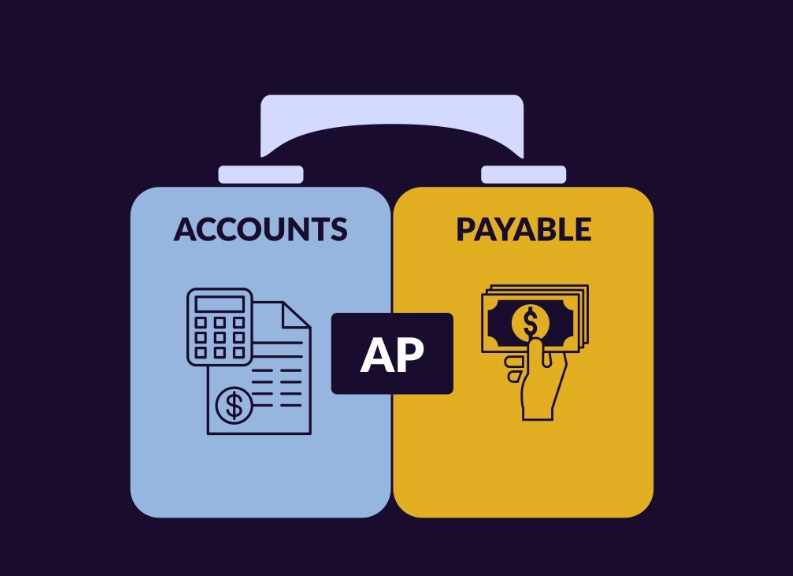
Managing Vendor Relationships Through Your AP Process
This is a part of accounts payable that doesn't get enough airtime. Your AP department is often the primary point of contact for your vendors regarding money. How they are treated matters.
A good vendor relationship strategy within AP includes:
- Clear Communication of Your Processes: Tell your vendors where to send invoices, what information you need on them (PO numbers are crucial!), and your standard payment terms. Put it on your website or in a vendor onboarding packet.
- Providing a Self-Service Portal: Some AP automation systems offer vendor portals where suppliers can submit invoices electronically, see the status of their invoices ("approved," "scheduled for payment"), and update their own information. This drastically reduces the "status inquiry" calls to your AP team.
- Paying On Time, Every Time: This is the most fundamental rule. Reliability builds trust. If you establish a reputation as a prompt payer, you have more leverage to negotiate better prices or terms in the future.
- Being a Point of Resolution, Not Conflict: When there's a discrepancy—a missing shipment, a wrong price—the AP person shouldn't just say "no." They should work with the vendor and the internal receiving/ordering team to resolve it quickly and fairly.
Your vendors keep your business running. A strategic AP function recognizes that and manages the relationship accordingly.
Frequently Asked Questions About Accounts Payable
- What's due now vs. what's coming up.
- If you have any overdue payments that need immediate attention.
- Your cash requirement for the near future.
- Potential problems with specific vendors or invoices. A healthy AP ledger shows most invoices in the 0-30 day column.
1. Integrates seamlessly with your existing accounting software (QuickBooks, Sage, NetSuite, etc.).
2. Has strong, accurate OCR/data capture capabilities.
3. Allows you to customize approval workflows to match your company's structure.
4. Provides clear reporting and dashboards.
5. Offers good vendor portal functionality.
Start with a demo and ask to process a batch of your own, messy invoices as a test. See how it handles real-world complexity.
- Segregation of Duties: The person who approves the invoice should not be the person who prints/signs the check or initiates the electronic payment.
- Mandatory Use of Purchase Orders (POs) for significant purchases.
- Requiring the Three-Way Match before payment.
- Regular reconciliation of the AP ledger by someone independent of the payment process.
- Positive Pay or ACH filters with your bank to prevent unauthorized payments. For more detailed frameworks on internal control, the Financial Accounting Standards Board (FASB) sets the standards for financial reporting that these controls support.
Getting AP right isn't glamorous, but it's fundamental.
Wrapping up, understanding what is accounts payable is the first step to mastering it. It's far more than a clerical task—it's a dynamic process that touches cash flow, supplier strategy, financial control, and operational efficiency. By moving from a reactive, manual approach to a streamlined, controlled, and even automated one, you transform AP from a necessary evil into a clear source of business intelligence and financial strength. Start by mapping your current process, identifying the biggest pain points, and implementing one or two of the best practices we discussed. The clarity and control you gain will make every other financial decision a little bit easier.
Reader Comments