In This Deep Dive
So, you're wondering what is Gen X? You're not alone. In the endless chatter about Boomers and Millennials, this group in the middle often gets a shrug. The "Forgotten Generation," the "Middle Child" of demographics—call them what you will, but you can't ignore their impact. I've spent a lot of time talking to people from this cohort, and honestly, the stereotypes barely scratch the surface. They're not just a bunch of cynical slackers listening to grunge (though, let's be real, a lot of them still love Pearl Jam). They're a pivotal bridge between two massive cultural and economic eras.
If you're trying to understand modern work culture, why indie films had that specific 90s vibe, or why your boss might be skeptical of corporate pep talks but fiercely loyal to their team, you need to understand Generation X. This isn't just a dry demographic study. It's about the people who were the first to grow up with divorce as a common reality, the first to have computers (clunky as they were) in their classrooms, and the first to enter adulthood facing a job market that was less stable than their parents'. Their experience answers a lot of questions about the world we live in now.
Pinpointing the Gen X Years: When Were They Born?
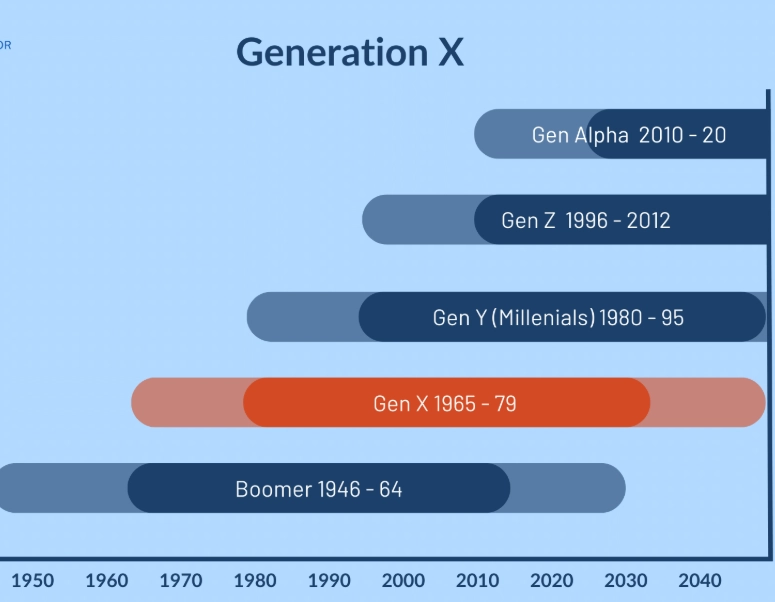
You'll see a range. The most widely accepted bracket, used by the Pew Research Center, a major authority on generational research, defines Generation X as those born from 1965 to 1980. This means the youngest Gen Xers are in their mid-40s now, and the oldest are pushing 60. But it's not a perfect science. Some economists and sociologists start it in the early 60s to capture the cultural shift post-JFK assassination, while others end it in the late 70s.
Why the fuss over a few years? Because those birth years define the formative experiences. Being 10 years old in 1975 was a vastly different world than being 10 in 1985. The table below shows how different sources slice the generational pie, which honestly just shows how fuzzy these labels can be.
| Source | Gen X Start Year | Gen X End Year | Key Reasoning |
|---|---|---|---|
| Pew Research Center | 1965 | 1980 | Cultural, political, economic markers post-Boomer boom. |
| U.S. Census Bureau | — | — | Officially doesn't define generations, but data often aligns with Pew. |
| McCrindle Research (AU) | 1965 | 1979 | Focus on coming of age before the digital/millennial era. |
| William Strauss & Neil Howe | 1961 | 1981 | Authors of "Generations"; use a 20-year cycle based on archetypes. |
My take? The Pew range is the most practical for today's discussions. It captures the core experience: childhood in the 70s/80s, young adulthood in the 90s, and mid-life during the 2008 financial crisis and the rise of social media. If you were born in 1981, you might feel more Millennial. If you were born in 1964, you might vibe more with Boomer ideals. The edges are always blurry.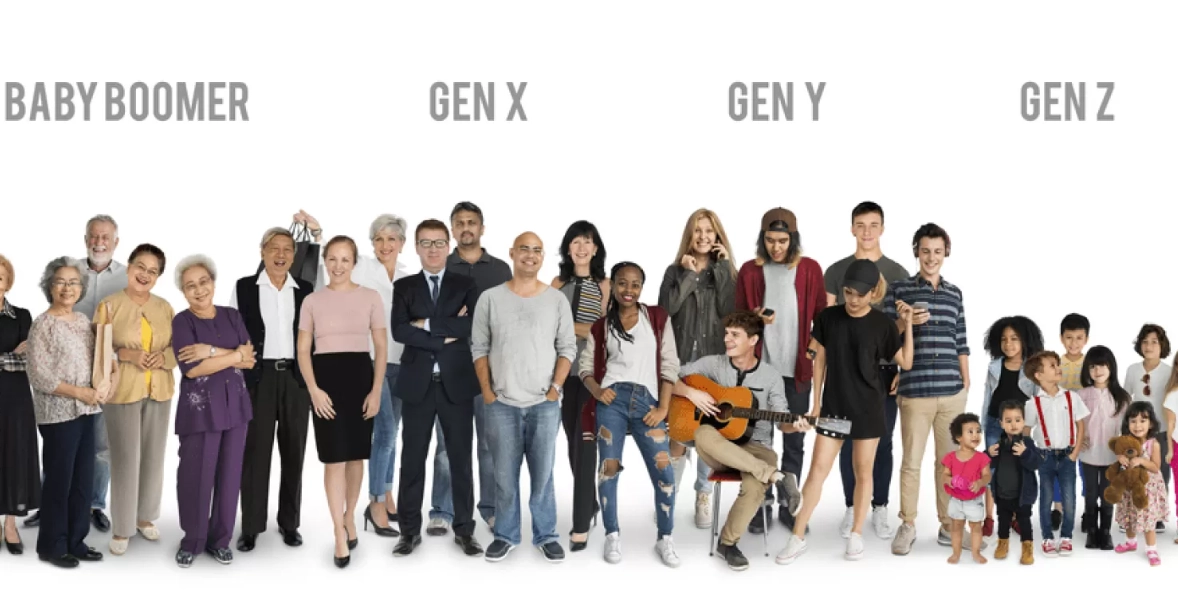
The Core Identity: What Defines a Gen Xer?
Okay, so we know the "when." The real meat of the question "what is Gen X" lies in the "who." What makes them tick? It's not one thing. It's a cocktail of historical circumstance, economic shifts, and technological change sipped during their most impressionable years.
The Latchkey Kid Phenomenon & Declining Trust
This is huge. With rising divorce rates and the norm of two working parents (a big shift from the Boomer childhood model), many Gen X kids came home to an empty house. They wore their own keys around their necks. This forged a fierce independence and self-reliance that's hard to overstate. They learned to make their own snacks, finish their homework unsupervised, and solve minor problems on their own.
But it also bred a certain skepticism. If the institutions of family and (by extension) the "American Dream" their parents preached could falter, what else could? They witnessed Watergate, the Cold War, the Challenger explosion, and the AIDS crisis—all through the relatively new, unflinching lens of cable TV news. The result? A generation that is often pragmatic, resourceful, and deeply skeptical of authority and grandiose promises. They don't automatically trust corporations, governments, or even charismatic leaders. They earned their cynicism.
The Analog-to-Digital Bridge
Gen X is the last generation to remember life before the internet and the first to adopt it en masse in young adulthood. Their childhood was analog: landline phones you stretched into a closet for privacy, mix tapes made from the radio, card catalogs at the library. Their adulthood became digital: email at work, early cell phones, the dawn of the World Wide Web.
This unique position makes them incredibly adaptable. They're not digital natives like Millennials and Gen Z, but they're far from technophobes. They had to learn the technology as it emerged, which gave them a foundational understanding of how it works, not just how to use an app. This is why you see so many Gen Xers as crucial tech managers and early internet entrepreneurs—they understand both the old-world logic and the new-world potential.
They didn't get participation trophies for just showing up.
Their formative years were marked by less structured, more risk-filled play. Think bike helmets being optional and roaming the neighborhood until the streetlights came on. Competition was direct and sometimes harsh. In school and sports, you often had to earn your spot. This created a resilient, sometimes brutally honest, and results-oriented mindset. They can view the later generations' focus on constant feedback and safe spaces with a bit of bemusement, even as many have adapted to it as parents and managers.
Gen X in the Workplace: The Pragmatic Realists
Ask any headhunter or HR professional, and they'll often describe Gen X employees as the glue that holds companies together. They entered the job market during recessions and saw corporate loyalty evaporate with waves of layoffs in the 80s and 90s. The promise of "a job for life" was broken before they even got started.
So, what did they do? They developed a mercenary-like approach to their careers. Loyalty is to their skills, their network, and their immediate team—not necessarily to the company logo. They are often the masters of "quiet quitting" long before it had a name—they'll do their job well, but they're not buying into the corporate cult. They value work-life balance (a term that gained traction during their rise) because they saw their Boomer parents get burned out by devotion to the office.
This generation is often the most effective at managing up and down. They can translate Boomer executive-speak into practical tasks for Millennial and Gen Z teams, and they're not afraid to push back on ideas they see as unworkable.
They prefer direct communication over fluff. A Gen X manager is more likely to give you a straight, if blunt, assessment than to couch criticism in layers of positive reinforcement. This can cause friction, but it also creates clarity. In an era of endless meetings about meetings, their desire to just solve the problem and go home is often a breath of fresh air.
The Financial Mindset: Caught in the Squeeze
This is a massive, often painful, part of the Gen X story. Financially, they've been dealt a tricky hand. Let's break it down, because it explains a lot about their stress and their choices.
- Student Debt Pioneers: College costs began their steep climb during their university years. They were among the first to take on significant student loans as a norm, not an exception.
- Job Insecurity: They started careers during periods of economic restructuring (the dot-com bust, 2008 crisis). Promotions and pensions were less guaranteed.
- The Housing Rollercoaster: Many bought their first homes near the peak of the mid-2000s housing bubble, only to see values plummet in 2008. Equity building was reset for many.
- The "Sandwich Generation": A classic user pain point. They are often simultaneously funding their children's education (or supporting young adult kids) while also providing financial or care support for aging Boomer parents. Retirement savings get squeezed from both sides.
- Retirement Anxiety: The shift from defined-benefit pensions to 401(k) plans happened on their watch. The full responsibility for retirement saving landed squarely on their shoulders, often with insufficient financial education.
According to data from the Federal Reserve, while Gen X holds a significant portion of wealth, it is disproportionately tied up in housing, and their median retirement savings are frequently cited as being behind where they should be. This has created a generation of pragmatic, sometimes anxious, savers and investors. They are less likely to believe in get-rich-quick schemes (they lived through a few) and more likely to value slow, steady, diversified growth. They're the original FIRE (Financial Independence, Retire Early) movement adherents in spirit, even if not in name—seeking control over their time because they've seen how fragile financial security can be.
Cultural Impact: From Grunge to the Internet
You can't talk about what is Gen X without talking about the culture they created and consumed. It was a reaction to the polished, optimistic, sometimes bloated culture of the late Boomer era.
Music: Grunge (Nirvana, Soundgarden) and alternative rock (R.E.M., The Pixies) rejected hair metal's glamour for authenticity, angst, and flannel. Hip-hop moved from the block party to global dominance (Public Enemy, N.W.A., Tupac, Biggie). The message was often raw, skeptical, and DIY.
Film & TV: This was the era of the indie film revolution (Quentin Tarantino, Richard Linklater) and bleak, cynical, yet witty cinema ("Fight Club," "Pulp Fiction," "The Matrix"). On TV, shows like "The Simpsons," "Seinfeld," and "The X-Files" dominated. They shared a common thread: sarcasm, a deconstruction of norms, and deep suspicion of powerful institutions. Even their kids' shows ("Ren & Stimpy," "Rocko's Modern Life") had a subversive edge.
The Internet's Early Culture: The early, text-based, libertarian-leaning ethos of the internet (Usenet, early forums, blogging) was heavily shaped by Gen X. It was a place for niche interests, unfiltered opinion, and community built on shared knowledge rather than shared identity—a digital version of their independent, latchkey upbringing.
Common Questions About Gen X (FAQ)
Let's tackle some of the specific questions that pop up when people dig into what is Gen X.
It's mostly a numbers and narrative game. The Boomer generation before them is massive and culturally dominant. The Millennial generation after them is even larger and became the first digital natives, absorbing endless media analysis. Gen X, smaller in size and less prone to defining themselves as a monolithic group, got caught in the middle. Marketers and media, obsessed with the spending power of Boomers and the future trends of Millennials, often skipped right over them. They were forging their own path quietly while the spotlight was elsewhere.
This is a classic misconception. They aren't natives, but they are incredibly adept adopters. They had to learn DOS commands, configure modems, and troubleshoot software conflicts without Google. This gave them a problem-solving, foundational tech literacy. They may not be on TikTok creating viral dances, but they are often the ones who built, manage, and secure the systems that Millennials and Gen Z use every day. They're the bridge builders.
It's complex. With Boomer parents, there's often a mix of respect for their work ethic and frustration with their sometimes rigid worldview and the economic legacy (like climate change, national debt) they feel was left for them to handle. With Millennials (and Gen Z), there's often a protective, mentoring instinct (many are their parents), mixed with impatience for what they perceive as a need for constant validation and a lack of grit. But in the workplace, many Gen Xers are fierce advocates for their younger reports, having experienced poor management themselves.
Forget flashy, empty slogans. They can smell insincerity from a mile away. Be authentic, highlight quality and practicality, use nostalgia intelligently (not panderingly), and emphasize value and reliability. Humor works, especially if it's dry or sarcastic. They research heavily before buying, so detailed product information and genuine reviews are key. And for heaven's sake, don't tell them something is "revolutionary" unless it truly is.
The Legacy of Generation X
So, what is the Gen X legacy as they move into their peak earning and leadership years? It's still being written, but some themes are clear.
They normalized the idea of work-life integration and challenged the "always on" corporate culture, even as technology made it harder. They championed indie and alternative culture into the mainstream. Their skeptical, DIY ethos laid the groundwork for the creator economy and the distrust of traditional media that defines much of today's online discourse (for better or worse).
Politically and socially, they tend to be more libertarian-leaning than the generations before or after, valuing individual freedom and skeptical of large-scale ideological programs. They were the generation that made diversity and inclusion a workplace conversation, even if the execution has evolved.
In many ways, they are the adaptable, resilient keystone in the arch of modern society.
They watched the old world fade and helped build the new one, all while being told they didn't matter. And yet, here they are: running companies, raising families, caring for parents, and navigating a world changing faster than ever. They may not have wanted the spotlight, but their fingerprints are on almost everything in our current moment. Understanding what is Gen X isn't just about defining a birth range; it's about understanding the pragmatic, independent, and quietly influential force that shaped the transition from the 20th to the 21st century.
Reader Comments