Quick Guide
- How Does a Lien Actually Work? The Nuts and Bolts
- The Main Types of Liens: Know Which One You're Dealing With
- How a Lien Messes With Your Financial Life
- How Do You Find Out If There's a Lien on Your Property?
- How to Remove a Lien: Your Action Plan
- Frequently Asked Questions About Liens
- Final Thoughts: Don't Let a Lien Lurk
Let's be honest, the first time you hear the word "lien," it sounds like some obscure legal term that couldn't possibly affect you. Maybe you're buying a house and your title search comes back with a surprise. Or perhaps a contractor you hired is now threatening to file something against your property. Suddenly, you're scrambling to understand what this thing is and how much trouble you're really in. I've been there, helping a friend untangle a mechanic's lien on his car. It was a mess.
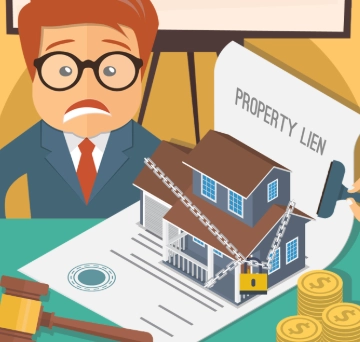
So, what is a lien in plain English? Think of it as a legal "I.O.U." sticker slapped onto your property. It's not ownership, but it's a powerful claim. If you own a house, a car, a boat, or even a piece of commercial equipment, a lien gives someone else the legal right to hold onto that asset or get paid from its sale if you don't settle a debt. It's the creditor's way of saying, "You owe me, and I'm making sure I get paid by attaching my claim to this thing you value." The core purpose of a lien is to secure payment. It turns an unsecured promise to pay into a claim backed by a physical asset.
This isn't just about mortgages. Liens pop up in all sorts of situations—from unpaid taxes to home renovations gone sour. Understanding what a lien is, how it gets there, and how to get rid of it is crucial financial literacy. Ignoring one is like ignoring a "Check Engine" light; the problem only gets more expensive.
How Does a Lien Actually Work? The Nuts and Bolts
Let's break down the mechanics. A lien creates a cloud on the title or ownership of an asset. This cloud doesn't mean the lien holder can just show up and take your car for a joyride. But it does create a significant encumbrance.
The process usually follows a path. First, a debt exists (unpaid bill, loan, tax debt). Then, the creditor follows a legal process to file or "perfect" the lien with a government office—like the county recorder for real estate or the DMV for vehicles. This public filing is the red flag. Once recorded, the lien attaches to the property, not just to you personally. This is key. Even if you sell the property, the lien often stays with it, potentially killing the sale unless it's cleared.
Ultimately, if the debt remains unpaid, the lien holder can often force the sale of the property through a foreclosure (for houses) or repossession (for vehicles) to satisfy the debt. That's the nuclear option, and it's why answering the question "what is a lien" must include its enforcement power.
Heads up: A lien severely limits what you can do with your property. Selling or refinancing becomes a major headache, if not impossible, until it's resolved. Lenders won't touch a property with an active lien because their loan wouldn't be in first position.
The Main Types of Liens: Know Which One You're Dealing With
Not all liens are created equal. Some you invite, others are forced upon you. This distinction between voluntary and involuntary liens is the most important way to categorize them.
| Type | Common Examples | How It's Created | Typical Context |
|---|---|---|---|
| Voluntary Lien | Mortgage, Auto Loan | You agree to it as a condition of getting a loan. | You willingly put your house up as collateral to secure the mortgage from the bank. |
| Involuntary Lien (Statutory) | Tax Lien, Mechanic's Lien | Created by law, not by your agreement. | The government files a tax lien for unpaid property or income taxes. A contractor files a mechanic's lien for unpaid work. |
| Involuntary Lien (Judicial) | Judgment Lien | Created by a court judgment. | Someone sues you for a debt, wins, and then places a lien on your property to secure the court-ordered payment. |
Let's dive deeper into the specific types you're most likely to encounter. Knowing the exact flavor of lien is half the battle in dealing with it.
1. The Mortgage Lien (The Voluntary One)
This is the classic example of a voluntary lien. When you get a mortgage, you sign a ton of papers. One of them grants the bank a lien (a security interest) on your home. This answers the basic question of what is a lien in the most common scenario. You keep the title, you live in the house, but the bank has a secured claim. If you stop paying, they can foreclose to recover their money. Most people are okay with this lien because it's the price of homeownership without a suitcase full of cash.
2. The Tax Lien (The Government's Powerful Claim)
Federal, state, or local governments can file tax liens for unpaid taxes. The IRS explains federal tax liens as a public notice to creditors that the government has a claim on your property. These are particularly nasty because they often take priority over other liens, even your mortgage. A state tax lien for unpaid income tax or a county lien for unpaid property taxes works similarly. Governments have broad powers here, and these liens can attach to almost everything you own—real estate, personal property, financial assets. You can't negotiate this lien away without addressing the underlying tax debt, which often involves a payment plan or an offer in compromise.
3. The Mechanic's or Materialman's Lien (The Contractor's Leverage)
This one trips up many homeowners. You hire a contractor to redo your kitchen. The work is done, but you have a dispute over the final bill or the quality. Before you know it, you get a notice that a mechanic's lien has been filed against your home. In essence, the contractor (or a subcontractor or supplier—a "materialman") is claiming a right to be paid for labor or materials that improved your property. The laws around these are strict, with tight deadlines for filing. The intent is to protect workers, but it can feel like a hostage situation for a homeowner. The lien makes selling or refinancing impossible, forcing you to deal with the dispute, often in court.
4. The Judgment Lien (The Result of Losing a Lawsuit)
If someone sues you (for a car accident, a broken contract, a personal loan) and wins a monetary judgment, they can take that court paper to the county recorder and file a judgment lien against your real estate. This turns an unsecured court win into a secured claim on your property. It's a common debt collection tool. The lien can sit there for years, accruing interest, waiting for you to try to sell or refinance. Only then does the full impact hit you.
5. Other Common Liens
- HOA Liens: If you fall behind on your homeowners' association dues, the HOA can often file a lien. In some states, these can even lead to foreclosure for relatively small amounts.
- Child Support Liens: Unpaid child support can result in a lien being placed on property, tax refunds, or other assets.
- Attorney's Liens: In some cases, an attorney can file a lien on a settlement or judgment they helped you obtain to secure their fees.
Remember this: The specific rules, deadlines, and enforcement powers for each lien type vary wildly from state to state. A mechanic's lien process in California is different from one in Florida. Always, always check your local statutes or consult a professional for your specific situation.
How a Lien Messes With Your Financial Life
Okay, so you have a lien. What's the real-world fallout? It's more than just an annoying piece of paper.
First and foremost, it blocks property transfers. Try selling a house with a lien on it. Any title company working for the buyer will discover it during the title search and demand it be paid off at closing. If you can't clear it, the sale collapses. The same goes for refinancing your mortgage. No lender will fund a new loan if their lien won't be in first position.
Your credit score takes a direct hit. Many liens, especially tax liens and judgment liens, get reported to the credit bureaus. A lien on your credit report is a giant red flag to future lenders, signaling you have unresolved debts that are secured against your assets. It can tank your score by 100 points or more.
It's a major leverage tool for creditors.
They know you're stuck. This can limit your negotiating power to settle the underlying debt for less. Why would they accept 50 cents on the dollar when they have a claim on your house that will eventually force you to pay in full?
In the worst-case scenario, it leads to loss of the property. The lien holder can initiate foreclosure or repossession proceedings. For a tax lien, the government can eventually seize and sell your property. This is the ultimate consequence of ignoring the question of what is a lien and what it can do.
How Do You Find Out If There's a Lien on Your Property?
Sometimes you get a formal notice in the mail. Other times, you find out when you're trying to sell and the title company calls you in a panic. Don't wait for a crisis.
For real estate, you or a professional can conduct a title search. This involves searching the public records at your county recorder's or clerk's office. Many counties now have online portals where you can search by your name or property address. It's not always user-friendly, frankly, a bureaucratic headache. You can also hire a title company to do a formal search for a fee.
For vehicles, you check with your state's Department of Motor Vehicles (DMV). Request a vehicle history report or a title search. Any existing liens will be listed on the vehicle's title itself.
You should also get a copy of your credit report from all three major bureaus (Equifax, Experian, TransUnion) through AnnualCreditReport.com. Many judgment liens and some tax liens are reported here.
Proactive Step: Make a habit of checking your property records every few years, especially if you've had contractors work on your home or any legal disputes. Catching a bogus or incorrectly filed lien early is much easier to fix.
How to Remove a Lien: Your Action Plan
Finding a lien is stressful, but removal is usually straightforward in theory, if not always in practice. The path depends entirely on the type of lien and your situation.
The Straightforward Way: Pay the Debt
This is the most common solution. Once you satisfy the underlying debt, the lien holder is legally obligated to file a "Release of Lien" or "Satisfaction" document with the same office where the lien was filed. Do not just pay and assume it's over. You must get that release document in your hands and verify it has been recorded. I've seen cases where a creditor was paid but "forgot" to file the release, causing problems years later. Follow up relentlessly.
Dispute an Invalid Lien
Not all liens are valid. Common grounds for dispute include:
- Paid Debt: You have proof the debt was already settled.
- Incorrect Information: The lien has the wrong name, property description, or amount.
- Missed Deadlines: The creditor didn't file the lien within the statutory timeframe (common with mechanic's liens).
- No Basis: The work wasn't done, or the materials weren't supplied.
Start by sending a formal, certified letter to the lien holder demanding they voluntarily release the lien. If that fails, you may need to file a lawsuit to quiet title or for slander of title. This is lawyer territory.
Negotiate a Settlement and Lien Release
If you can't pay the full amount, you might negotiate a lump-sum settlement for less. The key is to make the settlement agreement contingent on them filing a full release of lien. Don't pay a dime until you have a signed agreement stating that upon payment of $X, they will file the release. Get it in writing.
Use a Bond to Substitute Security
In some cases, especially with disputed mechanic's liens, you can file a surety bond with the court. The bond replaces your property as the security for the claim. This gets the lien off your property's title immediately, allowing a sale or refinance to proceed, while the underlying dispute moves to court separately.
Wait for the Statute of Limitations to Expire
Most liens have an enforcement period—often 5 to 10 years. If the lien holder doesn't renew it or take action to enforce it (like starting foreclosure) within that time, the lien may become unenforceable. However, this does not automatically remove it from the record. The cloud on your title may remain until you go to court to have it officially declared void. This is a risky, passive strategy.
Seriously, get the release filed.
Frequently Asked Questions About Liens
Final Thoughts: Don't Let a Lien Lurk
Understanding what is a lien is more than a vocabulary lesson. It's about protecting the things you've worked for. These legal claims are powerful tools for creditors and serious obstacles for property owners. The system is designed to pressure you into resolving a debt, and it's very effective.
If you discover one, don't panic, but do act immediately. Identify the type, verify its validity, and explore your removal options—payment, negotiation, or dispute. When in doubt, consult a real estate attorney. A few hundred dollars in legal fees can save you thousands and untold stress down the line.
My friend with the car lien? He ended up having to pay the disputed repair bill in full just to get the lien released so he could sell the car. It was the expensive way to learn the answer to "what is a lien." Hopefully, you won't have to learn the same way.
The goal is to keep your assets free and clear. A clear title is a beautiful thing. It means you're in control.
Reader Comments