In This Guide
- Why Even Consider a Credit Card for Your Business?
- Business Card vs. Personal Card: What's the Actual Difference?
- How to Pick the Right Card (Without Getting Overwhelmed)
- The Application Process: What to Expect and How to Improve Your Odds
- Smart Strategies: Using Your Card Like a Pro
- Common Pitfalls and How to Sidestep Them
- Wrapping It Up: Is a Business Credit Card Right for You?
Let's be honest. When you're running a business, the idea of getting a credit card can feel equal parts tempting and terrifying. You've probably heard the success stories—the points, the cash back, the smooth cash flow. But you've also heard the horror stories about debt spirals and ruined credit scores. I get it. I've been there, both as a business owner myself and talking to hundreds of others who've navigated this maze.
Using a credit card in business isn't just about swiping for office supplies. It's a financial tool, and like any tool, its value depends entirely on how you use it. A hammer can build a house or smash a thumb. This guide is here to make sure you're building, not smashing.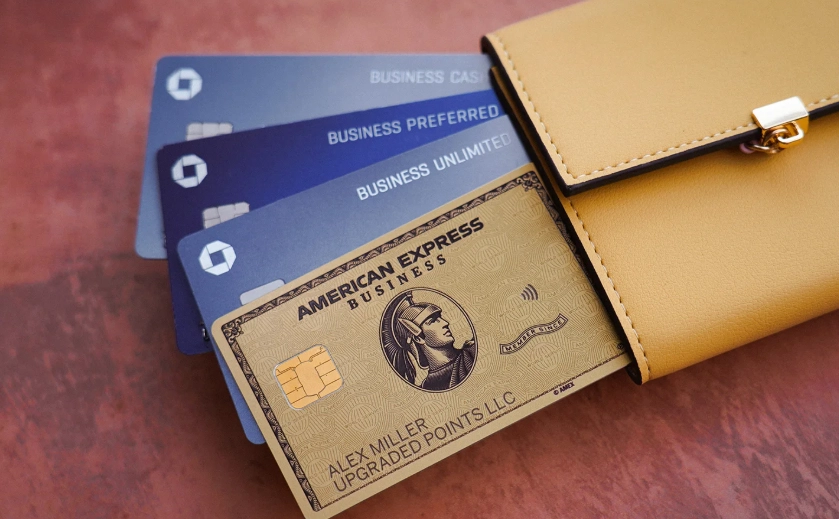
We're going to cut through the marketing fluff from the banks. We'll look at the real benefits, the hidden fees nobody likes to talk about, and the strategic ways to make a business credit card work for you, not against you. This isn't about telling you to get one. It's about giving you the full picture so you can decide if it's the right move for your business.
Why Even Consider a Credit Card for Your Business?
Separating your business and personal finances is Finance 101. It makes bookkeeping bearable and tax season slightly less hellish. A dedicated business credit card is the first, most tangible step in that separation. But the reasons go way beyond just keeping things tidy.
First up, cash flow. This is the lifeblood of any small business. There's often a gap between when you have to pay for inventory, software, or a contractor, and when your client's payment lands in your account. A credit card acts as a short-term, interest-free loan if you pay the balance in full each month. That buffer can be the difference between taking on a new project with confidence and having to turn it down.
Then there's the rewards game. This is where it gets fun, but also where you need to be careful not to get distracted. Cash back on your biggest expenses (like advertising or shipping) is basically a discount. Travel points can fund business trips. Some cards offer insane sign-up bonuses that can net you hundreds of dollars in value just for meeting a spending threshold in the first few months. But here's my personal take: never spend just to earn rewards. The math never works in your favor if you're buying things you don't need.
Building business credit is a slower burn, but arguably more important for the long haul. A strong business credit profile, separate from your personal score, can help you secure better terms on loans, leases, and insurance down the line. It tells lenders your business is trustworthy. Using a credit card in business responsibly—paying on time, keeping utilization low—is one of the primary ways to build that history. The U.S. Small Business Administration has a great primer on why business credit matters, which you can find on their website.
- Cash Flow Management: Bridge the gap between payables and receivables.
- Rewards & Perks: Earn cash, points, or miles on necessary business spending.
- Credit Building: Establish a standalone credit history for your business entity.
But let's not ignore the elephant in the room. Debt. High interest rates. The temptation to overspend. A credit card in business is leverage. Leverage can amplify gains, but it can also amplify losses. If you're the type to carry a balance month-to-month on personal cards, you need to be brutally honest with yourself before getting a business card. The stakes are just as high, if not higher.
Business Card vs. Personal Card: What's the Actual Difference?
You might be thinking, "Can't I just use my personal card?" Technically, yes. But it's messy and misses key advantages.
On the surface, business credit cards often have higher credit limits, which is useful for larger purchases. Their rewards are tailored to common business expenses—think higher cash back percentages on office supply stores, internet/phone bills, gas, or travel. The reporting is different too. While many business card issuers will report negative activity (like late payments) to your personal credit bureaus, positive activity might only be reported to business credit bureaus like Dun & Bradstreet, Experian Business, and Equifax Small Business. This is a crucial detail most people miss.
The biggest practical difference? Liability and separation. When you use a personal card for business, everything is tied to you. If there's a dispute with a vendor, your personal credit is on the line. Come tax time, your accountant will have to sift through a statement full of both grocery runs and software subscriptions. A business card creates a clean, auditable trail for deductible expenses. The Consumer Financial Protection Bureau (CFPB) outlines consumer protections for personal cards that don't always fully extend to business cards, which is worth noting. You can read more about those protections on the CFPB website.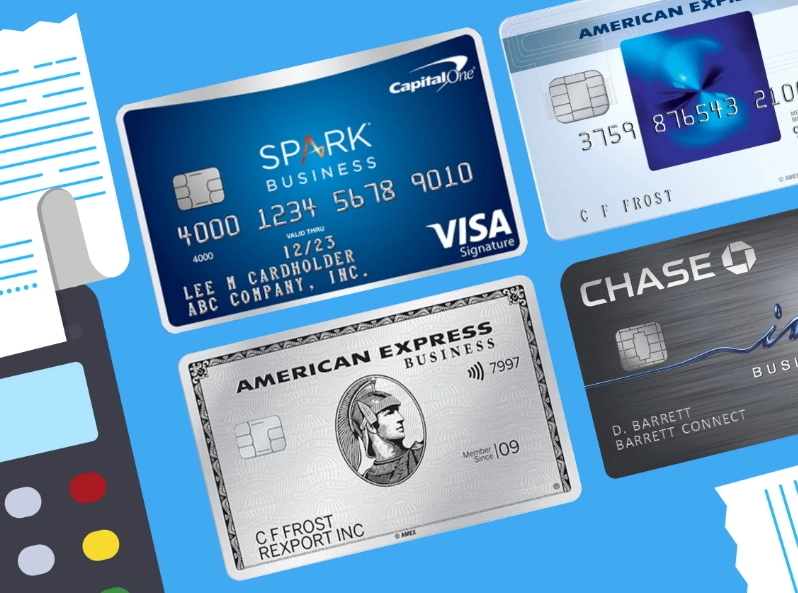
So, who's a business card for? Honestly, almost any formal business entity—sole proprietors, LLCs, corporations. Even side hustlers with consistent income can benefit from the separation. Who should avoid one? Anyone who struggles with personal credit card debt, or a brand-new business with no revenue yet. The risk might outweigh the potential reward.
How to Pick the Right Card (Without Getting Overwhelmed)
This is where most guides throw a giant comparison table at you and call it a day. Let's be more strategic. Choosing the right credit card for your business is less about finding the "best" one and more about finding the best one for you.
Start by asking yourself a few questions:
- What are my top 3 business expenses each month? (e.g., online ads, wholesale inventory, client meals, gas).
- Do I travel for business? If so, how often and with which airlines/hotels?
- Am I a "pay in full" person or do I sometimes need to carry a balance? (Be honest).
- What's more valuable to me: simple cash back or flexible travel points?
Your answers will point you toward a category. Let's break down the main types.
The Main Contenders: Card Type Breakdown
Flat-Rate Cash Back Cards: These are the workhorses. They offer the same cash back percentage (usually 1.5% to 2%) on every purchase. No categories to track, no limits to hit. Perfect if your spending is diverse and you want simplicity. The downside? You might leave money on the table if a big chunk of your spending falls into a category another card rewards more heavily.
Bonus Category Cash Back Cards: These cards offer elevated rewards (3%, 4%, even 5%) in specific categories like office supplies, internet, phone services, gas, or dining. If your business has one or two dominant expense categories, these can be goldmines. The trick is to make sure the categories align with your reality, not your aspirations.
Travel Rewards Cards: Ideal for consultants, salespeople, or anyone who flies or stays in hotels regularly. You earn points or miles that can be redeemed for flights, hotel stays, and sometimes statement credits. The value can be high, but the redemption process is often more complex than cash back. Some also come with fantastic travel perks like airport lounge access, free checked bags, or travel insurance.
Charge Cards (like American Express Business Gold): These aren't technically credit cards; they require you to pay the balance in full each month. They often have no preset spending limit (though there is a soft limit based on your spending patterns), which can be useful for large, variable purchases. They typically have high annual fees but also strong rewards and perks.
Here’s a quick comparison to visualize the trade-offs:
| Card Type | Best For | Biggest Pro | Biggest Con |
|---|---|---|---|
| Flat-Rate Cash Back | Businesses with diverse, unpredictable spending. | Utter simplicity; no category tracking. | Potentially lower rewards on high-spend categories. |
| Bonus Category Cash Back | Businesses with dominant, predictable expense categories. | High rewards on your biggest bills. | Need to monitor categories and sometimes activation. |
| Travel Rewards | Frequent business travelers. | High-value redemptions, travel perks. | Complex redemption; value tied to travel plans. |
| Charge Card | Established businesses with strong cash flow and large purchases. | Spending flexibility, robust perks. | Must pay in full monthly; high annual fees. |
The Fine Print You MUST Read (The Boring but Critical Stuff)
This is where banks make their money, and where business owners get tripped up. Don't just look at the shiny rewards.
Annual Fee: Is it $0, $95, $595? A high fee is only worth it if the card's benefits (like lounge access, statement credits, or higher reward rates) clearly outweigh the cost for YOUR spending habits. Do the math.
APR (Annual Percentage Rate): If you ever carry a balance, this number is your enemy. Business card APRs can be high. The best practice for using a credit card in business is to pay the statement balance in full, every single month. If that's not your plan, the APR becomes your most important filter.
Intro APR Offers: Some cards offer 0% APR on purchases for an introductory period (e.g., 12 months). This can be a fantastic tool for financing a necessary large equipment purchase or weathering a cash flow crunch, interest-free. But know when the period ends and what the regular, much higher APR will be.
Rewards Structure: Are there caps on how much you can earn in bonus categories? Do points expire? How do you redeem them? Is cash back automatically applied or do you have to request it?
Foreign Transaction Fees: If you buy supplies from overseas vendors or travel internationally, a card with no foreign transaction fee (typically 3%) is non-negotiable.
The Application Process: What to Expect and How to Improve Your Odds
Applying for a business credit card feels more formal than a personal card. They're not just checking you; they're checking your business's viability.
You'll need your Social Security Number (for sole props) or your Business Employer Identification Number (EIN). Have your business's legal name, address, and phone number ready. They'll ask for your business's annual revenue and sometimes monthly expenses. Be accurate—don't inflate the numbers, as they may ask for verification. You'll also need to provide your personal income, as that's ultimately what backs the personal guarantee.
What are they looking for? A strong personal credit score (usually 680+, with 720+ for the best cards) is the number one factor for most small business applications. They'll also look at your personal debt-to-income ratio and your business's revenue history. A business that's been operating for two years looks better than one that started two months ago, but it's not always a deal-breaker.
If you get denied, don't panic. Call the reconsideration line. Sometimes a human can overturn a system denial if you explain your business situation. In the meantime, work on building your personal credit, or consider a secured business credit card to start building that history.
Smart Strategies: Using Your Card Like a Pro
Okay, you've got the card. Now what? Using a credit card in business strategically is what separates the savvy owners from the stressed ones.
Rule #1: Pay the statement balance in full, every month. I know I've said it, but it bears repeating. Interest charges will obliterate any rewards you earn. Set up autopay for at least the minimum payment, but always plan to pay the full balance.
Designate the card for specific, recurring expenses. This makes tracking effortless. Put all your software subscriptions (Slack, Adobe, hosting), online advertising spend, and wholesale orders on the card. You get the rewards, and you have one clean statement for those operational costs.
Use it for large, planned purchases to leverage buyer protection and float. Buying a new laptop? Use the card. Most offer extended warranty protection and purchase security against damage or theft for a short period. Plus, you get 30-45 days before payment is due.
Never use it for cash advances. The fees are instant and the interest starts accruing immediately with no grace period. It's arguably the most expensive way to get cash.
Give employee cards with strict limits. Need your assistant to buy supplies or book travel? Most issuers let you request employee cards for free. The genius part? You can set individual spending limits and receive detailed reports on their spending. It’s control and tracking in one.
Let's talk about maximizing rewards. It's a bit of a game, but a profitable one if done right.
My Personal Ranking of Best Uses for Business Card Rewards
- Statement Credits Against Business Expenses: This is cash in your pocket, reducing your outlay. It's simple and direct.
- Travel Redemptions for Necessary Business Trips: If you have to travel anyway, using points for the flight or hotel is like getting a discount. Aim for redemptions that give you more than 1 cent per point in value.
- Gift Cards for Employee Recognition or Client Gifts: Often a standard redemption option. Useful for operational morale or marketing.
- "Portal" Purchases (like Amazon): Sometimes you can shop through the card's portal for extra points. Only do this if the price is the same as buying directly.
I generally avoid converting points to cash at a low rate (like 0.8 cents per point) or using them for merchandise in the rewards mall, where the value is usually terrible.
Common Pitfalls and How to Sidestep Them
I've seen smart people make dumb mistakes with business cards. Here's the hall of shame, so you can avoid it.
Pitfall 1: Chasing sign-up bonuses into unnecessary debt. That $500 bonus after spending $5,000 in 3 months is tempting. But if you have to stretch or buy things you wouldn't normally buy to hit that spend, you've already lost. Only go for bonuses you can hit organically.
Pitfall 2: Ignoring the annual fee year after year. That premium card made sense when you traveled monthly. If you're now fully remote, a $550 annual fee for lounge access you never use is just a donation to the bank. Re-evaluate your cards annually.
Pitfall 3: Mixing personal and business spending on the card. It starts with one "small" personal purchase and snowballs. Keep it strictly business. It's cleaner, safer, and more professional.
Pitfall 4: Maxing out the card. High credit utilization (the ratio of your balance to your limit) hurts your personal and business credit scores. Try to keep usage below 30% of the limit, even if you pay it off monthly.
Pitfall 5: Not monitoring statements for fraud or errors. Business cards can be bigger targets. Review every transaction, every month. Set up instant purchase alerts.
Your Burning Questions, Answered
Wrapping It Up: Is a Business Credit Card Right for You?
Look, integrating a credit card into your business finances isn't a magic bullet for success. It's a tool—a powerful, double-edged one.
If you have disciplined financial habits, clear business expenses, and a need to manage cash flow or earn rewards on what you're already buying, then a business credit card is a no-brainer. The benefits in organization, potential savings, and credit building are substantial.
If you're struggling with personal debt, if your business spending is minimal and erratic, or if you know you're prone to seeing a credit limit as "free money," then pump the brakes. The risks—personal liability, high-interest debt, damaging your credit—are very real.
The most successful use of a credit card in business I've seen comes from owners who view it as a precise scalpel, not a blunt hammer. They use it for specific purposes, they track every dollar, and they never, ever let a balance ride. They leverage the system without letting the system leverage them.
Take the time to assess your own business's spending patterns, your personal financial discipline, and your long-term goals. Compare a few cards side-by-side, focusing on the fees and APR as much as the rewards. Start slowly if you need to. The goal isn't to game the system for maximum points; it's to create a smoother, more efficient, and more rewarding financial operation for your business.
That's a win worth swiping for.
Reader Comments