You hear the word "entrepreneur" everywhere. Tech founders on magazine covers, your neighbor selling handmade candles on Etsy, the guy who quit his job to start a food truck. They're all called entrepreneurs. But what does it actually mean? If you're searching for "what is an entrepreneur," you're probably looking for more than a dictionary definition. You want to know what it *feels* like, what it *takes*, and if it's something you could be.
Let's cut through the hype. An entrepreneur isn't just someone who starts a business. That's too simple. A real entrepreneur is someone who identifies a problem—a gap, an annoyance, an unmet need—and builds a systematic solution for it, accepting the full weight of the risk and uncertainty involved. The key isn't the business license; it's the mindset of seeing opportunity where others see routine, and having the grit to chase it down.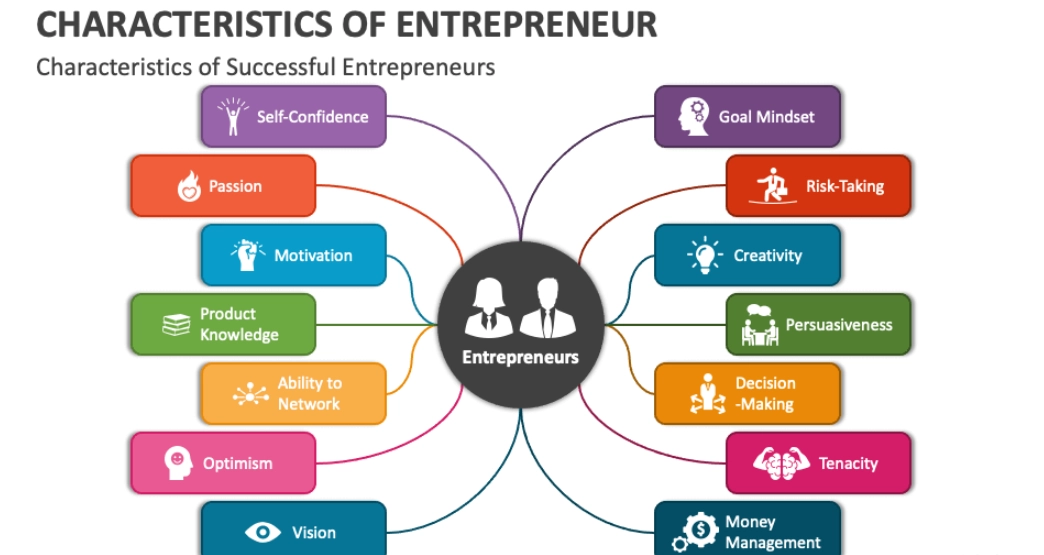
I've been in this game for over a decade, built a few things, failed at some, and learned that most advice out there is polished success-story stuff. It misses the messy middle. So let's talk about the real deal.
What You'll Discover in This Guide
The 5 Non-Negotiable Traits of a Real Entrepreneur
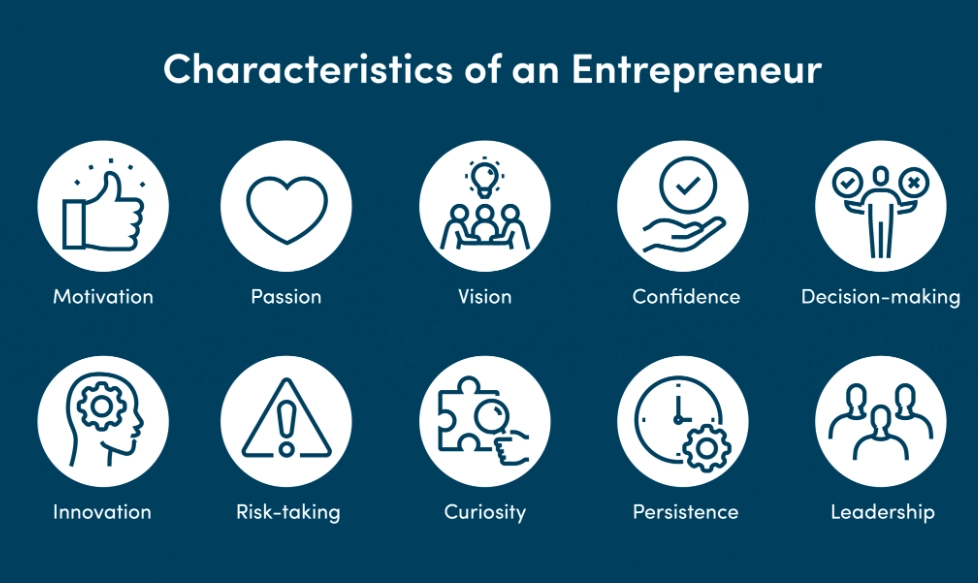
Forget "visionary" or "charismatic." Those are outcomes, not starters. Based on my experience and observing hundreds of others, here are the raw ingredients you'll find in anyone who lasts.
1. Obsessive Problem-Solving
Entrepreneurs don't start with "I want to be my own boss." They start with "Why does this have to be so difficult?" It's an itch they can't stop scratching. My first venture came from being frustrated with the clunky software we used at my old job. I spent nights and weekends building a simpler alternative, not because I planned a business, but because the problem annoyed me into action.
2. Comfort with Calculated Risk
Notice I said "calculated," not "reckless." The biggest misconception is that entrepreneurs are gamblers. They're not. They're assessors. They gather data, run small tests (like a minimal version of a product), and then make an informed leap. The risk is always there—financial, reputational, personal—but it's managed, not ignored.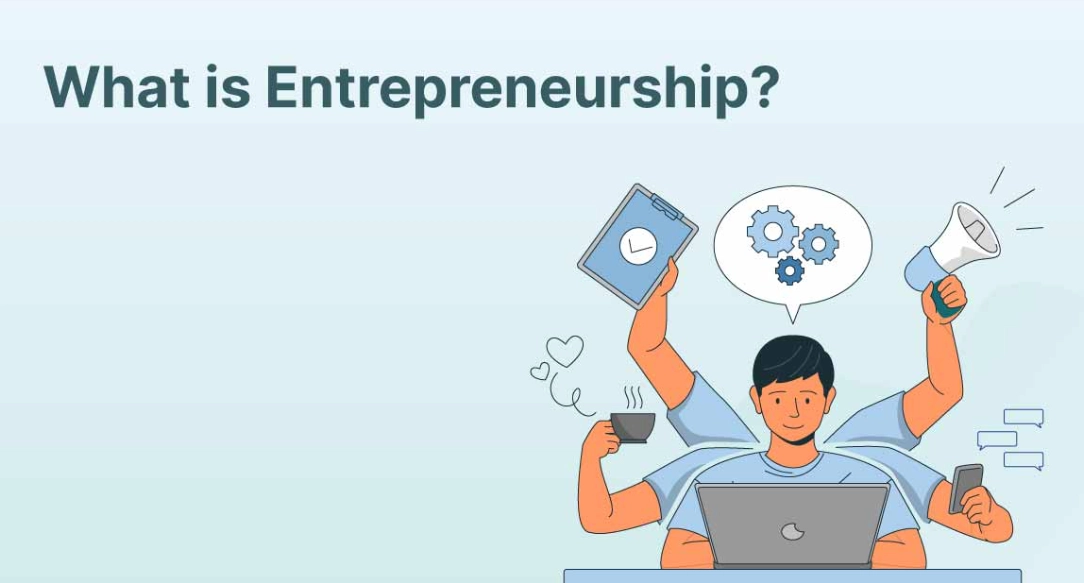
3. Radical Resourcefulness
No money? No team? No problem. Early-stage entrepreneurship is the art of doing more with less. It's about leveraging free tools, trading skills, and finding loopholes in the system. It's knowing how to learn anything you need, fast. This trait is more valuable than a huge bank loan.
4. The Ability to Sell (And It's Not What You Think)
You're not just selling a product. You're selling a vision to potential co-founders. You're selling your credibility to first customers. You're selling yourself on the idea when doubt creeps in at 2 AM. Selling is persuasion, communication, and storytelling wrapped into one essential skill.
5. Resilience to Emotional Whiplash
One day you land a big client, the next your key supplier goes out of business. The emotional highs and lows are extreme. Entrepreneurship is a long-term mental game. You need a default state of calm persistence to weather the storm. This, more than any business plan, determines who makes it.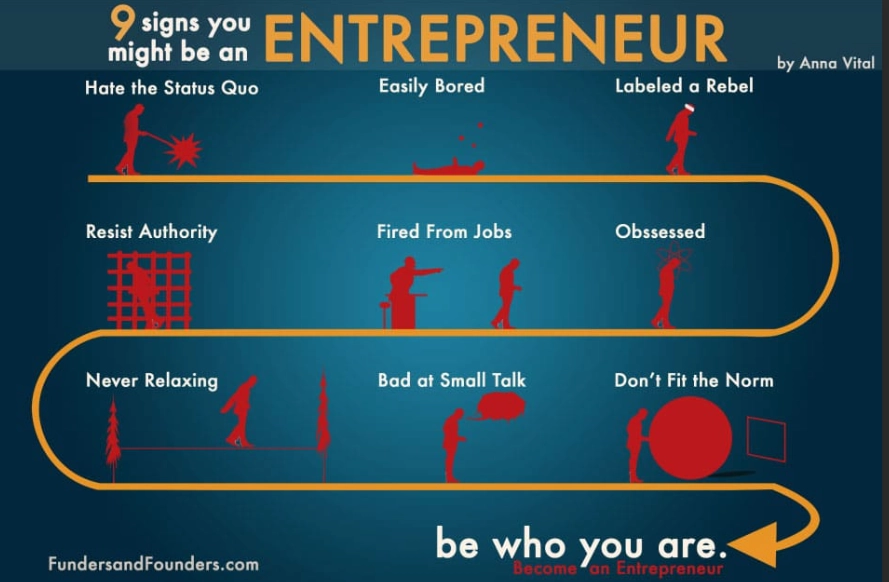
Entrepreneur vs. Small Business Owner: What's the Real Difference?
This causes endless confusion. Both are vital to the economy, but the core driver is different.
A small business owner often operates an established model. Think a local restaurant, a franchise, an accounting firm. The goal is stability, serving a known community, and generating a reliable income for the owner and employees. The innovation is in execution and customer service, not in reinventing the model itself. Success is measured by longevity and profitability.
An entrepreneur, in the classic sense, is focused on scale and disruption. They seek to change how an industry works or create a new market entirely. Think of the difference between opening the 100th Italian restaurant in town (small business) and creating a meal-kit delivery service that changes how people cook at home (entrepreneurial venture). The entrepreneur's model is designed for growth, often seeking to reach a massive market, which usually involves external investment.
Can you be both? Absolutely. Many start as entrepreneurs with a disruptive idea and, once established, run it as a small business for lifestyle reasons. The lines blur. But understanding this distinction helps you clarify your own goals from day one.
How to Become an Entrepreneur: Your First Concrete Steps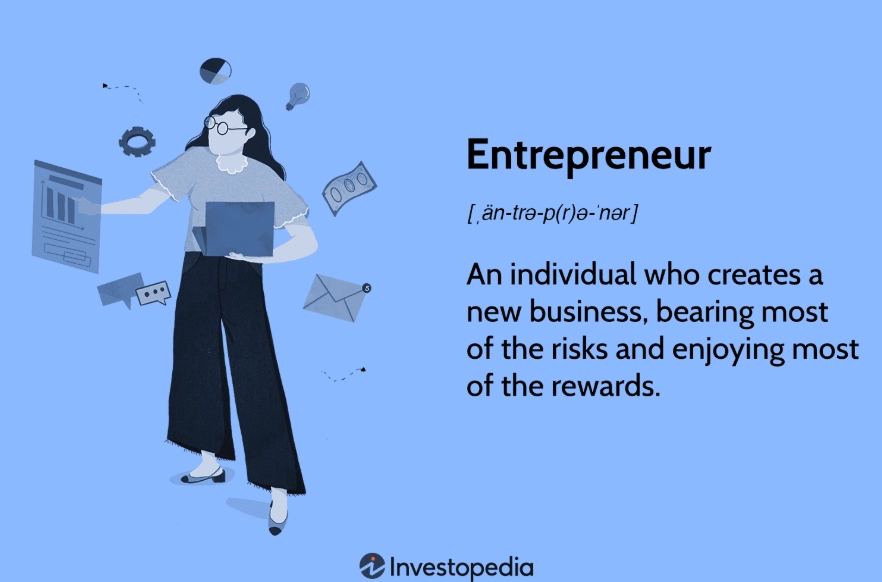
Okay, so you think you have the traits. What now? Don't quit your job. Don't incorporate a company. Follow this sequence instead.
Step 1: Find Your Problem (The Right Way)
Don't brainstorm ideas in a vacuum. Live in a problem space. Work in an industry and feel its pains. Talk to people—friends, family, professionals—and listen for their frustrations. The best problems are ones you have personally experienced or are deeply connected to. Write down every annoyance you encounter for a week. One of them is a seed.
Step 2: Validate, Don't Assume
This is where 90% of ideas die, and it should. Your solution might be brilliant, but does anyone want to pay for it? Validation is cheap. Build a simple landing page describing the solution and see if people sign up for a waitlist. Go to a relevant online forum and describe the problem—do people resonate? Offer a pre-order. If you can't get 10 people interested before you build anything, you have a hobby, not a business.
Step 3: Build the Smallest Possible Version
Your first product should be embarrassing. It's called an MVP (Minimum Viable Product) for a reason. If you're building an app, maybe it's just a manual process you do in a spreadsheet for your first three customers. If it's a service, offer it to one client at a deep discount in exchange for detailed feedback. The goal is to learn, not to launch perfectly.
Step 4: Find Your First Paying Customer
This changes everything. It moves you from "person with a project" to "business." Price it fairly, but charge something. That first transaction validates everything. It proves someone values your solution enough to open their wallet. Serve that customer obsessively. They will be your best source of feedback and referrals.
Only after these four steps should you even consider things like business loans, fancy websites, or hiring. You've now de-risked the core assumption: that people want what you're building.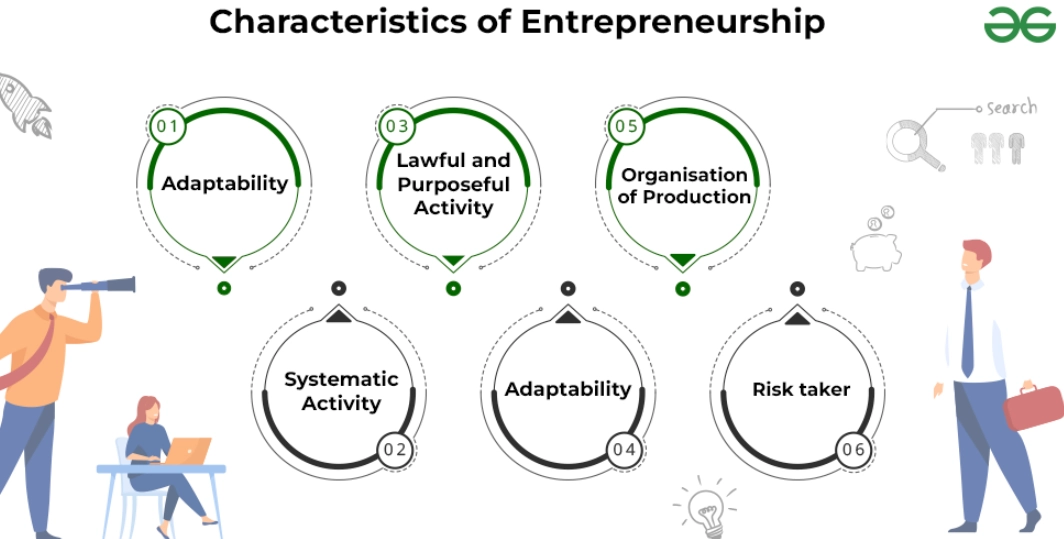
The Unspoken Mistakes New Entrepreneurs Always Make
Here are the subtle traps that catch smart people, based on my own stumbles.
Mistake 1: Chasing Funding Too Early. Raising money feels like validation, but it's a distraction. It shifts your focus from customers to investors. Bootstrapping forces discipline and creativity. According to data from the U.S. Small Business Administration, the vast majority of small firms start with personal savings or funds from family, not venture capital.
Mistake 2: Building in Stealth Mode. You want a big, secret launch. Bad idea. You waste months building in the wrong direction. Share your idea early and often. Feedback is oxygen. The chance of someone stealing your unproven idea is far lower than the chance of you building something nobody wants.
Mistake 3: Equating Busyness with Progress. Designing a logo, arguing over company names, setting up social media accounts—these are procrastination tasks. Real progress is talking to a potential user, making a sale, or shipping a feature. Prioritize revenue-generating activities above all else.
Mistake 4: Ignoring Your Own Psychology. You'll face isolation, imposter syndrome, and anxiety. Ignoring these is like ignoring a check engine light. Build a support system—other founders, a mentor, a therapist. Your mental health is your business's most important asset.
Your Burning Questions Answered (No Fluff)
 So, what is an entrepreneur? It's not a job title you give yourself. It's a description earned through action. It's the willingness to stare at a problem, feel the uncertainty in your gut, and move forward anyway—not with blind confidence, but with a learner's mindset. It's about building something that serves others and, in the process, building a more resilient version of yourself.
The path isn't glamorous. It's full of doubt, Google searches at midnight, and small, uncelebrated wins. But for those who are wired for it, there's nothing else quite like it. The question isn't really "what is an entrepreneur?" It's "could you be one?" And the only way to find out is to take that first, small, validated step.
Reader Comments