Quick Navigation
- Breaking Down the Official and Practical Meanings
- The Nuts and Bolts: What Does the Export Process Actually Look Like?
- Why Bother? The Real Benefits (And The Not-So-Glamorous Side)
- Clearing Up the Confusion: Direct vs. Indirect Exporting
- Your Burning Questions, Answered (The FAQ You Actually Need)
- Final Thoughts: It's a Journey, Not a Transaction
If you've typed "export definition" into Google, you're probably looking for something more than a dry, textbook line. Maybe you're starting a business and heard exporting is a good idea. Maybe you're a student stuck on an assignment. Or maybe you're just curious about how stuff gets from one country to another.
We've all seen the basic definition: the shipment of goods or services from one country to another. But honestly, that feels a bit empty, doesn't it? It's like saying "cooking" is just applying heat to food. It misses all the action, the strategy, the headaches, and the opportunities.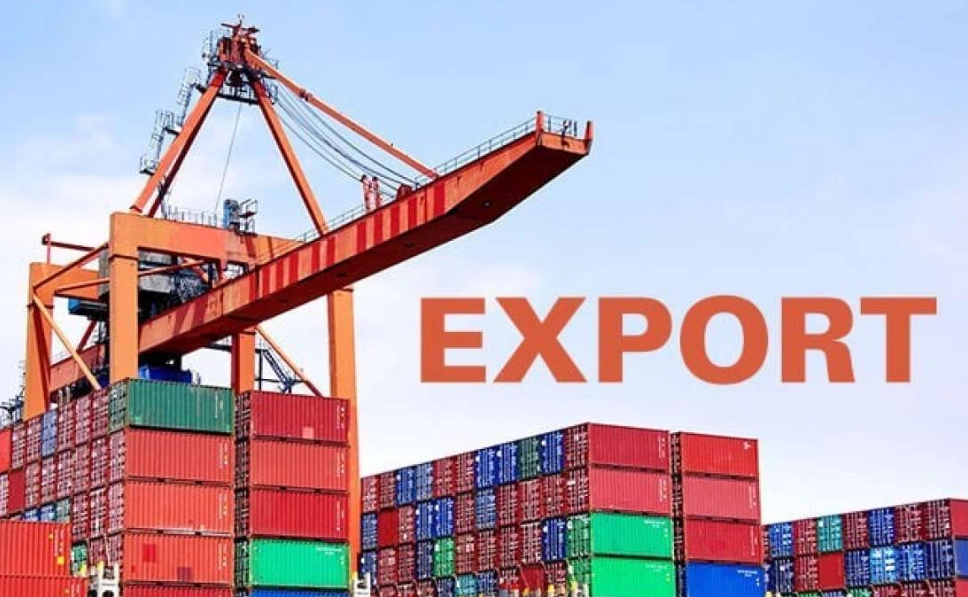
Let me put it this way. I remember helping a friend who makes amazing handmade ceramics. She had a steady local business, but her website kept getting clicks from France and Canada. She asked me, "Does this mean I'm exporting?" The answer was yes, but the journey from that 'yes' to actually getting her bowls safely to a customer in Paris involved a maze of forms, shipping quotes, and anxiety about breakage. That's the real-world export definition – it's a process, not just a word.
You'll find different flavors of this export meaning depending on who you ask. An economist might talk about trade balances and GDP. A customs officer thinks about tariffs and commodity codes. A small business owner just wants to know how much it'll cost and if they'll get paid.
Breaking Down the Official and Practical Meanings
Okay, let's get a bit structured here, but I promise to keep it human. To really grasp this, you need to see it from a few angles.
The Textbook (Boring but Necessary) Definition
Formally, according to international trade bodies, an export is defined as a good or service sent from the territory of one country (the exporting country) to the territory of another country (the importing country) for commercial purposes. This is the baseline. Organizations like the World Trade Organization (WTO) govern the rules of this game, setting the stage for how countries interact.
Governments track every single export to monitor their economy. This is why you can't just throw a box on a plane and call it a day. It needs to be declared. This formal definition of export is what creates the paperwork trail.
The Business Strategy Definition
This is where it gets interesting. For a company, exporting isn't just a shipment; it's a growth strategy. It's about market diversification. Selling only at home is risky—what if the local economy dips? By exporting, you spread that risk. You also can extend the life of a product; something considered mature here might be novel elsewhere.
I've seen businesses start exporting almost by accident (like my friend with the ceramics), and others do it as a calculated move from day one. The mindset shift is huge. You're no longer just competing with the shop down the street; you're thinking about cultural preferences, international logistics, and currency exchange rates.
Goods vs. Services: A Crucial Split
Often, when people search for an export definition, they're picturing physical goods: cars, phones, coffee beans. That's tangible export. But a massive part of the modern economy is service export.
Think about it:
- A software company in India sells a subscription to a firm in Germany. That's an export of a service.
- A UK-based architect designs a building in Dubai. Service export.
- An American university educates a student from China (who pays tuition). That's also considered an export of educational services.
The lines can blur, too. You might export a piece of software (a good) but also sell a maintenance contract (a service). Understanding this split is key because the rules, documentation, and taxation can be very different.
The Nuts and Bolts: What Does the Export Process Actually Look Like?
Let's move from theory to practice. This is where many guides get either too vague or unbearably technical. I'll try to walk the line. The process isn't linear for everyone, but most journeys hit these checkpoints.
- Market Research & Finding a Buyer: This is step zero. Who wants your stuff? You can't define your export process if you don't know where you're sending it. This involves deep research into demand, competition, and regulations in the target country.
- Quotation & Sales Contract: You agree on price, quantity, and—critically—the Incoterms®. These three-letter codes (like FOB, CIF, EXW) are the rulebook for international trade. They define who pays for what, who bears the risk, and where responsibility shifts. Getting this wrong is a classic, expensive mistake. The International Chamber of Commerce (ICC) sets these rules, and any serious exporter needs to know them.
- Production & Preparation: Getting the goods ready. This includes packaging for a long journey (think humidity, handling, piracy), marking, and labeling according to the destination country's rules.
- The Documentation Maze: This is the heart of the official export meaning. You're generating the paper trail that proves what you're doing is legal and tells everyone in the supply chain what's in the box.
- Commercial Invoice: The bill for the goods.
- Packing List: A detailed breakdown of what's in each box.
- Certificate of Origin: Proof of where the product was made (vital for tariffs).
- Export Declaration: Filed with your government's customs authority (like the U.S. Customs and Border Protection). This is the big one.
- Logistics & Shipping: Booking a freight forwarder, choosing air vs. sea, getting the goods to the port, and loading them. Your Incoterm dictates much of this.
- Customs Clearance (Export): Your shipment is presented to your home country's customs for review and clearance to leave. They check your documentation against the actual goods.
- Transport & Insurance: The goods travel. You or your buyer (per the Incoterm) better have insurance.
- Customs Clearance (Import): The mirror image at the destination. The buyer/importer handles getting the goods cleared to enter their country. This involves paying duties and taxes.
- Delivery & Payment: Final delivery to the buyer's door and, hopefully, receiving payment via a secure method like a Letter of Credit or advance payment.
See? The simple export definition hides this nine-step (often stressful) reality.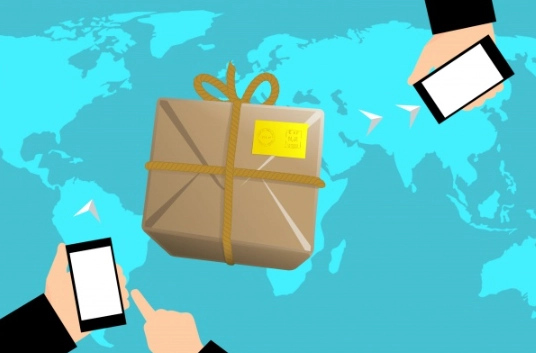
Why Bother? The Real Benefits (And The Not-So-Glamorous Side)
With all that complexity, why would anyone export? The benefits are real, but let's be balanced about it.
The Good Stuff: Why Businesses Jump In
The upside is what drives the whole machine.
| Benefit | What It Means For You | Real-World Impact |
|---|---|---|
| Revenue Growth | Access to markets much larger than your domestic one. | A small manufacturer in Italy can sell to all of North America, not just their town. |
| Risk Diversification | If one market slows down, others may keep you afloat. | During a local recession, overseas sales kept the lights on for many firms. |
| Economies of Scale | Higher production volumes can lower your cost per unit. | Filling a shipping container with goods is cheaper per item than sending small batches. |
| Brand Prestige | Being an "international" brand boosts your image at home too. | "Sold in 20 countries" is a powerful marketing line. |
| Learning & Innovation | Foreign competition and feedback force you to improve. | European safety standards might push you to make a better, safer product. |
The Challenges: What Nobody Talks About Enough
It's not all smooth sailing. Any honest guide on the export meaning has to cover the headaches.
- Complexity and Cost: The paperwork, the freight, the insurance, the duties—it all adds up. Your profit margin needs to absorb this.
- Payment Risk: Getting paid from across the world is scarier than a local check. What if the buyer refuses the shipment? What if their currency crashes?
- Logistical Nightmares: Delays, damaged goods, lost containers. It happens more than you think.
- Cultural & Regulatory Barriers: Your product name might mean something offensive elsewhere. Their labeling laws might require a complete redesign of your package.
- Intellectual Property Theft: In some markets, your design might be copied before your first shipment even clears customs.
I don't say this to scare you off, but to prepare you. Going in with eyes wide open is the only way.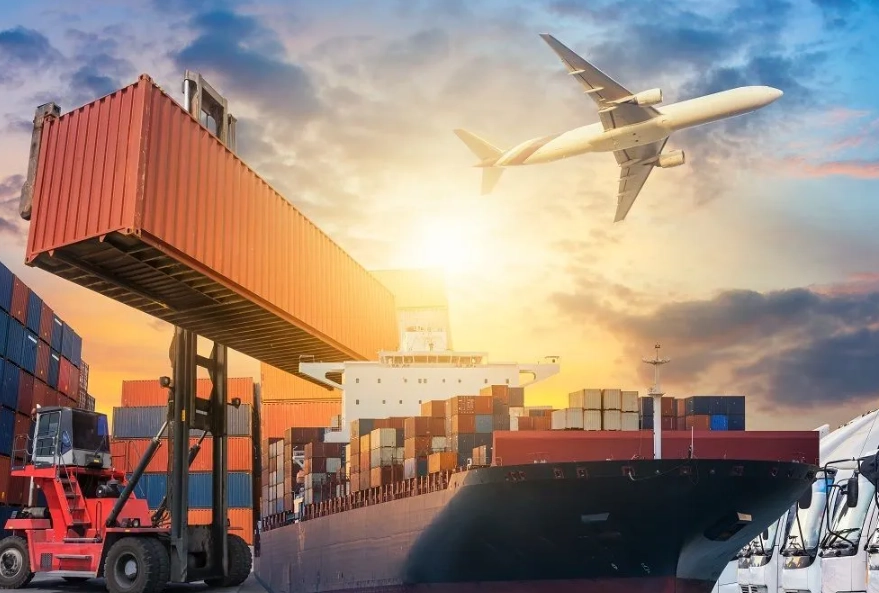
Clearing Up the Confusion: Direct vs. Indirect Exporting
Here's another layer to the export definition that causes confusion. How you export matters.
Direct Exporting means you, the producer, are handling the entire process outlined above. You find the buyer, you do the paperwork, you deal with the shipping. You have maximum control and maximum profit potential, but also all the responsibility and workload.
Indirect Exporting means you use a middleman. This could be a local export management company (EMC), a trading company, or even a distributor in your own country who then sells abroad. You sell your product to them, and they handle the international sale. It's simpler, faster, and less risky for you, but you make less money per unit and lose control over marketing and customer relationships.
Most small businesses start indirect and move to direct as they gain confidence. There's no right answer, only what's right for your capacity and nerves.
Your Burning Questions, Answered (The FAQ You Actually Need)
Yes, absolutely. This is one of the most common ways small businesses start exporting today without even realizing the full export definition applies to them. The platform may handle some logistics (Fulfillment by Amazon, for example), but you, as the seller, are still ultimately responsible for ensuring the product can be legally sold and imported into the customer's country. The tax and duty implications are still yours to understand.
Good question. This trips up a lot of people.
- Export: Goods produced in Country A and sent to Country B.
- Re-export: Goods imported into Country A, then sent out again to Country C without being substantially changed. Think of a free trade zone where goods are just repackaged or stored.
- Entrepot Trade: This is a specific type of re-export where a port city (like Singapore or Rotterdam) acts as a central hub. Goods are imported, stored, and then re-exported to various final destinations. It's all about strategic location and efficient logistics.
It depends entirely on what you're exporting and where it's going. Most general consumer goods don't need a specific license. However, if you're exporting:
- Military or dual-use items (things with both civilian and military applications)
- Certain high-tech software or technology
- Agricultural products to some countries
- Goods to a country under trade sanctions or embargoes
...then you almost certainly need an export license from your government. In the U.S., you'd check with the Bureau of Industry and Security (BIS). When in doubt, check with your national trade promotion agency or a trade lawyer. Don't guess.
The HS Code is the universal language of international shipping. It's a 6-10 digit number that tells customs officers exactly what your product is. Finding the right one is critical for determining duties and ensuring smooth clearance.
Start by using the free online lookup tools provided by your country's customs authority (like the U.S. International Trade Commission's HTS Search). Describe your product in detail. If you're still unsure, you can often request a binding ruling from customs for a definitive answer. Your freight forwarder can also help, but the legal responsibility is yours.
Final Thoughts: It's a Journey, Not a Transaction
So, after all this, what's the final take on the export definition?
It's more than a dictionary entry. It's a gateway to growing your business, testing your resilience, and connecting with the world. It's a blend of strategy, paperwork, logistics, and cultural savvy.
If you're considering it, start small. Pick one market that seems promising. Do obsessive research. Talk to a freight forwarder early—they are invaluable guides. And maybe, just maybe, don't try to do everything yourself from day one. That indirect export route exists for a reason.
The official definition of export is a line in a trade manual. But the real-world practice? That's a story of ambition, problem-solving, and hopefully, success. It's complicated, often frustrating, but for many, utterly worth it.
Good luck out there.
Reader Comments