When we talk about the biggest cities in the US, it's easy to just think of a population leaderboard. New York, LA, Chicago—everyone knows the names. But that list alone doesn't tell you much. It doesn't tell you why a tech worker might pick Seattle over Austin, or why a family might choose San Antonio over Phoenix. It doesn't explain the economic engine behind Houston or the cultural pull of Chicago.
I've spent years analyzing urban trends, and the biggest mistake people make is equating "biggest" with "best" for their needs. A city's population is just the opening line of its story. The real narrative is in the job markets, the neighborhood vibes, the hidden costs, and the sheer feel of the place.
This guide is for anyone making a real decision—considering a move, evaluating a business expansion, or just trying to understand the forces shaping America. We'll go beyond the census data to what it's actually like in these metropolitan giants.
What's Inside This Guide
What Makes a City "Big" Anyway?
First, a crucial distinction. When we cite population numbers, we're almost always talking about the Metropolitan Statistical Area (MSA) or the Combined Statistical Area (CSA). This is the city plus its economically connected suburbs and exurbs. The "city limits" population is often misleading. For example, the City of Atlanta has around 500,000 people, but the Atlanta MSA has over 6 million. The MSA is the real functional city.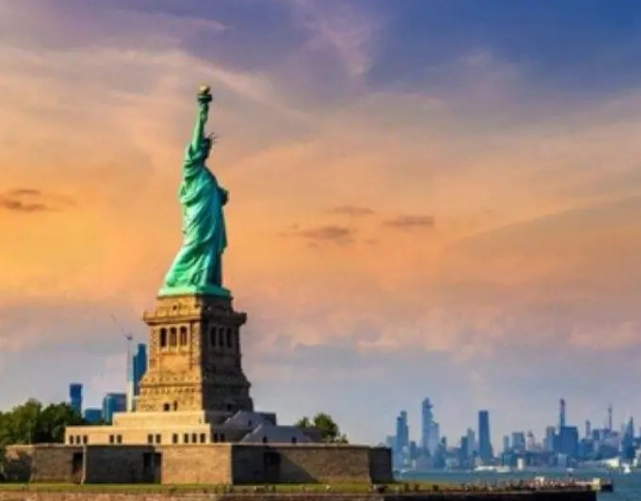
So, "biggest" here means the largest metropolitan regions. These are the labor markets, the housing markets, and the cultural hubs that people actually experience. The data we use aligns with the latest estimates from the U.S. Census Bureau, the definitive source for this information.
The Top 10 Largest U.S. Cities by Population
Here’s the current lineup, based on recent Census MSA estimates. Think of this as the starting grid.
| Rank | Metropolitan Area | Core City (Example) | Estimated Population (MSA) | Key Identifier |
|---|---|---|---|---|
| 1 | New York-Newark-Jersey City | New York City, NY | ~19.8 million | The Financial & Cultural Capital |
| 2 | Los Angeles-Long Beach-Anaheim | Los Angeles, CA | ~12.8 million | The Entertainment & Creative Hub |
| 3 | Chicago-Naperville-Elgin | Chicago, IL | ~9.4 million | The Transportation & Industrial Heartland |
| 4 | Dallas-Fort Worth-Arlington | Dallas, TX | ~7.9 million | The Corporate & Logistics Powerhouse |
| 5 | Houston-The Woodlands-Sugar Land | Houston, TX | ~7.3 million | The Energy & Medical Megacity |
| 6 | Washington-Arlington-Alexandria | Washington, D.C. | ~6.4 million | The Government & Policy Engine |
| 7 | Miami-Fort Lauderdale-Pompano Beach | Miami, FL | ~6.1 million | The International Gateway to Latin America |
| 8 | Philadelphia-Camden-Wilmington | Philadelphia, PA | ~6.1 million | The Historic East Coast Anchor |
| 9 | Atlanta-Sandy Springs-Alpharetta | Atlanta, GA | ~6.1 million | The Southern Transportation & Tech Nexus |
| 10 | Phoenix-Mesa-Chandler | Phoenix, AZ | ~5.0 million | The Sun Belt Growth Phenomenon |
Notice something? Four of the top ten are in the South or Southwest (Dallas, Houston, Atlanta, Phoenix). That's the demographic story of the 21st century right there—massive growth shifting to the Sun Belt.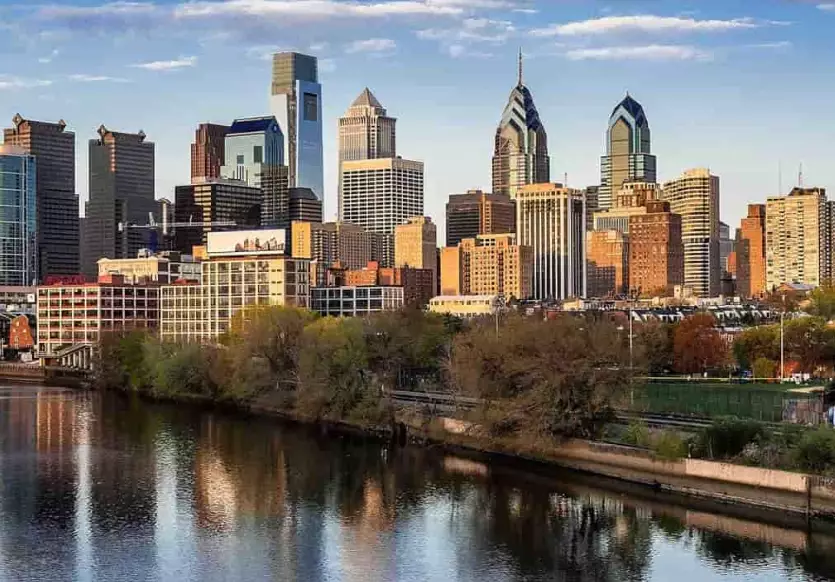
City Deep Dives: Economy, Vibe & Who It's For
Let's peel back a few layers on some of these giants. I won't cover all ten here, but these profiles show you what to look for in any city.
#1 New York-Newark-Jersey City
The Economy: It's Wall Street, but that's less than 10% of it. The real story is the incredible diversification: media, advertising, fashion, tech (Silicon Alley), healthcare, non-profits, the arts. If an industry exists, NYC has a major hub for it. Job density is insane.
The Vibe: Fast, competitive, and vertical. Neighborhoods feel like separate villages. You can be anonymous or find your niche community within a day.
Who It's For: Ambitious career-starters in finance, media, or the arts. People who thrive on energy and opportunity over space and quiet. You need a high tolerance for cost and density.
The Hidden Challenge: The "New York premium" applies to everything, not just rent. A simple lunch, a gym membership, a haircut—it all costs more. Your salary must compensate for this fully loaded cost of living.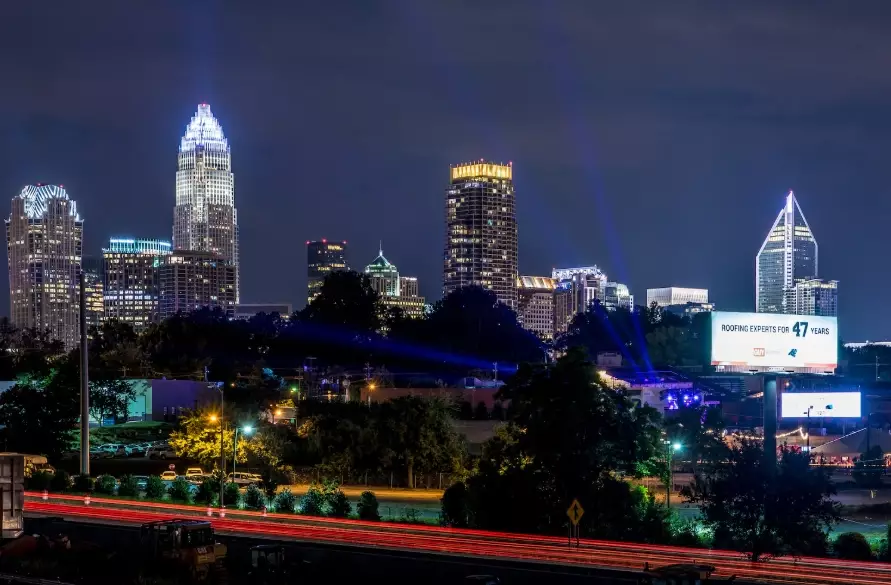
#4 Dallas-Fort Worth-Arlington
The Economy: Corporate headquarters central. ExxonMobil, AT&T, American Airlines, Texas Instruments, and countless others. It's a major logistics and distribution hub (thanks to its central location and massive DFW Airport). The economy is robust and relatively recession-resistant.
The Vibe: Sprawling, modern, and business-friendly. It's a car city, no way around it. The culture is a mix of traditional Texas and new-money corporate. Arts districts are growing, but it's not a walkable historic core.
Who It's For: Corporate climbers, families seeking relatively affordable new housing, and entrepreneurs drawn by Texas's low-tax environment. If you want a big-city salary with a suburban lifestyle, DFW delivers.
The Hidden Challenge: The sprawl is real. A 15-mile commute can easily take 45+ minutes. Your quality of life is tied directly to your proximity to work and your tolerance for driving.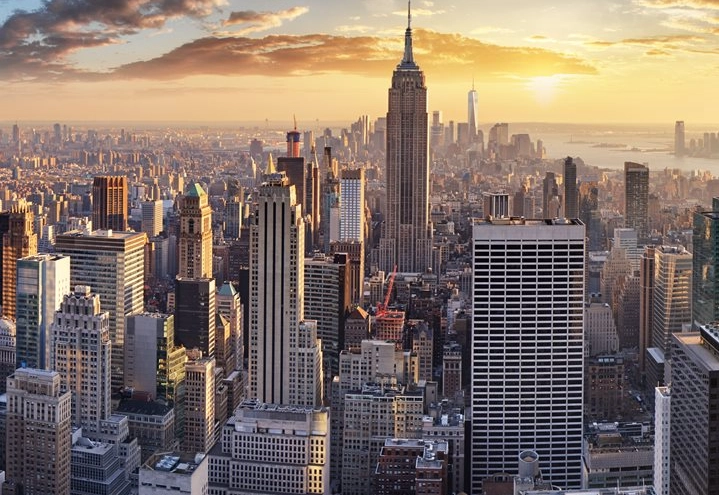
#10 Phoenix-Mesa-Chandler
The Economy: Once purely retirement and real estate, now diversifying into advanced manufacturing (semiconductors), tech, and financial services. Intel has a massive presence. It's a classic Sun Belt growth story—affordable space attracting businesses and people.
The Vibe: Sun-drenched and spread out. Life revolves around pools, patios, and air conditioning. The outdoor access in winter is unbeatable. It feels newer and less layered than Eastern cities.
Who It's For: Snowbirds, remote workers from pricier coasts, and anyone in the semiconductor or logistics industries. People who prioritize sunshine, outdoor winter activity, and new housing stock.
The Hidden Challenge: Water. It's the elephant in the room. Long-term drought and Colorado River issues are a constant background concern for sustainability and future growth. Also, summer heat (110°F+) is a genuine lifestyle constraint for 3-4 months.
Head-to-Head: Key Comparisons Between Giants
Let's tackle some common either/or decisions people face.
Chicago vs. Philadelphia
Both are historic, dense, Great Lakes/East Coast anchors. Chicago's economy is more diversified globally (finance, manufacturing, commodities trading). Philadelphia feels more intimate, with easier access to other East Coast cities via train. Chicago's winters are harsher, but its summer lakefront is spectacular. Philly's cost of living, while high, is generally a notch below Chicago's. Choose Chicago for a more global business footprint and a "city-as-a-resort" summer; choose Philly for East Coast connectivity and a slightly more manageable scale.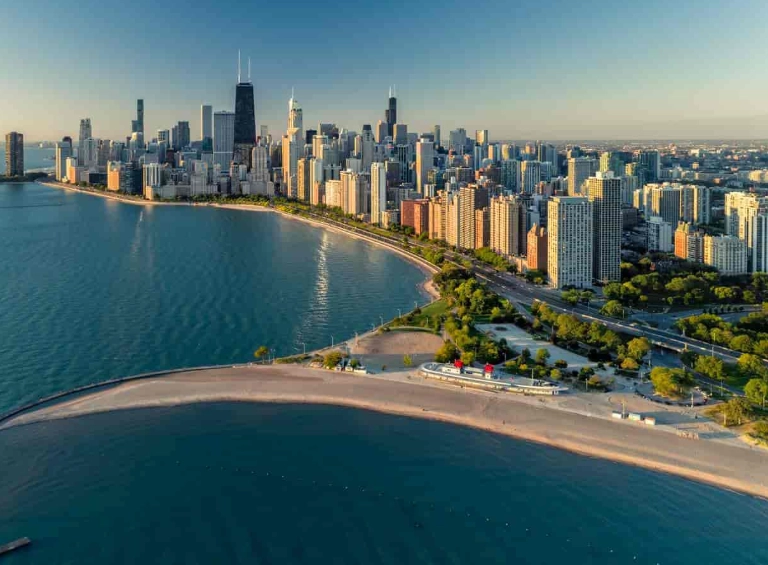
Houston vs. Dallas
The Texas rivalry. Houston's economy is dominated by energy and the Texas Medical Center (the largest in the world). It's more international, more blue-collar in its wealth, and messier in its layout. Dallas is more corporate, white-collar, and planned. Houston has no zoning laws—you'll see a skyscraper next to a bungalow. Dallas feels more orderly. Houston has better, more authentic ethnic food scenes; Dallas has flashier, newer developments. For energy/medicine, pick Houston. For corporate life and a "cleaner" feel, pick Dallas.
How to Choose Between Major Metros
Don't just visit the tourist spots. To truly vet a city:
1. Do a Cost-of-Living Drill-Down: Don't just look at rent on Zillow. Use a detailed calculator from a source like the MIT Living Wage Calculator or run your own budget: add estimated utilities (ask locals about summer AC/winter heating costs), state and local taxes, car insurance (shockingly high in some metros like Detroit or Miami), and commuting costs (gas, tolls, public transit pass).
2. Research the Job Market in Your Niche: Look beyond "tech is big in Austin." Which specific companies are hiring? What's the average tenure at those companies? Use LinkedIn to see where people in your specific role are clustered. A city might be great for software engineers but have few openings for product managers.
3. Visit in the "Worst" Season: Considering Seattle? Go in February, not July. Thinking about Phoenix? Experience August. You need to know if you can handle the seasonal downside, not just the postcard version.
4. Talk to People Who Left: Find forums or social media groups for ex-residents of that city. Ask why they left. You'll get brutally honest answers about deal-breakers that boosters won't mention.
Your Questions Answered
Understanding America's largest cities is about seeing the patterns in the chaos. It's about realizing that Phoenix's growth and New York's density solve different human equations. The right city for you isn't the one at the top of the list—it's the one whose unique blend of economy, culture, and challenges aligns with your own life and goals. Look past the population rank to the personality of the place. That's where you'll find your fit.
Reader Comments