Let's cut to the chase. You're not here for a textbook definition. You're here because long wait times are eating into your cash, frustrating your customers, and making your daily operations feel like a constant game of catch-up. That's lead time in action. It's the total time from when a customer places an order (or you decide to make something) until they receive the finished product. But here's the kicker most articles miss: it's not one monolithic block of time. It's a chain of smaller, often invisible delays—in procurement, in production, in shipping—that add up to the number your customer sees and judges you by.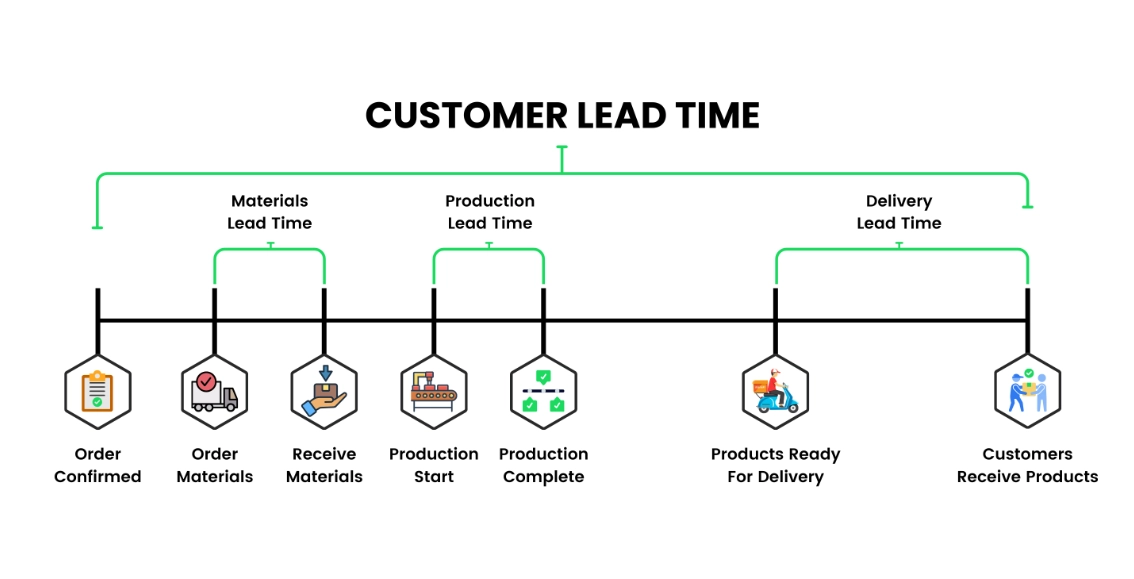
I've watched companies obsess over marketing spend while ignoring the 60-day lead time strangling their growth. They focus on the shiny object, not the clogged artery. Reducing lead time isn't about working faster; it's about working smarter by eliminating the friction no one talks about.
Your Roadmap to Lead Time Mastery
What Lead Time Really Costs You (Beyond Annoyance)
Think lead time is just a scheduling issue? Let's run the numbers on a hidden cost most managers never calculate: the cost of capital tied up in inventory.
Imagine you run a furniture business. Your sofa has a total lead time of 12 weeks from ordering fabric to customer delivery. To ensure you don't run out and miss sales, you keep a "safety stock" of materials and finished sofas. That's cash—lots of it—sitting idle in a warehouse instead of being used to grow your business.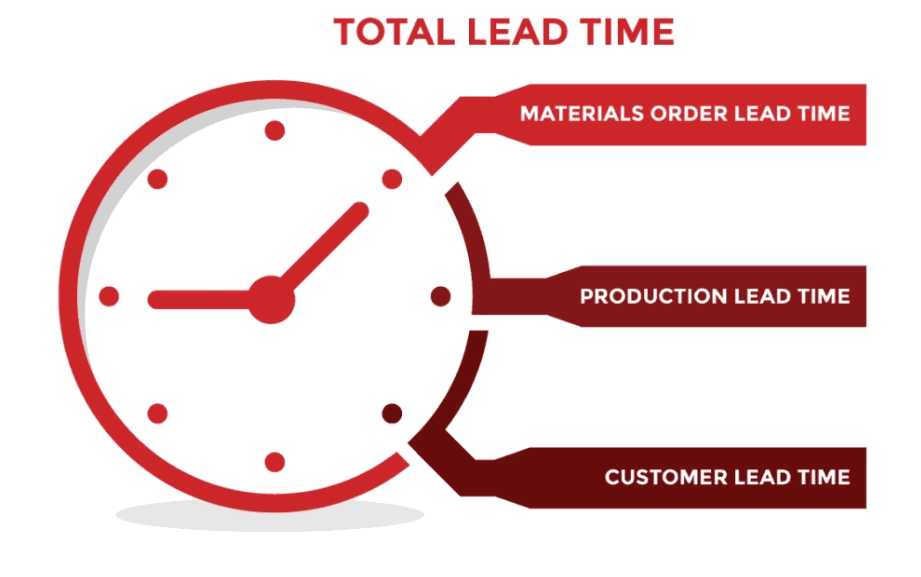
The Real Math: If your average inventory value is $200,000 and your cost of capital (interest you could earn or save) is 8% annually, you're spending $16,000 per year just to finance the inventory needed to cover your long lead time. That's before storage costs, insurance, or the risk of items going out of style. Cut your lead time in half, and you can potentially halve that tied-up capital. That's real money back in your pocket.
Then there's the agility tax. Long lead times make you slow to react. A hot new trend emerges? By the time you source materials and produce it, the moment may have passed. A key component has a quality issue? The long pipeline means the problem affects weeks of production, not days. You lose sales, you waste resources, and you erode customer trust with every delayed shipment notification.
Breaking Down Lead Time: The 3 Components You Must Measure
You can't manage what you don't measure. And most businesses measure only the final, customer-facing delay. To fix lead time, you need to dissect it. It typically breaks down into three sequential phases:
| Lead Time Component | What It Encompasses | Who "Owns" It | Common Time Sinks |
|---|---|---|---|
| 1. Material/Procurement Lead Time | Time from placing an order with your supplier to receiving the raw materials or components at your facility. | Procurement/Purchasing | Supplier production queues, customs clearance, unreliable shipping, internal PO approval delays. |
| 2. Production/Manufacturing Lead Time | Time from when materials are available on the production floor to when the finished good is ready to ship. | Operations/Production | Machine setup/changeover times, waiting for prior batches, quality check bottlenecks, inefficient workflow layout. |
| 3. Delivery/Shipping Lead Time | Time from when the order is ready to ship to when it is delivered to the customer's location. | Logistics/Warehousing | Carrier pickup schedules, transit time, last-mile delivery delays, customs (for international). |
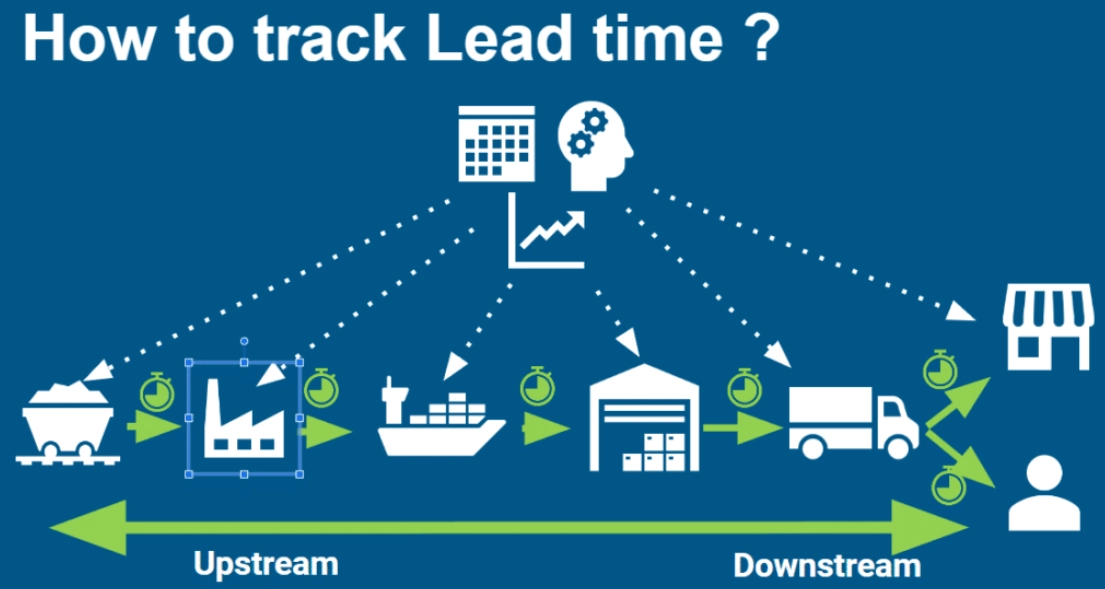
The big mistake? Treating these as separate silos. A one-day delay in procurement ripples through production and shipping, adding to the total. You need visibility into all three.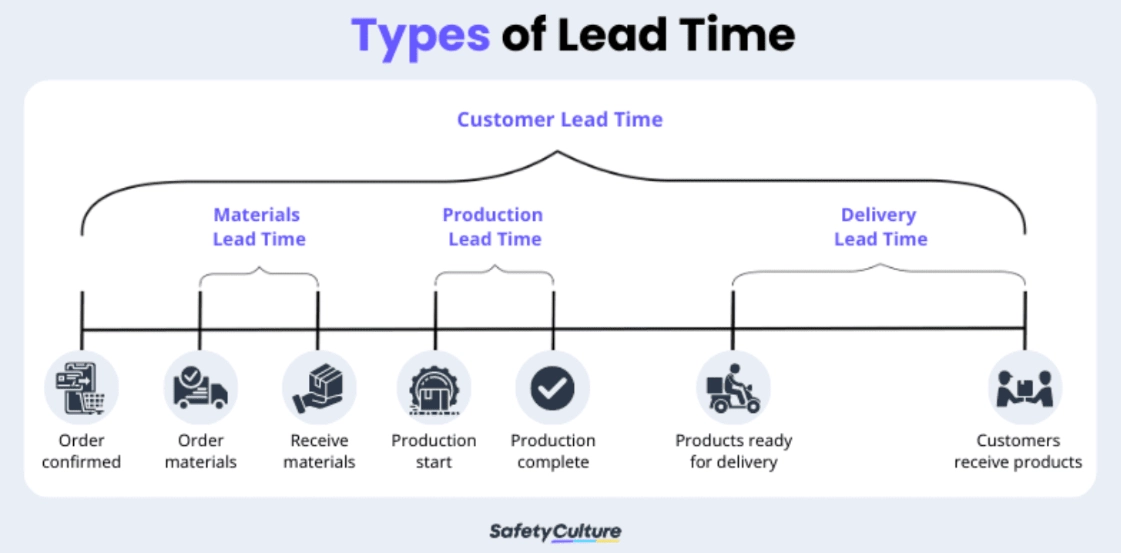
Actionable Strategies to Reduce Each Type of Lead Time
Here's where we move from theory to action. Generic advice like "improve communication" is useless. Let's get specific.
Slashing Procurement Lead Time
Stop relying on a single supplier halfway across the world just because their unit cost is 3% lower. That's a classic false economy.
- Develop a Local/Regional Supplier Backup: Even if you use a primary overseas supplier, qualify a secondary supplier within your region for critical components. The shipping time alone can cut weeks off your lead time during a crisis or surge in demand. The peace of mind is worth a slight cost premium.
- Implement Vendor-Managed Inventory (VMI): For key, predictable materials, let your supplier monitor your stock levels and replenish automatically. This transfers the lead time burden to them and turns a variable wait into a consistent, scheduled delivery. Companies like Apple excel at this.
- Streamline Internal Approvals: Map your purchase order process. How many signatures does it need? Can you set auto-approval limits for recurring, low-value items? I've seen PO approval cycles add 5 business days before an order even reaches the supplier.
Optimizing Production Lead Time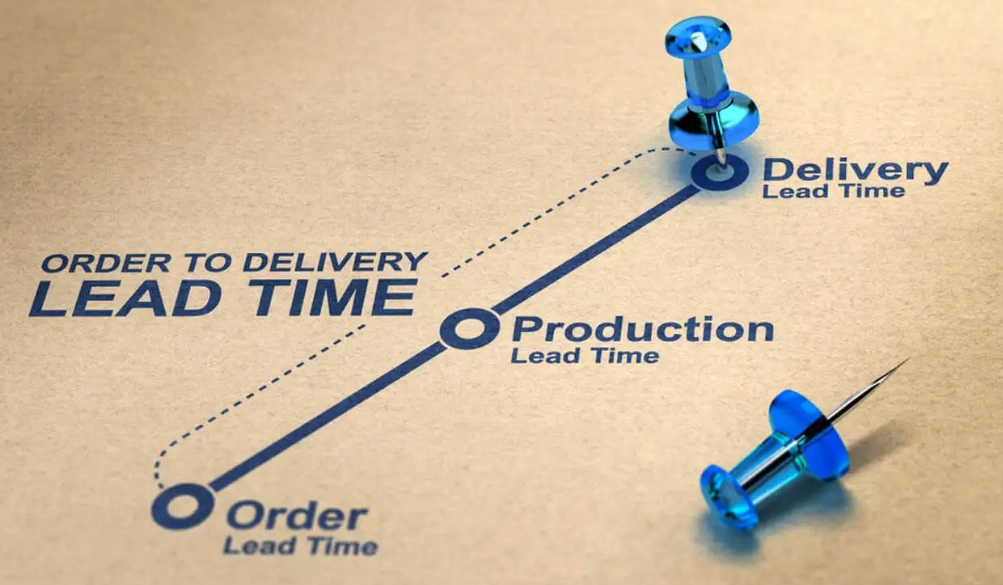
This is about flow, not just speed. Pushing workers to go faster in a poorly designed system creates chaos and defects.
- Adopt Single-Minute Exchange of Die (SMED): This Lean methodology focuses on reducing machine setup times. If it takes 4 hours to change a mold, you'll produce huge batches to amortize that cost, creating long waits for other products. Get setup down to minutes, and you can make smaller batches more frequently, drastically cutting the wait time for any single item.
- Create a "Water Spider" Role: Borrowed from Toyota, this is a dedicated material handler who keeps the production line supplied. It prevents line stops because a worker ran out of parts—a simple but profound time sink.
- Use a Visual Management System: Andon cords, kanban cards, or digital dashboards. When anyone can see a bottleneck in real-time (a red light over a stalled station), you can swarm to solve it immediately, instead of discovering the delay at the end of the shift.
Shortening Delivery Lead Time
Your job isn't done when the product is boxed.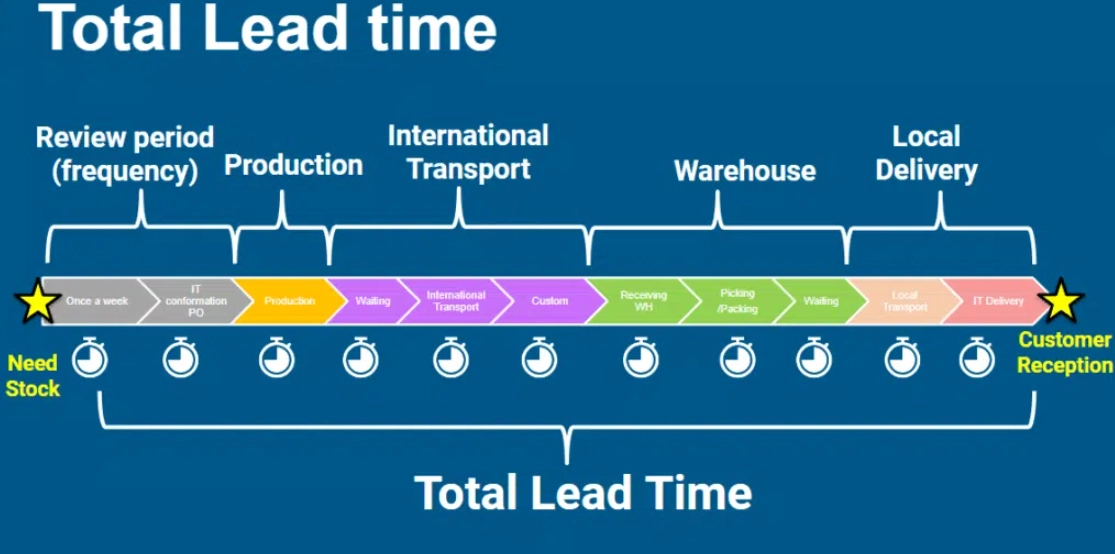
- Negotiate Dedicated Pickup Windows: Don't let your carrier pick up "sometime before 5 PM." Secure a specific, early pickup time. This can shave a full day off transit time by ensuring your goods make the day's critical sort at the distribution hub.
- Offer Tiered Shipping Options at Checkout: This seems basic, but many small businesses don't do it. Let customers pay for faster shipping if they need it. This manages expectations and generates revenue to offset your expedited logistics costs. Be transparent about standard vs. expedited timelines.
- Pre-Package Popular SKUs: For your top 20% of products that make up 80% of sales, have them boxed and labeled in advance, waiting only for the shipping label. This turns order processing from a 2-hour task into a 2-minute scan.
Common Pitfalls and Lead Time Myths to Avoid
After consulting for a decade, I see the same mistakes repeated.
Myth 1: "We just need a bigger warehouse." More inventory is a symptom, not a cure. It bandaids over long lead times but increases all the costs we discussed. Fix the time, and the inventory will naturally shrink.
Myth 2: "Our lead time is set by our suppliers; we can't change it." This is a surrender. You can change suppliers, collaborate with them on forecasts (share your sales data), or change your product design to use more readily available components. You have more leverage than you think.
The Silo Trap: The production team blames procurement for late materials. Procurement blames logistics. Logistics blames production for not finishing on time. This finger-pointing guarantees failure. You need one unified metric: Total Customer Lead Time. Make every department's performance partially tied to improving that one number.
The Over-Engineering Mistake: Specifying a custom, ultra-tolerance component when a standard, off-the-shelf part would work 95% as well. That custom part might have a 16-week lead time versus 2 weeks for the standard. Ask: "Do we really need this, or just want it?"
Your Lead Time Dilemmas, Answered
We have a wildly popular product with a 10-week lead time. Customers are willing to wait, so is reducing it still a priority?
Absolutely, and here's why that's a dangerous comfort zone. First, you're leaving money on the table. A segment of customers will always want it faster and would pay a premium. You're missing those sales. Second, you're vulnerable. The moment a competitor figures out how to deliver a similar product in 2 weeks, your "willing to wait" customers will vanish. Your long lead time is a moat made of sand. Use the strong demand as leverage to invest in the process improvements—like SMED or secondary sourcing—that will protect your market lead.
How do we balance reducing lead time with the risk of supply chain disruptions? Doesn't holding some buffer inventory make sense?
The goal isn't zero inventory; it's the *right* inventory. The old model was to stockpile months of everything. The smarter model is strategic buffering. Use your lead time data to identify your most vulnerable, longest-lead-time components (often single-sourced from afar). Hold a calculated safety stock *only for those specific items*. For everything else with shorter, more reliable lead times, aim for leaner stocks. This approach, informed by a detailed lead time breakdown, protects you where it matters without tying up capital across your entire inventory.
 Our sales team constantly promises unrealistic delivery dates to close deals, wrecking our production schedule. How can we align them?
This is a process and incentive failure. The sales team is incentivized to close deals, not deliver on time. The fix is twofold. First, give them real-time, accurate data. Integrate your CRM with a live dashboard that shows the current standard lead time for each product configuration. If they promise a date within that window, it's on operations. If they promise a date outside it, the blame is clear. Second, tie a portion of sales commission or bonus to on-time delivery satisfaction for their accounts. Suddenly, their interest shifts from just making the sale to ensuring a smooth, timely delivery that leads to repeat business.
 Look, mastering lead time isn't a one-time project. It's a mindset of relentless scrutiny over every delay, every wait, every queue in your business. Start by measuring your three component lead times accurately. Pick one—maybe procurement—and apply one strategy from above. See the effect. Then move to the next. The cumulative effect on your cash flow, customer satisfaction, and competitive edge will be more dramatic than any marketing campaign you'll run this year. Stop waiting, and start shortening the clock.
Reader Comments